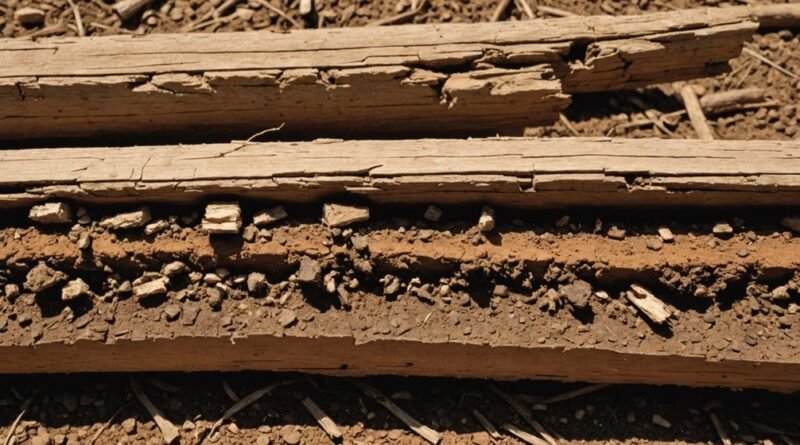
Borate Wood Treatment for Termites: Does It Really Work?
Yes, borate wood treatments really work against termites when you apply them correctly and keep the wood reasonably dry. They soak into the sapwood and turn it into a toxic food source, so termites stop feeding and often abandon the structure. Borates also help prevent fungal decay and can protect for a decade or more in protected locations. They’re low-odor, low-toxicity, and cost-effective, and you’ll see exactly where they shine—and where they don’t—next.
Key Takeaways
- Borate wood treatments are highly effective against drywood termites and wood-decay fungi by disrupting their digestion, causing starvation, and protecting internal wood fibers.
- Longevity is strong: in dry, protected conditions borate-treated wood can remain termite-free for a decade or more with minimal maintenance.
- Effectiveness drops in persistent moisture or direct rain exposure, where borates can leach out and may require re-treatment, especially in very wet climates.
- Borates do not stop subterranean termites by themselves; they work best combined with soil termiticides, physical barriers, and good moisture management.
- Compared with fumigation, borate treatments are lower-toxicity, eco-friendlier, and often more cost-effective over time due to reduced structural damage and fewer reapplications.
How Borate Wood Treatments Stop Termites
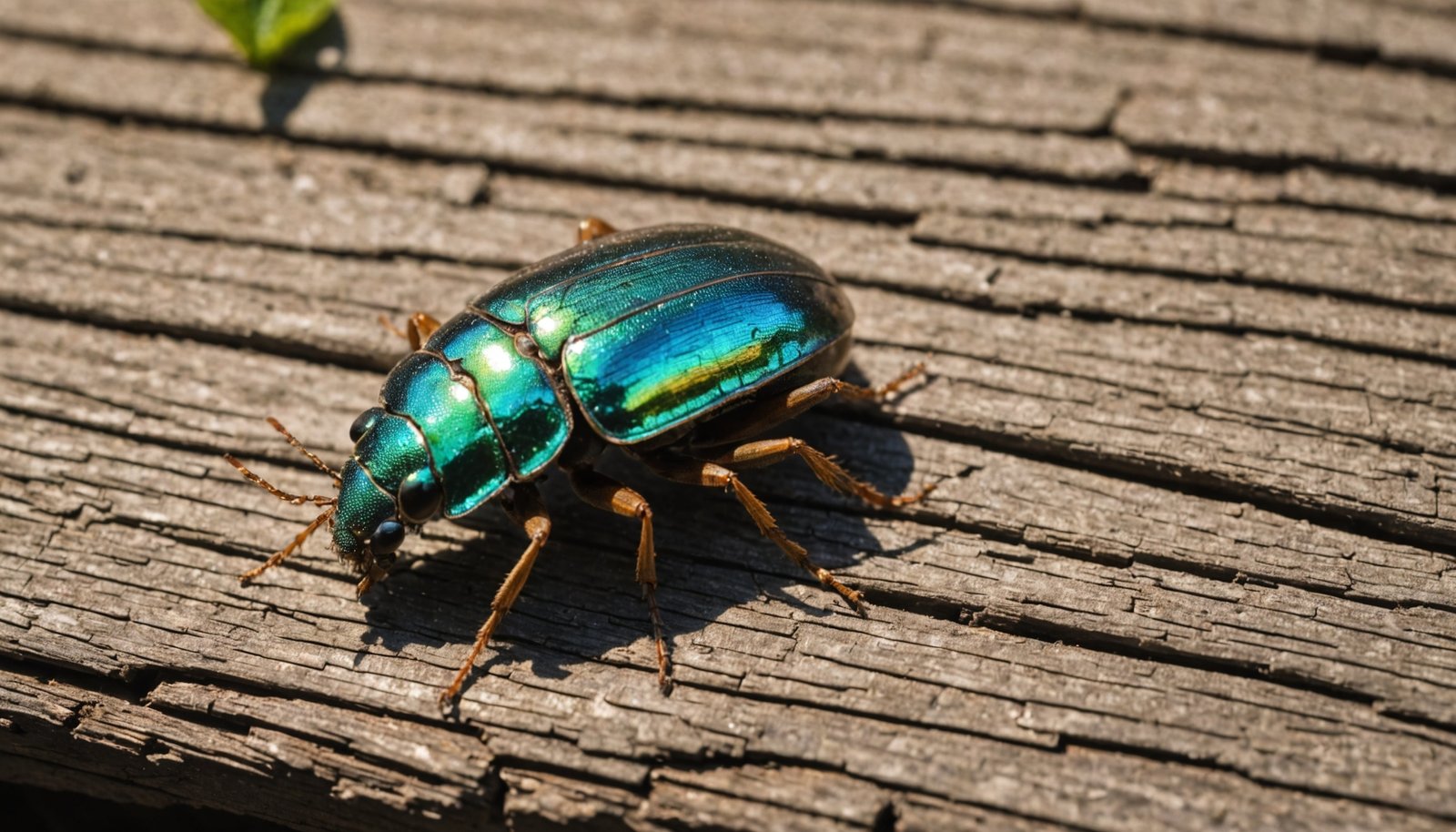
Borate wood treatments stop termites by turning the wood itself into a toxic food source that only affects the pests. When you apply a borate solution, oxygen-and-boron compounds diffuse into the sapwood, creating a non-staining, EPA-registered barrier that’s chemically compatible with stains, caulks, and chinking. You don’t change how the wood looks; you change how it behaves when insects try to eat it. Treated wood remains protected for the life of the structure as long as it stays dry, providing long-lasting termite prevention.
Borate wood treatments transform ordinary lumber into an invisible, non-staining termite barrier that integrates seamlessly with your finishes
As termites feed, the borate disrupts their digestive enzymes, so they can’t extract nutrients from the wood. They keep eating but slowly starve. Dying workers release chemical signals that tell the rest of the colony to abandon that wood, so the structure becomes a “no-go” zone.
Because borates act on basic insect digestion rather than a single target site, termites can’t adapt or develop resistance. You get targeted termite control with toxicity to humans and pets that’s on the order of table salt.
Does Borate Really Work Long-Term?
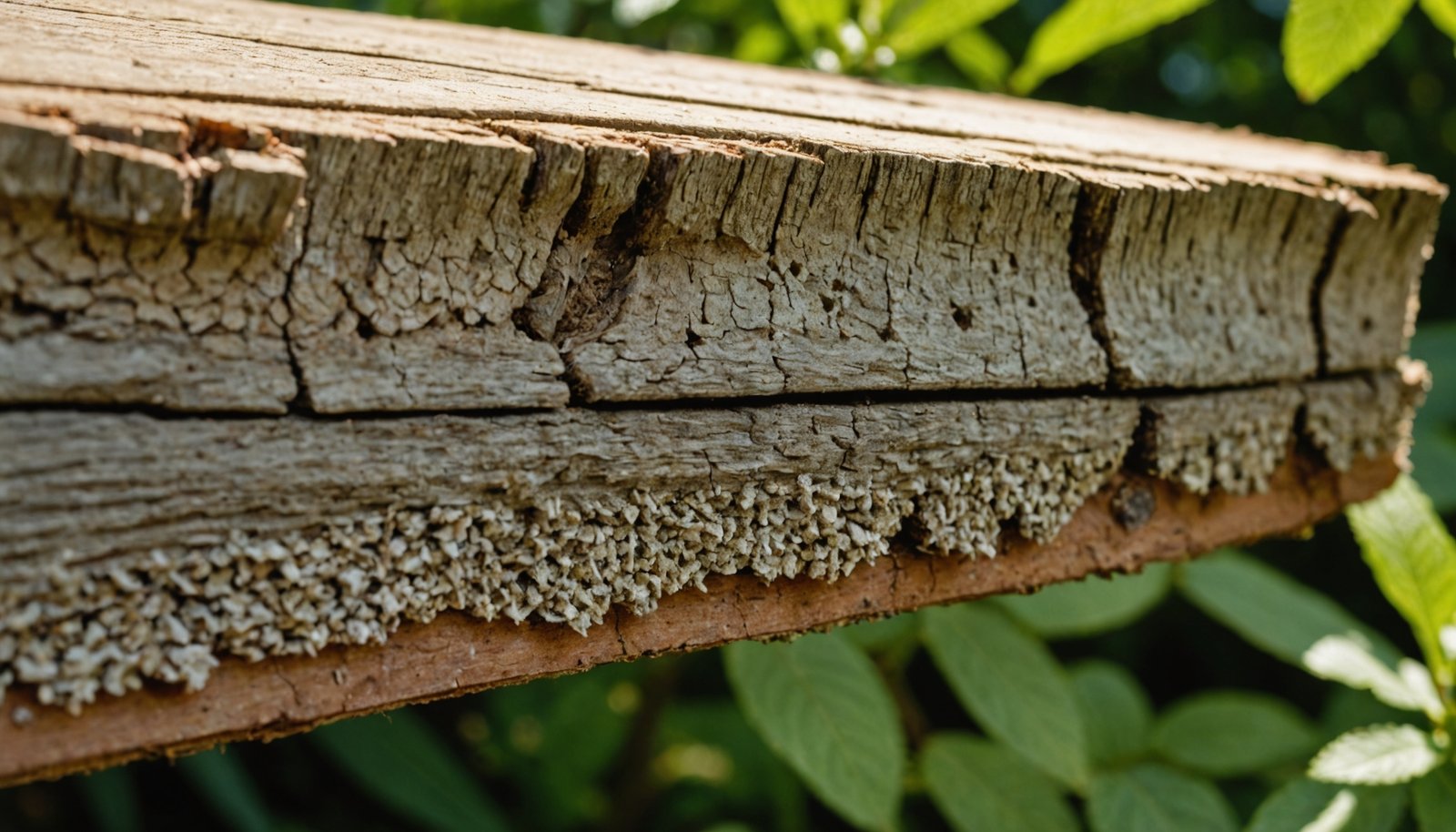
When you’re weighing borate, you want to know if it truly protects wood for many years and what that means for your budget and upkeep. Field tests from harsh termite zones show that properly treated wood can stay sound and pest-free for a decade or more. Because borate only leaches significantly when liquid water is present, it can provide long-term protection if surfaces are kept painted or sealed and the treatment is periodically checked.
Proven Multi-Year Protection
When termites or beetles attack treated wood, they ingest boron, their digestion shuts down, and they die within days. Because the mode of action starves them, they can’t develop resistance. In field tests, including harsh Formosan termite zones like Hawaii, borate-treated framing, sills, and OSB have delivered reliable, code-recognized protection for many years, while also preventing fungal decay in properly protected interior applications. This long-lasting effectiveness makes borate treatment a cost-effective option that can significantly reduce the need for future repairs and retreatments.
Cost And Maintenance Benefits
Long-term protection only matters if it actually saves you money, and borate treatments do exactly that. For prevention, you’ll pay less than you’d for fumigation, and that upfront savings keeps growing as you avoid repairs from hidden termite and borer damage. Because borate products are derived from natural minerals and have low toxicity, they offer an eco-friendly termite solution that protects both your home and the surrounding environment.]
Products like Bora-Care and Tim-Bor cover large areas with a single application that penetrates deeply, stays clear, and doesn’t corrode metal fasteners.
Because borate stays in dry interior wood for life, you’re not scheduling repeat chemical treatments every few years. It keeps killing termites and other wood borers, while also blocking decay fungi, so structural components last longer.
Outdoors, you may need periodic reapplications, but even then the long service life typically outweighs the modest maintenance cost.
Borate vs Other Termite Treatments: Pros and Cons
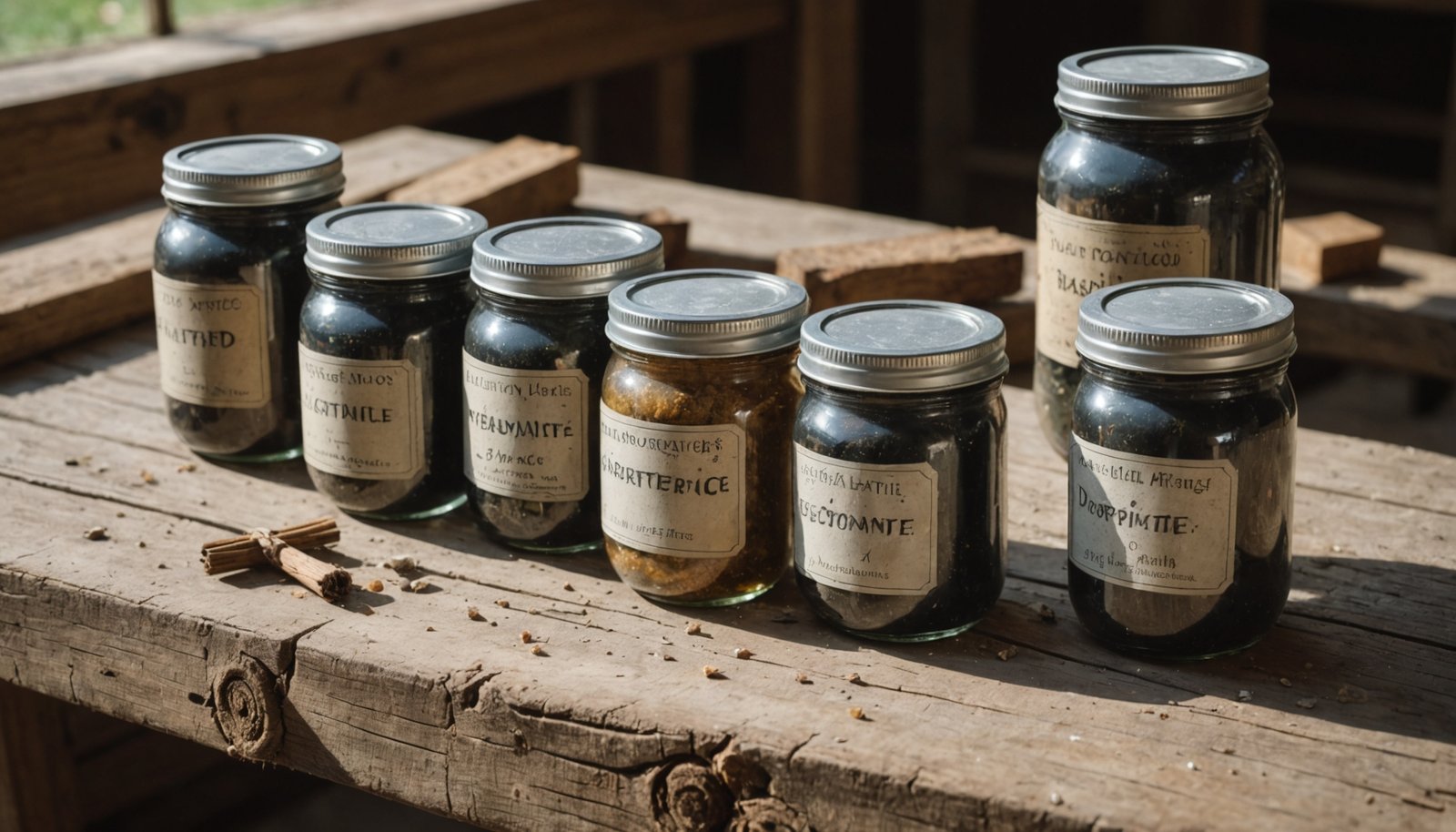
Although borate wood treatments offer a powerful, low-toxicity way to protect lumber from termite damage, they work very differently from liquid termiticides and bait systems, and each option has clear trade-offs.
Borates shine as a long-lasting wood protector: once dry, they’re low in toxicity to people and pets, penetrate the wood fibers, disrupt termite digestion, and can render treated lumber nearly inedible. Lab tests at 1.5% concentration show close to 100% termite mortality. Because borates are primarily effective against drywood termites, they may not address subterranean infestations that require soil-based treatments.
However, borates mainly affect drywood termites and don’t reliably wipe out an entire colony. Application is tricky; if a pro misses hidden areas, termites can exploit untreated zones. Borates also don’t spread well from termite to termite.
Liquid termiticides, by contrast, create a robust soil barrier, act quickly, and work well on subterranean colonies, but they’re disruptive to install.
Bait systems use tiny chemical doses, quietly target the queen, and improve with age, yet require ongoing monitoring.
Where Borate Works Best: and Where It Fails
You’ll get the best performance from borate when you use it on protected, interior wood and manufactured products that stay dry.
It won’t hold up as well in wet or repeatedly soaked areas, where leaching can strip the protection away.
To cover those gaps, you’ll often need to pair borate with other termite treatments and moisture-management strategies.
Ideal Indoor Applications
When you use borate where it’s strongest—on dry, accessible interior wood—it quietly builds a long-lasting shield that termites and other wood-destroying insects can’t get past.
In new construction, you treat wall studs, floor joists, beams, and sill plates so the solution soaks deep—often several inches—without staining or corroding metal fasteners. Termites and carpenter ants that contact or feed on this wood lose critical digestive and metabolic functions and die, taking the colony down.
You can also target exposed interior wood—open stud bays, base cabinets, or cavities—by dusting powdered borate.
It penetrates and turns that wood into a toxic food source for termites, roaches, ants, beetles, and wood-boring borers. For active pockets, you drill and inject directly into galleries or bug holes.
Limitations In Wet Environments
Borate shines on dry, accessible framing, but its performance changes fast once moisture gets involved.
Ironically, you get the best penetration when wood is still “green,” around 30% moisture content, because water helps pull boron deep into the fibers.
But once that wood faces chronic wetting, protection starts slipping away.
Here’s where wet conditions cause trouble:
- Soil contact: You can’t use borate-treated lumber directly in soil; constant moisture slowly leaches borates out.
- Frequent wetting: Exterior borate applications must be sealed with a water-repellent coating or you’ll lose boron over time.
- Existing finishes: Paint or sealers block water absorption, so borate can’t diffuse into the wood.
- Fungi and mold: Borates handle many decay fungi, but they don’t control mold growth.
Best Use With Other Treatments
Although borate can stand on its own as a strong termite deterrent, it performs best as one layer in a broader protection strategy rather than as the only line of defence. You’ll get the highest return when you pair borate-treated wood with regular inspections, moisture control, and structural maintenance. In well‑designed systems, treated timber shows up to 90% fewer attacks and can stay protected for a decade or more.
Use borate to harden key structural elements, then back it up with soil treatments, physical barriers, and vigilant monitoring, especially in Formosan hot spots.
| Strategy Layer | Borate’s Role | What You Gain |
|---|---|---|
| Framing lumber | Core protective treatment | Long-term structural defence |
| Soil/chemical barriers | Complementary shield | Reduced subterranean access routes |
| Moisture management | Supports borate longevity | Less leaching, steadier protection |
| Regular inspections | Early problem detection | Targeted spot-treatments if needed |
| Repairs and sealing | Protects vulnerable junctions | Fewer hidden entry points for termites |
Borate Products and How to Apply Them
Because different borate formulations behave differently in wood, it’s important to match the product to the job and apply it correctly. Most residential treatments use disodium octaborate tetrahydrate (DOT) in products like Bora-Care, Tim-bor, and PeneTreat.
Others, such as zinc borate or mineral borates like Colemanite, go into factory-made composites and fire-retardant systems, not field work.
Here’s how you’d typically use them:
1. Liquid sprays (Bora-Care, Shell-Guard RTU)
Mix (often 1:1 with water) and spray or brush onto bare, unfinished wood so the glycol carrier can pull DOT deep inside.
2. Powders (Tim-bor, PeneTreat)
Dissolve in water (for PeneTreat, about 1 lb/gal) and apply to framing, sill plates, and accessible lumber.
3. Injectable gels (Jecta)
Drill small holes and inject into sealed or moisture-heavy wood.
4. Industrial/dip/pressure systems (Borogard ZB, Tim-bor Industrial)
Used by mills for crossties, composites, and mass timber.
How Long Borate Protection Lasts (Plus Real-World Results)
While many termite treatments fade after a few years, borate stands out for how long it quietly keeps working inside the wood. When you use products like Bora-Care® or Tim-Bor on interior framing and structural lumber, the protection typically lasts for the life of the wood.
The active borates don’t break down or evaporate; they stay locked inside, especially when applied by pressure treatment or properly applied liquid and powder treatments.
Borate doesn’t break down or evaporate—it stays locked inside the wood for long-term termite protection
Real-world studies back this up. In Hawaii, borate-treated wood resisted severe termite pressure for eight years. In Japan, structural lumber stayed protected for at least ten years.
Field reviews over five years show strong reductions in termite activity and reinfestation, with DOT treatments scoring a mean 9.5 out of 10 for damage resistance.
Because you’re not re-treating every few years, you cut labor, material, and disruption costs—while keeping studs, joists, and beams intact and termite-free.
Borate’s Weak Spot: Wet and Exposed Conditions
Borate can guard framing for decades, but it has a clear weak spot: persistent moisture and direct weather exposure.
Because borates stay water‑soluble, heavy wetting lets them slowly migrate out of the wood. A constant drip line, unprotected exterior siding, or decks without a real water barrier all risk leaching the treatment away and leaving you with bare, termite‑ready lumber.
To keep borate working, you need to control how much water hits treated wood and how long it stays wet. Focus on these points:
- Don’t leave treated lumber in direct rain; cover it during construction.
- Never rely on varnish or penetrating stains outside; use primer plus two exterior top coats.
- Avoid ground contact or unprotected exterior use unless you can fully shield it from rainfall.
- In very wet exposures, plan on annual re-treatments, because rain will wash some borate out over time.
Safety, Cost, and Environmental Impact of Borate Treatments
Even beyond its termite‑killing power, borate wood treatment stands out for being unusually safe, economical over the long haul, and comparatively gentle on the environment. When it’s applied correctly, you, your kids, and your pets can live around treated wood without worrying about fumes, residue, or odors. It’s colorless, non‑volatile, and non‑corrosive, so you don’t need special fasteners or ventilation.
You pay more upfront than with some quick‑fix treatments, but you save over time. Borate penetrates deeply, doesn’t evaporate, and rarely needs reapplication, so you avoid constant service calls and disruption.
Environmentally, borate comes from the natural mineral borax and has a low toxicity profile. Because it protects wood for years, fewer trees need to be harvested to replace termite‑damaged lumber, and you avoid the broad disruption that comes with fumigation.
| What You Want | What Borate Gives You | How It Feels |
|---|---|---|
| Safety | Low‑toxicity, odorless wood | Peace of mind |
| Savings | Fewer treatments, less labor | Relief |
| Durability | Long‑lasting protection | Confidence |
| Green Choice | Fewer chemicals, fewer trees cut | Responsibility |
When Borate Is (and Isn’t) the Right Termite Solution
You get impressive safety, long-term savings, and a lighter environmental footprint with borate, but that doesn’t mean it’s the best fit for every termite problem.
It works best when you match the product and application to your wood, termite species, and site conditions.
Use borate as a primary solution when:
- You’re building or renovating. Industrial through-treatment at 2–3% BAE protects structural lumber and MDF, delivering decade-long control against subterranean termites in harsh zones like Hawaii and Japan.
- You’re targeting drywood termites in accessible wood. Tim-bor and Bora-Care can reach 80–100% mortality within weeks and stop feeding.
- Your wood stays dry. Borate excels in interior framing and protected exterior components, where leaching isn’t a concern.
- You’ll maintain inspections. Regular checks and moisture control keep borate performing reliably.
Skip borate as a stand-alone fix for constantly wet wood, ground-contact posts, or hidden, advanced infestations.
Conclusion
Borate wood treatments can absolutely help you stop termites—when you use them in the right way. They’re best as a preventative treatment on dry, accessible wood and as part of an integrated termite plan, not your only line of defense. If your home has moisture issues, hidden termite activity, or ground contact wood, you’ll need more than borate. Weigh the costs, safety, and conditions, then choose borate where it truly fits.