How Long Does a Termite Barrier Last?
Termite barriers can protect your home for anywhere from a few years to several decades, depending on the system you choose and your conditions. Chemical soil treatments usually last about 5–10 years, while physical barriers like stainless steel mesh or concrete can exceed 20–30 years. Bait stations work as long as you keep them serviced and refilled. Soil type, moisture, and installation quality all affect lifespan, and you’ll see how these factors change your best option.
Key Takeaways
- Termite barriers can protect from several months up to about 20+ years, depending on type, installation quality, and site conditions.
- Chemical soil barriers typically last 5–10 years, but in poor or wet soils may need reapplication every 3–5 years.
- Physical barriers like stainless steel mesh or concrete can last decades, often 30+ years, if correctly installed and not damaged.
- Bait station systems provide ongoing protection but rely on professional monitoring and cartridge replacement every 12–18 months.
- Soil type, moisture, and disturbance (landscaping, renovations) significantly affect barrier lifespan, making annual inspections essential to maintain protection.
How Long Does a Termite Barrier Really Last?
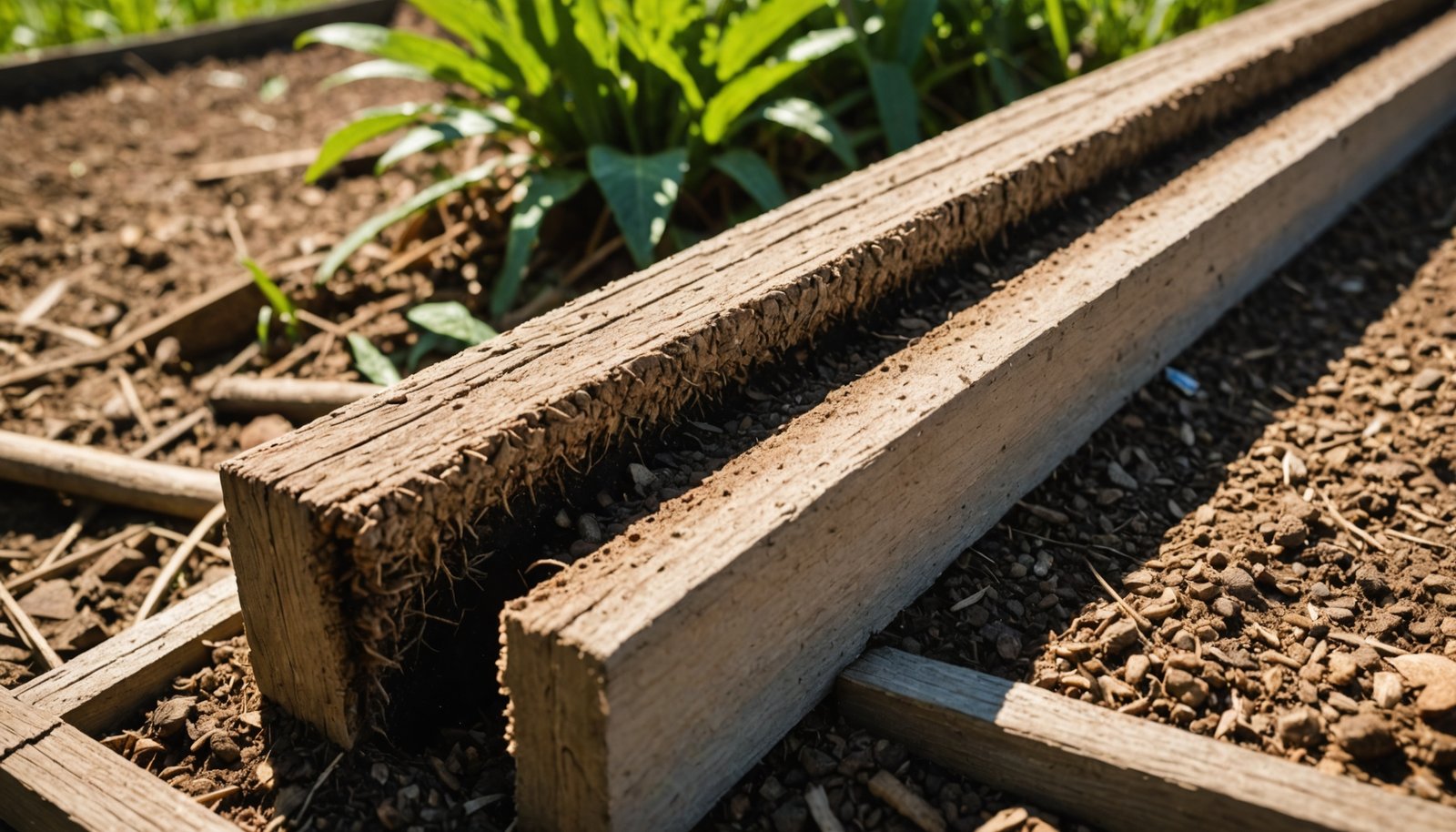
When you invest in a termite barrier, you’re usually buying protection that lasts anywhere from several months to around 20 years, depending on the type of system in place. You’re not getting a single, fixed lifespan; you’re getting a range that depends on materials, soil conditions, moisture, and how well the system’s installed and maintained.
Chemical barriers in the soil can give you multi‑year protection, but they’re vulnerable to soil movement, construction work that cuts the treated zone, and chronic moisture along the foundation.
Chemical soil barriers can protect for years, but shifting ground, construction, and moisture can quietly break that shield
Physical barriers, often plastic components built into new homes, can last decades in theory, but a single crack in the perimeter can let termites through. Because they’ve been mandatory for homes built after 2001, many modern properties rely on them as their primary long‑term termite defence.
Bait systems work differently: they rely on ongoing termite activity and regular professional checks to stay effective.
In every case, inspections and prompt repairs or retreatments are what keep any barrier performing close to its potential lifespan.
How Long Do Different Termite Treatments Last?
So how long can you really count on each termite treatment to protect your home?
Liquid soil treatments typically last 5–10 years, with EPA-approved products required to give at least 5 years of protection. Non-repellents like fipronil or imidacloprid often stretch closer to 8–10 years, but sandy soil or extreme pH can cut that to about 3 years. You’ll still need yearly inspections and reapplication every 5–10 years. Because soil conditions and environmental factors like heavy rainfall or freeze–thaw cycles can break down termiticides faster, regular follow-up inspections are essential to catch any early loss of protection.
Bait systems work differently. They don’t “expire” on a set schedule but rely on consistent monitoring. When you replace bait every 12–18 months and get quarterly checks, they can provide continuous, long-term protection by eliminating and suppressing colonies.
Wood treatments give targeted protection. Borate-based surface treatments last around 3–5 years if the wood’s sealed; deeper injections can protect up to 10 years.
Fumigation and heat treatments kill existing termites but offer no residual barrier afterward.
How Long Do Physical Termite Barriers Last?
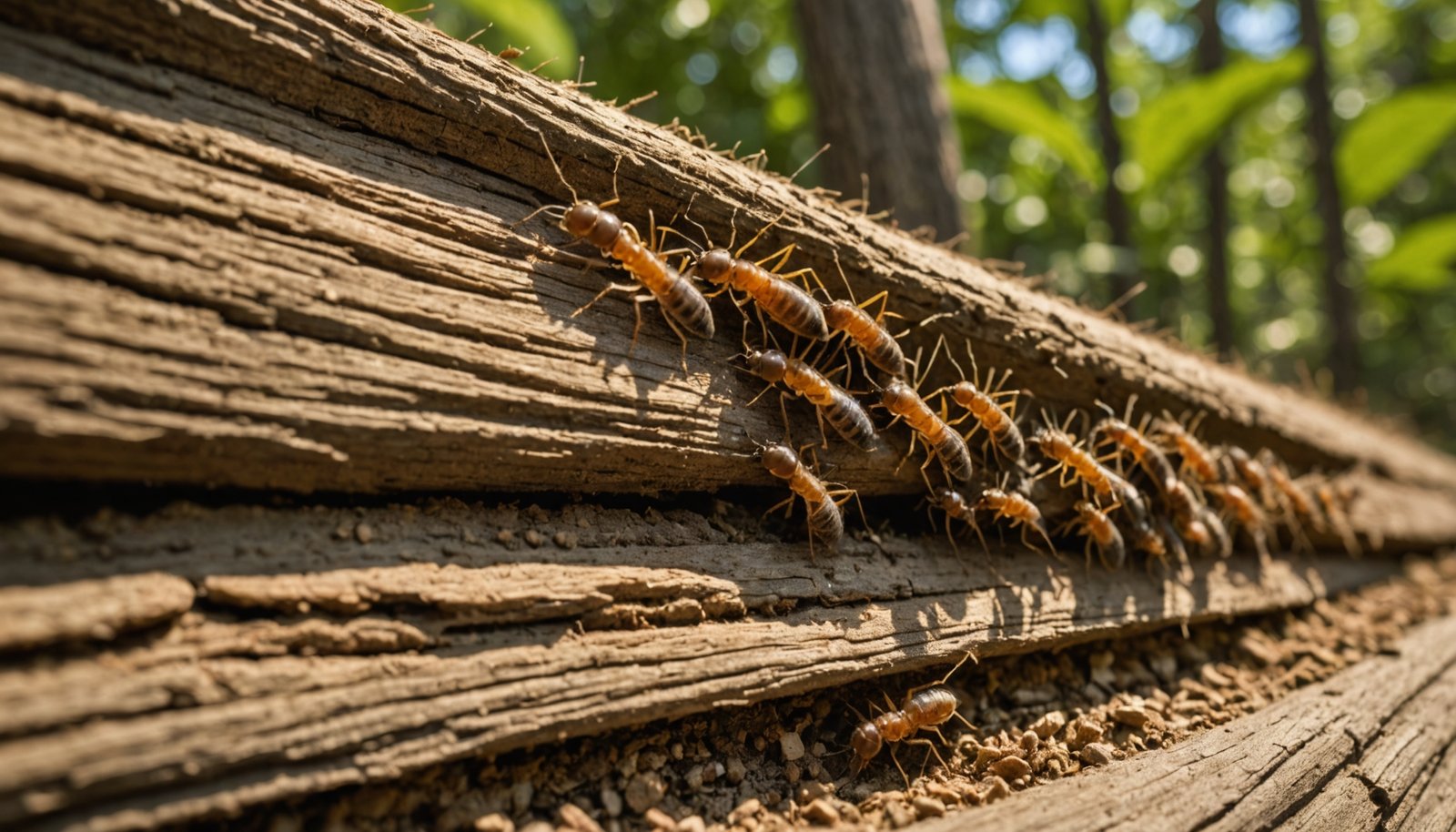
When you choose a physical termite barrier, you’re typically looking at protection that lasts decades, and in some cases 50 years or more. Because these systems integrate into your home’s construction, they can block hidden entry points that other treatments might miss. These barriers often remain effective for over 30 years when they’re properly installed and maintained. You’ll still need periodic inspections and basic maintenance, though, to make sure the barrier stays intact and continues performing as designed.
Typical Lifespan Expectations
Most physical termite barriers are built to last decades, but their real lifespan depends heavily on the type of material and how well they’re installed. Regular professional inspections and upkeep are essential for long-term effectiveness.
You can usually expect a well-designed system to protect your home for a very long time, but not all barriers age the same way or cope equally well with movement, renovations, or minor building faults.
To picture the range of lifespans, think regarding:
- Stainless steel mesh or concrete barriers: often several decades with correct installation.
- “Permanent” systems: engineered to match your building’s life, nominally around 50 years.
- Plastic perimeter barriers: typically rated for about 20 years in service.
- Metal flashing or crushed rock layers: decades of protection, unless disturbed or bridged.
Construction Integration Benefits
Although physical termite barriers can be added later, integrating them during construction delivers stronger, longer-lasting protection and better value.
When you build, installers can weave stainless steel mesh, basaltic particle layers, and plastic sheeting directly into the slab and foundation system, blocking termite entry points before they exist. Systems like TERM Air Barrier also boost energy efficiency and structural integrity, so you’re protecting both the building and its performance. Because these barriers are built into the structure, they can provide lifetime protection without the need for re-treatment, unlike chemical systems that eventually degrade.
Pre-construction integration usually costs less over the building’s life because you avoid repeated chemical treatments and reduce the risk of expensive structural repairs.
It also helps you meet termite-protection building codes, streamline approvals, and secure occupancy certificates, while supporting sustainable, low-chemical pest management that appeals to future buyers and insurers.
Maintenance And Inspection Needs
Even the best termite barrier only protects your home as long as it stays intact and is routinely checked.
Physical barriers can last decades, but renovations, cracks, or poorly sealed service penetrations can create hidden entry points. You need consistent inspections to make sure your “lifetime” system is still truly termite-tight.
Here’s what ongoing care usually looks like:
- Inspect exposed slab edges, weep holes, and service pipes annually for gaps, cracks, or visible plastic barrier damage.
- After any renovation, extension, or new plumbing/electrical work, book a post-works termite inspection.
- Keep garden beds, paving, and landscaping away from covering barrier inspection zones.
- Arrange yearly professional termite inspections to verify the barrier’s continuity and detect early activity.
Regular checks preserve your barrier’s designed lifespan.
How Long Do Chemical Soil Barriers Last?
When you install a chemical soil barrier, you can generally expect several years of protection, but the exact lifespan depends on the product and how it’s applied.
Soil type, moisture, and weather can all shorten its effectiveness if conditions are harsh or the treatment’s not installed correctly.
You can extend your barrier’s protection by choosing high-quality products, ensuring thorough application, and maintaining the treated zone around your home.
Typical Lifespan Range
Most modern chemical soil barriers protect a home for about 5–8 years, with a typical overall range of roughly 3–10 years depending on the product and conditions.
You can think of your barrier’s lifespan as a band, not a fixed date when protection suddenly stops.
Here’s what that usually looks like:
- Core range: Most non-repellent liquids (like fipronil or imidacloprid products such as Termidor or Premise) typically give you 5–10 years of protection.
- Modern expectation: Today’s premium termiticides generally sit in the 5–8 year sweet spot.
- Lower end: Some chemical soil barriers may only deliver 3–5 years, especially older or cheaper formulations.
- Upper end: Under ideal circumstances, top-tier liquid termiticides can approach a decade of residual effectiveness.
Factors Reducing Effectiveness
Although a quality chemical soil barrier can offer solid long-term protection, several real‑world factors steadily reduce how long it actually lasts around your home. Your soil type matters: compact clay can hold chemicals for 7–8 years, while sandy or coastal soils may only support 4–5 years because products leach out faster.
Moisture levels also play a big role. Heavy rain, poor drainage, or leaking pipes dilute and wash chemicals away, often cutting protection to about 5–6 years.
Installation quality’s critical. If a professional doesn’t apply the correct volume and concentration around complex foundations, gaps form and the barrier fails early.
| Key Factor | Typical Impact on Longevity |
|---|---|
| Clay soil | 7–8 years |
| Sandy / coastal | 4–5 years |
| High rainfall | 5–6 years |
| Poor installation | Noticeably reduced |
Extending Barrier Protection
Because chemical soil barriers don’t last forever, you’ll get the best protection by understanding their real‑world lifespan and planning ahead.
Most modern liquid treatments, including products like Premise and Termidor, protect for about 5–10 years, with high‑quality options often reaching 8 years under good conditions.
To extend that protection, you should focus on how the barrier’s applied, the soil it’s in, and the maintenance that follows:
- Schedule yearly professional inspections so small breaches don’t turn into infestations.
- Reapply every 3–5 years if you’re in sandy or very wet soil conditions.
- Guarantee full‑strength application rates along the perimeter and under slabs.
- Protect treated soil during construction so it isn’t disturbed, diluted, or washed out.
How Long Do Termite Bait Systems Protect Your Home?
How long a termite bait system protects your home depends less on a simple time limit and more on how well it’s maintained. When you keep stations inspected and refreshed, you can expect protection to span many years rather than months.
With Trelona ATBS, field studies show bait cartridges still work after 5 years in the ground, killing 90–100% of termites within 90–120 days of feeding, with no drop in performance compared to new cartridges.
Field studies show Trelona ATBS bait remains highly effective for 5 years, eliminating 90–100% of termites within months
Sentricon systems also provide ongoing protection, but only when you schedule regular monitoring and refilling.
In practice, colony suppression usually takes several months to a year. You or your professional should check stations every 1–3 months, replace eaten or depleted bait immediately, and track service dates.
Soil moisture, temperature, termite pressure, and station placement all affect how quickly bait’s consumed, but if you keep inspections consistent, your bait system can protect your home indefinitely.
How Long Do Liquid Soil Termite Treatments Last?
When you treat the soil around your home with a liquid termiticide, you’re fundamentally installing a chemical shield that can last for years, not months. Under normal conditions, you can expect most liquid soil treatments to protect your home for about 5–10 years, with EPA rules requiring at least five years of performance.
Premium, high-quality products can stretch close to 10–12 years in ideal situations, especially non-repellent formulas that termites can’t detect.
To picture how long your treatment will last, consider how these factors work together:
- Product quality: Premium, non-repellent liquids often deliver 8–10 years of solid protection.
- Soil type: Clay can hold termiticide longer; sandy soil lets it drain and break down faster.
- Moisture and weather: Heavy rain, pooling water, and freeze-thaw cycles steadily weaken the barrier.
- Application and activity: Proper trenching, coverage, and yearly inspections help the barrier reach its 10-year retreatment target.
Does Tenting for Termites Give Any Long-Term Protection?
Liquid soil treatments work like a long-lasting shield in the ground, so it’s natural to ask if whole-house tenting offers anything similar for the air and wood above it. When you tent, licensed pros seal your home and release fumigant gas that penetrates walls, floors, and deep into wood. It wipes out drywood termites at every life stage, including hidden colonies that liquid treatments or spot sprays might miss.
However, tenting doesn’t create a residual barrier. Once the gas dissipates, there’s no ongoing chemical shield to stop new termites from moving in. For long-term value, you need to treat tenting as a powerful reset, then add prevention.
| Aspect | What Tenting Does | What You Still Need |
|---|---|---|
| Current colony | Complete elimination | N/A |
| Future termites | No proactive defense | Bait systems, wood & soil protection |
| Longevity | Up to ~5 years with supplements | Regular inspections and monitoring |
Soil, Weather, and Other Factors That Change Barrier Life
Even with the best product, your termite barrier doesn’t age in a vacuum—soil, weather, installation quality, and what surrounds your home all change how long it really lasts.
Your termite barrier lives in the real world—soil, weather, and surroundings constantly reshape its true lifespan
Sandy or gravelly soils let chemicals leach away, while clay holds moisture that speeds breakdown and can even slow proper chemical spread. Soil pH also changes how quickly products degrade.
Weather works on the barrier every day. Heavy rain, humidity, and high moisture accelerate chemical loss, while freeze–thaw cycles and dry-season cracking open paths through treated soil.
To picture how this plays out around your home, imagine:
- A rainy, humid yard with 40 inches of annual rainfall washing treatment away.
- Deep mulch beds and wooden edging bridging over your barrier.
- Ongoing construction that disturbs treated soil and leaves gaps.
- Dense vegetation trapping moisture against the foundation, stressing both chemical and physical barriers.
Signs Your Termite Barrier Is Failing and Needs Re-Treatment
How do you know your termite barrier’s quietly giving way instead of still doing its job? Start with mud tubes. New, pencil-thin mud tunnels along your foundation, up piers, or around pipes and expansion joints mean termites are bypassing the barrier.
If a broken tube repairs itself within days, you’ve got live activity and a likely barrier breach.
Next, watch for live termites or swarmers. Repeated swarms indoors, insects clustering around lights, or piles of discarded wings near windows and doors suggest an established colony inside your protection zone.
Check your timber. Wood that sounds hollow when tapped, crumbles easily, or causes cracked or buckling baseboards points to ongoing internal feeding.
Structural changes are another warning: stuck doors or windows, soft or spongy floors, sagging areas, or new wall cracks can signal weakened framing.
Finally, frass pellets, tiny mud spots, pinholes, or clicking inside walls all hint your barrier’s no longer holding.
How to Choose the Best Long-Term Termite Protection for Your Home
Once you know the warning signs of a failing barrier, the next step is choosing a protection strategy that will actually last in your conditions.
Start by weighing how long you need protection, your soil and moisture levels, and whether you’re more concerned with killing colonies or just deterring them.
1. Chemical soil barriers – High‑quality products applied at full strength can protect 5–8 years and actively eliminate colonies as termites tunnel through treated soil.
Modern products like Termidor balance power and environmental impact.
2. Physical barriers – If your home was built after 2001, you likely already have plastic barriers.
They can last around 20 years but fail quickly if cracked, so inspections are essential.
3. Liquid soil treatments – EPA‑registered treatments typically deliver 5–10 years of protection, but disturbance or changing conditions may shorten that.
4. Bait station systems – These offer flexible, ongoing protection when professionally monitored, with cartridges replaced to prevent reinfestation.
Conclusion
When you understand how long each termite barrier really lasts, you can plan ahead instead of reacting to damage. Combine the right treatment—physical, chemical, or bait—with regular inspections, and you’ll keep termites from gaining a foothold. Pay attention to soil, weather, and warning signs so you know when it’s time to renew protection. By staying proactive and working with a licensed professional, you’ll give your home the best long-term defense against termites.