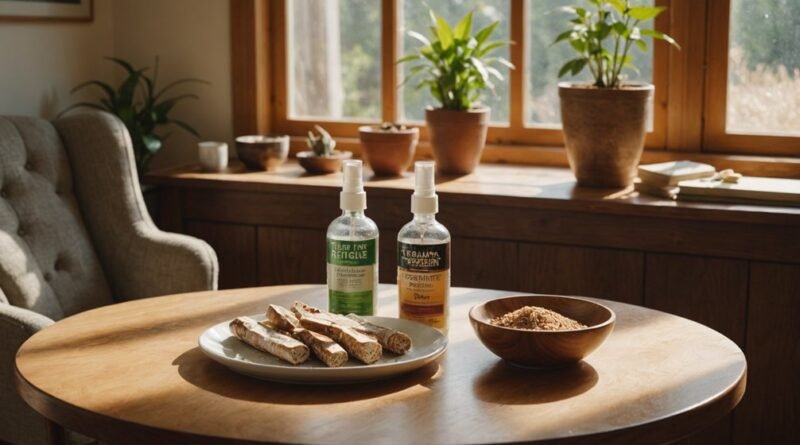
How to Protect Wood Furniture From Termites
You protect wood furniture from termites by choosing naturally resistant hardwoods like teak, cedar, or mahogany and keeping wood dry and off damp floors. Seal surfaces with penetrating oils or oil-based polyurethane, and fix leaks or moisture problems quickly. Place furniture away from exterior walls, and occasionally sun-bake small pieces to overheat hidden termites. Use borate treatments, essential oil wipes, and diatomaceous earth as added barriers. Next, you’ll see how to combine these methods step-by-step.
Key Takeaways
- Choose naturally termite-resistant hardwoods and heartwood-grade lumber, avoiding soft, palatable woods like untreated pine and spruce.
- Seal furniture with protective finishes such as tung oil, oil-based polyurethane, or lacquer, applying multiple thin coats and sanding lightly between.
- Control moisture by fixing leaks, keeping rooms dry and ventilated, and elevating wooden furniture at least six inches off the ground.
- Periodically expose small wooden pieces to sustained heat or strong sunlight to raise core temperature enough to kill hidden termites.
- Use natural repellents like borate treatments, essential oil wipes, and diatomaceous earth barriers, combined with regular cleaning and inspection for early detection.
Choose Termite-Resistant Wood and Materials
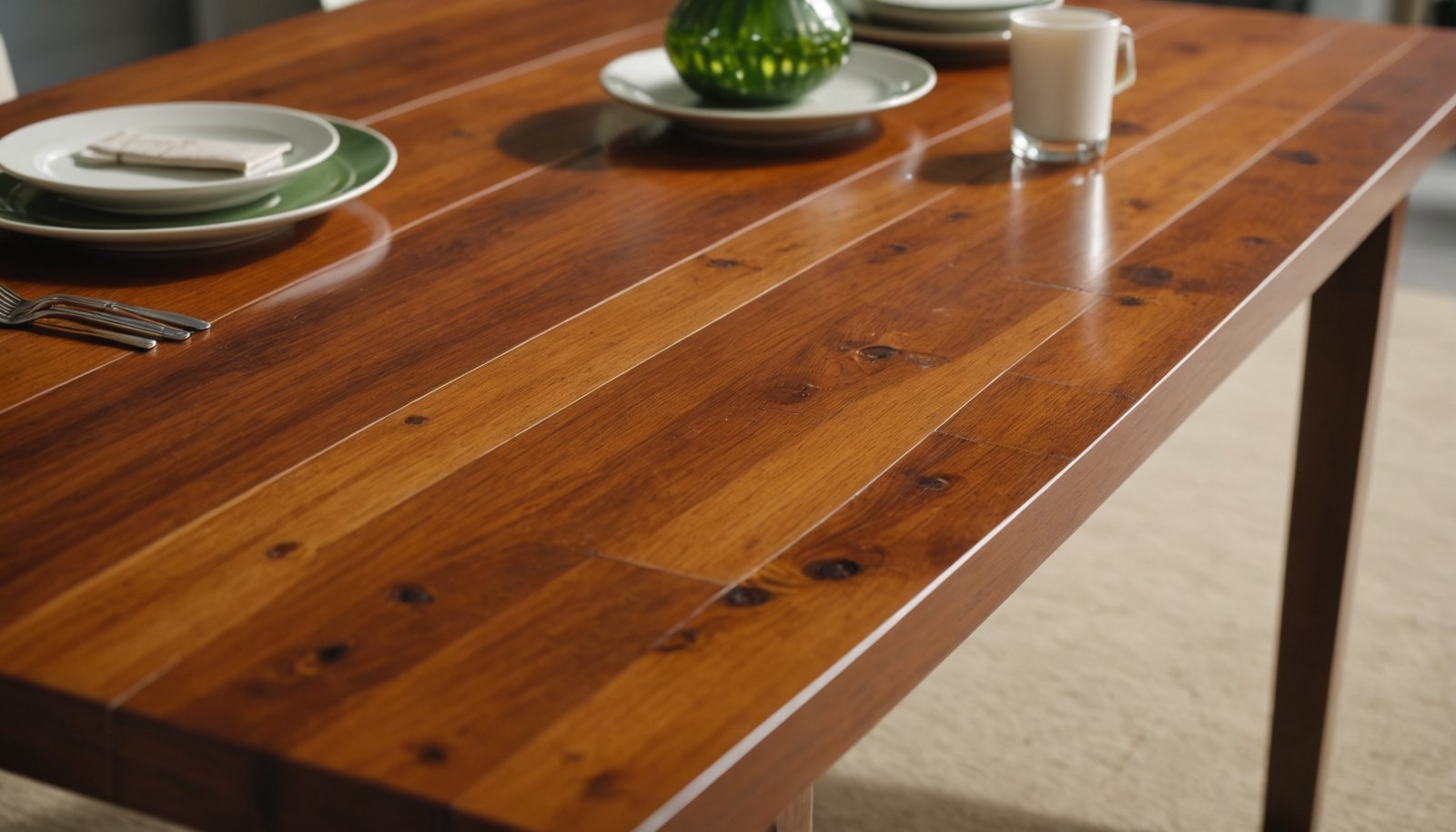
When you’re choosing wood for new furniture or repairs in a termite-prone area, start by prioritizing species and cuts that naturally resist attack. Look for dense, oily hardwoods like teak, cedar, cypress, redwood heartwood, and Australian jarrah. Their natural oils, tannins, and tight grain make them hard for termites to chew and less attractive as food. Teak, in particular, is prized because it can actually kill termites that consume it, offering a higher level of built‑in protection than many other species.
If you’re open to tropical options, consider ulin (ironwood), merbau, bengkirai, Honduran mahogany, or Peruvian walnut. Their combination of hardness, density, and natural compounds gives you strong built‑in protection.
Always specify heartwood-grade lumber rather than sapwood. Heartwood’s tougher, denser structure and higher concentration of protective compounds create a natural barrier termites struggle to penetrate.
At the same time, avoid highly palatable woods like southern yellow pine, spruce, generic softwoods, and any untreated sapwood.
Finally, don’t rely on species alone—keep wood away from chronic moisture so it retains its natural defenses.
Protect Furniture With Termite-Proof Finishes
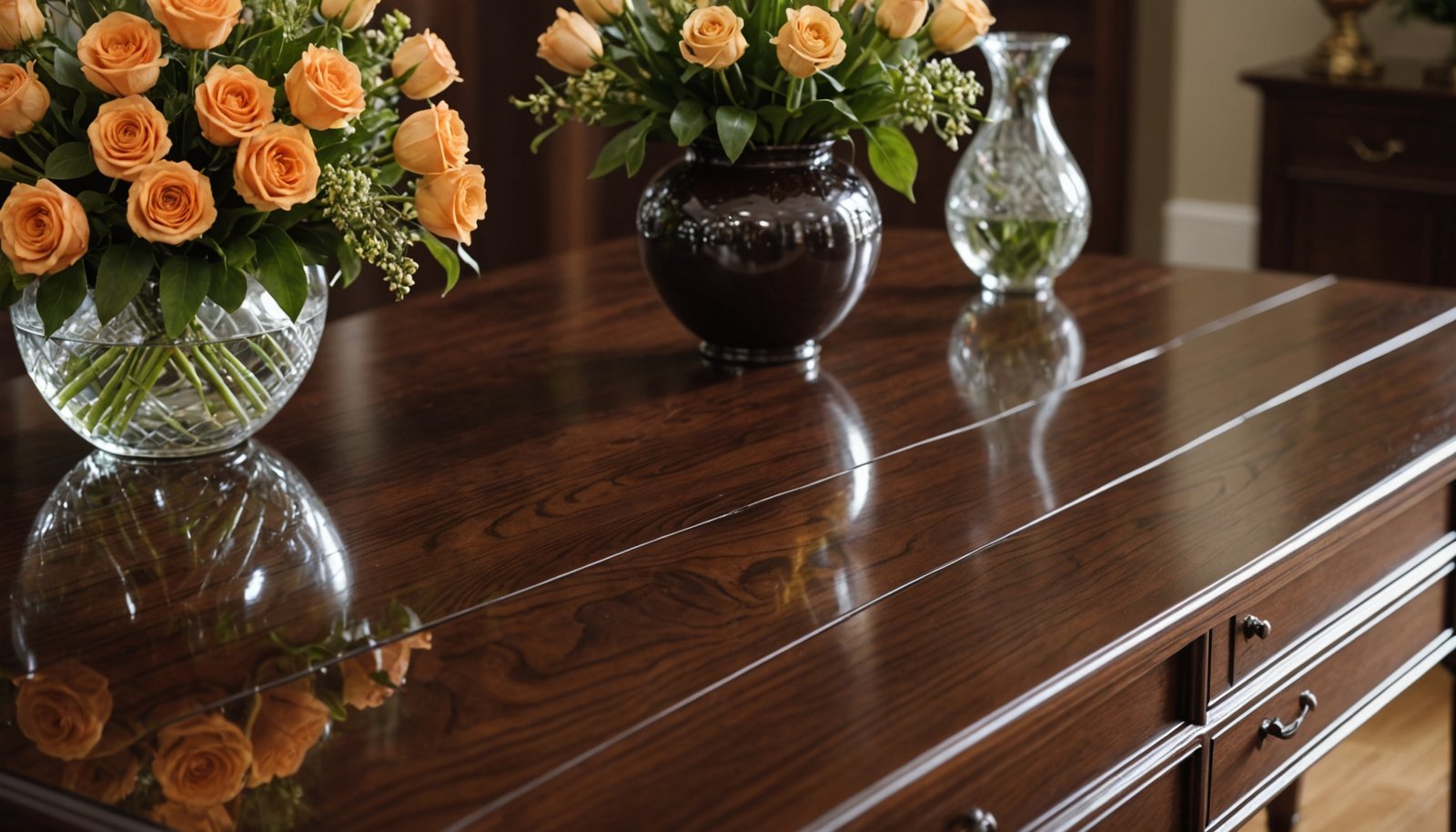
Two powerful lines of defense against termites come from the right finishes you apply on your wood furniture. Penetrating finishes like tung oil soak into the fibers, harden over time, and create a water‑resistant barrier that termites dislike. Because proper moisture control is critical for durability, using a wood moisture meter to confirm that lumber is at an appropriate moisture content before finishing helps prevent warping, cracking, and finish failure.]
Penetrating finishes like tung oil harden within wood fibers, forming a water‑resistant barrier that termites tend to avoid
You can wipe or brush on several thin coats, letting each cure, to build durable protection while keeping a warm, natural look that’s safe once fully cured.
Film‑forming finishes add another shield. Oil‑based polyurethane gives tough resistance to water, heat, chemicals, and scratches, while water‑based formulas stay clear, low‑odor, and quick‑drying.
Apply thin coats, sanding lightly between, to seal out moisture and pests.
For high-end pieces, pre‑catalyzed lacquer or EnviroMax lacquer forms a hard, glossy armor that stands up to frequent cleaning.
Shellac and epoxy with a wax topcoat also create smooth, sealed surfaces that deter termites while showcasing grain, color, and decorative inlays.
Control Moisture and Placement to Prevent Termites
Strong finishes only go so far if moisture still attracts termites to your furniture. You need dry, airy rooms, not damp corners. Keep windows and vents working, and run air conditioners or dehumidifiers when humidity soars, especially above 80% in monsoon-like conditions. Fix plumbing and roof leaks immediately and clean gutters so water never pools near your walls. Mild infestations can sometimes be controlled by placing furniture in direct sunlight for a few days, as termites die in high heat.
Place furniture where termites struggle to reach it. Elevate wooden pieces at least 6 inches using concrete blocks or metal stands, and keep them on tiled or concrete floors, never directly on soil or basement slabs. Pull furniture away from exterior walls and other damp surfaces.
Store firewood well away from the house during rainy seasons, and don’t park wooden pieces in gardens or on bare ground.
| Your Home Now | Hidden Risk | What Termites “See” |
|---|---|---|
| Damp corner chair | Leaky pipe nearby | Easy, moist target |
| Basement cabinet | Against cold wall | Silent entry point |
| Low bed frame | Touching floor | Dark, humid shelter |
Use Sunlight and Heat to Kill Termites
Although moisture control is critical, you can also use heat and direct sunlight as powerful, chemical‑free weapons against termites in wood furniture. Recent research shows that combining heat with wintergreen oil can dramatically increase termite kill rates compared with heat alone.]
Termites, including eggs, die when the wood’s core reaches about 130°F (54°C) and stays there for at least 1.5–2 hours. Sunlight helps, but it’s the sustained internal temperature that matters, not just a hot surface.
For small, movable pieces, place the furniture outdoors in direct sun on a dry, hot day, rotating it so all sides heat evenly. Avoid shade and keep it off cool concrete, which acts as a heat sink.
Professional heat treatments go further. Technicians introduce clean, dry heat gradually, often through mylar ducts directed into termite galleries or drilled cabinet bases, then hold about 120°F briefly before raising above 130°F.
This whole‑piece heating can finish in a single day, penetrate deep into wood, and also reduce mold, bacteria, dust mites, and moisture.
Use Natural Termite Repellents and Regular Maintenance
While moisture and heat treatments tackle active termite problems, you also need everyday defenses that keep pests from returning to your wood furniture. Natural repellents work best when you apply them regularly and combine them with simple upkeep. Regular cleaning and dusting also help by removing debris that can attract termites in the first place.
Everyday, natural defenses—plus simple upkeep—help stop termites from returning to your wood furniture.
1. Essential oil wipes
Dab cedarwood, clove, eucalyptus, or tea tree oil onto a cotton ball, then wipe along legs, joints, and undersides. You can also mix a few drops into water for routine dusting.
2. Vinegar cleaning routine
Clean surfaces with equal parts white vinegar and water. For deeper protection, spray four parts olive oil to one part white vinegar daily. Use white vinegar with lemon juice as a direct-contact deterrent.
3. Diatomaceous earth barrier
Sprinkle food‑grade diatomaceous earth around furniture bases, cabinet edges, and cracks.
4. Borate and plant-based shields
Treat bare wood with a borate solution and spot‑spray boric acid mixes, orange or neem oil, and thick aloe vera gel where termites might cross.
Conclusion
By choosing termite‑resistant wood, sealing pieces with protective finishes, and keeping furniture dry and well‑placed, you dramatically reduce termite risk. Add simple habits—regular inspections, occasional sun exposure, and natural repellents—to safeguard your investment. When you act early and stay consistent, termites rarely get a chance to settle in. Protect your furniture now, and you’ll enjoy strong, beautiful wood pieces that last for many years.