
Can Termite Treatment Chemicals Affect Babies and Toddlers?
Termite treatment chemicals can affect babies and toddlers, but modern products and careful use usually keep risks low. Today’s soil-based, low-odor formulas limit fumes indoors and are often less toxic than table salt. Still, babies breathe more air per pound, and early exposure can impact breathing, brain development, and long‑term cancer risk. You’ll want to choose safer methods, ask tough questions, and follow medical advice so you understand how to protect your child best.
Key Takeaways
- Modern soil-based termite treatments are designed to minimize indoor air exposure and are generally safer, even for homes with babies and toddlers.
- Babies and toddlers breathe more air per pound, so any airborne chemical residues can affect them more than adults, especially their lungs and brains.
- Some older or high-risk termite chemicals (organophosphates, arsenic, fumigation gases) can irritate airways, impact the nervous system, and may increase long-term cancer risks.
- Ask for child-safe options such as borate treatments, baits, and precise, low-toxicity applications kept away from floors, toys, and play areas.
- If a child inhales, swallows, or gets termite chemicals on skin or eyes, contact a pediatrician or poison control immediately for guidance.
Are Termite Treatments Safe for Babies and Toddlers?

When you’re caring for a baby or toddler, it’s natural to worry about how safe termite chemicals really are in your home.
Modern termite treatments are designed so you can protect your house without exposing young children to heavy chemicals. Technicians inject most products into soil, not into the air or living areas, and non‑repellent formulas don’t release vapors or odors. Many professionals also follow strict guidelines to make sure there is no contamination of water catchment zones around your property.
Modern termite treatments target soil, not indoor air, keeping babies and toddlers away from heavy chemical exposure
These termiticides typically have lower toxicity than table salt, caffeine, or common disinfectants and are approved for sensitive places like schools, hospitals, and childcare centers.
Plant‑based options and borate products offer even lower‑toxicity choices and are usually applied outside or underground, or in tightly contained localized spots.
During treatment, you’ll keep children indoors and off treated soil until it’s dry—often just 1–2 hours.
Once the soil dries, the chemical binds in place, and surfaces are considered safe for babies, toddlers, and pets to be around normally.
Breathing, Brain, and Cancer Risks From Termite Chemicals
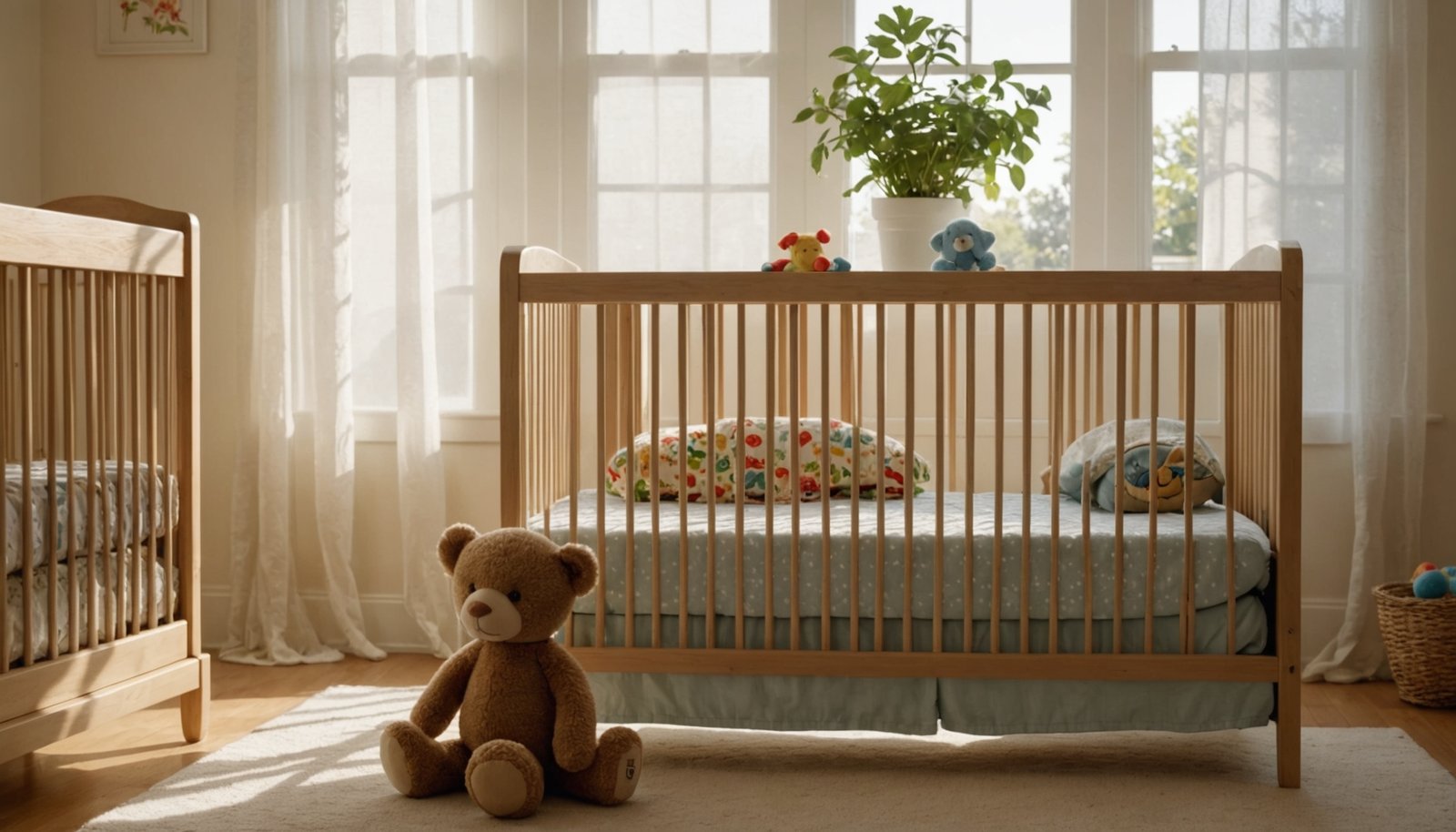
Although today’s termite treatments are far safer than older products, it’s still important to understand how these chemicals can affect breathing, brain development, and long‑term cancer risk—especially for babies and young children. Your child breathes more air per pound than you do, so any pesticide vapors or dust in your home can deliver a higher dose. Early-life exposure to insecticides and herbicides has been linked to increased asthma by age five, particularly when exposure happens in the first year. Because children and pets are more vulnerable to pesticide-related illnesses, it’s critical to prevent them from contacting recently treated areas or contaminated objects.
Inhaled termite chemicals can also affect the nervous system. Pyrethroid insecticides may trigger headaches, dizziness, or even seizures in extreme cases, and boys with certain pyrethroid breakdown products in urine show higher ADHD rates. Cancer concerns arise from long-term exposure, especially to older, persistent chemicals.
| Risk Area | Why Kids Are Vulnerable | Key Health Concerns |
|---|---|---|
| Breathing | Higher air intake | Asthma, airway irritation |
| Brain | Rapid brain growth | ADHD links, seizures |
| Cancer | Longer future lifespan | Leukemia, other cancers |
Which Termite Chemicals Are Riskiest for Young Children?
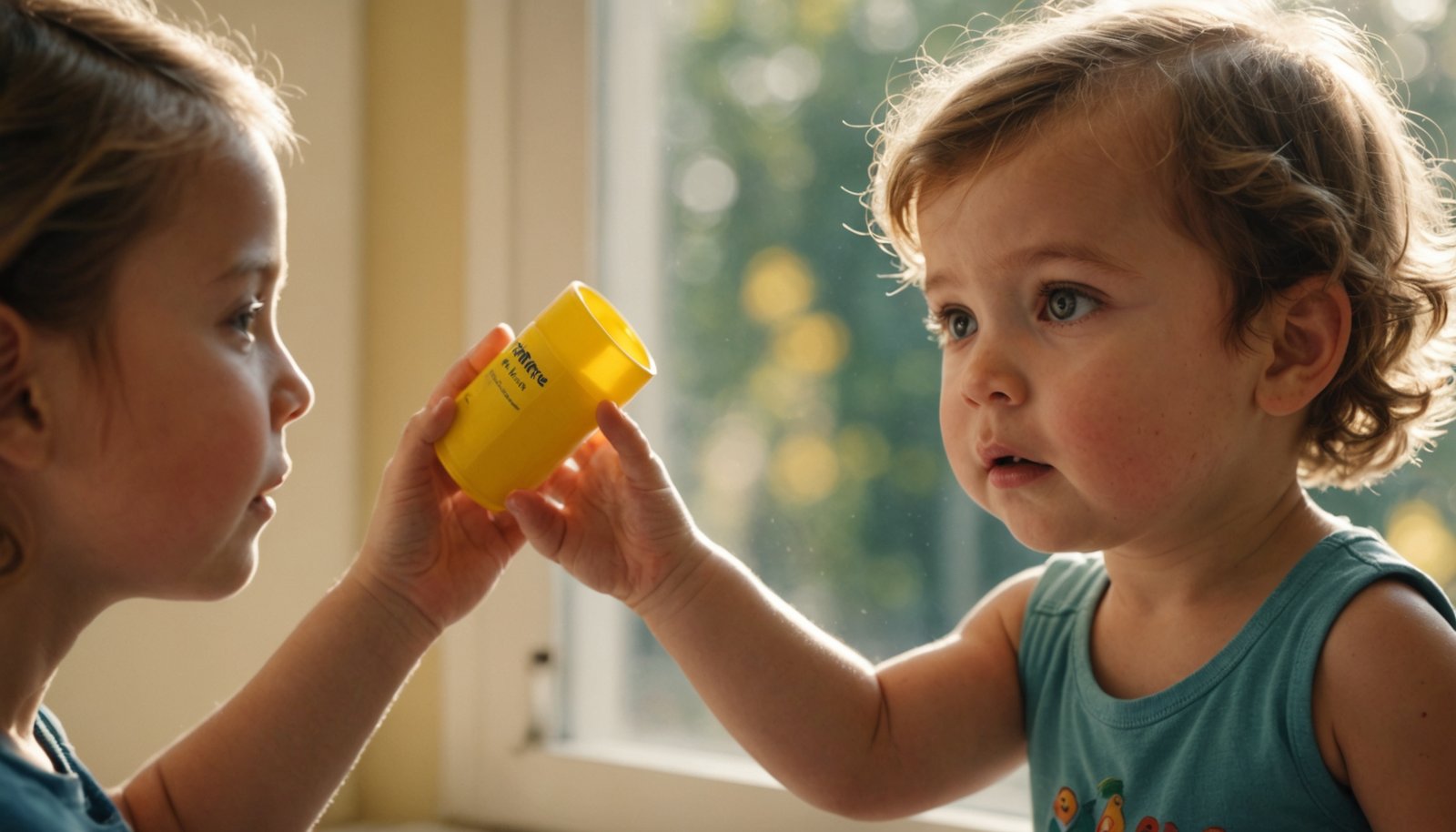
So which termite chemicals deserve the most caution around babies and young children? You’ll want to pay special attention to organophosphates and pyrethroids, arsenic trioxide, fumigation gases, and older chlorinated cyclodienes.
Young children absorb more through skin, lungs, and by mouthing objects, and their developing brains and immune systems can’t handle the same doses adults can.
- Organophosphates (like dichlorvos, acephate, malathion): in large amounts, they can trigger skin irritation, breathing trouble, and neurological symptoms. Chlorpyrifos is banned indoors for this reason.
- Pyrethroids (deltamethrin, cypermethrin, fenvalerate): often tied to poisoning cases in kids because they disrupt nerve cell function.
- Arsenic trioxide: injected into soil, it can linger as dust; kids may inhale or touch it and develop nausea, headaches, or rashes. Even after careful application, residual arsenic dust can remain in cracks, soil, and household surfaces where babies crawl and play.
- Fumigation gases (sulfuryl fluoride): odorless, irritating to airways; residues can settle on floors and toys.
- Chlorinated cyclodienes (like chlordane): older chemicals with long‑term cancer concerns from inhaled residues.
How to Make Termite Treatment Safer Around Kids
Knowing which termite chemicals pose the biggest risk to babies and young children is only half the battle; you also need a plan to control termites without turning your home into a hazard. Look for companies that advertise or specialize in child-safe termite control so you know their methods are designed with young families in mind.]
Start by asking for safer options: borate-based treatments on accessible wood, baiting systems with insect growth regulators in locked stations, localized heat for drywood pockets, and low-toxicity termiticides applied only where needed.
If you’re renovating or building, consider sand or stainless-steel mesh barriers for long-term, non-toxic protection.
Insist on precision. Have the pro perform a thorough assessment, use localized treatments, and place bait stations out of your child’s reach.
Ask how they’ll keep products off floors, cribs, play areas, and high-touch surfaces.
Before treatment, seal food, move toys and bedding out of treatment zones, cover surfaces, and protect dishes and utensils.
Confirm the company uses licensed applicators trained in child-safe application practices.
When to Call a Doctor and Choose Safer Termite Options
Because even small amounts of termite chemicals can affect a baby or young child more intensely than an adult, you need clear rules for when to call a doctor and how to pick safer treatment methods. Pests themselves can also pose health risks to babies by spreading allergens and disease, so completely ignoring an infestation is not a safe option.
If chemicals touch your child’s eyes, mouth, nose, ears, skin, or they might’ve swallowed or inhaled residue, call your pediatrician or poison control immediately and follow their guidance. Don’t wait for symptoms; a baby’s faster breathing and developing brain and organs make even minor exposures riskier.
Before any sprays, dusts, or DIY termite work, talk with your pediatrician. Until they clear a product or method, assume it’s unsafe for infants and toddlers, and keep them out longer than adults after treatment.
To reduce risk, ask your pest professional about:
- Non-chemical termite inspections and barriers
- Chemical-free extermination services
- Bait systems like Sentricon instead of sprays
- Child-inaccessible bait station placement
- Pediatrician-approved re-entry times
Conclusion
You don’t have to choose between protecting your home and protecting your child. When you understand which termite chemicals carry the biggest risks, you can ask better questions, push for safer options, and plan treatments around your baby’s routine. Use ventilation, barriers, and timing to cut exposure, and watch for any worrying symptoms afterward. If something feels off, call your pediatrician and speak up with your pest pro—your child’s safety always comes first.