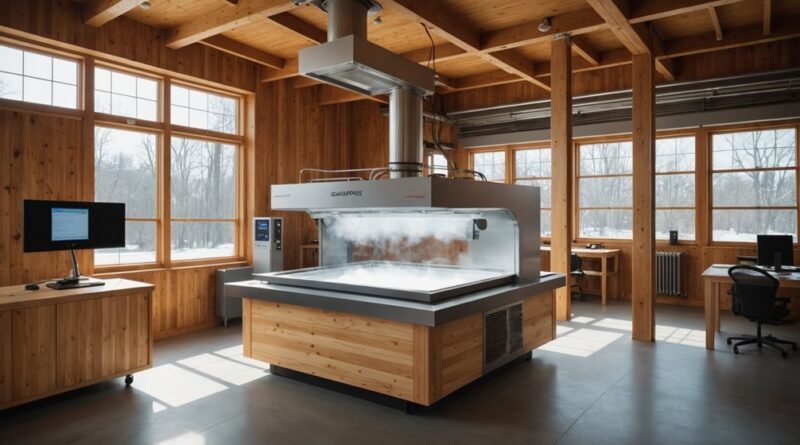
Heat Treatment for Termites: How It Works and What It Costs
Heat treatment for termites is a one-day, chemical-free process where pros seal your home and use industrial heaters to raise indoor temps to about 120–140°F, heating wood cores to around 130°F for 1.5 hours to kill all termite life stages. It’s best for drywood termites and whole-structure infestations. You’ll typically pay $1–$4 per square foot, or about $1,000–$6,000 for a home. Stay with this guide to see how it works, its limits, and cost comparisons.
Key Takeaways
- Termite heat treatment uses industrial heaters to raise infested areas to about 120–140°F, killing all drywood termite life stages in a single session.
- The wood core must reach roughly 130°F for at least 1.5 hours, with attics often pushed to about 135°F for added assurance.
- Treatment typically takes around 8 hours, is chemical-free, and allows homeowners to return the same day after cooling.
- Costs usually range from $1–$4 per square foot, with whole-home treatments commonly totaling $1,000–$6,000 depending on size and complexity.
- Heat treatment is fast and residue-free but lacks long-term protection, can miss termites in insulated or dense areas, and may risk damage to heat-sensitive items.
Is Termite Heat Treatment Right for Your Home?
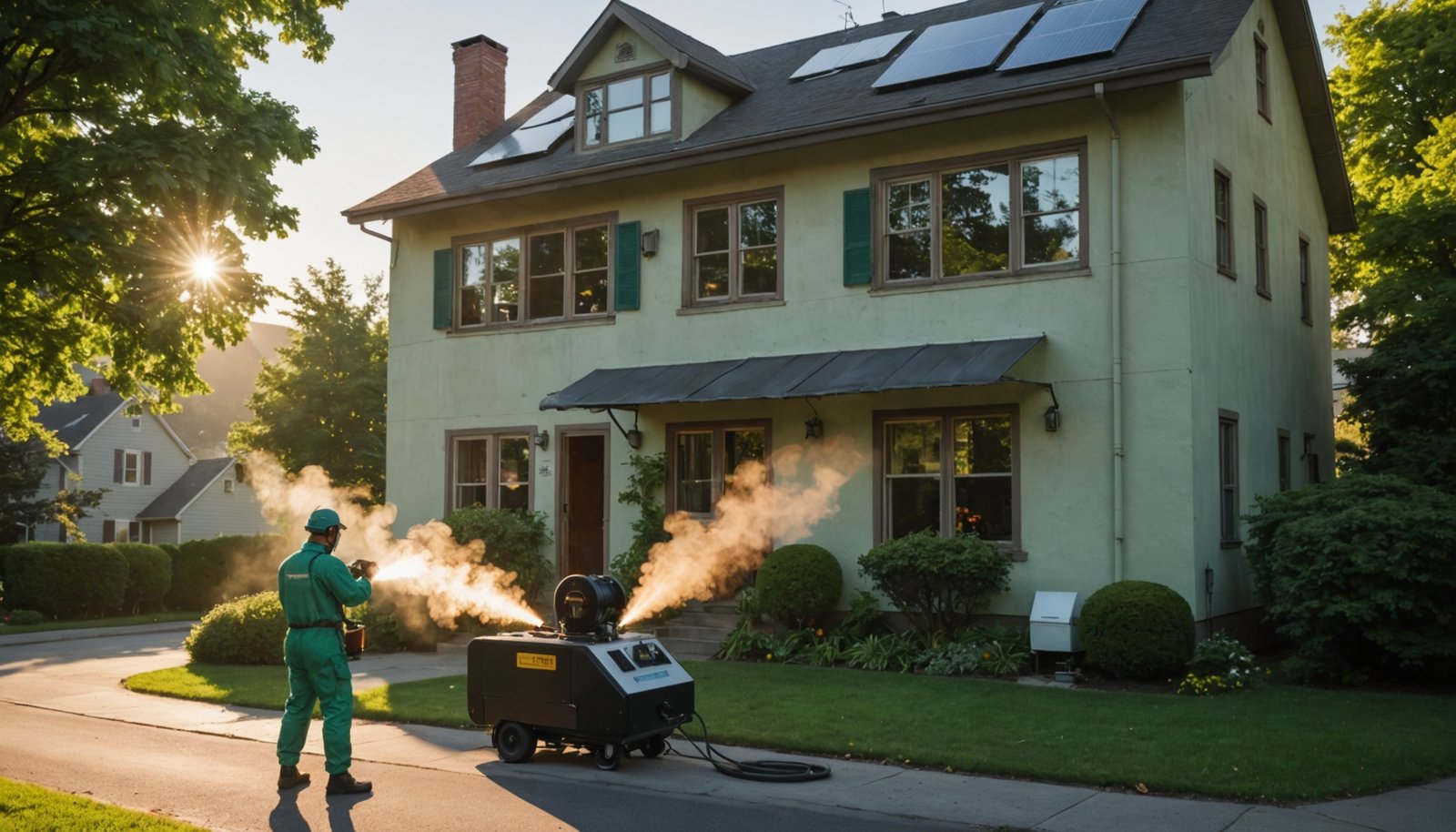
When you’re weighing termite treatment options, heat is most suitable if you’re dealing with drywood termites and want fast, chemical-free results. It’s designed to penetrate wood and hidden voids, reaching lethal core temperatures that kill termites in all life stages, including concealed colonies you can’t see. Miami ranks highest in the nation for termite infestations, making effective treatment options especially critical for South Florida homeowners.
Heat treatment penetrates wood and hidden voids, killing drywood termites fast—chemical-free and effective at every life stage.
You’ll benefit most if you have a drywood infestation throughout an accessible structure and you want it eliminated in a single visit. Heat’s ideal if you’d rather avoid chemical residues, protect pets and family members, and skip the multi-day evacuations required for fumigation.
However, it’s not the best choice for deep-wood subterranean termites or structures with major “heat sinks,” like large subareas that stay cool; survivors are more likely there.
You’ll also face a higher upfront cost and no residual protection, so follow-up inspections are essential. If safety, speed, and whole-structure coverage matter most, heat treatment’s a strong fit.
How Termite Heat Treatment Works (Step by Step)
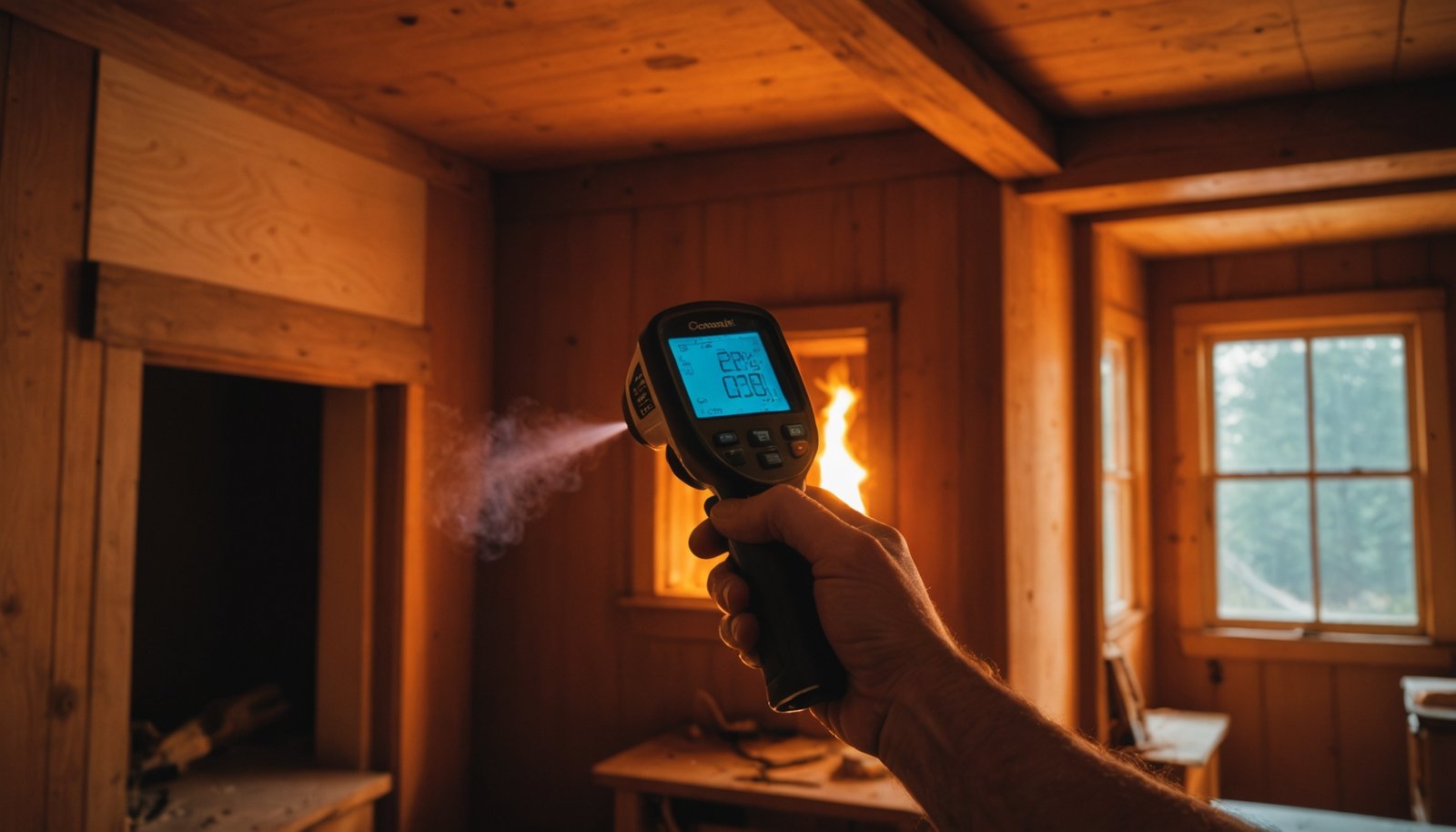
Although termite heat treatment relies on specialized equipment, the process itself follows a clear, controlled sequence that’s designed to drive lethal heat into every infested nook of your home. Your technician starts with a detailed inspection, mapping out termite hotspots, deciding between whole-structure or localized treatment, and noting heat-sensitive items that must be removed. This helps them determine how long the treatment will take, since larger structures and more severe infestations often require extended heating times.
Next, they prepare and seal your home. They’ll take out plants, pets, aerosols, and medications, then tent or tarp the structure, cover vents, and place temperature sensors and hot-air hoses.
| Step | Technician Focus | Your Role |
|---|---|---|
| 1 | Inspect and map colonies | Provide access everywhere |
| 2 | Remove / protect items | Clear heat-sensitive items |
| 3 | Seal and set equipment | Stay off-site |
| 4 | Verify results afterward | Walk-through if desired |
Industrial heaters then push hot air inside, raising air and wood-core temperatures. The crew monitors sensors, shifts hoses, and holds lethal levels long enough. Afterward, they unseal, let the structure cool, reinspect, and confirm it’s safe to re-enter.
What Temperature Kills Termites?
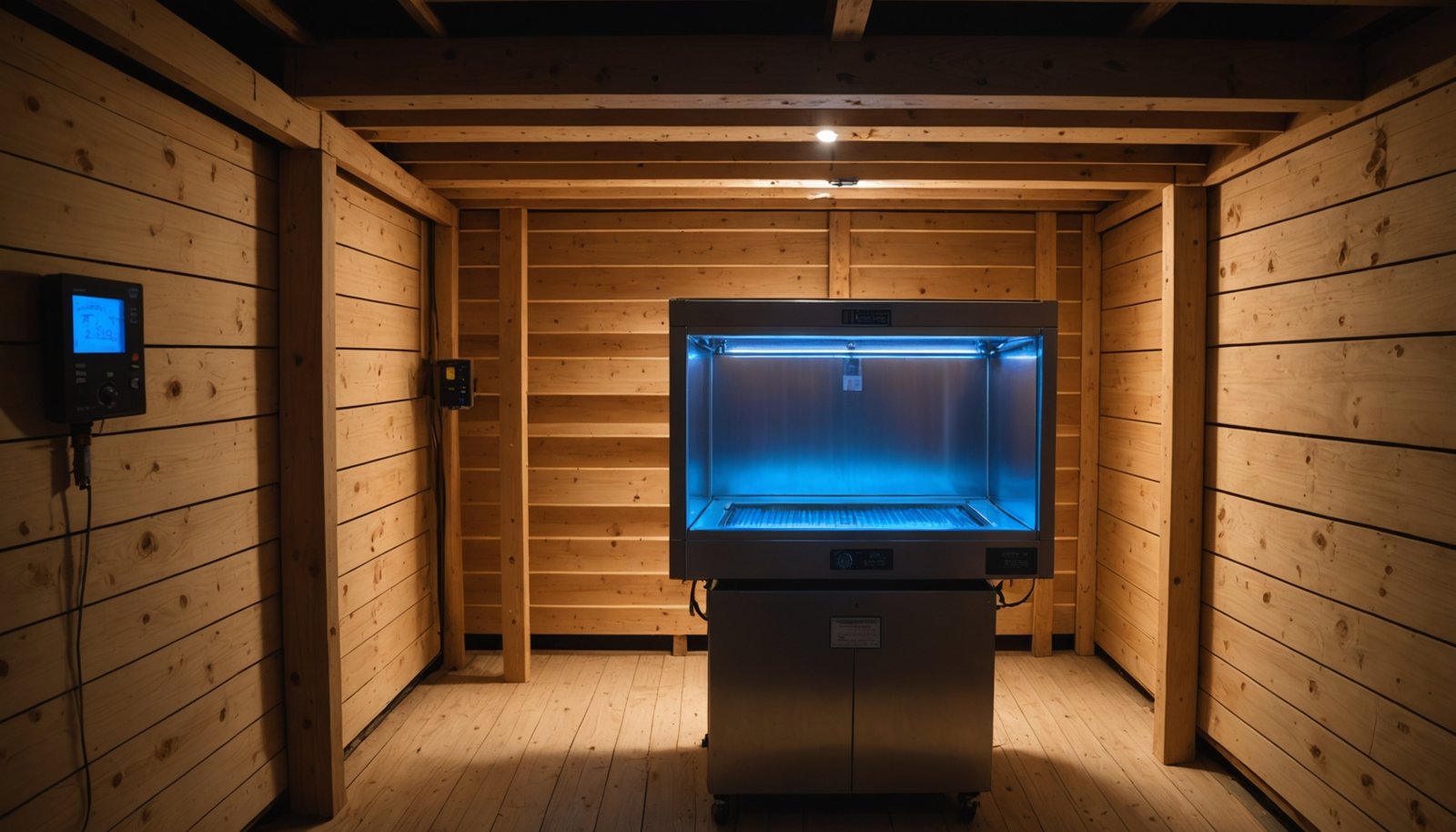
Even though termites seem fragile, they can withstand surprisingly tough conditions, so heat treatment has to reach very specific kill temperatures to work. Directly exposed termites die around 120°F, but that’s not enough when they’re hidden deep inside wood.
For structural treatments, you need the air in the treated zone raised to about 120–140°F so the wood interior can climb to lethal levels.
The real target is the wood core. When the center of infested lumber reaches about 130°F and holds there for at least 1.5 hours, you get a complete kill of workers, soldiers, reproductives, eggs, and pseudergates. This single treatment approach is eco-friendly and leaves no chemical residues behind in your home.
In attics, professionals often push wood temperatures to about 135°F and keep them there for 1–2 hours for extra assurance, especially near insulated or concrete areas.
One properly controlled heat session at these temperatures is enough to wipe out all life stages in the treated zone.
Pros and Cons of Termite Heat Treatment for Homes
When you’re deciding if termite heat treatment is right for your home, you’ll want to weigh its key benefits against its limits.
You’ll see how its chemical-free effectiveness and speed compare with challenges like lack of residual protection and difficulty reaching some colonies. Because heat must be applied uniformly, it can be less effective for large infestations or sprawling structures where consistent temperatures are hard to maintain.]
You’ll also consider cost and time factors, including upfront price, treatment duration, and potential savings in avoided repairs.
Key Benefits Of Heat
Because termite infestations can be both destructive and stressful, heat treatment stands out as a powerful option that offers several distinct advantages over traditional chemical methods.
It wipes out all termite life stages—eggs, nymphs, and adults—in a single visit, even in deep wood, wall voids, and tight crevices you can’t see. This thorough structural reach helps prevent ongoing hidden damage. By helping you avoid repeat visits and extensive structural repairs, heat treatment can be a cost-effective long‑term solution for many homes.
You also avoid pesticide residues in your home, making heat ideal if you’ve got kids, pets, or sensitivities to chemicals.
The process typically wraps up in about eight hours, so you can return the same day without paying for hotels or pet boarding.
Plus, heat can dry damp wood, lowering risks of mold, fungi, and future termite problems.
Important Treatment Limitations
Although heat offers powerful, chemical-free termite control, it’s not a perfect fit for every home or situation. You’re asking your house to endure 120°F–140°F, and that can damage electronics, plastics, IKEA‑type furniture, candles, cosmetics, and medicines if you don’t remove them first.
Untrained crews can also overheat delicate materials.
Preparation is another major drawback. You must empty every drawer, cabinet, and closet, move belongings, protect perishables, and remove pets, plants, and heat‑sensitive items.
Your home will look “ransacked” before heaters even turn on.
Heat also has performance limits. Insulated walls, hollow doors, dense cabinetry, and complex radiant‑heat systems can block uniform temperatures, leaving hidden colonies alive.
- Risk to valuables
- Exhausting prep
- Possible incomplete kill
Cost And Time Factors
Heat treatment doesn’t just carry practical limits—it also demands a serious look at your budget and schedule. Expect to pay about $1–$4 per square foot.
That’s roughly $1,000–$2,500 for average jobs, and $2,000–$6,000 for a 2,000 sq.ft. home. Larger homes over 2,500 sq.ft. can hit $5,000–$6,000 or more, while small, localized treatments cost much less.
On the plus side, you get speed. Technicians raise interior temperatures to 120°–140°F and usually deliver lethal conditions for termites within 35–60 minutes, without weeks of chemical waiting or follow-up monitoring visits.
Compared with other options, heat often costs more than liquid barriers but competes well with fumigation and bait systems, especially for larger, severe infestations.
When Termite Heat Treatment Doesn’t Work (And Why)
When heat treatment fails, it’s usually because hidden termite hotspots, heat sinks, and structural barriers never reach lethal temperatures.
Thick wood, tight joints, and blocked spaces can shield colonies, allowing some termites, eggs, or queens to survive.
Those missed termites can rebuild and reinfest your home within months, even after what seemed like a thorough treatment.
Hidden Termite Hotspots
Even with a well-designed treatment plan, heat can miss termites hiding in places you can’t easily reach or even see. They slip into foundation cracks, cold joints, tight crawl spaces, and sub‑slab heat ducts where lethal temperatures never quite arrive.
Unconventional additions, concealed plumbing penetrations, and radiant heat systems with foam board insulation create even more blind spots.
Insulated walls, hollow‑core doors, dense cabinetry, and thick beams can also shield termites. The surface may hit 120°F, while the core stays just cool enough for them to survive.
You feel most vulnerable when:
- You’ve paid for treatment and still see damage.
- You can’t visualize where termites might be hiding.
- You realize parts of your home never truly heated through.
Heat Sinks And Barriers
Those hidden pockets you can’t quite heat usually aren’t random—they’re created by what pros call heat sinks and by physical barriers inside the structure itself. Concrete slabs, tile floors, dense cabinetry, and heavy masonry soak up or block heat, so termites slip into cooler refuges while the rest of the room looks “on target.” In lab setups, termites survived unless temperatures hit about 49.6 °C for 2 hours inside those dense zones.
| Feeling | What You See | What It Really Means |
|---|---|---|
| Relief | Surface readings above 50 °C | Hidden voids may still be too cool |
| Frustration | Pellets after “complete” treatment | Heat never reached toe-kick voids |
| Determination | Extra prep, drilling, added sensors | You’re closing down those survival gaps |
Strategic barriers then help block future entry through slab cracks and penetrations.
Reinfestation And Missed Colonies
Although whole-structure heat can deliver impressive kill rates on paper, real houses introduce blind spots that let termites survive, regroup, or move back in.
Subareas where heat rises poorly, dense wall coverings, and deep wood cores can all stay below lethal temperatures. Those survivors keep eating, hidden behind a “successful” treatment.
Heat also leaves you with zero residual protection. Once the house cools, new swarmers or nearby colonies can move into those same vulnerable gaps, especially if you rely only on repellent termiticides that termites can skirt around.
You feel the risk most when:
- You’ve paid thousands and still see wings or mud tubes.
- You weren’t given thorough monitoring or follow-up.
- You discover the “reinfestation” was never fully eliminated.
Termite Heat Treatment vs Fumigation: Real Costs
When you compare termite heat treatment to fumigation, the “real cost” goes beyond the price of the service itself.
Up front, both options overlap: whole‑home heat usually runs $1,000–$2,500, while fumigation averages $1,200–$2,500 for a typical single‑family home, and up to $3,800 for 2,500 sq ft. Localized heat treatments can be as low as $500, or up to $2,500 for larger infestations.
Expect similar upfront prices: localized heat from $500, whole‑home heat or fumigation typically $1,000–$2,500
But you also pay with time, disruption, and risk. Heat treatment typically finishes in about 8 hours, and you can re‑enter that same day. Fumigation forces you out for 24–72 hours, often adding hotel, food, and pet‑boarding costs.
Heat uses no chemicals and leaves no residue, which matters if you’re chemically sensitive.
Fumigation uses lethal gas or fumigants and may require you to sign off on possible roof, plant, or exterior damage from tarping.
What Happens on Termite Heat Treatment Day?
So what does a termite heat treatment day actually look like from start to finish? Your crew arrives, walks the property, and reinspects to confirm where termites are hiding and how your home’s materials will handle high heat.
They’ll spot stubborn areas—like thick beams or packed cabinets—and plan around them using visual checks and devices like Termatrac.
Next, you’ll clear out heat‑sensitive items and small appliances so nothing warps or melts.
Technicians seal doors and vents, sometimes tent the structure, and run hoses, heaters, and thermal probes into walls, cabinets, and wood.
The emotional rollercoaster usually feels like:
- Anxiety as you lock the door and leave your home to the heat.
- Tension while interior temperatures climb to 135–200°F and stay lethal to termites.
- Relief when they remove equipment, ventilate, and later confirm your wood is quiet and termite‑free.
How to Choose a Termite Heat Treatment Provider
Heat treatment day shows you how powerful this method can be—but its success depends heavily on who performs it. Start by checking reputation: look for A+ Better Business Bureau ratings, strong Google and Yelp reviews, and a long-standing presence in your community. Ask neighbors who they’ve used and whether the job actually solved their termite problem.
Verify licensing and certification next. The company should hold a valid state Structural Pest Control Board license, plus certified applicators. Membership in groups like the National Pest Management Association adds credibility, and they should willingly show you licenses and pesticide labels.
Use this table to organize your research:
| Area | What to Check | Red Flag |
|---|---|---|
| Reputation | BBB grade, online reviews, longevity | Many unresolved complaints |
| Licensing | State license, certifications, NPMA | Won’t show documentation |
| Services & Costs | Inspection, options, written estimate | Vague methods, very low price |
Always compare multiple detailed estimates and clarify warranties in writing.
Conclusion
When you’re facing termites, heat treatment gives you a fast, chemical‑free way to wipe them out—when it’s done correctly. Now you know how it works, what it costs, and when it fails. Your next step is simple: compare heat vs fumigation for your situation, ask each provider tough questions, and demand a detailed plan in writing. Do that, and you’ll protect both your home and your wallet.