How Long Does a Termite Bond Last?
A termite bond usually lasts 1 year at a time, with the option to renew annually, but some bonds can extend 5–10 years depending on the treatment and company. Most homeowners end up with 1–2 year terms. Stronger treatments, local climate, and soil conditions can justify longer coverage. You’ll also see big differences between basic retreat-only bonds and repair-inclusive plans, and understanding those options helps you pick the right protection and know what to expect next.
Key Takeaways
- Most termite bonds are written for 1 year, with the option to renew annually.
- Some extended contracts can run 5–10 years, especially after robust liquid treatments or barrier systems.
- The most common effective coverage period for bonds falls within the 1–2 year range before renewal is needed.
- Local climate, soil conditions, and termite pressure influence how long a bond can reasonably and effectively last.
- Continuous annual renewal is crucial; if a bond lapses, you may need a full, more expensive retreatment to regain coverage.
How Long Does a Termite Bond Last?

When you sign a termite bond, it usually lasts one year, with the option to renew annually, though some contracts extend to 5–10 years depending on the treatment used and the company’s policies. Many termite bonds can also be transferred to new owners if you sell your home before the agreement expires.
Most bonds you’ll see fall in the 1–2 year range, but more robust treatments or barrier systems can justify longer terms.
Most termite bonds last 1–2 years, but stronger treatments or barrier systems can warrant longer coverage periods
Your climate and soil conditions play a big role in how long a bond makes sense. In hot, humid areas or regions with aggressive termite activity, companies may prefer shorter terms with more frequent inspections.
Local regulations and industry standards in your geographic area also shape typical contract lengths.
You’ll need to track your expiration date carefully. If you let the bond lapse, new infestations discovered after that point typically aren’t covered under the old agreement.
Longer-term bonds can sometimes offer better value over time than constantly renewing short-term contracts.
What Does a Termite Bond Actually Cover?
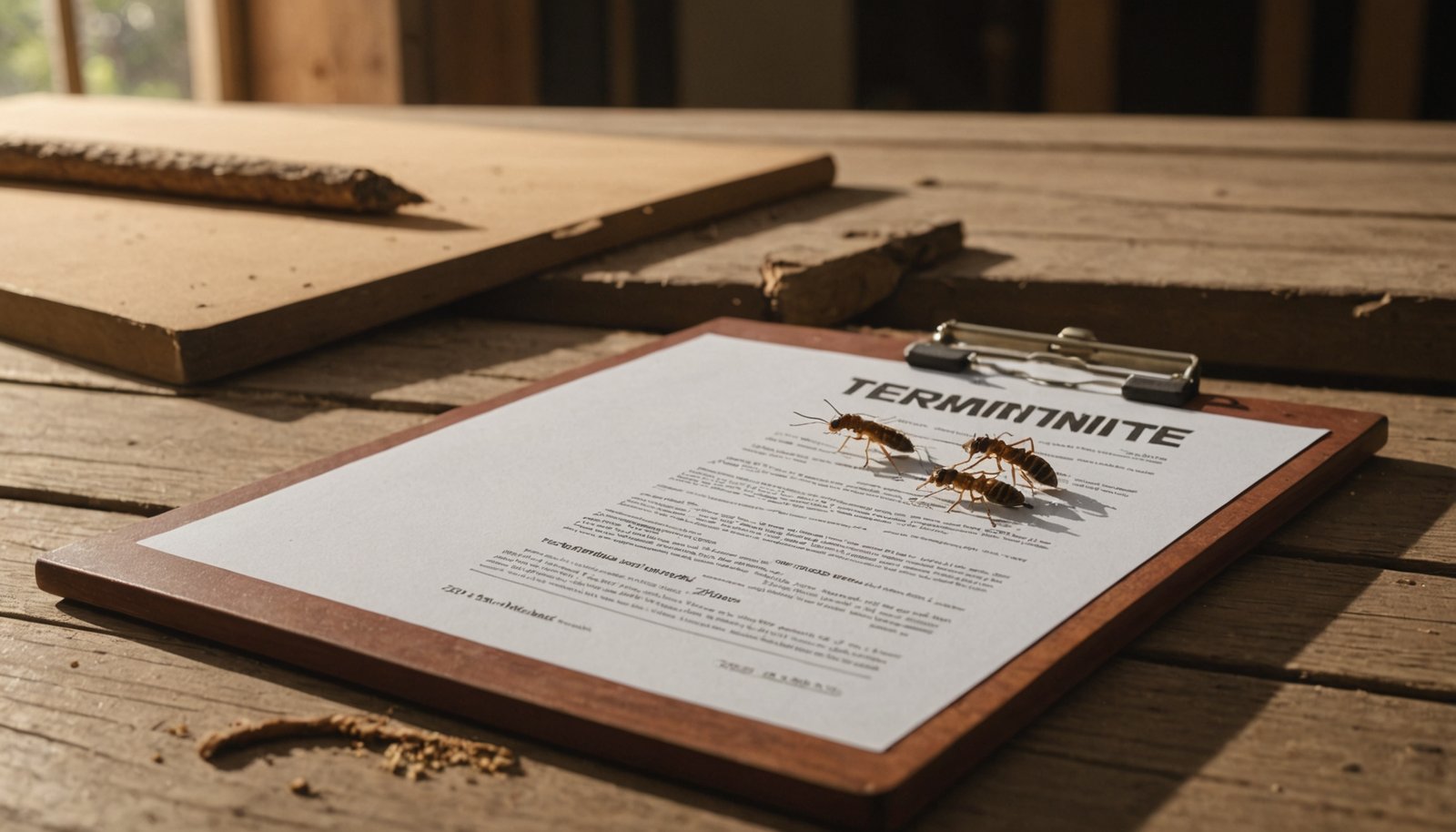
Knowing how long a termite bond lasts only matters if you’re clear on what you’re actually buying. A termite bond is fundamentally a service contract that shifts much of the financial risk of termite problems from you to the pest company. It typically covers inspection, treatment, and—depending on the agreement—some or all repair costs if termites damage your home. By maintaining and renewing your bond each year, you help ensure uninterrupted coverage and ongoing protection against new or recurring termite activity.
Here’s how the main coverage pieces usually break down:
| Coverage Area | What It Usually Includes | Key Limits/Conditions |
|---|---|---|
| Inspections & Prevention | Initial treatment plus required annual inspections | You must provide clear access to all areas |
| Retreatment Warranty | Free re-treatment if live termites return | Often limited to subterranean species |
| Repair Warranty | Payment toward structural damage repairs | Caps, deductibles, and strict eligibility apply |
Most bonds focus on subterranean termites, especially Eastern subterranean termites. Drywood or Formosan termites may be excluded or require separate coverage, so you’ll need to confirm exactly which species your contract names.
What Types of Termite Bonds Can You Get?

When you shop for a termite bond, you’ll usually choose between prevention-only coverage and repair-inclusive protection. Prevention-only bonds focus on inspections and retreatment if termites show up, but they leave you paying for any damage. Repair-inclusive bonds cost more, but they also help cover structural repairs if termites cause problems during the coverage period. Many prevention-only and repair-inclusive agreements are structured as annual termite bonds that require yearly inspections and renewals to keep coverage active.
Prevention-Only Termite Bonds
Although “termite bond” sounds like a single product, prevention‑only bonds actually come in several distinct forms, each focused on stopping termites before they cause structural damage.
Retreat‑only bonds pay for chemical re‑treatment when inspectors find new subterranean termite activity, but not for fixing any damage. They usually include an initial inspection, annual checkups of crawl spaces and foundations, and protection only where technicians can access and treat.
Service bonds act like a termite protection agreement: you get scheduled inspections, preventive spraying or baiting, and free re‑treatment if termites appear during the term. In North Carolina, these bonds must rely on approved methods that comply with NC Department of Agriculture & Consumer Services regulations.
Prevention bonds focus on barriers—liquid treatments like Termidor or Premise, bait systems such as Sentricon, and sometimes pre‑construction soil work—backed by yearly renewals and reapplications.
Repair-Inclusive Termite Bonds
Prevention‑only termite bonds focus on stopping infestations, but many homeowners want help paying for repairs if termites still get through.
Repair‑inclusive termite bonds add that financial protection, combining prevention, monitoring, and damage coverage. After the initial liquid termiticide barrier, you’ll typically get routine inspections and barrier “boosters” every 7–9 years to keep protection effective. In many states, these repair‑inclusive bonds are especially popular in high‑risk Termite Infestation Probability Zones where subterranean termites are most common.
Most repair‑inclusive options fall into a few categories:
- Limited repair warranties – More affordable coverage with caps (often $25,000–$250,000), tight exclusions, and proof‑of‑new‑damage requirements.
- Comprehensive repair warranties / repair bonds – Higher limits (up to $1,000,000), fewer exclusions, free retreatment, and strong structural repair support.
- Damage repair agreements – Often built into annual service, covering specified termite types and repairs up to $250,000 with photo‑documented inspections.
What Factors Affect Termite Bond Duration and Protection?
When you compare termite bonds, you’ll see that treatment type and method play a big role in how long your coverage realistically protects you.
A liquid barrier, a bait system, or a combination approach can each lead to different inspection schedules and bond terms.
Your location’s climate, soil conditions, and local termite pressure also influence how often you’ll need renewals and what level of protection makes sense.
Treatment Type And Method
Two of the biggest forces shaping how long your termite bond actually protects you are the treatment type and how it’s applied.
Liquid termiticides and soil barriers create a long‑lasting chemical shield in the ground, but they don’t wipe out existing colonies, so your bond usually depends on careful application and scheduled re-treatments.
Bait systems work differently: they target the colony itself, using slow-acting insecticide termites share. Your bond’s strength hinges on how consistently those stations are monitored and refreshed.
Fumigation offers fast, whole-structure knockdown, especially for drywood termites, but it has no residual power, so your bond typically layers in additional preventive treatments.
Common patterns you’ll see in strong bonds:
- Liquid barrier only
- Bait system only
- Integrated liquid + bait program
Location And Environmental Conditions
Even with the same treatment, where you live and the conditions around your home can dramatically change how long a termite bond actually protects you. Providers in different regions set bond lengths anywhere from 1 to 10 years, and some even offer lifetime or builder-issued transferable bonds where required by local rules.
In warm, termite-heavy areas like Florida—especially South Florida—you’ll usually see stronger inspection and renewal requirements, sometimes quarterly instead of just annually.
High moisture, certain soil types, and frequent soil disturbance can shorten how long liquid barriers last and force earlier retreatment. Bait systems may need more frequent monitoring and refilling in high-pressure zones.
Your climate, soil, and regional termite activity ultimately drive inspection schedules, treatment reapplication, and bond renewal timing.
How Termite Bond Renewal Works (And Why It Matters)
Although a termite bond might seem like a “set it and forget it” service, its protection only stays in force if you renew it on schedule. Renewal usually happens once a year. You’ll receive an email or mailed notice with a link to your provider’s portal, where you log in with your account number and password, pay the renewal fee, and apply your electronic signature and initials to confirm the updated agreement.
After payment, the company schedules an inspection to confirm your home’s still termite‑free and that the original treatment remains effective. Technicians typically perform a visual check for damaged wood, mud tubes, and live termites. They’ll point out any moisture or landscaping issues that raise your risk.
If you let the bond lapse, you often face a full new treatment at a much higher cost before coverage can restart. Staying current keeps your protection continuous and your expenses predictable.
- Annual renewal protects coverage
- Inspections find problems early
- Continuous bonds avoid costly retreatments
Termite Bond Costs, Transferability, and How to Choose
Before you sign a termite bond or renew an existing one, it pays to understand what you’re buying: how much it costs over time, whether it transfers to a future buyer, and how to compare competing plans.
Initial pricing depends on coverage length, treatment depth, prevention options, and transferability. Liquid treatments usually cost more upfront but can protect 5–10 years, lowering long‑term expense. Bait systems shift costs into ongoing monitoring visits and renewals, which often rise after a claim.
Transferability matters for resale. Builder-issued bonds typically transfer, confirming that pre‑construction treatments and barriers were applied. You’ll want written terms that spell out treatment type, coverage duration, and new‑owner eligibility.
When choosing, compare transferable vs. non‑transferable options, and whether they cover treatment only, repairs, or full prevention/treatment/repair.
Check response times, chemicals used, limits, exclusions, and retreatment triggers, and favor established providers offering strong repair guarantees—sometimes up to $1,000,000.
Conclusion
A termite bond isn’t just paperwork—it’s your long-term defense against costly damage. When you understand how long coverage lasts, what’s included, and how renewals work, you can protect your home with confidence. Compare bond types, costs, and transfer options so you’re not stuck with surprise repairs later. By choosing the right termite bond and keeping it active, you’ll stay ahead of infestations and safeguard your home’s value for years to come.