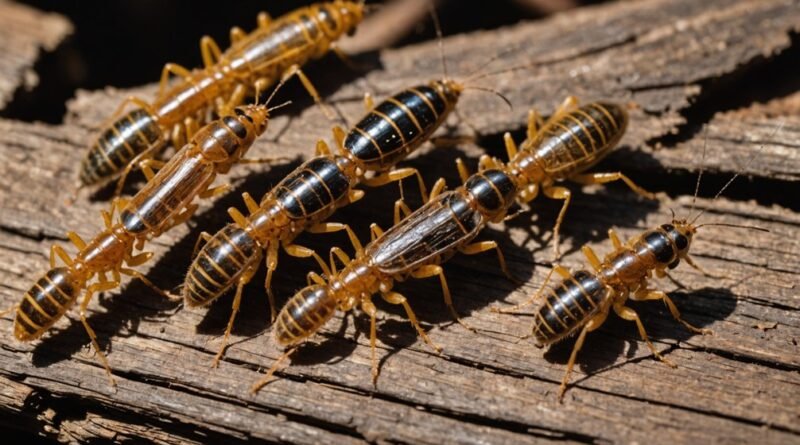
Types of Termites Found in the US: A Complete Species Guide
In the U.S., you’ll most likely deal with subterranean termites, which build mud tubes from soil to wood. Formosan “super termites” form huge colonies and can destroy structures rapidly. Drywood termites live entirely inside dry wood and leave sand-like frass pellets. Dampwood termites target wet, decaying wood around leaks or rot. By spotting tubes, wings, frass, and moisture issues, you’ll quickly zero in on your termite type—and you’re about to see exactly how.
Key Takeaways
- Subterranean termites, the most widespread in the U.S., build mud tubes from soil to wood and require moisture for survival and feeding.
- Formosan termites are aggressive “super termites” with huge colonies, long foraging ranges, and can severely damage structures within a few years.
- Drywood termites live entirely inside dry, sound wood, produce pellet-like frass, and do not build mud tubes or require soil contact.
- Dampwood termites infest moist, decaying wood associated with leaks or rot, creating smooth galleries plugged with damp feces.
- Identifying species by habitat, damage patterns, caste appearance, and swarming behavior is essential for choosing the correct treatment strategy.
Why Identifying Your Termite Type Matters for Treatment
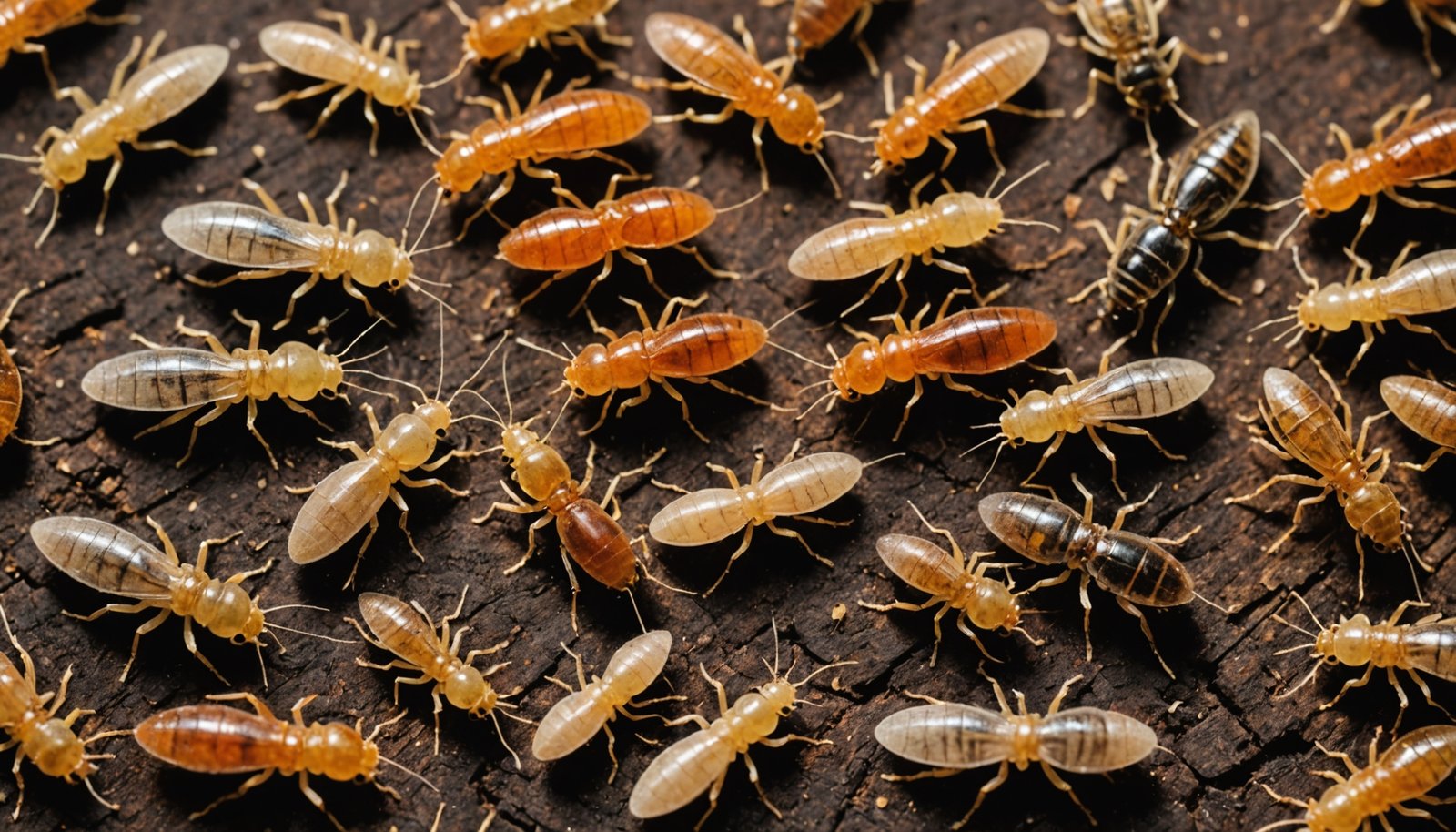
Before you choose a treatment plan, correctly identifying which termite species you’re dealing with is non‑negotiable, because every major termite type in the US requires a different control strategy.
If you get the species wrong, you’ll likely see repeated treatment failures, mounting retreatment visits, and an infestation that never truly goes away. Misidentification can also trigger damage claims or lawsuits, especially when structural losses continue after “completed” work. Proper pest identification also builds customer confidence and helps avoid cancellations caused by repeated, ineffective treatments.
Each termite group responds to different tools.
Each termite species reacts differently to treatment tools—so species‑level ID is the key to real control
Eastern subterranean termites need soil-focused treatments, while drywood termites hidden entirely in wood ignore soil drenches.
Dampwood termites often respond best when you correct moisture problems and target affected wood.
Formosan termites and conehead termites are even higher‑risk: they spread faster, cause accelerated damage, and demand aggressive, species‑specific containment.
When you match the treatment and prevention plan to the exact termite type, you control colonies faster, reduce liability, and avoid wasting money.
How to Tell Which Termite Species Is in Your Home
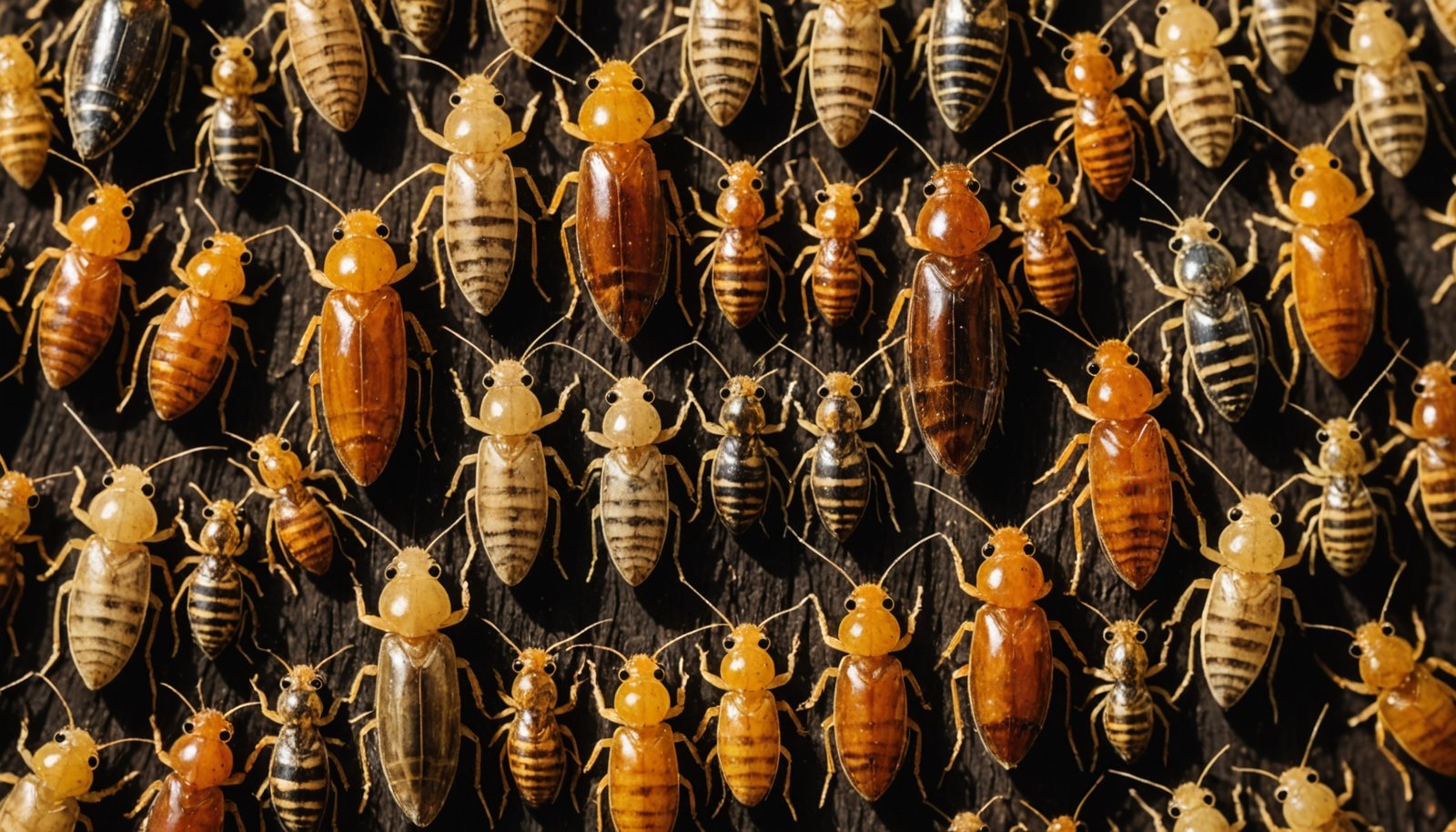
To figure out which termite species you’re dealing with, you’ll start by examining the visible signs and damage they leave in wood, walls, and around your foundation. You’ll then look closely at the swarmers and soldiers themselves, since their body shapes, colors, and wings offer strong identification clues. Recognizing small piles of frass pellets near damaged wood can also help you distinguish certain termite species from others. Finally, you’ll factor in where you live, because regional patterns can narrow down whether you’re facing subterranean, drywood, or another termite type.
Visible Signs And Damage
Although different termite species can look similar at a glance, they leave behind distinct clues in how and where they damage your home. Subterranean termites usually stay hidden, reaching wood through pencil-thin mud tubes on foundations or piers and leaving wood hollow, buckled, or water-stained. Swarmers emerging indoors—especially in spring as temperatures rise—are another key sign that a termite colony may already be established in your home. Drywood termites live entirely in the wood they eat, so you’ll often see crisp, pellet-like frass, blistered surfaces, and papery-sounding walls.
Formosan termites build dense mud nests inside walls and can pack damaged wood with soil while rapidly attacking siding and plaster.
You can narrow down the species by watching for:
- Mud tubes or interior mud nests
- Frass pellets vs. fine termite dust
- Blistered paint, warped floors, or sagging frames
- Discarded wings near windows, doors, or lights
Identifying Termite Castes
Once you’ve spotted possible termite activity, the next step is figuring out which caste you’re seeing, because that’s the key to telling species apart.
Start with workers: they’re soft, creamy white to translucent, about 1/4–3/8 inch long, with straight antennae and no wings. You’ll rarely see them in the open because they stay in wood or mud tubes. Early recognition of worker termites helps you catch infestations before they cause extensive structural damage.
Soldiers are easier to spot. Look for a darker, hardened head; in subterranean species, it’s distinctly rectangular.
Formosan soldiers have oversized dark jaws that cross in an “X,” while some species have plug-shaped or sharply pointed mandibles.
Reproductives (swarmers) are winged. Ignore color and focus on wings: two dark veins along the top edge, and in Formosans, fine hairs along those veins.
Regional Species Clues
Spotting workers, soldiers, or swarmers gives you a starting point, but where you live and what the damage looks like often finishes the ID. In most states, mud tubes climbing your foundation mean subterranean termites. [Subterranean termites are found in most U.S. states, so seeing these tubes in cooler or northern regions strongly points to a subterranean infestation.]
In the Southeast, Texas, California, or Hawaii, evening swarms of brown alates with equal wings and hairy veins suggest Formosan termites, especially if you see carton-like mud nests inside walls.
In coastal southern states, drywood termites leave gritty frass pellets and hollow-sounding trim or furniture, with no mud tubes.
In Florida, plug-headed soldiers in furniture point to powderpost drywood termites.
- Check geography first, then damage pattern
- Use wing veins to separate Formosan from drywood
- Look for mud tubes versus clean wood galleries
- Examine soldier head shape outside swarm season
Subterranean Termites: The Ones You’re Most Likely to Have
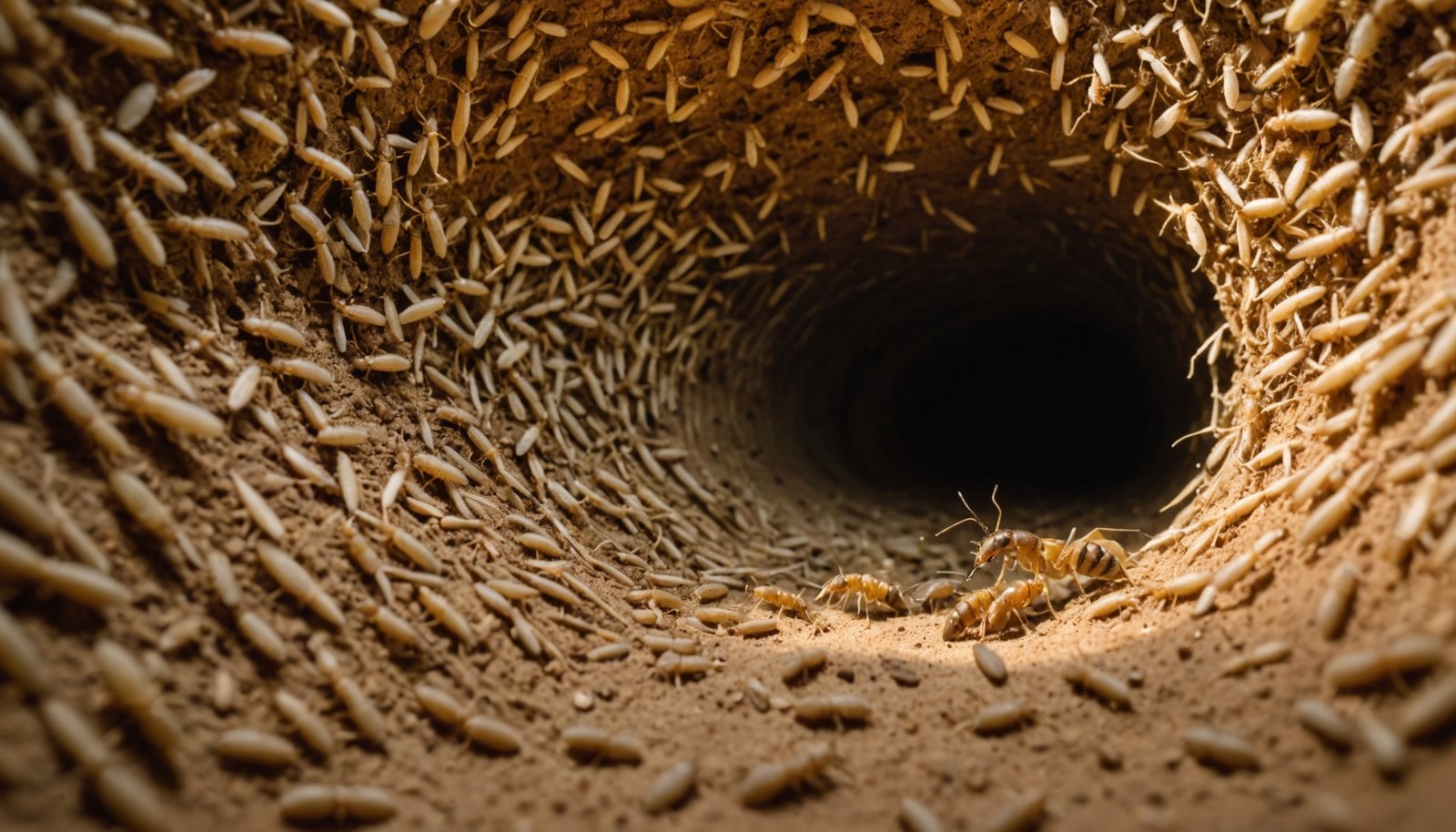
You’re most likely to deal with subterranean termites, so it pays to recognize what they look like and how they behave.
In this section, you’ll see how to identify them, where in the U.S. they’re most common, and what kinds of damage they cause.
You’ll also learn the key warning signs that suggest they’re active in and around your home.
Identifying Subterranean Termites
Among all the termites in the U.S., subterranean termites are the ones you’re most likely to find in and around your home, so knowing how to recognize them is essential.
You’ll usually first notice winged reproductives: dark brown to nearly black, about 3/8–1/2 inch long, with milky or brownish‑gray wings that they shed after swarming.
Workers look creamy white, soft‑bodied, and wingless; soldiers have light caramel bodies, long narrow amber heads, and big jaws but no eyes. None have the “pinched” waist you see on ants.
You’ll also spot their behavior and damage:
- Fragile, earth‑hardened mud tubes on foundations or walls
- Weak, fluttering swarms near lights, windows, and doors
- Wood that sounds hollow, with damage following the grain
- Soil or light‑brown material packed inside galleries
Where They’re Found
Even though dozens of termite species live in the U.S., subterranean termites are the ones you’re most likely to face because they’re nearly everywhere. They occur in every state except Alaska, living in soil below the frost line, above the water table, and often many feet deep.
They’re especially dense in warm, moist areas—southern and southeastern states, forested zones, and riverside lowlands.
Eastern subterranean termites dominate most of the country, from the Atlantic coast across much of the West and into southern Canada. In Massachusetts, they’re the only termite pest species.
In drier western regions, arid land subterranean termites stretch from the Pacific into the Rockies and Midwest, even above 7,000–8,000 feet.
Formosan and Asian subterranean termites stay confined to hot southern and coastal states.
Damage And Warning Signs
Four reliable clues help you spot subterranean termites before they cause severe structural trouble: mud tubes, hollow-sounding wood, discarded wings, and subtle changes in how your home looks and feels.
Pencil-sized mud tubes climb foundations, piers, and crawl-space walls, linking soil to wood and keeping termites moist and hidden. If tubes rebuild after you scrape them, the colony’s active.
Tap suspicious boards; if they sound hollow or feel soft, termites may have eaten them from the inside out, weakening floors, frames, and cabinets.
Piles of identical, shed wings near windows, doors, and lights reveal swarmers that have started a new colony.
- Watch for warped floors and sticking doors
- Probe blistered wood
- Log new cracks, bubbles, or pinholes
- Schedule professional inspection
Formosan Termites: The “Super Termite” and Its Damage
Their real threat comes from sheer numbers and feeding power. A typical colony has around 350,000 workers, but mature colonies can reach several million.
They can forage 100 feet from the nest, often setting up multiple colonies near your home. A mature colony may eat over an ounce of wood a day, destroying about a foot of 2×4 in under a month—enough to severely damage an unprotected house within two years.
Drywood Termites: How to Spot Above-Ground Infestations
One of the trickiest termite threats you’ll face above ground is the drywood termite, because it can live its entire life hidden inside sound, dry lumber. You won’t see mud tubes; instead, you’ll spot subtle clues in walls, trim, furniture, and attics—especially in warm southern coastal states.
Learn to recognize their castes. Workers are tiny, cream to light brown, about 3/16 inch long. Soldiers reach up to 5/16 inch, with blocky heads and heavy mandibles. Swarmers are larger—about 1/2 inch—with thick waists, straight antennae, and four equal wings that break off soon after flight.
You’re most likely to notice:
- Small, rice-like fecal pellets (frass) piling beneath pinpoint kickout holes.
- Hollow-sounding wood, bubbling paint, or doors and windows that suddenly stick.
- Smooth, clean internal galleries when damaged wood is opened.
- Seasonal summer–fall swarms and discarded wings around lights and window sills.
Dampwood Termites: When Moist or Decayed Wood Draws Them In
While drywood termites quietly hollow out perfectly sound boards, dampwood termites move in only when moisture has already started the damage. You’ll find them in wet, decaying wood: fence posts in soggy soil, rotting stumps, water‑logged decks, or structural timbers around chronic leaks. They don’t need soil or mud tubes because they nest completely inside the wood they eat.
They’re big: workers (pseudergates) reach ¾–1 inch, soldiers have massive jaws, and alates fly strongly at night, swarming around porch lights in late fall or winter. Inside wood, they excavate smooth galleries, plug openings with damp feces, and leave timber sounding hollow but looking intact.
| Feature | What You’ll Notice | Why It Matters |
|---|---|---|
| Size & color | Large, cream to reddish-brown termites | Distinguishes them from smaller species |
| Moisture demand | Always linked to leaks, rot, or drainage issues | Signals hidden water damage |
| Damage pattern | Weakened beams, dull sound, concealed galleries | Serious structural risk over time |
Conclusion
Now that you know the main termite types in the U.S., you can spot the warning signs faster and choose the right treatment. Don’t ignore tiny clues—frass, mud tubes, or damaged wood can signal a growing colony. If you’re unsure which species you’re dealing with, call a licensed pro for an inspection. Acting quickly helps you protect your home’s structure, prevent expensive repairs, and keep termites from coming back.