
Termite Bonds and Warranties: What Homeowners Should Know
Termites cause an estimated $5 billion in property damage across the U.S. every year, and standard homeowners insurance covers none of it. Termite bonds and warranties are the two protection tools homeowners use to manage that financial exposure. This guide explains how each works, what customers can expect from coverage and renewal, and what to ask pest control companies before signing a contract.
Key Takeaways
- A termite bond is a service contract providing annual inspections and guaranteed retreatment at no extra cost if termites return.
- A termite warranty adds repair coverage for structural damage caused by termites, up to defined financial limits.
- Both require annual renewal and inspection to stay valid. Letting coverage lapse increases reinstatement costs.
- Termite bonds are transferable in most cases and are often required by lenders for FHA and VA loan approvals.
- The duration, scope, and exclusions of any contract vary significantly between pest control companies and locations.
What Are Termite Bonds and Warranties?
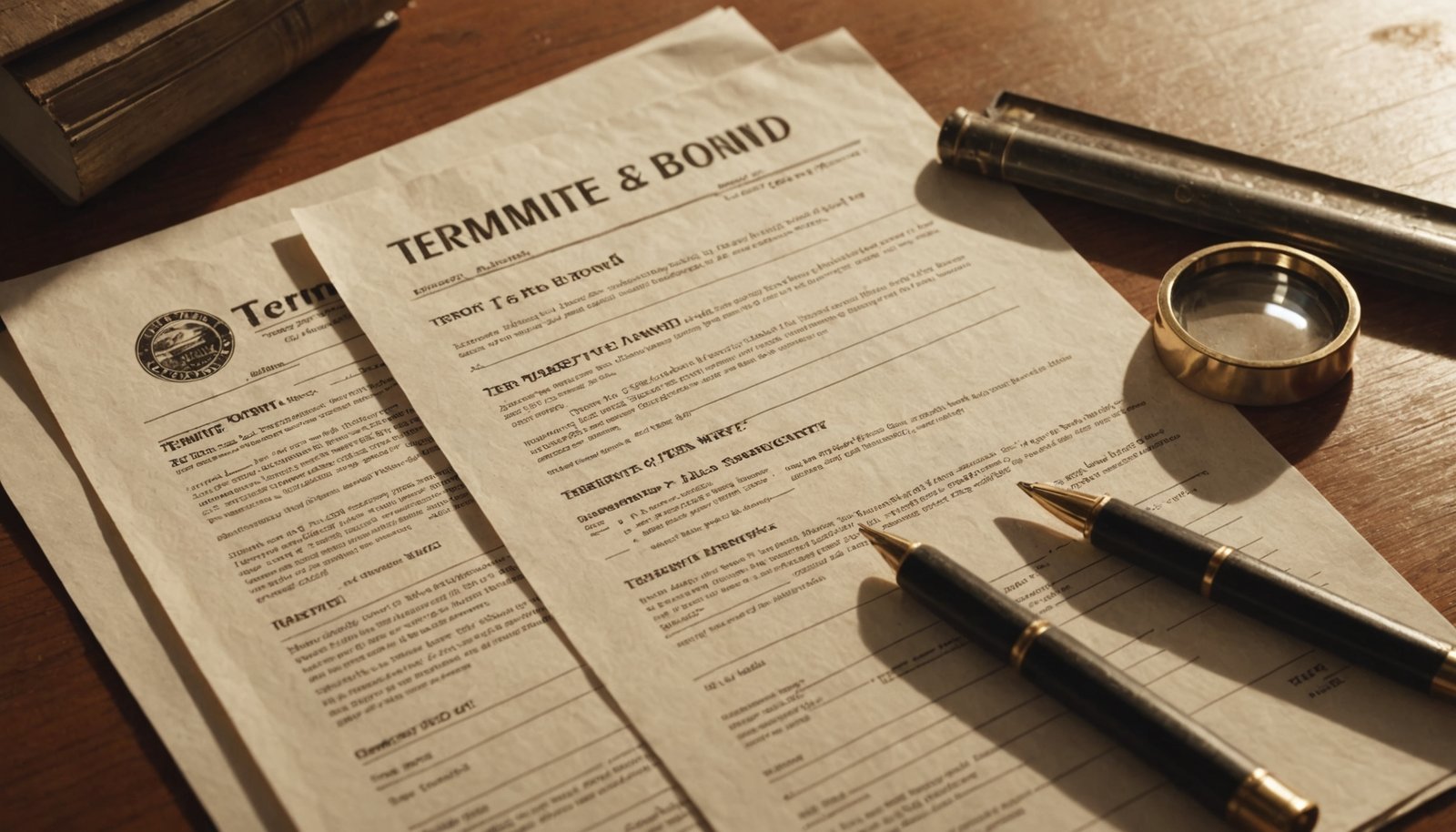
Termite bonds and warranties are formal contracts between a homeowner and a licensed pest control company. Both provide ongoing protection against termite infestations, but they differ in the liability they cover. A termite bond is a service agreement focused on inspections and retreatment. A termite warranty extends that coverage to include structural repairs when termites cause damage to homes. Understanding the difference helps homeowners choose the right level of protection for their property and location.
What Is a Termite Bond?
A termite bond is a service contract in which a pest control company commits to annual inspections and retreatment at no additional cost if termites return between visits. It generates a termite inspection report – also called a WDI report or termite letter – which lenders and real estate attorneys require as documentation that a property is free of active infestation. Bonds are one of the most widely used forms of termite protection across the U.S., particularly in high-risk states like Virginia, North Carolina, South Carolina, Tennessee, and Maryland.
How a Termite Bond Works
A licensed technician performs an initial inspection, establishes a treatment baseline using liquid termiticides, bait, or bait stations, and then maintains the bond through annual revisits. Each visit produces updated documentation. If termite activity appears between scheduled visits, the pest control company returns to provide retreatment services at no extra charge. The bond does not cover structural repair costs unless it is specifically a repair bond – a distinction homeowners must confirm before signing.
Types of Termite Bonds
Termite bonds fall into two main types. A retreatment-only bond covers the extermination services themselves if termites return, but leaves all repair liability with the homeowner. A repair bond – sometimes called a complete bond – covers both retreatment and structural damage repairs up to a defined coverage limit. The difference in annual cost between these two types is typically $200 to $500, but the financial liability the homeowner retains in a retreatment-only plan can be tens of thousands of dollars if significant damage occurs.
What Is a Termite Warranty?
A termite warranty provides broader assurance than a standard bond. It functions more like an insurance policy, covering both retreatment and structural repairs when termites cause damage. Coverage types and limits vary by pest control company and plan tier. Extensive termite warranties can cover wood framing, flooring, and other structural components up to $250,000 in repair costs. Annual inspections are still required to keep the warranty valid, and most plans specify which areas of the structure are covered versus excluded.
Repair Coverage vs. Retreatment-Only
The most consequential decision when selecting termite protection is whether to include repair coverage. A retreatment-only plan gives customers the assurance that retreatment will be handled – but the full cost of fixing damaged wood and structural framing remains with the homeowner. A repair warranty transfers that liability to the pest control company up to the plan’s stated limits. Given that termite damage repair costs range from $3,000 to over $100,000, and homeowners insurance does not cover this exposure, the type of coverage selected has significant long-term financial consequences.
Coverage, Costs, and Exclusions
What’s Included in Each Plan
Regardless of bond or warranty type, most contracts include: an initial inspection and treatment, annual renewal inspections by a licensed technician, retreatment at no extra cost if termites return, and ongoing documentation including the WDI report needed for real estate transactions. The size of the home, its location, and the termite treatment form used (liquid barrier, bait system, or combination) all affect the annual cost. A standard retreatment bond typically costs $300 to $1,000 per year. Comprehensive repair warranties average $500 to $2,500 annually.
Common Exclusions to Know
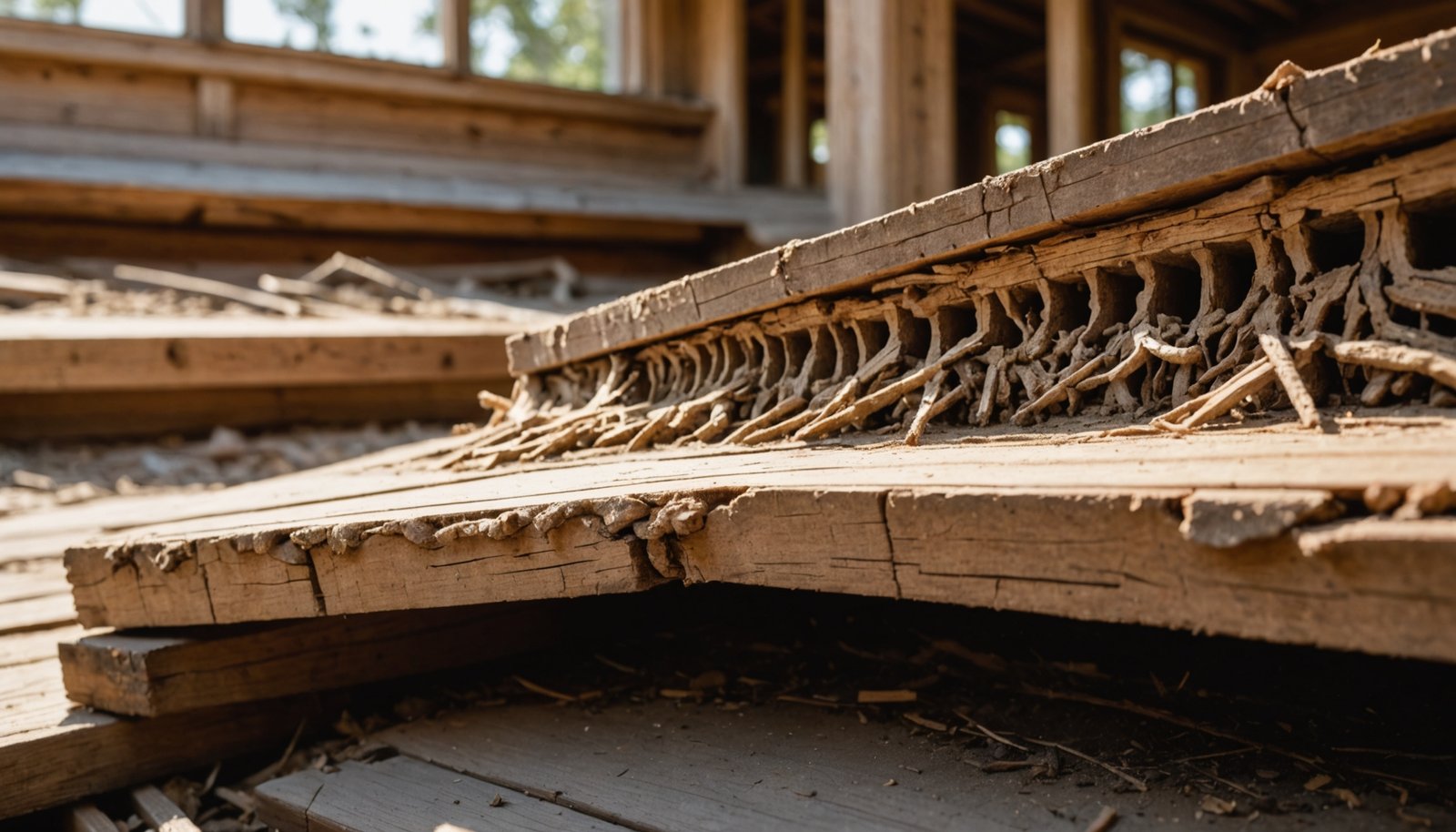
Before signing any termite contract, homeowners need to understand what is not covered. Pre-existing damage is almost universally excluded. Above-ground infestations that form independently of soil contact – common with drywood termites – may fall outside coverage depending on the specific treatment form and contract terms. Inaccessible areas such as wall voids blocked by construction or crawl spaces that cannot be safely entered are typically excluded from both inspection and coverage liability.
When Coverage Is Voided
Making structural changes that prevent proper future inspection can void an existing bond or warranty. Failing to schedule the mandatory annual inspection is the most common reason customers lose their coverage. Letting a bond lapse – even for one renewal cycle – typically requires a new full inspection and may result in higher reinstatement costs, particularly if new termite activity or hidden structural damage is discovered. Homeowners should treat the annual renewal as non-negotiable to maintain uninterrupted protection.
Renewal, Transfer, and Real Estate Transactions
Annual Renewal Requirements
Both termite bonds and warranties require annual renewal to remain in effect. The renewal process involves a mandatory inspection in which a technician physically checks all accessible areas of the structure, examines bait stations if installed, and updates the termite letter documentation. Customers should mark renewal dates and set reminders well in advance. The duration of a standard bond contract is typically 12 months, renewing annually as long as the inspection is completed and the renewal fee is paid on time.
Transferring Coverage During a Home Sale
Termite bonds add direct value in real estate transactions. An active bond means the termite inspection report required by lenders is already on file, which simplifies the closing process for both sellers and buyers. Sellers who let their bond lapse often discover this problem only at closing, when lenders require a new inspection and potentially remediation before the transaction can proceed.
Most termite bonds are transferable to a new homeowner – buyers inherit ongoing protection and documented pest control history without starting a new contract from scratch. Termite warranties vary more in their transferability terms. Some pest control companies charge a transfer fee; others require a new inspection. Homeowners should confirm transferability with their provider before listing and include all documentation in their sale disclosures.
Lender Requirements by Loan Type
VA loans in 39 states mandate a clear termite inspection report as a condition of closing – this requirement applies regardless of the seller’s preferences. FHA and most conventional lenders require the WDI report as well. An active termite bond satisfies these requirements directly. Buyers using any of these loan types should request a copy of the seller’s termite bond documentation early in the transaction to avoid delays.
How to Choose and What to Ask
Choosing between termite bonds and termite warranties comes down to risk tolerance and financial exposure. In high-risk locations – particularly across the Gulf South, the Southeast, and states like Virginia and Maryland where subterranean termite colonies remain active year-round – comprehensive repair coverage is worth the additional annual cost. In lower-risk regions or newer structures already under active barrier treatment, a retreatment-only bond may be sufficient.
Questions to Ask Pest Control Companies
Before signing any termite bond or warranty, request this specific information from any pest control company you’re evaluating:
- What types of termites are covered and are drywood species included in the contract?
- What is the full scope of repair coverage – which structural components are included and what is the dollar limit?
- What are the specific exclusions, particularly for inaccessible areas and above-ground infestations?
- What is the duration of the initial contract and what does the annual renewal inspection include?
- Is the bond transferable, and if so, what fees or inspections are required at the time of transfer?
- Does the plan include pest control services between annual visits if termite activity is reported?
- What is the claims process and what documentation is required to initiate a repair coverage request?
What to Look for When Comparing Companies
Customers who do their research before choosing a provider consistently report better experience with their coverage when problems arise. Look for pest control companies that clearly explain their retreatment and repair liability in writing before the contract is signed. Ask about the technician’s experience with local termite species, since treatment form and bait station placement vary depending on whether the primary threat is subterranean or drywood. Companies that offer higher repair caps, clear renewal processes, and documented service history for each visit are worth paying more for. The difference in annual cost between a basic bond and comprehensive warranty coverage is a fraction of what a single uninsured repair job typically costs.
For a direct comparison of what each plan covers side by side, see our detailed guide on the difference between a termite bond and warranty.
Frequently Asked Questions
What is the difference between a termite bond and a warranty?
A termite bond is a service contract that guarantees annual inspections and retreatment if termites return. A termite warranty adds repair coverage for structural damage caused by termites, up to defined financial limits. The key distinction is whether repair liability stays with the homeowner or transfers to the pest control company.
How much do termite bonds and warranties cost?
Standard retreatment bonds typically cost $300 to $1,000 annually. Repair bonds and comprehensive warranties range from $500 to $2,500 per year depending on the company, the home’s size and location, and the treatment form used. The average annual cost of a termite bond in the U.S. is approximately $1,035.
Do termite bonds cover repairs?
Not automatically. A retreatment-only bond covers extermination services but not structural repairs. A repair bond or comprehensive warranty covers both. Homeowners need to confirm the specific type of coverage before signing any contract.
Are termite bonds required to sell a home?
Not always, but most lenders require a termite inspection report before approving FHA, VA, or conventional loans. VA loans in 39 states make this a mandatory condition of closing. An active termite bond simplifies the process and prevents delays. Sellers without active coverage often face additional inspection and remediation costs at closing.