
Best Termite Prevention Tips to Protect Your Home
{
“@context”: “https://schema.org”,
“@type”: “FAQPage”,
“mainEntity”: [
{
“@type”: “Question”,
“name”: “What are the most effective termite prevention methods for homeowners?”,
“acceptedAnswer”: {
“@type”: “Answer”,
“text”: “The most effective termite prevention methods combine multiple layers of protection: applying a professional liquid termiticide soil barrier around the foundation, treating wood framing with borate products, installing physical barriers such as metal termite shields or stainless steel mesh, deploying perimeter bait stations for ongoing colony monitoring, controlling moisture through proper drainage and ventilation, and maintaining clear wood-to-soil separations throughout the property. No single method is sufficient on its own; integrated prevention combining these approaches consistently outperforms any standalone treatment.”
}
},
{
“@type”: “Question”,
“name”: “What are the early signs of a termite infestation?”,
“acceptedAnswer”: {
“@type”: “Answer”,
“text”: “Early signs of a termite infestation include pencil-thin mud tubes along foundation walls or crawl space beams, small piles of uniform oval pellets (frass) beneath wooden surfaces, hollow-sounding wood when tapped, tiny round exit holes in wood, discarded wings near windows or light fixtures, bubbling or peeling paint without a plumbing source, and doors or windows that suddenly stick without a weather change. Subterranean termites leave mud tubes; drywood termites leave frass pellets and exit holes.”
}
},
{
“@type”: “Question”,
“name”: “How should I store firewood to avoid attracting termites?”,
“acceptedAnswer”: {
“@type”: “Answer”,
“text”: “Store firewood on metal or concrete supports that keep it at least 6 to 8 inches above the ground. Keep piles at least 20 feet away from your home’s foundation and exterior walls. Avoid storing wood against the house, on bare soil, or under roof eaves where moisture collects. Rotate your supply regularly using older material first, and inspect stacks for mud tubes, frass, or hollowed wood before bringing any pieces indoors.”
}
},
{
“@type”: “Question”,
“name”: “How often should I inspect my home for termites?”,
“acceptedAnswer”: {
“@type”: “Answer”,
“text”: “Annual professional termite inspections are the standard recommendation for most homeowners. In high-risk regions such as the Southeast, Gulf Coast, Hawaii, and coastal California, inspections every 6 to 12 months provide better protection. Homes with prior termite history, active bait station programs, or pre-treated soil barriers should also be inspected annually to verify barrier integrity and catch any new activity early. Regular inspections reduce termite damage risk by approximately 57 percent compared to no inspection program.”
}
},
{
“@type”: “Question”,
“name”: “What natural methods help prevent termites?”,
“acceptedAnswer”: {
“@type”: “Answer”,
“text”: “Natural termite prevention methods include borate wood treatments (disodium octaborate tetrahydrate), which are low-toxicity and highly effective when applied to bare wood; orange oil (d-limonene) applied to drywood termite galleries; physical stainless steel mesh barriers that block termite entry without chemicals; keeping wood well above soil and away from moisture sources; using naturally termite-resistant wood species like redwood, cedar, and cypress; and planting citronella or vetiver grass near the foundation perimeter as secondary deterrents. Natural methods work best as part of an integrated prevention plan rather than as standalone solutions.”
}
},
{
“@type”: “Question”,
“name”: “When should I call a professional exterminator for termite prevention?”,
“acceptedAnswer”: {
“@type”: “Answer”,
“text”: “Call a licensed pest control professional if you find mud tubes on your foundation, frass piles beneath wooden surfaces, hollow-sounding structural wood, discarded wings near entry points, or any other signs of an active termite infestation. You should also call a professional before any major renovation, when purchasing a home, when pre-existing soil barriers are approaching the end of their effective lifespan (5 to 10 years), or annually as part of a routine inspection program. DIY prevention is effective for reducing risk, but professional inspection equipment detects activity that visual checks miss.”
}
}
]
}
Best Termite Prevention Tips to Protect Your Home
Protecting your home from termites requires more than a single treatment applied once. The most effective prevention combines a professional termiticide soil barrier around the foundation, borate wood treatments on framing, perimeter bait stations for ongoing monitoring, moisture control through drainage and ventilation, and physical barriers at every potential entry point. These layers work together because no single method stops all termite species under all conditions.
This guide covers every major prevention strategy, from identifying the termite species most likely to threaten your home to the landscaping and maintenance habits that make long-term protection possible. For guidance specific to new construction, see our article on how to prevent termites in new construction homes.
Key Takeaways
- Keep water away from your home: clean gutters, extend downspouts, grade soil, and ventilate crawl spaces and attics.
- Maintain wood-to-soil clearances: keep wood 6 to 8 inches above grade, 12 inches in crawl spaces, and use concrete footings for posts.
- Install barriers: pre-treat soil with termiticide, seal slab penetrations, and use stainless steel mesh or metal shields at entry points.
- Treat wood and vulnerable areas: apply borates to framing, use pressure-treated lumber in damp or ground-contact locations, and inject foam termiticides in wall voids.
- Deploy bait stations around the perimeter, inspect at least annually, and address moisture and landscaping conditions that attract termites.
Know Your Enemy: Termite Species and Warning Signs

Effective termite prevention starts with knowing which species pose the greatest threat to your property and what their early warning signs look like. Different termite species require different prevention strategies, and misidentifying the problem leads to wasted treatments and continued damage.
Common Termite Species in the United States
The two species responsible for the vast majority of residential damage in the United States are subterranean termites and drywood termites.
Subterranean termites live in underground colonies in the soil and build mud tubes to travel between their nests and the wood they feed on. They require moisture and soil contact to survive, making wet foundations, damp crawl spaces, and wood-to-soil contact their primary entry points. Subterranean termites are found throughout the continental United States and are particularly destructive in the Southeast, Gulf Coast, and mid-Atlantic states where humidity and warm soil temperatures support massive colonies of hundreds of thousands of insects.
Drywood termites live entirely inside the wood they infest without needing soil contact or external moisture. They are most common in coastal California, Florida, Hawaii, and other warm coastal areas. Their colonies are smaller than subterranean species but cause significant structural damage because they hollow out wood from the inside while leaving the surface intact. Drywood termites are identified by the oval frass pellets they push from small exit holes in wood surfaces.
Early Warning Signs to Watch For
Recognizing termite activity early is the most important step in limiting damage. Inspect for these signs at least twice a year, paying special attention after warm, humid weather when swarms are most likely:
- Mud tubes: Pencil-width tunnels made of soil and feces running along foundation walls, crawl space beams, joists, or interior walls. These are the primary evidence of subterranean termite activity.
- Frass piles: Small, uniform oval pellets beneath furniture, baseboards, window frames, or wooden structural members. These indicate drywood termite activity.
- Discarded wings: Equal-length translucent wings near windows, doors, and lights indicate swarmers recently emerged to start new colonies.
- Hollow-sounding wood: Tap structural members and finished surfaces with a screwdriver handle. A dull, hollow response indicates internal galleries.
- Bubbling or peeling paint: Paint that lifts without a plumbing source may indicate moisture and feeding activity in the wall structure behind it.
- Sticking doors and windows: Frames swelling and sticking in dry conditions may indicate termites consuming the wood from inside.
Seal the Soil: Termiticide Barriers and Physical Exclusion
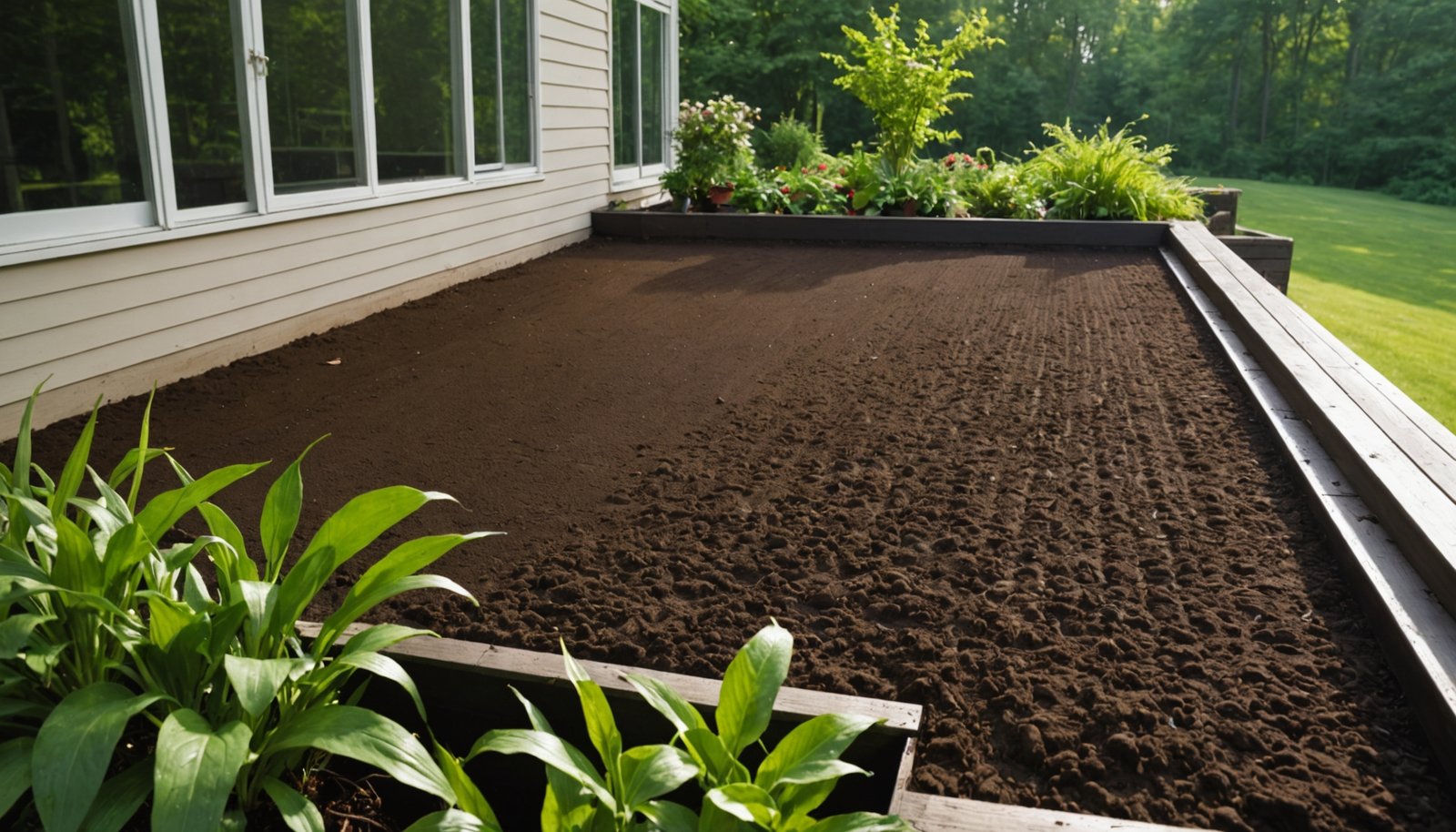
Creating a continuous barrier between the soil and your home’s structural wood is the foundational layer of any termite prevention plan. Two types of barriers work together for maximum protection: chemical soil treatments and physical mechanical barriers.
Chemical Soil Treatments
Professional liquid termiticide soil barriers are applied by trenching and injecting termiticide around the foundation perimeter, treating the interior perimeter, and covering all soil beneath the slab in new construction. Repellent termiticides such as bifenthrin create a chemical zone termites cannot cross. Non-repellent termiticides such as fipronil and imidacloprid allow termites to pass through, acquire a lethal dose, and transfer it to the colony before dying, which eliminates the entire nest rather than just redirecting it.
Chemical barriers applied before a slab is poured integrate most effectively with the structure. For existing homes, soil is trenched at the foundation perimeter, product is applied at the required volume per linear foot, and the trench is backfilled. Your pest control professional will specify the correct termiticide product, concentration, and application rate for your soil type, foundation design, and regional termite species pressure.
Key Application Points That Require Extra Attention
- Pipe, conduit, and wiring penetrations through slabs and foundation walls
- Construction joints and expansion joints in concrete slabs
- Foundation-to-stem-wall interfaces and grade beam edges
- Crawl space soil surfaces beneath wooden floor framing
- Areas where soil has been disturbed by recent landscaping or plumbing work
Physical Termite Barriers
Physical barriers block termite entry mechanically without relying on chemical degradation over time. Metal termite shields installed between the foundation top and sill plate force subterranean termites to travel around the shield and into exposed, inspectable locations rather than directly through hidden gaps. Shields should be made from galvanized steel, copper, or aluminum, formed with a drip edge to divert moisture, and installed with no seams or gaps.
Stainless steel mesh systems installed around pipe penetrations, beneath slabs, and at foundation perimeters provide long-lasting physical exclusion that termites cannot chew through. These systems are especially valuable in crawl spaces and under concrete slabs where chemical retreatment after construction is difficult. For comprehensive protection of basements and crawl spaces against both termites and moisture, see our guide on how to keep termites out of your basement and crawl space.
Treat the Wood: Borates, Foams, and Pressure-Treated Lumber
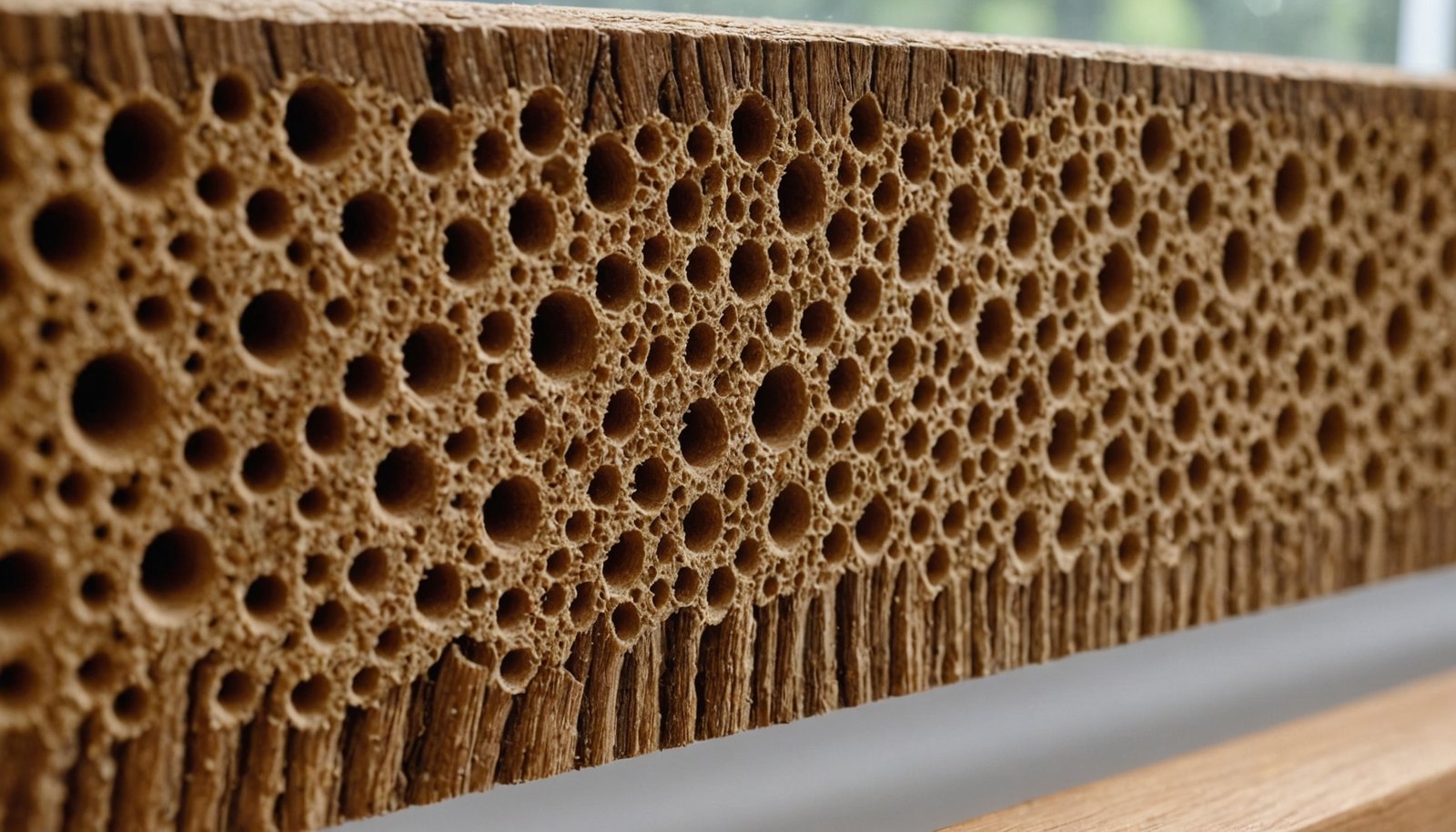
Chemical soil treatments stop subterranean termites at the ground level, but drywood termites enter through roof vents, windows, and exterior wood without ever touching the soil. Treating the wood itself provides protection against both species and covers the vulnerabilities that soil barriers cannot reach.
Borate Wood Treatments
Borate products such as BoraCare and Tim-bor penetrate raw wood deeply and kill termites and fungi on contact through ingestion. The borate mineral binds to the wood fibers and remains active indefinitely as long as the treated wood stays dry. Apply borate solution by brush, spray, or dip to all unfinished framing, trim, subflooring, and structural lumber before enclosure. In renovation projects, spray accessible framing before drywall installation to protect areas that cannot be inspected later.
Borate foam can be injected into wall voids, crawl space cavities, and other inaccessible areas where liquid spray cannot reach. This is particularly useful for treating existing construction without opening walls. Borate products are low-toxicity for humans and pets after drying, making them safe for use on interior framing and finished surfaces.
Foam Termiticides for Localized Control
When termites are detected in wall voids, pipe chases, or tight structural assemblies where soil treatments and surface sprays cannot penetrate, foam termiticides provide targeted control. Injected foam expands to fill cavities, coats gallery surfaces, and delivers the active ingredient to insects hiding in locations that other treatment types miss. This approach is most effective when combined with a professional inspection that maps the infestation locations before injection begins.
Pressure-Treated and Termite-Resistant Lumber
Pressure-treated lumber uses copper-based preservative chemicals, typically alkaline copper quaternary (ACQ) or copper azole (CA), forced deep into the wood fibers under pressure. These preservatives are highly effective against both subterranean and drywood termite species and remain active for decades in structural applications. Use pressure-treated lumber for all sill plates, floor joists, deck framing, stairs, and any wood within 6 inches of the soil.
Naturally termite-resistant wood species including redwood, western red cedar, black locust, and cypress contain oils and resins that make them significantly less attractive to termites than standard softwood lumber. These species are well suited for exterior applications, decking, and siding where ongoing chemical treatment would be impractical.
Recommended Wood Treatment by Location
| Location | Recommended Treatment | Why It Works |
|---|---|---|
| Sill plates and rim joists | Pressure-treated lumber + borate spray | First framing contact with foundation |
| Interior framing | Borate spray before enclosure | Kills on contact, permanent residual |
| Wall voids and pipe chases | Borate or termiticide foam injection | Reaches inaccessible galleries |
| Exterior siding and decking | Naturally resistant species or treated lumber | Resists weathering and termite attack |
Deploy Bait Stations and Monitoring Programs
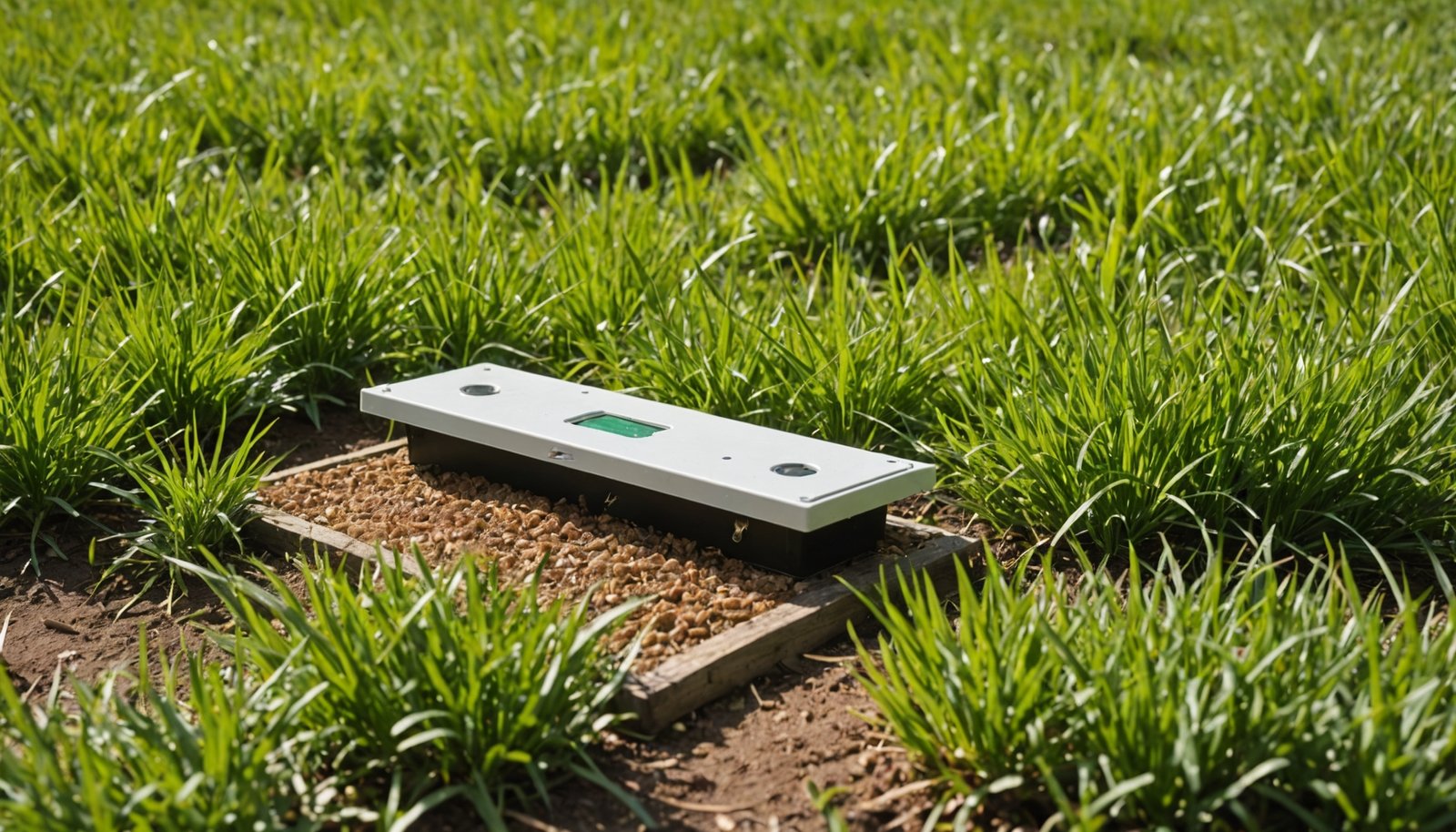
Soil barriers and wood treatments protect what is already in place, but bait station programs actively detect and eliminate termite colonies that approach your home from the surrounding soil. They provide ongoing intelligence about colony activity and allow targeted colony elimination without widespread chemical application.
Place in-ground bait stations in the soil around the property perimeter at intervals of 10 to 20 feet, with additional stations near known risk areas such as tree stumps, wood debris, damp soil, and previous infestation sites. Above-ground stations can be mounted where soil access is limited, such as on concrete slabs, patios, and interior crawl space walls. Modern bait products including chlorfluazuron and novaluron are carried back to the colony by foraging workers, killing the entire nest including queens and reproductives within four to ten weeks of consistent feeding.
Inspect bait stations at least every three months during active termite season and annually in cooler climates. Most professionally monitored bait programs maintain 90 percent or greater colony reduction year over year. Avoid pairing broad liquid barriers that block soil access with bait programs, as termites must be able to reach the stations freely for the bait to work. Adjust station positions as activity patterns shift over time.
Control Moisture: Drainage, Leaks, and Ventilation
Moisture is the primary environmental factor that attracts termites to a structure. Subterranean termite species require consistent moisture to survive, and any condition that keeps soil wet near the foundation, raises humidity in crawl spaces, or allows water to pool against structural wood creates ideal conditions for colony establishment and rapid growth.
Exterior Drainage and Grading
- Clean gutters: Blocked gutters overflow against the fascia and foundation, saturating adjacent soil and wood. Clean gutters at least twice per year and after major storms.
- Extend downspouts: Downspouts should discharge at least 4 feet from the foundation. Use splash blocks or underground drain extensions to direct runoff away from the structure.
- Grade soil away from the house: Maintain a positive slope of at least 6 inches over the first 10 feet from the foundation so surface water drains outward rather than pooling against the walls.
- Manage mulch: Keep wood mulch at least 12 to 18 inches from the foundation wall. Replace wood mulch in the immediate foundation zone with crushed rock, gravel, or rubber mulch alternatives that do not retain moisture or provide cellulose for termite feeding.
- Fix faucets and irrigation: Outdoor faucets, irrigation heads, and drip lines that leak near the foundation create persistent wet soil conditions. Inspect and repair these annually.
Crawl Space and Interior Moisture Control
Poorly ventilated crawl spaces are one of the most common conditions associated with subterranean termite infestations. Keep crawl space humidity below 50 percent using foundation vents, powered exhaust fans, or a dehumidifier. Install a polyethylene vapor barrier across the entire crawl space floor to reduce moisture rising from the soil into the framing above. Maintain at least 24 inches of clearance between the soil and floor framing for ventilation and inspection access.
Inspect pipes, taps, toilets, and showerheads for drips and slow leaks. Insulate cold water pipes in humid areas to prevent condensation from dripping onto framing and subfloor materials. Seal cracks in the foundation and around all penetrations to block both water seepage and potential termite entry points simultaneously. Direct HVAC condensate lines and dryer vents well away from crawl spaces and exterior walls. For a detailed step-by-step guide to eliminating the moisture and entry conditions that attract termites most, visit our termite prevention resource library.
Landscape Wisely and Maintain Clearances
Landscaping decisions directly affect termite risk. The goal is to eliminate wood-to-soil contact, reduce moisture near the foundation, and keep foraging termites as far as possible from the structure.
Wood-to-Soil Clearances
Keep all wood elements of the structure at least 6 inches above soil grade. For sill plates, sheathing, and structural framing, maintain 8 inches or follow stricter local building codes. In crawl spaces, maintain 12 inches of clearance between soil and floor framing. Elevate posts on cured concrete footings at least 3 inches above the floor surface. Never set stairs, fence posts, or support beams directly in soil; use metal post bases and concrete footings to eliminate ground contact.
Pressure-treated lumber reduces but does not eliminate the risk of soil contact. Maintain visible clearances even with treated wood, as cut ends and checked surfaces allow termite entry despite preservative treatment.
Firewood and Wood Debris Storage
Firewood stored against the house is one of the most frequently cited entry points for termites into residential structures. Store firewood on metal or concrete supports at least 6 to 8 inches above the ground. Keep piles at least 20 feet from the foundation and exterior walls. Use older material first and inspect each piece before bringing it indoors. Remove wood stumps, fallen logs, scrap lumber, and wood-based debris from the property promptly, as these provide nesting and feeding sites that draw colonies toward your home.
Landscaping Tips That Reduce Termite Risk
- Maintain a 3-foot plant-free buffer around the foundation to improve airflow and visibility for inspections.
- Keep wood mulch 12 to 18 inches from siding and use thin layers rather than deep beds that retain moisture.
- Choose non-wood mulch alternatives such as rubber mulch, gravel, or crushed stone in the foundation zone.
- Trim tree branches, shrubs, and vines away from the house so they do not create moisture traps or hidden pathways to the structure.
- Plant large trees well away from the foundation; tree roots and decaying root material attract subterranean colonies.
- Remove leaf litter from gutters, window wells, and foundation vents regularly.
Natural and Organic Termite Prevention Methods
For homeowners who prefer to minimize synthetic chemical use, several natural prevention approaches are both effective and practical as part of an integrated prevention plan.
Borate treatments derived from naturally occurring borax minerals are the most widely used natural termite treatment. They are low-toxicity for humans, pets, and non-target insects when applied correctly and provide long-lasting protection in wood that remains dry. They are recognized as an approved termite prevention method in building codes across many states.
Orange oil derived from orange peel rinds kills drywood termites on direct contact and can be injected into gallery systems in furniture and structural wood. It has no residual barrier effect but is effective for spot treatment of localized drywood infestations without fumigation.
Physical stainless steel mesh barriers require no chemicals at all and provide permanent exclusion at foundation penetrations and slab interfaces. These systems are most effective when installed during construction but can be retrofitted around exposed pipe and utility penetrations.
Naturally resistant wood species including redwood, cedar, black locust, teak, and cypress contain natural resins and oils that make them significantly less attractive to both drywood and subterranean termites. Using these species for decking, siding, window frames, and exterior trim reduces chemical treatment requirements in high-exposure zones.
Natural methods work best as layers within a broader prevention strategy. In high-risk areas or homes with prior termite history, natural approaches alone are generally not sufficient and should be combined with professional soil treatment or bait station monitoring.
Commit to Annual Inspections and an Integrated Prevention Plan
Because termites stay hidden until damage mounts, you protect your home by combining all the prevention layers above with scheduled annual inspections and an integrated pest management plan that adapts as conditions change.
Professional termite inspectors check foundations, decks, fences, mulch beds, stumps, basements, crawl spaces, and interior walls for mud tubes, hollow wood, bubbling paint, damaged plaster, and excess moisture. Most inspections take 30 minutes to a few hours and end with a written report that flags current activity, structural risk factors, and recommended next steps. Homes without any inspection program are approximately 42 percent more likely to experience infestation than those with regular professional monitoring.
When to Call a Professional Exterminator
Call a licensed pest control professional immediately if you find any of the following signs of active termite infestation:
- Mud tubes on foundation walls, crawl space beams, joists, or interior walls
- Frass piles beneath wooden surfaces or window frames
- Hollow-sounding structural wood when probed with a screwdriver
- Discarded swarmer wings near doors, windows, or light fixtures
- Paint bubbling or peeling without any plumbing leak nearby
- Live termites visible in any area of the home
You should also schedule a professional inspection before purchasing a home, before major renovations, when soil barriers are approaching the end of their effective lifespan, or when moving into a region with higher termite pressure than your previous location. Your pest control service provider can recommend an inspection schedule and prevention plan appropriate for your property type, construction, and region.
Building Your Integrated Prevention Plan
An integrated termite prevention plan documents the current protection measures in place, tracks inspection findings over time, schedules barrier retreatments before they degrade, and coordinates bait station monitoring with wood treatment and moisture control. Key elements of a written plan include:
- Date and type of soil treatment applied, expected effective lifespan, and retreatment schedule
- Location and inspection frequency of all bait stations
- List of wood components treated with borate and application dates
- Moisture readings from crawl space or basement monitoring equipment
- Annual inspection reports and any corrective actions taken
Even pre-treated new homes need yearly checks as chemical barriers degrade over time and physical barriers can be compromised by landscaping, renovation, or soil movement. Early detection through a consistent inspection program saves structural repair costs and gives you the information needed to keep every layer of prevention functioning effectively year after year.
Conclusion
The best termite prevention plan is one that works on multiple fronts simultaneously: chemical soil barriers and physical exclusion at the foundation, borate and pressure-treated wood protection in the framing, perimeter bait stations for ongoing colony monitoring, and consistent moisture and landscaping management that makes your home less attractive to termites year-round. Stay proactive with annual inspections, maintain your clearances and drainage, and act immediately when any warning sign appears. These steps together protect your home, your budget, and the structural investment you have made in your property.
Frequently Asked Questions
What are the most effective termite prevention methods?
The most effective approach combines a professional liquid termiticide soil barrier, borate wood treatments on framing, physical stainless steel mesh or metal shields at entry points, perimeter bait stations for ongoing monitoring, moisture control through drainage and ventilation, and maintained wood-to-soil clearances. Integrated prevention consistently outperforms any single method.
What are the early signs of a termite infestation?
Early signs include pencil-thin mud tubes on foundation walls, frass pellets beneath wooden surfaces, hollow-sounding wood, tiny exit holes, discarded wings near windows and lights, bubbling paint without a plumbing source, and sticking doors or windows in dry conditions. Subterranean termites leave mud tubes; drywood termites leave frass and exit holes.
How should I store firewood to avoid attracting termites?
Store firewood on metal or concrete supports at least 6 to 8 inches above the ground and 20 feet from the foundation. Use older material first, rotate your stack regularly, and inspect each piece for mud tubes or frass before bringing it indoors.
How often should I inspect my home for termites?
Annual professional inspections are standard for most homeowners. In high-risk regions or homes with prior termite history, every 6 to 12 months provides better protection. Regular inspections reduce termite damage risk by approximately 57 percent compared to no inspection program.
What natural methods help prevent termites?
Effective natural options include borate wood treatments, orange oil for drywood spot treatment, physical stainless steel mesh barriers, and naturally resistant wood species such as redwood, cedar, and cypress. Natural methods work best as layers within an integrated prevention plan rather than as standalone solutions in high-risk areas.
When should I call a professional exterminator?
Call immediately if you find mud tubes, frass, hollow-sounding wood, discarded wings, bubbling paint, or live termites. Also schedule a professional inspection before purchasing a home, before major renovations, or when soil barriers are approaching the end of their effective lifespan.