How Long Does Termite Treatment Last? What to Expect From Each Method
You’ll find that termite treatment longevity varies by method and significantly impacts the long-term value of your pest control investment. Liquid soil treatments protect for 5 to 10 years, while professional bait systems remain effective for up to 5 years with maintenance. Fumigation works quickly but offers no residual protection. Physical barriers can last 30 to 50 years when installed during construction. Understanding how long each termite treatment lasts and what factors affect its longevity helps you make better decisions about protecting your house, your property, and your investment from termite damage.
Key Takeaways
- Liquid soil treatments provide 5 to 10 years of protection, with effectiveness varying based on soil type and climate conditions.
- Professional bait systems remain effective for up to 5 years when properly maintained and monitored every 90 days.
- Fumigation kills termites within 72 hours but offers no residual protection, requiring additional preventive measures against future infestations.
- Physical barriers last 30 to 50 years with minimal maintenance, making them highly effective for long-term protection when installed during construction.
- Modern alternatives like heat treatments work within hours but may need combination with other methods for comprehensive protection.
- Key factors affecting how long your termite treatment lasts include soil composition, climate, termite species present, and whether you schedule regular termite inspections with a licensed exterminator.
How Long Does Termite Treatment Last? Quick Reference
Before diving into the details, here’s a quick overview of how long each major termite treatment type lasts under normal conditions, useful context for any homeowner comparing their options:
| Treatment Type | Duration | Key Requirement |
|---|---|---|
| Liquid soil termiticide | 5 to 10 years | Annual inspections |
| Professional bait stations | Up to 5 years | Regular monitoring |
| Fumigation | 3 to 5 years | Follow-up prevention |
| Physical barriers | 30 to 50 years | Construction phase install |
| Heat treatment | Immediate only | Combination with barrier |
The right choice depends on your specific infestation, your home‘s structure, whether you’re dealing with subterranean or drywood termites, and your budget for ongoing maintenance and retreatment. A licensed pest control company or exterminator can assess your situation and recommend the most effective combination of treatment solutions and services. Learn more about the full range of options in our termite treatment and control guides.
Understanding Liquid Soil Treatment Duration

When you invest in liquid soil termite treatment, you can expect protection to last between 5 to 10 years, though the exact duration depends on several key factors. The EPA requires termiticides to provide at least 5 years of structural protection, and under ideal conditions, this can extend beyond a decade. Products like Termidor, one of the most widely used liquid termiticides in the industry, are specifically formulated for long-term soil retention, helping protect the foundation and perimeter of your house against subterranean termites.
Your soil type greatly impacts treatment longevity. Clay soils help retain the chemical barrier longer, while sandy soils may break down termiticides more quickly.
Clay soils provide better protection by holding termiticides longer, whereas sandy soils allow chemicals to dissipate more rapidly, a key factor in how long your termite treatment lasts.
Climate conditions, including rainfall and temperature extremes, also affect how long your treatment remains effective. The quality of the initial application is vital, as proper trenching around the foundation and chemical saturation guarantee even distribution. Regular monitoring and inspections are necessary to ensure the treatment maintains its effectiveness against subterranean termites. To maintain effectiveness, you’ll need annual professional termite inspections and should avoid disturbing the treated soil through landscaping or excavation.
Signs that liquid termite treatment may need retreatment earlier than expected include evidence of active termite mud tubes near the foundation, termite damage appearing in previously treated areas, or significant soil disturbance from excavation or heavy rain. An experienced exterminator can test soil samples to confirm whether your termiticide barrier remains active.
The Lifespan of Professional Bait Systems

While liquid treatments create chemical barriers in soil, professional bait systems offer a different approach to long-term termite protection. You’ll find that most bait stations can remain effective for up to five years when properly maintained, though their lifespan depends heavily on termite activity and environmental conditions. These systems provide an excellent solution for existing home protection, particularly when access for liquid treatments is limited.
| System Type | Inspection Frequency | Typical Lifespan |
|---|---|---|
| Trelona ATBS | Annual | Up to 5 years |
| Sentricon | Annual | Up to 5 years |
| Hex Pro | Every 90 days | Varies by activity |
You’ll need to replace bait cartridges when one third of the matrix is consumed or shows degradation. Regular monitoring guarantees continuous protection, and annual inspections are essential for most systems. While maintenance requirements are higher than liquid treatments, bait systems provide targeted colony elimination and are generally less environmentally invasive. Many pest control providers, including those serving Maryland, California, and other high termite pressure regions, include bait station monitoring as part of an annual service plan or warranty. For full details on what your warranty and renewal plan should cover, see our guide to termite bonds and warranties homeowners should know.
What to Know About Fumigation Effectiveness

Despite its intensive preparation requirements, fumigation stands as one of the most immediately effective termite treatments available, achieving nearly 100% mortality within just three days. You’ll need to vacate your home for about 72 hours while the sulfuryl fluoride gas penetrates every corner and void in your structure. For guidance on returning home safely after the process is complete, see our detailed article on how long after termite treatment it is safe to return home.
While fumigation effectively eliminates current infestations, including drywood termites in attic framing, wall voids, and structures above basements, you won’t get long-term protection. The treatment typically lasts around five years before you might face reinfestation risks. Some homeowners resort to repeated fumigation treatments every 3 to 5 years due to recurring termite problems. This retreatment cycle is especially common in warm, humid states like California where drywood termites are prevalent.
Since there’s no residual barrier, you’ll need regular termite inspections to monitor for new termite activity. Consider complementing fumigation with preventive measures like bait systems or a liquid termiticide perimeter application for sustained protection. An annual inspection schedule, ideally covered under a warranty or service plan from your pest control company, is the most reliable way to catch signs of reinfestation before significant termite damage occurs.
Physical Barriers and Wood Treatment Longevity
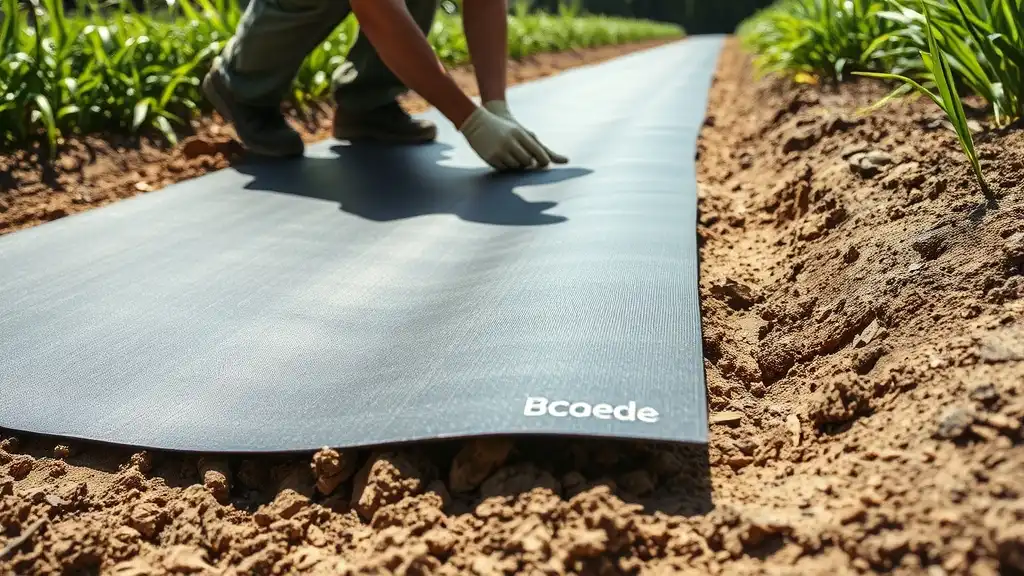
Physical barriers and wood treatments offer two distinct approaches to long-term termite prevention. Physical barriers, made from materials like stainless steel mesh and crushed stone, can protect your home for decades with minimal maintenance. They’re particularly effective when installed during construction, creating a permanent blockade against termite entry at the foundation level. Regular specialist inspections help ensure barriers remain intact and effective over their 30 to 50 year lifespan.
Wood treatments, while also effective, typically last 5 to 10 years depending on the type of wood and environmental conditions. Boron based products applied to cellulose rich timber during construction are particularly durable, penetrating deep into the wood grain to deter both subterranean and drywood termites for the life of the treated material. You’ll need to maintain these treatments regularly, especially if the wood is exposed to rain or moisture. While physical barriers have higher upfront costs, they’re more cost effective long term and environmentally friendly since they don’t use chemicals. They’ll also help you spot termite activity early through visible mud tunnels if termites attempt to bypass them, a key early warning sign that retreatment or additional inspection is needed.
Modern Alternative Treatment Methods
You’ll find several non chemical approaches emerging in modern termite control, including heat treatments that raise temperatures to lethal levels and cold methods that freeze the pests. Electrocution systems now offer more precise targeting capabilities, allowing for direct elimination of termites within wooden structures. These alternative methods work well as complementary pest control alongside traditional pesticides for comprehensive termite management. Chemical lures have also evolved to work more effectively with bait stations, drawing termites away from structures while minimizing the overall use of pesticides.
Heat and Cold Methods
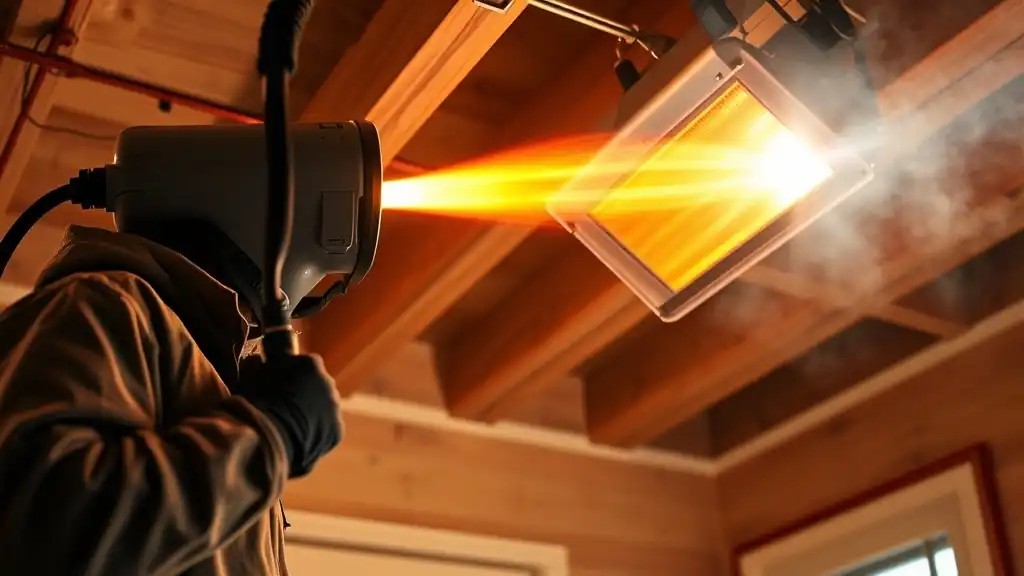
As pest control technology advances, heat and cold methods have emerged as innovative alternatives to traditional chemical treatments for termite infestations. You’ll find heat treatment particularly effective, taking just 5 to 8 hours to complete and killing termites instantly when temperatures exceed 120°F. While you won’t need to evacuate overnight like with fumigation, not all structures or types of construction are suitable for this method.
- Industrial sized heaters strategically placed throughout your home
- Thermal sensors monitoring temperature in every corner
- Heat waves penetrating deep into wooden structures and wall voids
- Termites immediately succumbing to the controlled heat
- Your home being treated without harmful chemicals or residual risk
Cold methods remain experimental and less common, though they might be useful for isolated areas. Heat and cold treatments don’t provide ongoing protection after application. They’re best used as part of a broader termite control plan that includes a liquid termiticide or bait system for long-term prevention. You’ll need professional assessment to determine if these modern approaches suit your situation.
Electrocution Treatment Advances
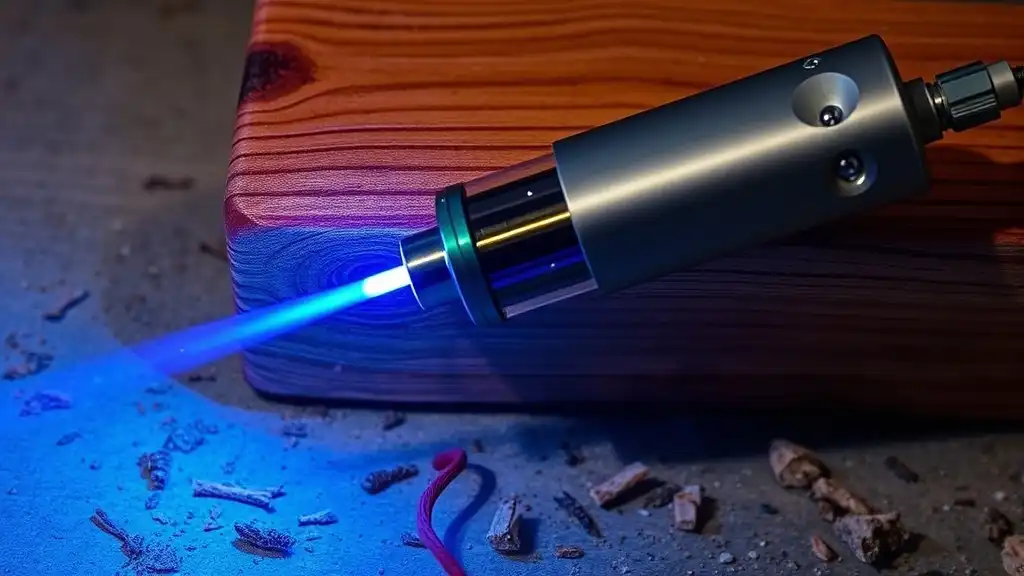
Modern electrocution treatments have revolutionized termite control by offering a chemical free alternative that delivers precise, targeted elimination. Using a specialized Electro Gun, technicians apply high voltage, low current electricity (90,000 volts, less than 0.5 amps) directly into termite galleries, achieving up to 98% mortality within four weeks. You’ll find this method particularly appealing if you’re concerned about chemical exposure, as it’s safe for homes, hospitals, and historical structures.
The treatment works by both directly shocking termites and disrupting their essential gut protozoa. While highly effective when properly applied, success depends heavily on accurate detection of termite galleries, which is why pre treatment inspection by an experienced exterminator is critical. Be aware that building materials like metal and concrete can interfere with current flow, and some drilling may be necessary to reach infested areas.
Targeted Chemical Lures
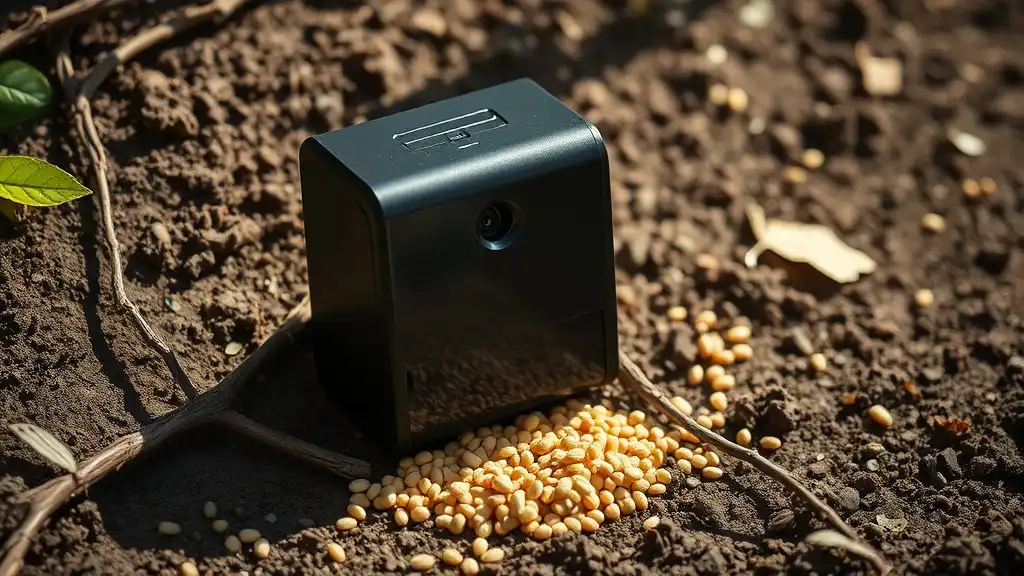
Targeted chemical lures represent a significant breakthrough in termite control, combining specific attractants like pinene with insecticides to achieve mortality rates above 95%. These systems work by mimicking food related odors that draw termites to bait stations, where they contact or ingest insecticides that spread throughout the colony via social behaviors.
- Termites following an invisible trail, drawn by forest like scents to strategically placed bait stations
- Worker termites grooming each other, unknowingly spreading the treatment through the colony
- Small, discrete bait stations around your home‘s perimeter, replacing invasive trenching
- Termites carrying the treatment deep into their nests, affecting the entire colony
- Gradual decline of termite activity as the colony‘s development cycle breaks down
With proper maintenance and monitoring, these systems can provide effective protection for multiple years. Ask your pest control company about their warranty and retreatment guarantee for lure based bait systems. Many providers offer coverage that includes annual inspection and reapplication as needed.
Factors That Impact Treatment Success Rates
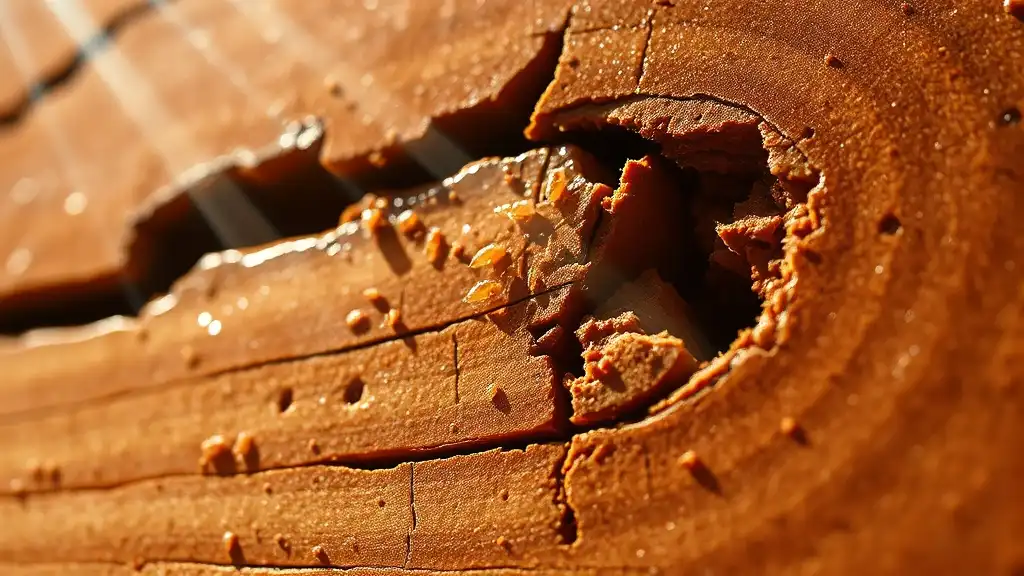
When treating properties for termites, multiple factors greatly influence success rates and long-term effectiveness. Your soil‘s moisture level and composition directly affect how well termiticides penetrate and persist. High moisture and organic matter can speed up chemical breakdown. The type and severity of your infestation matters too, as extensive colonies require more intensive treatments than localized problems.
Additional factors affecting how long your termite treatment lasts:
- Termite species: Subterranean termites are best controlled by soil termiticides and bait systems. Drywood termites often require fumigation or heat, and the type of termite directly determines which treatment will last longest. Formosan termites, a highly aggressive subterranean species, can overwhelm standard soil barriers more rapidly and may require accelerated renewal schedules.
- Foundation type and construction: Slab foundations in homes and commercial structures have different barrier requirements than pier and beam construction with basements.
- Climate and season: High rainfall regions accelerate termiticide breakdown. A termite treatment in a dry climate like parts of California may last longer than the same application in a humid coastal environment.
- Retreatment history: Knowing when your home was last treated and with which product like Termidor helps your exterminator calculate whether reapplication is needed.
- Inspection frequency: Annual termite inspections are the single most reliable factor in maintaining long-term treatment effectiveness.
That’s why professional assessment and proper application methods are necessary for peak results, and why choosing a reputable exterminator or pest control company with a clear warranty and retreatment guarantee matters.
Signs Your Termite Treatment Is Wearing Off
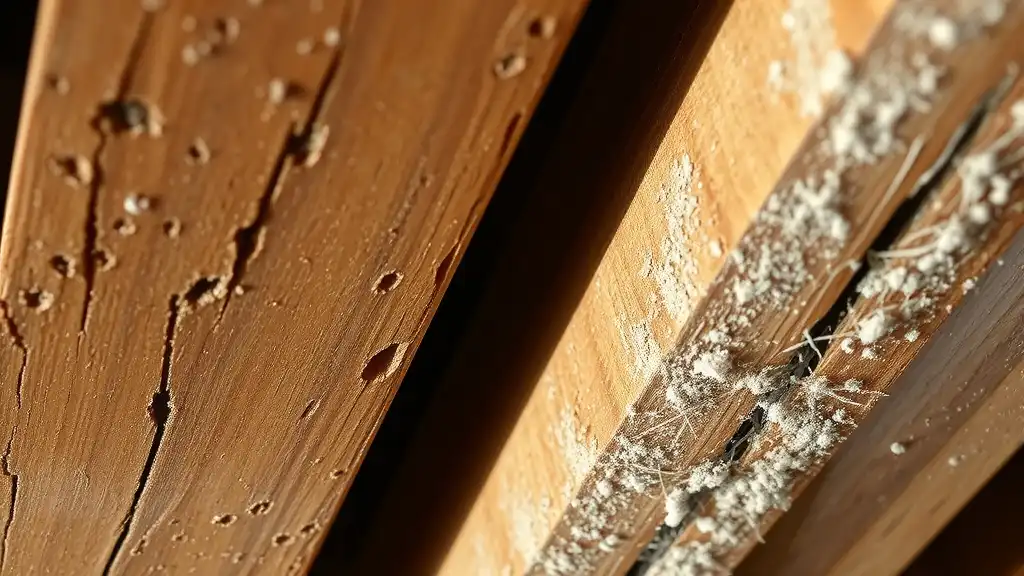
Even well applied termite treatments degrade over time, and recognizing early warning signs is what separates homeowners who act early from those who face major structural damage. The most common indicators that your termite treatment has lost effectiveness include: reappearance of mud tubes along the foundation or building walls, fresh frass deposits near cellulose rich wood like floor joists or window frames, hollow sounds in previously treated structural wood, and new termite swarms emerging inside the home during warm months. In areas with Formosan termite pressure, visible soil based carton nests inside wall cavities are a serious sign that your existing barrier has been breached and immediate extermination and retreatment are required.
Any of these signs warrant an immediate call to your pest control company for a professional termite inspection. Do not wait for your next scheduled annual visit. Early detection keeps retreatment costs manageable and prevents a localized termite infestation from spreading across multiple areas of the structure.
When to Schedule Treatment Renewal: DIY vs. Professional
Treatment renewal timing depends on both the method used and who applies it. As a general schedule: liquid soil termiticides applied by licensed professionals typically warrant renewal at the 5 year inspection mark even when no active signs are visible. Bait station matrices should be replaced on the monitoring schedule set by your service provider. Wood treatments in exposed areas should be reassessed every 3 years. DIY termite treatment products available at home improvement stores are useful for small spot treatments, but they rarely match the longevity or thoroughness of professional grade applications. A professional can trench the full perimeter, treat soil under slabs, and document the application for warranty purposes in ways that most DIY approaches cannot replicate. When weighing cost against protection duration, professional extermination and renewal plans consistently deliver better long-term value for full structure coverage.
Conclusion
You’ll need to monitor and maintain any termite treatment to guarantee long-term effectiveness. While liquid treatments can last 5 to 10 years, bait systems require regular checking and retreatment. Fumigation offers immediate results but no residual protection. Physical barriers and wood treatments provide lengthy protection when properly maintained. Remember that local climate, soil conditions, termite species, and termite pressure will affect how long your chosen treatment remains effective. Schedule annual termite inspections with a licensed exterminator or pest control company, ask about their warranty and retreatment policy, and keep records of your treatment history. These simple steps are what separate homeowners who catch termite damage early from those facing major signs of structural damage years later.
Frequently Asked Questions
How long does termite treatment last?
It depends on the method. Liquid soil termiticides like Termidor last 5 to 10 years in the soil. Professional bait systems remain effective for up to 5 years with regular monitoring. Fumigation eliminates active infestations quickly but provides no lasting barrier, so new termite activity can appear within 3 to 5 years without additional prevention. Physical barriers installed during construction can last 30 to 50 years. Annual termite inspections are the most reliable way to confirm your treatment is still working.
Does termite treatment have a warranty period?
Most professional pest control companies offer a warranty or service agreement alongside their termite treatment. These typically cover annual inspections, retreatment if termite activity reappears within the warranty period, and in some cases structural damage repair. Coverage terms, renewal fees, and retreatment guarantee conditions vary by provider, so always review what is and isn’t included before signing. See our full breakdown of termite bonds and warranties homeowners should know.
What signs indicate termite treatment has worn off?
The key signs include new mud tubes near the foundation, fresh frass deposits near cellulose wood like joists or baseboards, hollow sounding structural wood in previously treated areas, visible swarmers inside the home, and in Formosan termite areas, carton nests appearing in wall voids. Any of these warrant an immediate professional termite inspection rather than waiting for your scheduled annual visit.
When should I reapply termite treatment?
Plan for liquid termiticide renewal at the 5 year mark even without visible signs, as the chemical barrier begins to degrade. Bait station matrices should be replaced per your service provider’s monitoring schedule, typically every 90 days for high activity stations and annually for others. Fumigated homes should be re inspected every 2 to 3 years given the absence of a residual barrier. If you’ve had significant soil disturbance, major rainfall, or excavation near the foundation, schedule an inspection ahead of your normal renewal date.
Is DIY termite treatment as long-lasting as professional?
Generally, no. Consumer grade products provide adequate protection for small spot treatments and minor infestations, but they typically offer shorter residual periods and cannot match the coverage depth of professional grade liquid termiticides applied via full perimeter trenching. Professional extermination also comes with documented application records and a warranty that DIY products do not provide. For localized termite infestation problems, DIY is a reasonable starting point. For whole structure protection, professional application consistently delivers better long-term effectiveness.
What factors affect how long termite treatment lasts?
Soil composition, climate, rainfall, termite species including aggressive Formosan colonies, foundation type, initial application quality, and how frequently you schedule termite inspections all affect treatment longevity. Sandy soils and high moisture environments accelerate termiticide breakdown. The building‘s construction type, whether slab or pier and beam, also determines how complete the barrier coverage can be.