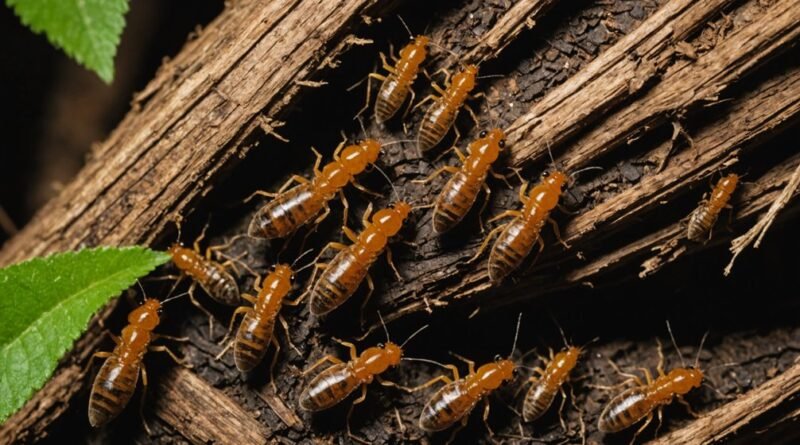
Dampwood Termites: Signs, Causes and Treatment Options
You spot dampwood termites by hollow-sounding, sagging, or blistered wood, moist frass piles, tiny droppings, and discarded wings near damp areas. They’re attracted to chronic moisture from leaks, poor drainage, overwatering, and wood or mulch against foundations. First, fix all water issues, dry the area, and remove or replace damaged wood. Then use borate wood treatments, bait systems, or soil termiticides—often applied by a pro—to stop colonies and keep them from quietly returning.
Key Takeaways
- Dampwood termites are large, dark brown swarmers with equal-length veined wings, typically active on warm, humid evenings in late summer or early fall.
- Key signs include hollow-sounding or sagging wood, blistered paint, buckling floors, and discarded wings near windows, doors, or lights.
- Moisture problems—leaky plumbing, poor drainage, roof issues, overwatering, or wood touching damp soil—are the primary causes attracting dampwood termites.
- Treatment usually combines fixing moisture sources, removing infested or decayed wood, and using professional soil barriers, borate wood treatments, or bait systems.
- DIY efforts suit minor, localized issues, but widespread, hidden, or recurring infestations require inspection and treatment by a licensed termite specialist.
How to Tell If You Have Dampwood Termites
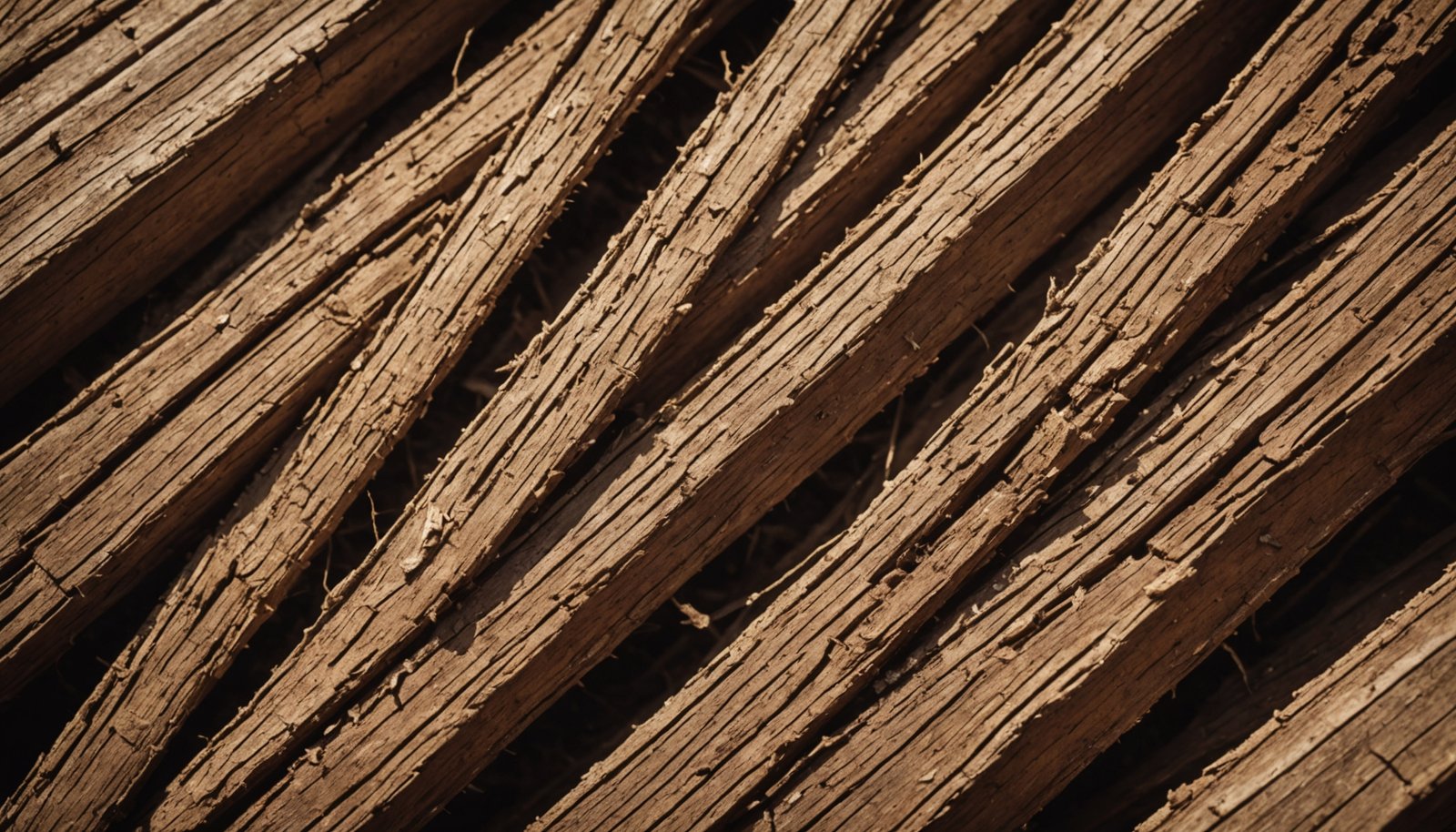
So how can you tell if those insects in your damp wood are actually dampwood termites? Start by looking at swarmers. They’re large—nearly 1 inch from head to wing tip—with dark leathery brown to reddish-cinnamon bodies. You’ll see four equal-length, heavily veined, brownish-tinted wings. Swarming typically happens in late summer or early fall, before sunset on warm, humid evenings. Because they seek wet environments, you’ll usually find these swarmers emerging near areas with chronic moisture problems like leaks or poorly ventilated spaces.
Look for large, dark swarmers with equal-length, veined wings on warm, humid late-summer evenings
In desert species, the swarmers look distinctly dark brown compared to other castes.
Check the frass next. In dampwood termites, fecal pellets clump into wet, amorphous masses rather than dry, six-sided grains. You’ll often find entry holes plugged with feces instead of mud.
If you expose the colony, you’ll see pale cream nymphs up to 5/8 inch long doing most of the work, and soldiers with large heads and strong mandibles, about 1/2 to 5/8 inch long, sometimes up to 3/4 inch and caramel to dark brown in Pacific species.
Key Signs of Dampwood Termite Damage
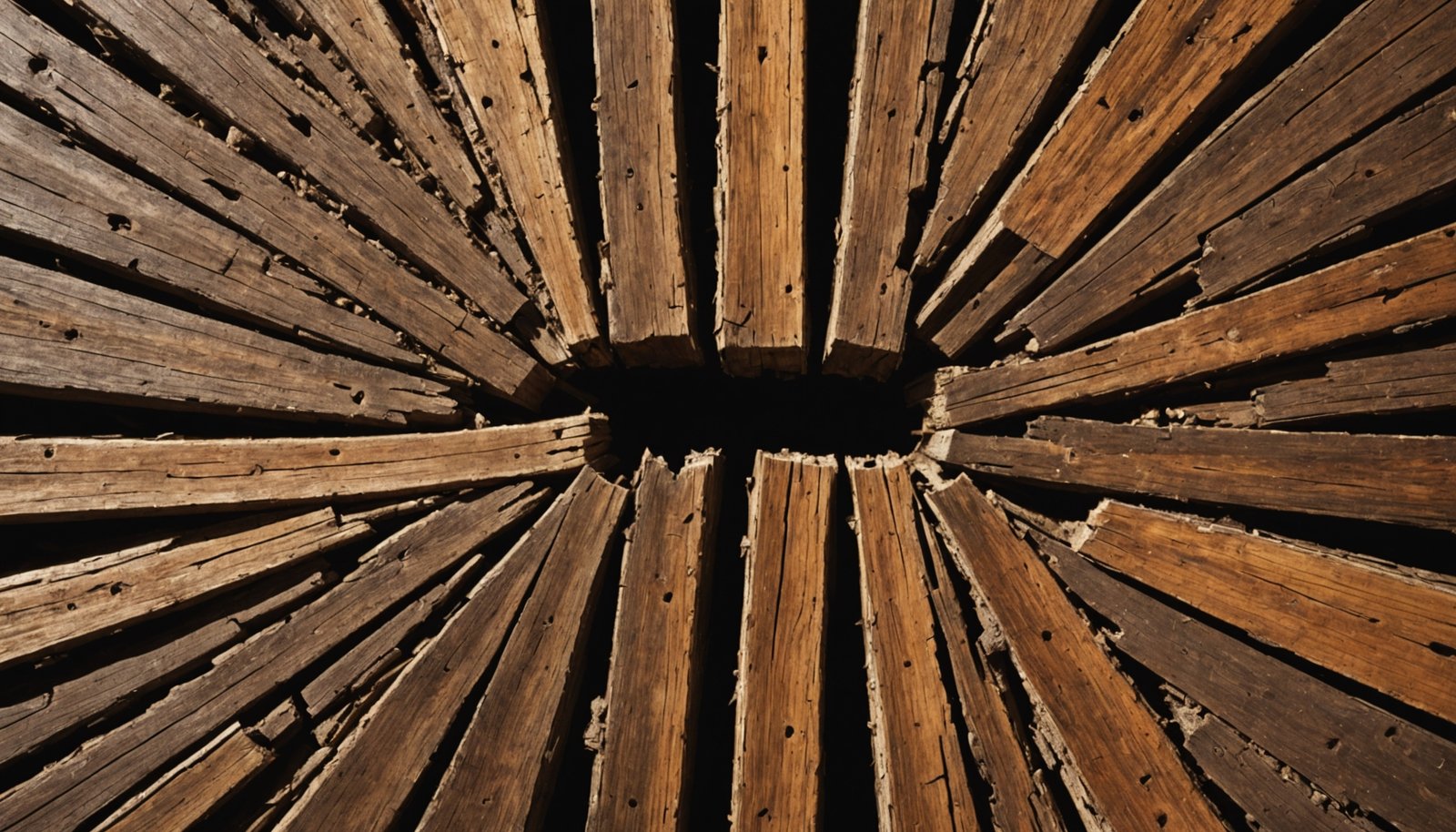
Recognizing the key signs of dampwood termite damage early helps you fix both the infestation and the underlying moisture problem. These termites hollow wood from the inside, so you often don’t see damage until it’s advanced. Focus on how the wood sounds, looks, and behaves under weight.
1. Hollow or weakened wood
Tap baseboards, door frames, and beams in damp areas. If they sound dull or hollow, termites may have eaten out the interior, leaving only a thin surface. Because Southern California’s climate creates a high infestation risk, homeowners should be especially vigilant about checking wood in bathrooms, crawl spaces, and around plumbing.
2. Moisture-linked decay and surface changes****
Watch for blistered or bubbled paint, dark or sunken wood, and areas that resemble mild water damage, especially near leaks, poorly vented spaces, or clogged gutters.
3. Structural and frass clues
Notice sagging or buckling floors, warped tiles, or sticking doors and windows. In more advanced cases, you may also see small piles of cream to reddish-brown pellet-like droppings in damp spots.
Dampwood vs Other Termites: How to Spot the Difference
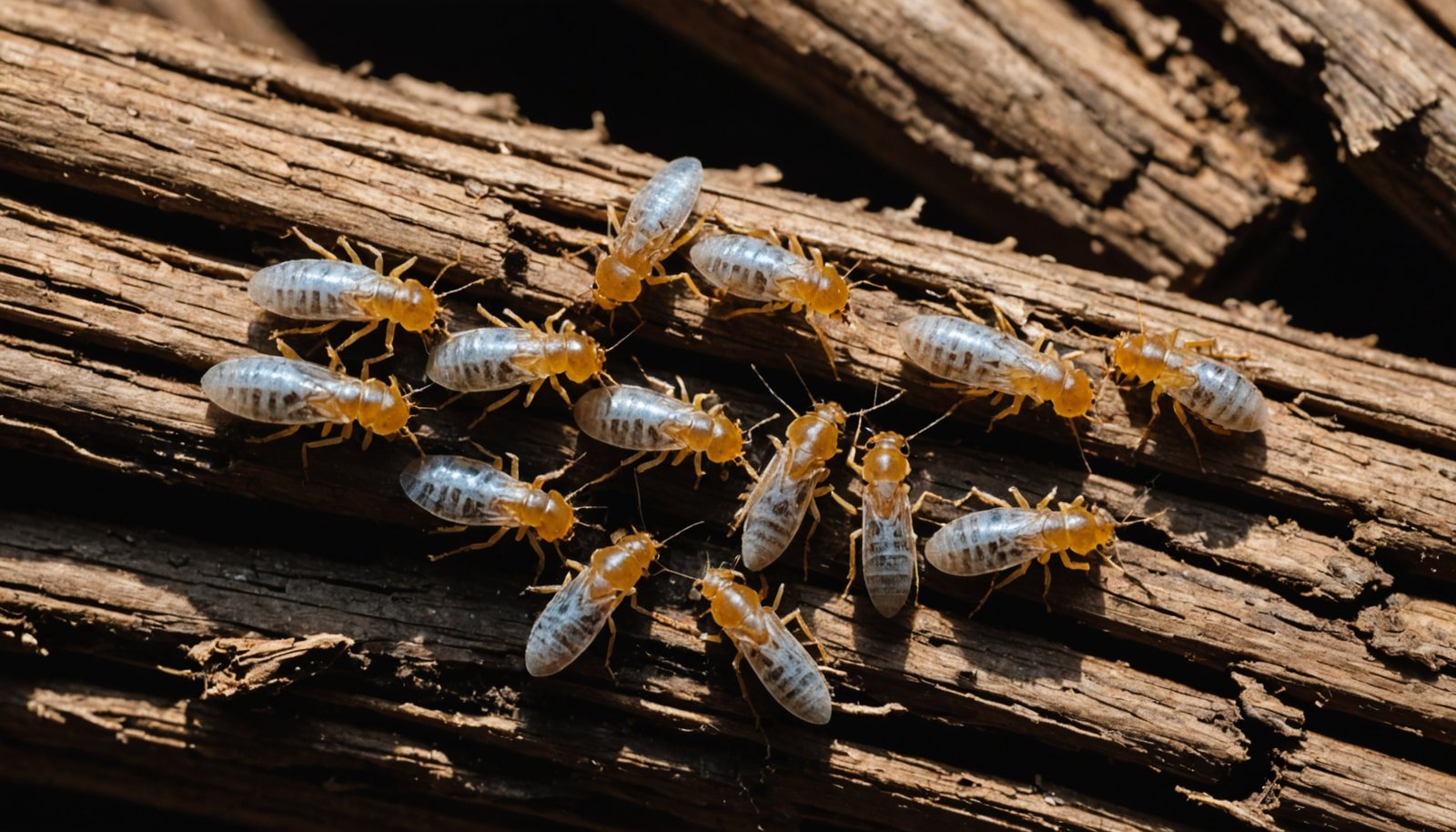
Spotting damage isn’t enough—you also need to know which termite you’re dealing with, because treatment and prevention depend on it.
Dampwood termites are bigger than both drywood and subterranean termites. You’ll often see workers close to three-quarters to one inch long, with soldiers up to 20 mm and swarmers around 25 mm. Their soldiers have large, powerful heads and jaws, much more robust than subterranean soldiers.
Look at where they nest. Dampwood termites stay inside damp, decaying wood and don’t use soil or spread through the whole structure. Subterranean and Formosan termites, by contrast, nest in the ground and move through the building. Their presence in a home is often a sign of excess moisture from leaks, drainage problems, or persistently damp structural wood.
Check for mud tubes and frass. Subterranean and Formosan termites build mud tubes on foundations and walls—dampwood termites don’t.
Drywood termites leave dry, coffee‑ground–like droppings (frass) pushed from small holes. Dampwood infestations usually lack both mud tubes and pellet piles, and stay confined to one wet wood source.
Moisture Problems That Attract Dampwood Termites
Even a small moisture issue can turn your home into prime real estate for dampwood termites. These insects don’t invade dry lumber; they wait for water to soften and saturate wood. When that happens, your house starts to look like a buffet.
Common moisture problems include:
1. Leaky plumbing and hidden water damage****
Dripping pipes under sinks, in crawl spaces, or behind walls keep wood damp for months. That softened, waterlogged wood, especially where it touches soil, becomes an easy entry point and food source. This persistent dampness also makes wood softer and easier for termites to chew, encouraging them to feed and establish colonies.
2. Roof, gutter, and drainage issues
Clogged or damaged gutters, leaky roofs, and poor grading push water toward your foundation. Overflow and seepage soak siding, rim joists, and wall cavities—perfect for moisture-loving termites.
3. Humidity, irrigation, and landscaping
Poor ventilation in basements or crawl spaces, overwatering plants, misdirected sprinklers, and mulch or firewood against the foundation all trap moisture, creating ideal dampwood termite conditions.
How Dampwood Termites Live and Destroy Wood
Once excess moisture sets the stage, dampwood termites move in and quietly reshape the wood from the inside out. A pair of winged swarmers settles into damp wood, carves an initial chamber, and starts a small colony right inside the timber instead of in soil.
There’s no worker caste; immature termites handle all the labor, expanding smooth-walled tunnels and chambers that can stretch several meters from the original moisture source. These galleries are often established in trees and utility poles, especially where chronic moisture problems exist.
As they feed, they hollow beams, joists, and branches, thinning them until they lose load‑bearing strength. Damage often starts in the wetter, dead interior tissue but can extend into sound, drier wood once the colony’s established.
Inside, the galleries develop a velvety texture where termites have scraped away fibers.
You’ll also find moist, easily crushed fecal pellets. These elongated pellets clump into a cardboard‑like paste that termites use to reinforce and build up their nest structures.
Hidden Dampwood Termite Hotspots Around Your Home
Although they prefer to stay hidden, dampwood termites usually gather in very predictable places where moisture lingers and wood never fully dries. Around your home, these insects follow water: leaks, wet soil, and humid rooms quietly turn into termite magnets.
1. Leaky plumbing and wet roofs****
Watch areas around drain pipes, leaky faucets, and wayward irrigation lines. Constant dripping keeps framing and subfloor wood damp.
Likewise, roof and gutter problems that let water soak rafters or siding create perfect colonies in water-damaged beams.
2. Wood touching soil or staying soaked outdoors
Firewood stacks, fence posts, utility poles, and wood siding in direct soil contact invite termites.
Tree stumps, fallen branches, and decayed logs near the house often host initial colonies.
3. High‑humidity indoor zones
Bathrooms, damp attics, and any water‑damaged wooden structures are prime hotspots.
Chronic humidity and repeated wetting let termites nest inside beams and wall voids.
What to Do When You First See Signs of Dampwood Termites
The moment you spot hollow-sounding boards, smooth interior galleries, or damp, spongy wood, you need to act quickly and methodically.
Start by probing suspect wood with a screwdriver to confirm damage and look for open holes, tunnels, or sagging and buckling in floors or trim.
Next, check nearby surfaces for moist, soft fecal pellets. Dampwood termite frass often clumps into paste-like piles, loses its shape, and gathers near damaged wood.
Sweep some onto white paper to see the texture and moisture more clearly.
During humid evenings, watch for reddish-brown swarmers flying toward porch lights and look for discarded wings on window sills, doorways, and spider webs. These signs suggest an established colony.
Immediately remove infested or decaying wood, indoors and outdoors, and correct moisture problems: fix leaks, improve drainage, and separate wood from soil contact.
Once conditions are dry and damaged wood’s removed, schedule a professional inspection.
Professional Dampwood Termite Treatment Options
After you’ve removed damaged wood and tackled moisture issues, you’ll still need targeted, professional treatments to wipe out hidden dampwood termite colonies and block new activity.
Pros combine specialized products, equipment, and inspections to reach termites you can’t see or safely access.
1. Soil barrier treatments
A licensed technician trenches around your foundation and injects non‑repellent termiticides, such as fipronil or chlorfenapyr.
Termites pass through, pick up the chemical, and spread it through the colony, often giving you 5+ years of protection and stopping termites moving between structure and nest.
2. Wood treatments
Pros apply borate products like Tim-Bor or Bora‑Care to bare or replaced wood and use injections or foams inside galleries.
These kill active termites and protect against future decay.
3. Termite baiting systems and service plans
Technicians install bait stations with growth regulators, monitor them, and may pair baits with localized products like Premise 2 or Premise Granules under a long‑term guarantee.
Preventing Dampwood Termites With Long-Term Moisture Fixes
To keep dampwood termites from coming back, you’ve got to remove the moisture that attracts them in the first place.
That means you fix leaks quickly, improve drainage around your foundation, and manage humidity with proper ventilation in crawl spaces, attics, and basements.
Fixing Leaks And Drainage
Even if you never see a single insect, dampwood termites may already be seeking out one thing your home provides too easily: moisture from leaks and poor drainage. When water repeatedly hits wood, it soaks in, stays damp, and becomes perfect termite habitat.
1. Track down roof and structural leaks****
Inspect your roof at least once a year, especially after storms. Repair damaged shingles, flashing, and fascia quickly so water can’t saturate rafters and wall framing.
2. Fix plumbing and exterior leaks fast
Stop dripping faucets, sweating pipes, and leaking AC lines. Check under sinks, around water heaters, and in crawl spaces for hidden moisture.
3. Control drainage around your foundation
Clean gutters regularly, extend downspouts, and slope soil away from the house so water can’t pool against wood.
Managing Humidity And Ventilation
While leaks and standing water draw the most attention, lingering humidity inside your home can quietly create the same damp conditions that dampwood termites love.
You’ll want to keep relative humidity below 50%, ideally 30–50%, in basements, attics, and crawl spaces. Install vents or exhaust fans to keep air moving, especially where vents are blocked or steam lingers, like kitchens and bathrooms.
Where ventilation isn’t possible, run dehumidifiers continuously in damp areas and crawl spaces to dry wood and support borate treatments.
Vapor barriers over soil and along crawl space walls stop ground moisture and humid air from seeping in, locking in long-term dryness.
Inspect these spaces annually.
Consistent ventilation, dehumidification, and cleanup prevent reinfestation and reduce pesticide needs.
When to Call a Dampwood Termite Pro vs Try DIY Fixes
Although DIY dampwood termite treatments might seem cheaper and more convenient at first, there’s a clear line between what you can safely handle yourself and when you need a licensed professional.
DIY can help with moisture, but active termites usually mean it’s time for a licensed pro
You can manage basic moisture control, replace a few damaged boards, and seal small gaps. But once you see active termites, hollow-sounding wood, or extensive frass, you’re usually past the point where DIY makes sense.
Here’s how to decide:
1. Scope of damage
If damage is localized and recent, you might attempt minor repairs. Widespread soft, crumbling wood or multiple damp areas calls for a pro.
2. Location of activity
Visible surface activity near leaks is more DIY-friendly. Termites in structural beams, crawlspaces, or inaccessible wall voids require specialized tools.
3. Ongoing risk and peace of mind****
If you’re unsure of the infestation’s extent—or you’ve treated before and termites returned—hire a licensed termite specialist for inspection, targeted treatment, and monitoring.
Conclusion
Dampwood termites don’t just show up—they follow moisture and neglected wood. When you know the signs, understand their habits, and fix water problems early, you’ll protect your home before damage spreads. Act fast when you spot evidence, and don’t hesitate to call a pro if the infestation or repairs feel overwhelming. Combine targeted treatment with long-term moisture control, and you’ll keep dampwood termites from turning your property into their next colony.