
Termite Droppings: What They Look Like and Why They Matter
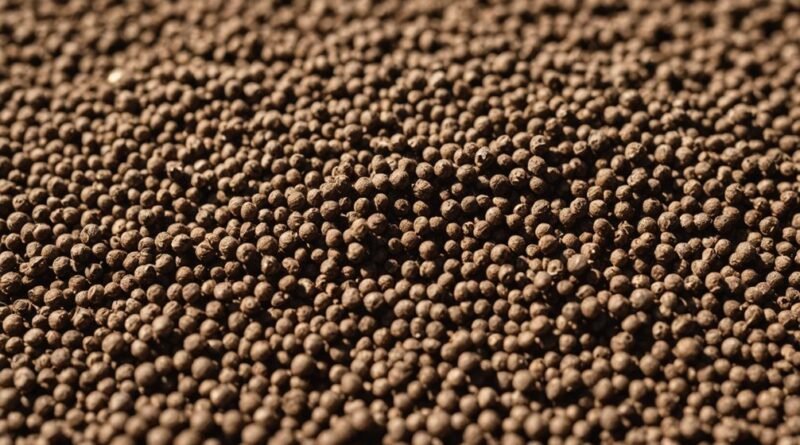
If you’ve spotted small pellets near wooden surfaces in your home, you could be looking at termite droppings, also called termite frass or termite feces. These tiny deposits are one of the clearest early signs that these wood-destroying pests are active in your home, and knowing exactly what termite droppings look like, including their color, texture, size, and shape, could save you thousands in structural repairs.
Key Takeaways
- Termite droppings are oval pellets about 1mm long with six concave sides, ranging from light beige to black depending on the wood consumed.
- Drywood termites leave visible frass piles near kick-out holes; subterranean termites mix waste into mud tubes instead of leaving visible droppings.
- Fresh, moist droppings signal an active infestation requiring immediate inspection; dry, scattered pellets suggest older activity.
- Common locations include window sills, baseboards, floorboards, and wooden beams.
- Termite frass can resemble coffee grounds, fine sand, or sawdust, but the six-sided shape under magnification sets it apart from all three.
- Swarmers (winged termites) found near droppings confirm a nearby active colony.
What Do Termite Droppings Look Like?
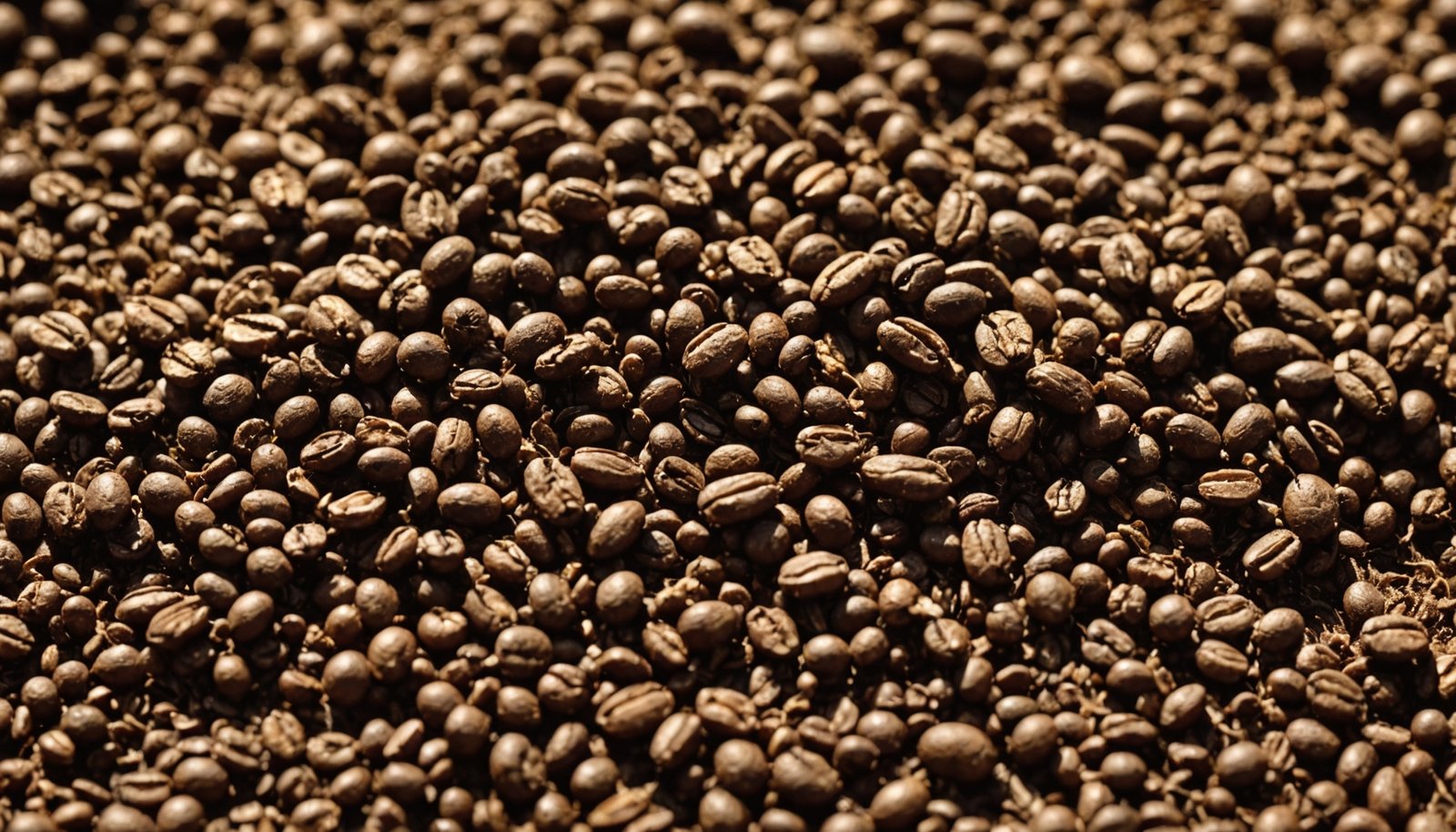
The appearance of termite droppings is fairly distinct once you know what to look for. Drywood termite droppings measure roughly 1 millimeter in length with six concave sides and rounded ends. The color ranges from light beige to dark brown or black, depending on the type of wood and cellulose the colony is consuming. Oak produces darker frass; pine tends to leave lighter, tan-colored termite pellets.
The texture is dry and granular, similar to fine sand or coarse salt. Homeowners often describe piles of termite poop as resembling pepper, coffee grounds, or sawdust, but the consistent six-sided shape distinguishes frass from all of these. Fresh deposits appear concentrated near kick-out holes, where termites push feces out of their tunnels to keep their termite galleries clean.

Termite Droppings vs. Other Insect Waste
Getting the identification right before calling a pest control company saves time and prevents a real termite problem from growing while you investigate.
- Termite frass vs. carpenter ant debris: Carpenter ants produce coarser waste that contains mixed material including wood shavings, dead insects, and larvae. Termite droppings are uniform oval pellets with a consistent shape.
- Termite frass vs. sawdust: Sawdust from power tools has irregular size and shape. Frass is remarkably consistent in its six-sided form and may carry a faint musty odor near active nests.
- Termite frass vs. coffee grounds: Coffee grounds are rounded, irregular, and dark but lack the six-sided concave geometry. They also won’t appear near wood structures, walls, or window sills.
- Termite frass vs. mouse droppings: Mouse droppings measure 3 to 6mm, are tapered at the ends, and appear along floorboards or inside furniture drawers. Termite droppings are smaller and found in piles near wood kick-out holes.
- Termite frass vs. sand: Fine sand looks similar in color and texture, but its individual grains always lack the six-sided shape visible under a magnifying glass, and it won’t appear repeatedly near wooden surfaces.
Types of Termite Droppings by Species
Drywood Termite Frass
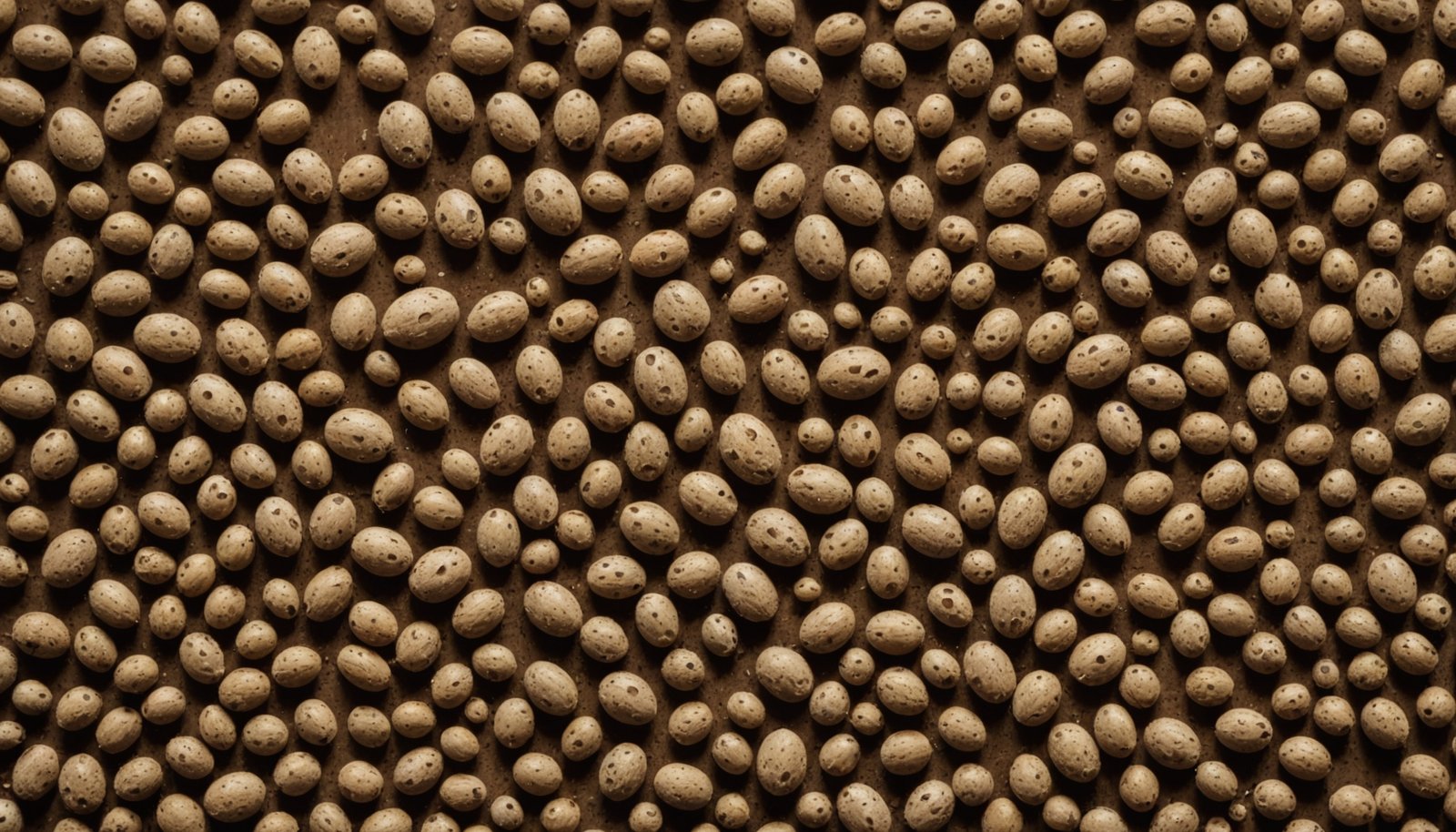
Drywood termites produce the most recognizable frass. Uniform pellets with six concave sides and rounded ends form small mounds near kick-out holes in wooden structures. Color varies from light beige to dark brown or black based on wood type. These piles frequently appear on window sills, floors, and beneath infested furniture.
Drywood Frass Color at a Glance
Light wood like pine produces tan to cream pellets. Darker hardwoods like oak or mahogany produce medium-brown to nearly black frass. The color alone can help a pest control team narrow down the termite species and identify where active feeding is occurring inside the structure.
Subterranean Termites: Mud Tubes Instead of Frass
Subterranean termites don’t leave visible droppings. Instead, they mix feces with soil to form mud tubes along foundations, exterior walls, and wood surfaces. These pencil-width tunnels are the primary sign of subterranean termite activity. Breaking a tube and checking for live termites confirms active infestation versus an old, abandoned one.
Dampwood Termite Droppings
Dampwood termites produce larger, irregular particles mixed with wood fibers. The color ranges from dark brown to black, reflecting the moisture content of the wood consumed. These droppings don’t form neat pellets and are often confused with natural wood decay or construction dust, particularly in humid regions like California, Florida, and the Pacific Northwest.
Where to Find Termite Droppings
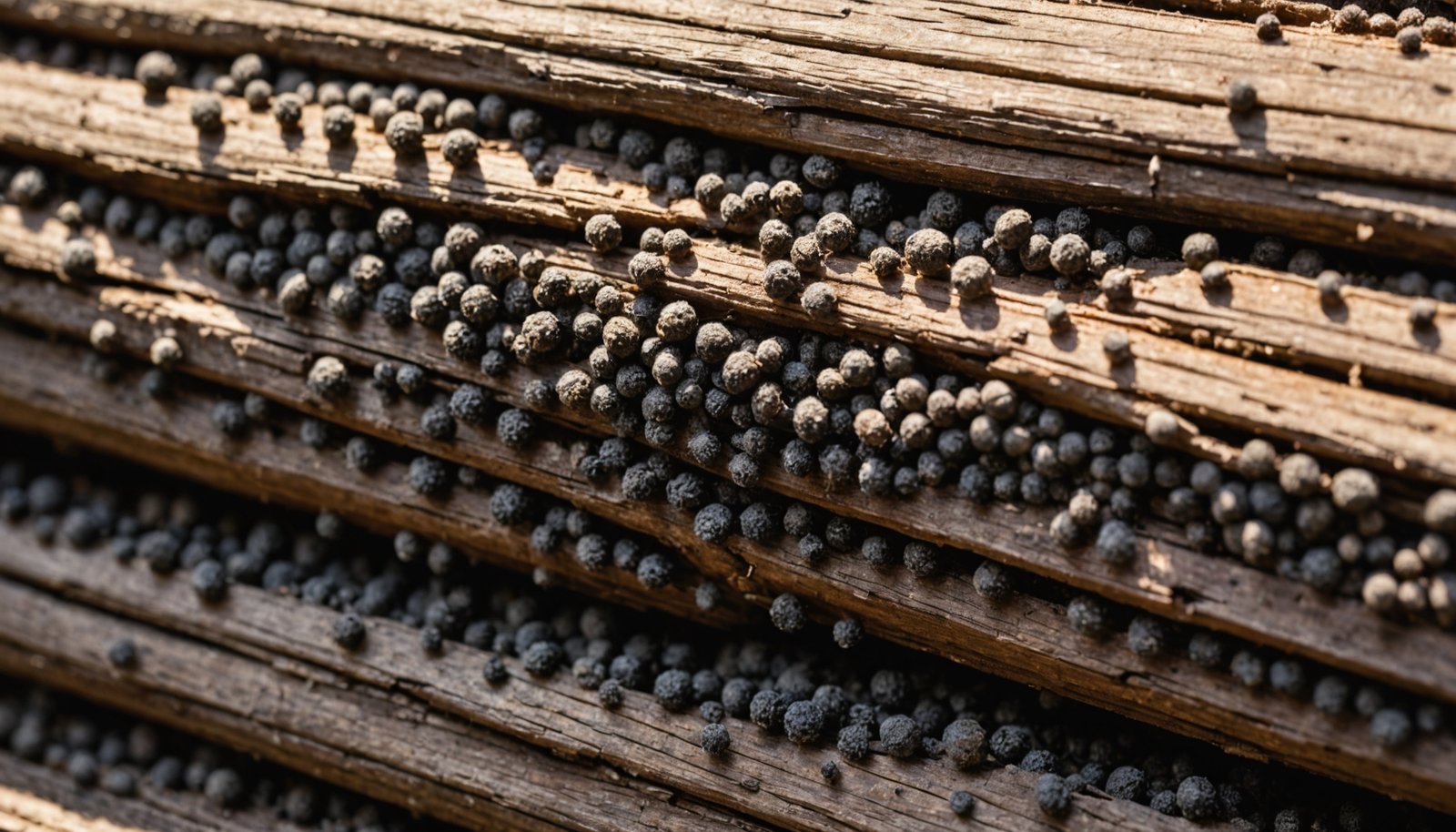
Check these problem areas when inspecting for signs of termite activity in your home:
- Between floorboards, under carpets, and along wooden beams
- Crawlspaces, attics, and basements near wood support structures
- Window sills, windows, baseboards, and outdoor wooden surfaces like porches and decking
- Beneath or inside solid wood furniture, especially antique or unfinished pieces stored in garages
- Around door frames and construction joints where wood meets concrete or soil
Finding discarded wings alongside droppings confirms swarmers have been active nearby, indicating a colony has recently established or expanded in the area.
Fresh vs. Old Droppings: Signs of Active Infestation

Fresh termite frass appears moist, concentrated, and clearly six-sided, forming neat piles near kick-out holes. Old frass is dry, scattered, and loses its distinct shape over time, eventually resembling coarse dust or sawdust.
Fresh piles that accumulate repeatedly in the same spots signal an active infestation inside your walls or floors. Old, static frass may indicate a past infestation that has moved on, though a professional inspection is still recommended to confirm no live colonies remain, since termite infestations can quietly resume without warning.
Health and Property Risks From Termite Activity
Termite droppings signal more than just structural damage risk. The dust from accumulated frass and shed larvae casings can trigger respiratory problems and allergies, particularly in children and the elderly. Since termites work silently within wood structures, frass is often the only early evidence of an infestation before visible structural damage appears. By the time hollow-sounding wood or buckling floors appear, a colony may have been active for months.
What to Do When You Find Termite Droppings
Leave the area undisturbed. Don’t vacuum or wipe away frass before a professional inspection, as removing it eliminates key evidence. Take clear photos of the piles and their locations, noting proximity to wood structures, window sills, and baseboards. Check surrounding furniture and construction joints for additional deposits, and note any musty odor or hollow-sounding wood nearby.
Contact a licensed pest control company to schedule a termite inspection as quickly as possible. For information on potential health exposure, read our guide on whether termite droppings are toxic to humans and pets.
Professional Treatment and Prevention
Treatment depends on species. For drywood termites found in furniture or isolated wood structures, localized spot treatment or fumigation are standard options. For subterranean species, liquid termiticides and bait systems target the colony through the soil. A licensed pest control team will confirm species identification and recommend the right termite treatment options for your property.
Prevention includes installing bait stations, protective wood coatings, moisture control, and sealing construction gaps that give termites access to cellulose inside the house. Annual termite inspections are particularly important in warm, humid regions where subterranean termites remain active year-round.
Frequently Asked Questions
What do termite droppings look like?
Termite droppings appear as tiny oval pellets roughly 1mm long with six concave sides and rounded ends. They range from light beige to dark brown or black and often resemble coffee grounds, fine sand, or pepper depending on the wood species being consumed.
What color are termite droppings?
Color varies from light tan to dark brown or black based on the type of cellulose and wood the termites are eating. Droppings from termites feeding on pine tend to be lighter; those from hardwoods like oak are darker.
Do termite droppings smell?
Large accumulations of fresh termite frass near active nests can carry a faint, musty odor. This smell is not always noticeable in small piles but becomes more apparent in confined spaces like crawlspaces or attics with significant infestation activity.
How big are termite droppings?
Drywood termite droppings measure approximately 0.9 to 1mm in length. They are much smaller than rodent droppings, such as mouse droppings (3 to 6mm), and smaller than most other pest feces, which helps with identification.
Can termite droppings be mistaken for dirt or sand?
Yes. Fine sand and termite frass look similar in color and texture, especially for dampwood species. The key difference is location: frass always appears near wood surfaces, and the six-sided pellet shape is visible under a magnifying glass. Dirt or sand won’t have that uniform geometric form.
What do homeowners most often mistake for termite droppings?
The most common mix-ups are with sawdust, coffee grounds, and carpenter ant debris. Sawdust is irregular in size and shape. Coffee grounds are rounded without the six-sided geometry. Carpenter ant waste contains mixed material like insect parts and wood shavings rather than uniform pellets.
{
“@context”: “https://schema.org”,
“@graph”: [
{
“@type”: “Article”,
“headline”: “Termite Droppings: What They Look Like and How to Identify Them”,
“description”: “Learn what termite droppings look like, including color, texture, size, and shape. Compare termite frass to sawdust, coffee grounds, and other insect waste, and find out what to do when you discover droppings in your home.”,
“image”: “https://termitecontrolcare.com/wp-content/uploads/2025/09/termite_frass_identification_guide_w8bnd.jpg”,
“author”: {
“@type”: “Organization”,
“name”: “Termite Control Care”
},
“publisher”: {
“@type”: “Organization”,
“name”: “Termite Control Care”,
“logo”: {
“@type”: “ImageObject”,
“url”: “https://termitecontrolcare.com/wp-content/uploads/termitecontrolcare-logo.png”
}
},
“datePublished”: “2025-09-01”,
“dateModified”: “2026-05-19”
},
{
“@type”: “BreadcrumbList”,
“itemListElement”: [
{
“@type”: “ListItem”,
“position”: 1,
“name”: “Home”,
“item”: “https://termitecontrolcare.com/”
},
{
“@type”: “ListItem”,
“position”: 2,
“name”: “Termite Droppings: What They Look Like”,
“item”: “https://termitecontrolcare.com/termite-droppings-what-they-look-like-and-why-they-matter/”
}
]
},
{
“@type”: “FAQPage”,
“mainEntity”: [
{
“@type”: “Question”,
“name”: “What do termite droppings look like?”,
“acceptedAnswer”: {
“@type”: “Answer”,
“text”: “Termite droppings appear as tiny oval pellets roughly 1mm long with six concave sides and rounded ends. They range from light beige to dark brown or black and often resemble coffee grounds, fine sand, or pepper depending on the wood species being consumed.”
}
},
{
“@type”: “Question”,
“name”: “What color are termite droppings?”,
“acceptedAnswer”: {
“@type”: “Answer”,
“text”: “Color varies from light tan to dark brown or black based on the type of cellulose and wood the termites are eating. Droppings from termites feeding on pine tend to be lighter; those from hardwoods like oak are darker.”
}
},
{
“@type”: “Question”,
“name”: “Do termite droppings smell?”,
“acceptedAnswer”: {
“@type”: “Answer”,
“text”: “Large accumulations of fresh termite frass near active nests can carry a faint, musty odor. This is not always noticeable in small piles but becomes more apparent in confined spaces like crawlspaces or attics with significant infestation activity.”
}
},
{
“@type”: “Question”,
“name”: “How big are termite droppings?”,
“acceptedAnswer”: {
“@type”: “Answer”,
“text”: “Drywood termite droppings measure approximately 0.9 to 1mm in length. They are much smaller than rodent droppings, such as mouse droppings (3 to 6mm), and smaller than most other pest feces, which helps with identification.”
}
},
{
“@type”: “Question”,
“name”: “Can termite droppings be mistaken for dirt or sand?”,
“acceptedAnswer”: {
“@type”: “Answer”,
“text”: “Yes. Fine sand and termite frass look similar in color and texture. The key difference is location: frass always appears near wood surfaces, and the six-sided pellet shape is visible under a magnifying glass. Dirt or sand won’t have that uniform geometric form.”
}
},
{
“@type”: “Question”,
“name”: “What do homeowners most often mistake for termite droppings?”,
“acceptedAnswer”: {
“@type”: “Answer”,
“text”: “The most common mix-ups are with sawdust, coffee grounds, and carpenter ant debris. Sawdust is irregular in size and shape. Coffee grounds are rounded without six-sided geometry. Carpenter ant waste contains mixed material like insect parts and wood shavings rather than uniform pellets.”
}
}
]
}
]
}

Pingback: Termite Fumigation Cost: $1,200–$2,800 Tenting Prices by Home Size (2026)