Termite Galleries: What They Are and How to Spot Them
Termite galleries are hidden tunnel networks termites chew through wood and soil, creating warm, dark, humid passageways for feeding and travel. You can spot them by hollow‑sounding wood, long feeding grooves, blistered paint, sagging floors, and mud tubes on walls or foundations. Check basements, crawl spaces, subfloors, and areas where wood touches soil, especially in damp spots. If you learn what these tunnels look like and why they form, you’ll be far quicker at catching damage in time.
Key Takeaways
- Termite galleries are hidden tunnel-and-chamber networks in wood or soil that termites use for movement, feeding, and maintaining a warm, humid microclimate.
- Look for hollow-sounding wood, long slender ridges on exposed timber, and blistered or bubbling paint as surface clues to internal galleries.
- Mud tubes on walls or foundations and dried mud spots in or on wood strongly indicate subterranean termite gallery activity.
- Galleries are commonly found near foundations, crawl spaces, basements, subfloors, attics, decks, and any wood-to-soil contact areas, especially where moisture issues exist.
- Tap and probe suspicious wood yourself, but call professionals if multiple areas sound hollow, mud tubes persist, or you hear muffled noises in walls.
What Termite Galleries Are and How They Work
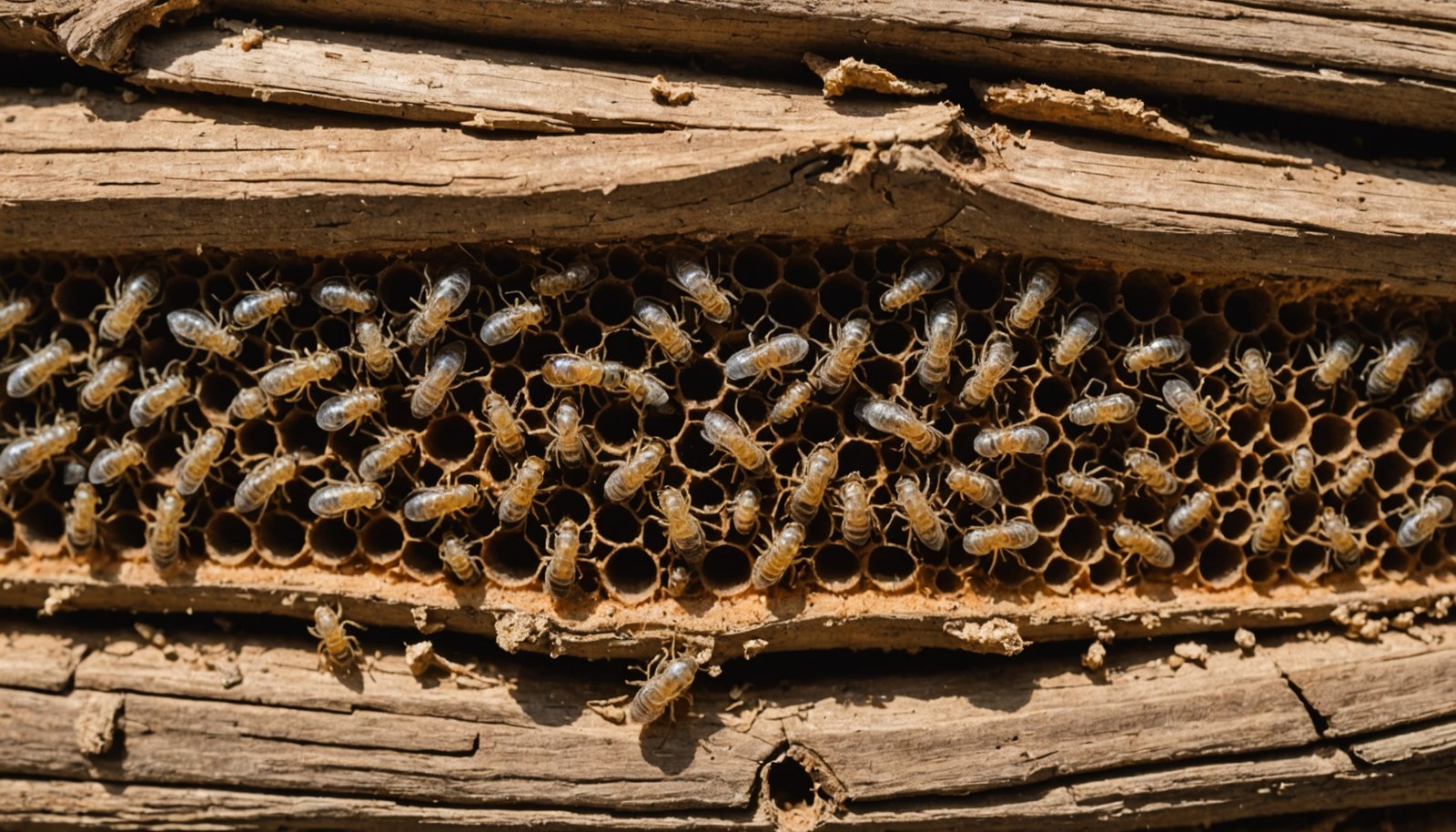
Termite galleries are intricate tunnel-and-chamber systems that termites carve into wood or soil to live, move, and feed. You can think of them as hidden highways and rooms: long, narrow tunnels (the “galleries”) branch into chambers that house the king, queen, workers, soldiers, and young. These spaces also store food and help termites navigate safely between nest areas. Workers build galleries by chewing through wood or soil, leaving a latticework of passages. As they eat, they replace lost material with a mix of soil particles, chewed wood, saliva, and feces. These galleries help maintain an optimum microclimate, keeping conditions warm, dark, and humid so the colony can survive and thrive. They shape boluses—tiny soil pellets—then cement them together, using liquid feces to create a plaster-like lining on walls and partitions. Depending on the species, galleries may wind entirely inside wood, spread through damp soil, or rise as carton structures in trees, all designed to protect the colony and stabilize temperature and humidity.
Key Signs of Termite Galleries in Your Home
Recognizing the early signs of termite galleries in your home helps you catch damage before it becomes severe and costly.
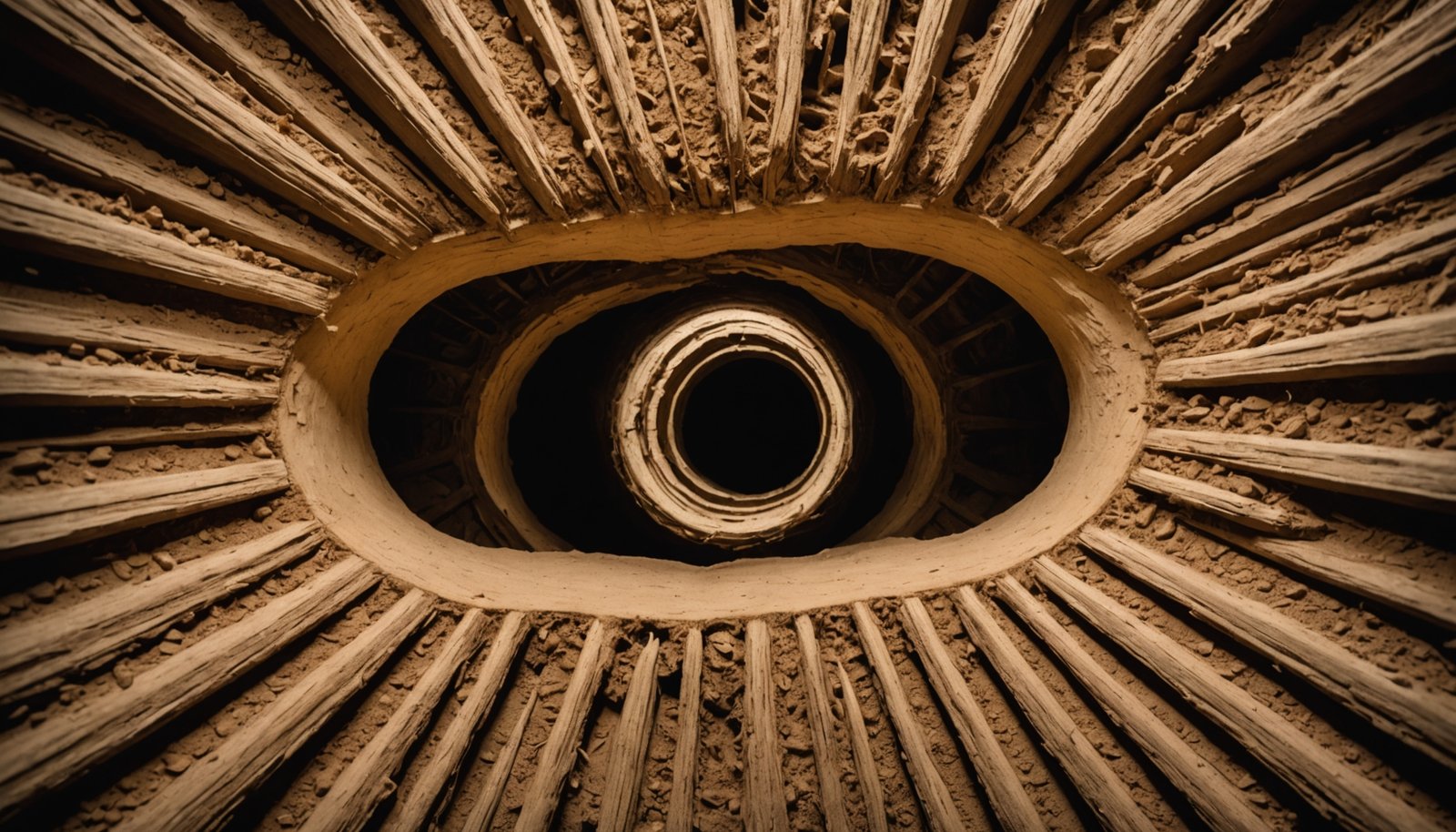
Look closely at exposed wood. Long, slender ridges can appear where termites eat the softer portions and leave harder wood behind. Tap beams, trim, and door frames; a hollow sound suggests internal galleries. Soft or uneven flooring can signal hidden damage in subfloors or framing. Mud tubes on walls or foundations are another clear sign and should prompt a professional termite inspection.
Look for ridged wood, hollow‑sounding trim, and spongy or uneven floors—subtle clues of hidden termite galleries
Check for mud shelter tubes on foundation walls, support piers, or around plumbing. If you break a small 1‑inch section and see termites—or the tube’s rebuilt within days—you’re dealing with active galleries.
Inside, watch for BB‑sized dried mud spots on walls or ceilings where termites opened and then sealed pinholes.
During DIY projects, note any dried mud inside damaged wood, fresh caulk at baseboards, or mismatched trim, which can indicate current or past gallery activity that needs professional evaluation.
Where Termite Galleries Most Often Show Up
Once you know what to look for, the next step is understanding where galleries tend to appear first. Subterranean termites often start around your foundation and basement, slipping through concrete cracks and building mud tubes along walls and support piers. Persistent moisture here makes these areas prime territory.
Inside living spaces, termites favor walls and studs. Wooden framing, drywall backing, and insulation give them food, shelter, and large surface areas to exploit, often without obvious surface damage. Homeowners should schedule regular inspections in these areas to catch hidden termite galleries before they cause significant structural damage.
Crawl spaces and subfloors are another hotspot. Termites move up from the soil, travel along inner foundation walls, and attack wooden floors and baseboards, especially where leaks keep things damp.
Above you, attics and roofs invite drywood termites into rafters and joists, particularly where ventilation is poor or leaks create moisture pockets.
Outdoors, soil near the foundation, decks, pergolas, and rotted stumps frequently serve as the first launch points for galleries.
DIY Checks to Spot Termite Galleries Early
Even without professional tools, you can run simple checks around your home that reveal termite galleries before damage becomes obvious. Start with a slow visual sweep of walls, ceilings, and woodwork. Watch for sagging areas, bubbling or discolored paint, blistered timber, or tiny exit holes and frass behind furniture or along skirting boards. Regular inspections at least once a year make it more likely you’ll spot termite galleries before they cause serious structural damage.
Tap suspect spots with a rubber mallet or screwdriver handle; hollow, papery sounds often mean internal galleries.
Use basic tools and simple routines:
- Gently press walls, door frames, and window frames; softened or flexing sections can signal hidden damage.
- Probe suspicious wood with a screwdriver—easy penetration or crumbling interiors suggest galleries.
- Run a moisture meter along baseboards, bathrooms, kitchens, and window frames; readings over 20% warrant closer inspection.
- If you own or can borrow a thermal camera, scan previously flagged areas for unusual hot spots that may reflect termite activity.
What Mud Tubes Reveal About Active Termites
When you spot pencil-thin mud tubes snaking along your foundation or walls, you’re seeing the hidden highways termites build between soil and wood. These tubes are made from soil, wood, and termite saliva, and they help keep termites moist and protected while they travel.
By checking how these tubes look and feel, you can tell if termites are actively moving through them or if they’re remnants of an old infestation.
Next, you’ll see why termites build different kinds of tubes, how to read signs of fresh activity, and how to distinguish new tubes from abandoned ones.
Why Termites Build Tubes
Although termite mud tubes may look like random dirt smears on walls or foundations, they’re actually carefully engineered tunnels that reveal a lot about an active colony. Subterranean termites build them to survive above ground while staying as close as possible to the safe, stable conditions of the soil.
These tubes let termites move between their nest and your home’s wood without exposing their soft bodies. As they travel, they stay hidden, humid, and protected.
Termites build tubes to:
- Shield themselves from predators that hunt exposed termites
- Trap moisture so workers don’t dry out on concrete or brick
- Block sunlight, wind, and temperature swings
- Create covered highways that connect soil to wood, paper, and fabrics
Signs Of Tube Activity
Those carefully engineered tubes don’t just move termites around—they also tell you whether a colony’s actively feeding on your home.
You’ll usually spot pencil-width mud tubes along foundations, exterior concrete walls, sill plates, slab cracks, and in crawl spaces, but they can also hide behind baseboards, inside walls, or in foundation gaps.
Standard tubes run ¼–1 inch wide and may climb many feet to reach wood.
To test a suspicious tube, break out a 1‑inch section. If you see termites or the tube’s rebuilt within a few days, you’re dealing with an active colony.
Moist, dark tubes, BB‑sized mud “pinholes,” small bulges in trim, hollow wood, discarded wings, and termite feces all strengthen the case for current activity.
Distinguishing Old From New
Because mud tubes can linger long after termites move on, learning to tell fresh construction from abandoned highways helps you avoid false alarms and catch real infestations early.
You’ll focus on color, moisture, texture, and termite response. Active tubes look darker and moist, feel firm, and usually run from soil directly to wood. Inactive tubes turn light, dry, and brittle, often branching over concrete or metal without reaching a food source.
Use these checks:
- Look for darker, moist tubes about pencil-width that thicken near wood.
- Gently break a 1‑inch section; live termites or quick repairs mean activity.
- Scrape isolated mud spots to expose holes and watch for movement.
- Reinspect after a few days; no repair usually indicates old, abandoned tubes.
How to Tell Termite Galleries From Ant or Rot Damage
When you’re staring at damaged wood, you need to know whether you’re seeing termite galleries, carpenter ant tunnels, or simple rot.
By looking closely at the visual signs in the wood and the presence or absence of mud, you can separate termite damage from other problems.
Next, you’ll see how termite mud tubes and their messy, coated galleries differ sharply from the clean, smooth channels ants leave behind and the crumbling texture of rot.
Visual Signs In Wood
Although termite and ant damage can both leave wood looking chewed and hollow, their galleries have very different “signatures” once you look closely.
When you open up suspect boards, termite galleries look rough and ragged, with bits of wood and debris embedded in the walls. Ant tunnels, in contrast, appear smooth and almost sanded.
You’ll often see termite feeding patterns hollowing wood from the inside out, leaving only a thin outer shell. That’s why painted trim can sound hollow when tapped yet still look intact.
Look for:
- Rough, irregular tunnels instead of smooth, finished passageways
- No sawdust piles outside; ants leave obvious frass
- Mud-caked, debris-filled gallery walls
- Continuous hollowing through sound wood, not just weakened spots
Distinguishing Mud Tubes
You’ve seen how termite galleries inside wood look rough and debris-filled compared to the smooth tunnels ants leave; now it’s time to study what’s happening on the surface.
Termite mud tubes feel firm and compact, not dusty or crumbly. They’re made from soil, wood particles, moisture, and saliva, which glue everything into a hard, pencil-width tunnel running from soil to wood along foundations, piers, crawl spaces, or walls.
When you brush a termite tube away, it breaks off in chunks and doesn’t leave a distinct stain.
Ant material behaves differently. Ant frass or loose tunnel soil collapses instantly, feels like shredded, dry debris, and often appears near windows, doors, kitchens, sidewalks, or landscaping. Frass is waste, not a sealed highway.
Conditions That Attract Termite Galleries Around Your Home
Several common conditions around a house quietly invite termites to build galleries and spread out of sight. Subterranean termites seek three things: moisture, wood, and hidden access. When you unknowingly provide all three, galleries can form in walls, floors, and structural framing.
Pay close attention to:
- Moisture problems – Leaky pipes, soggy soil from poor drainage, clogged or dirty gutters, and condensation keep soil and wood damp, especially in warm, humid climates.
- Wood touching soil – Wood siding, steps, decks, or firewood stacked directly on the ground give termites easy cellulose, shelter, and water.
- Cracks and gaps – Tiny openings in foundations, expansion joints, and around doors, windows, vents, or siding let termites slip in and build protected mud tubes.
- Landscaping and dark spaces – Mulch or dense shrubs against the house, overhanging trees, cluttered crawl spaces, basements, and garages create shaded, moist, concealed zones where galleries thrive.
When to Call a Pro for Suspected Termite Galleries
Once you understand what attracts termites, the next step is knowing when you can’t handle the problem alone. Call a pro if you see damage in multiple rooms, warped boards, or wood that sounds hollow or feels soft when you press or probe it. Any compromised beams, subflooring, or joists need immediate expert attention.
You also shouldn’t keep “testing” DIY fixes. If mud tubes, wings, droppings, or swarmers return after your treatments, you’re likely dealing with an active colony that requires professional eradication.
Persistent muffled or bubbling sounds inside walls are another reason to stop guessing and schedule an inspection.
Even if you’re unsure, it’s smart to call. Doubt about what you’re seeing, especially around sinks, basements, crawlspaces, foundations, or soil, justifies a professional visit.
Experts recommend annual inspections, and in high-risk areas or at the first sign of galleries, you shouldn’t delay contacting a licensed termite specialist.
How Pros Confirm Termite Gallery Damage
When a termite specialist inspects your home, they use systematic methods and specialized tools to confirm whether galleries are actually damaging the structure.
You’ll see them work with moisture meters, infrared cameras, probes, and other instruments, then interpret what those readings and samples really mean.
They may also send wood or insect samples to a lab, and they’ll explain the test results so you understand the extent of the damage and what needs to happen next.
Professional Inspection Techniques
Although termite galleries often stay hidden deep inside walls and structural members, professionals use a combination of specialized tools and targeted techniques to confirm exactly where the damage is and whether it’s still active.
During an inspection, they don’t guess; they systematically verify gallery locations, activity, and structural impact.
You’ll see a pro move methodically around your home, comparing what they hear, see, and measure:
- They visually inspect basements, crawlspaces, and attics for hollowed wood, frass, buckling, and warped members.
- They probe and tap exposed wood, listening for hollow sounds that signal internal galleries.
- They apply acoustic detectors near suspected areas to pick up termites chewing in real time.
- They map moisture levels and conditions, especially in subfloors, to trace where galleries are most likely spreading.
Tools Used For Detection
Beyond a trained eye and good instincts, termite specialists rely on a tight toolkit of instruments that let them “see” inside walls and structural members without tearing anything open.
Thermal imaging cameras scan surfaces for subtle heat signatures from hidden nests and pair with data loggers for ongoing monitoring. Moisture meters measure deep moisture pockets; readings above about 20 percent often confirm suspicious areas.
Radar and motion sensors send low-energy microwaves through walls to pick up live movement. Acoustic detectors act like stethoscopes, amplifying chewing and rustling inside timber to verify activity.
Finally, inspectors use probes, tapping tools, and flashlights to check wood firmness, expose mud tubes, and inspect drilled holes with fiber optics, tying physical evidence to what the instruments detected.
Interpreting Lab Test Results
How do professionals move from “it looks like termites” to a confirmed diagnosis of gallery damage? They rely on lab-backed evidence instead of guesswork. When they remove wood, paint, or frass from suspected galleries, those samples go through a series of targeted tests.
In the lab, experts:
- Examine wood under a microscope to spot classic termite galleries and rule out rot or carpenter ants.
- Measure moisture content in wood and coatings to confirm the damp conditions that attracted termites.
- Analyze frass pellets and discarded wings to identify termite species and colony maturity.
- Test structural integrity of damaged wood to learn how much load‑bearing capacity you’ve lost.
They pair these findings with thermal, moisture, borescope, and acoustic data to judge infestation severity and design precise treatments.
Preventing New Termite Galleries on Your Property
When you understand what attracts termites, you can design your property to stop new galleries from ever getting started.
Start with landscaping: trim shrubs so there’s 12 inches between plants and walls, keep grass short, and rake leaves. Avoid wood mulch; use pine needles, pea gravel, or stone, and keep any organic beds 12 inches from the foundation. Maintain airflow around the foundation so damp areas dry quickly.
Control moisture relentlessly. Fix leaks, clear gutters, improve drainage, and eliminate standing water. Seal foundation cracks, repair roof leaks, ventilate damp spaces, and replace any rotted wood in humid areas.
Make structural changes where needed. Maintain 6 inches of clearance between soil and any wood, and keep siding and shingles above grade. Use concrete, brick, and metal frames at ground contact, and seal utility gaps with mesh screens.
Finally, schedule annual inspections, monitor for mud tubes, and use professional soil and wood treatments when recommended.
Conclusion
You don’t have to wait for major damage before acting on termite galleries. Now that you know what they look like, where they show up, and how mud tubes and other signs give them away, you can spot trouble early. Do simple checks regularly, fix moisture issues, and seal entry points. If you see anything suspicious, call a pro fast—quick action protects your home, your wallet, and your peace of mind.