
Termite Allergies: Symptoms, Causes and When to See a Doctor
{
“@context”: “https://schema.org”,
“@graph”: [
{
“@type”: “Article”,
“headline”: “Termite Allergies: Symptoms, Causes and When to See a Doctor”,
“description”: “Learn how termite allergies cause sneezing, wheezing, and rashes, what triggers reactions at home, and exactly when to see a doctor.”,
“image”: “https://termitecontrolcare.com/wp-content/uploads/2026/03/termite_allergy_risk_factors_aeo7d.jpg”,
“author”: {
“@type”: “Organization”,
“name”: “Termite Control Care”
},
“publisher”: {
“@type”: “Organization”,
“name”: “Termite Control Care”,
“logo”: {
“@type”: “ImageObject”,
“url”: “https://termitecontrolcare.com/wp-content/uploads/logo.png”
}
},
“datePublished”: “2026-03-01”,
“dateModified”: “2026-05-21”
},
{
“@type”: “BreadcrumbList”,
“itemListElement”: [
{
“@type”: “ListItem”,
“position”: 1,
“name”: “Home”,
“item”: “https://termitecontrolcare.com/”
},
{
“@type”: “ListItem”,
“position”: 2,
“name”: “Termite Allergies: Symptoms, Causes and When to See a Doctor”,
“item”: “https://termitecontrolcare.com/termite-allergies-symptoms-causes/”
}
]
},
{
“@type”: “FAQPage”,
“mainEntity”: [
{
“@type”: “Question”,
“name”: “What causes termite allergies?”,
“acceptedAnswer”: {
“@type”: “Answer”,
“text”: “Termite allergies are caused by allergenic proteins found in termite droppings, saliva, body parts, and shed skins. When these particles become airborne indoors, your immune system can overreact and trigger a Type 1 hypersensitivity response, leading to respiratory, skin, and eye symptoms.”
}
},
{
“@type”: “Question”,
“name”: “What are the most common termite allergy symptoms?”,
“acceptedAnswer”: {
“@type”: “Answer”,
“text”: “Common symptoms include sneezing, coughing, wheezing, chest tightness, nasal congestion, itchy or watery eyes, skin rashes, hives, and headaches. In people with asthma, symptoms can escalate to severe attacks. Rarely, anaphylaxis can occur.”
}
},
{
“@type”: “Question”,
“name”: “How are termite allergies diagnosed?”,
“acceptedAnswer”: {
“@type”: “Answer”,
“text”: “Doctors diagnose termite allergies using a skin prick test with termite extract, a specific IgE blood test, or advanced tests such as the atopic patch test, basophil activation test, or nasal provocation test for complex cases.”
}
},
{
“@type”: “Question”,
“name”: “How can I treat termite allergy symptoms at home?”,
“acceptedAnswer”: {
“@type”: “Answer”,
“text”: “At-home management includes using antihistamines or nasal corticosteroids for symptom relief, running HEPA air purifiers, reducing indoor moisture, sealing cracks in walls and foundations, and arranging professional termite control to remove the allergen source.”
}
},
{
“@type”: “Question”,
“name”: “When should I see a doctor for termite allergy symptoms?”,
“acceptedAnswer”: {
“@type”: “Answer”,
“text”: “See a doctor if symptoms last more than a week, persist for months, or fail to improve with over-the-counter medication. Seek immediate emergency care if you experience shortness of breath, severe swelling, hives spreading across your body, or signs of anaphylaxis.”
}
},
{
“@type”: “Question”,
“name”: “Can termite allergies trigger anaphylaxis?”,
“acceptedAnswer”: {
“@type”: “Answer”,
“text”: “Yes, though rare, severe termite allergen exposure can trigger anaphylaxis, a life-threatening reaction involving rapid swelling, a sudden drop in blood pressure, and difficulty breathing. Call emergency services immediately if these signs appear.”
}
}
]
}
]
}
Termite allergies happen when your immune system reacts to termite debris like droppings, body parts, and dust in the air, especially in warm, humid, poorly ventilated homes. You may notice coughing, wheezing, chest tightness, sneezing, congestion, itchy eyes, rashes, or mild bite reactions. Get medical help if breathing worsens indoors, symptoms persist despite medication, or swelling and trouble breathing appear. You will see how to recognize triggers, manage symptoms, and know exactly when to get care.
Key Takeaways
- Termite allergies occur when the immune system overreacts to termite proteins from frass, body parts, and carcasses that become airborne indoors.
- Common symptoms include coughing, wheezing, chest tightness, nasal congestion, sneezing, itchy or watery eyes, skin rashes, and hives.
- Termite allergens can significantly worsen asthma control by inflaming airways and increasing reliance on quick-relief inhalers, especially in poorly ventilated, infested homes.
- Higher risk exists in termite-prone, warm, humid areas, particularly for people with existing allergies, asthma, or chronic respiratory conditions.
- See a doctor if breathing worsens indoors, symptoms persist despite medication, reactions last over a week, or severe signs like swelling or anaphylaxis occur.
Types of Termite Allergies
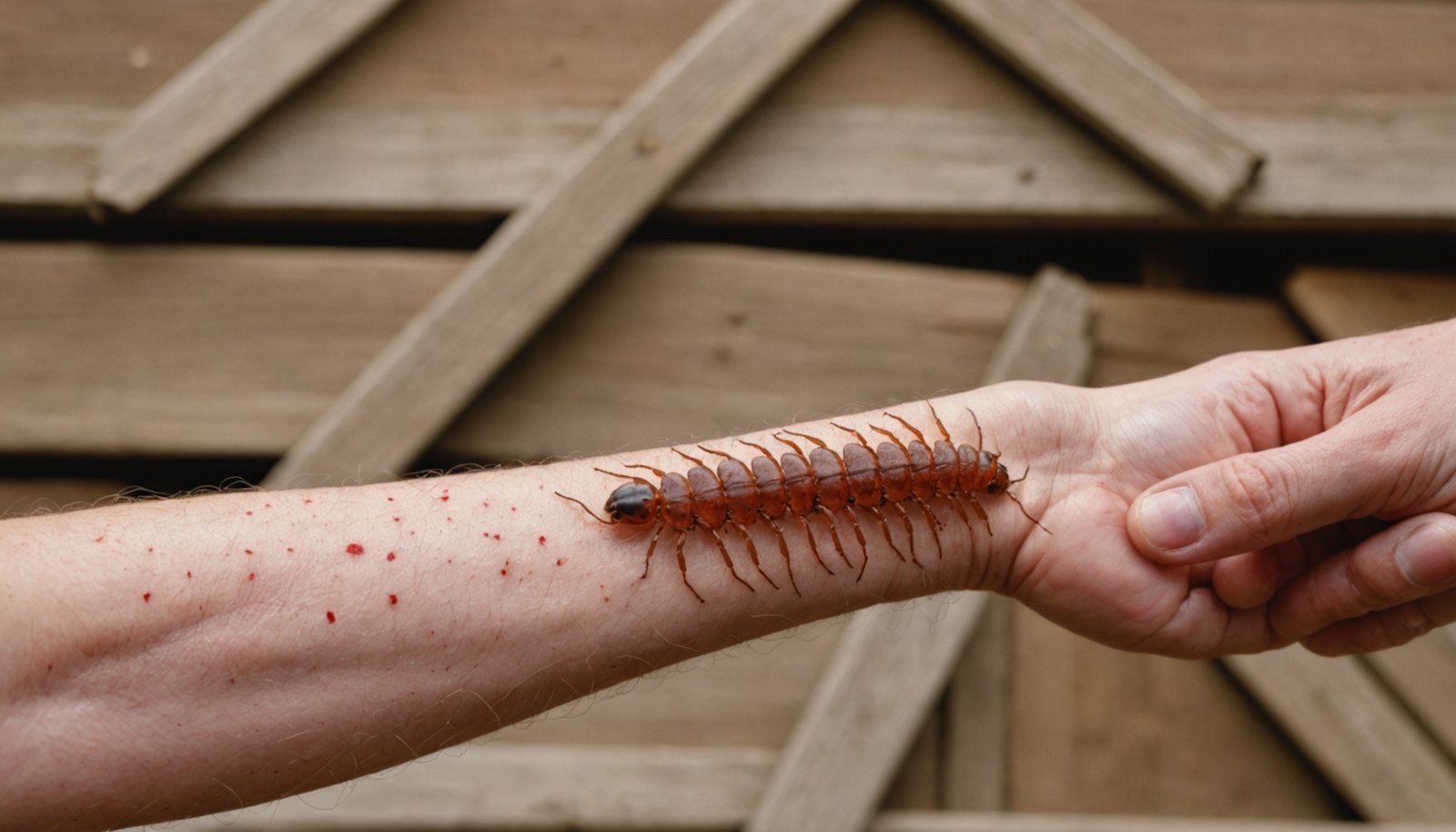
Not every person reacts to termites the same way. Understanding the type of reaction you experience shapes the path toward an accurate diagnosis and effective care. There are three main categories to be aware of.
1. Inhalation allergy (most common)
This is the most frequent type seen in humans living in termite-infested properties. Airborne particles from a termite colony, including frass, shed exoskeletons, and saliva proteins, enter the respiratory tract. Your immune system releases histamine and other chemicals, producing sneezing, coughing, and wheezing. This reaction mirrors a classic respiratory allergy triggered by pest infestations and is especially common in homes with a long-standing termite infestation.
2. Contact dermatitis
Some people develop skin reactions after touching termite frass, infested wood, or surfaces where a termite infestation is active. The reaction involves localized redness, itching, hives, or a burning sensation. Histamine release in the skin drives the discomfort and inflammation at the contact site.
3. Anaphylaxis (rare but serious)
In rare cases, highly sensitized individuals can experience anaphylaxis after significant termite allergen exposure. This is a systemic, life-threatening reaction in which histamine floods the bloodstream, causing sudden swelling, a rapid drop in blood pressure, and severe breathing difficulty. Immediate emergency care is required. Research suggests approximately 12.7% of people exposed to active termite infestations report allergy symptoms of some kind, and children under 14 account for about 22.9% of reported termite allergy cases.
Termite Allergies: What They Are and Who’s at Risk
Although termites do not bite or live on your skin, they can still trigger powerful allergic reactions in some people, especially in homes with active infestations. A termite allergy happens when your immune system overreacts to termite proteins and debris, much like it does with house dust mites. Like dust mites, termites thrive in warm, humid indoor environments where moisture and shelter allow them to persist and accumulate allergenic debris.
Fecal pellets, body parts, exoskeleton fragments, and dead termite carcasses break down into tiny particles that mix with indoor dust and become airborne. When you inhale these particles, allergenic proteins contact your airway lining.
Tiny termite fragments become airborne with household dust, exposing your airways to potent allergenic proteins.
Proteases similar to Der p 1 can disrupt protective barriers, allowing allergens to penetrate, bind IgE antibodies, and activate mast cells in a classic Type 1 hypersensitivity reaction. This process also causes the release of histamine, which is responsible for much of the itching, swelling, and nasal congestion you feel.
You are at higher risk if you live in warm, humid, termite-prone areas, have a family history of allergies, or already struggle with asthma, hay fever, or eczema, especially in poorly ventilated homes with long-standing termite activity. Homes with untreated termite damage have a 37.4% higher likelihood of occupants developing allergy symptoms.
Common Termite Allergy Symptoms (Including Bites)
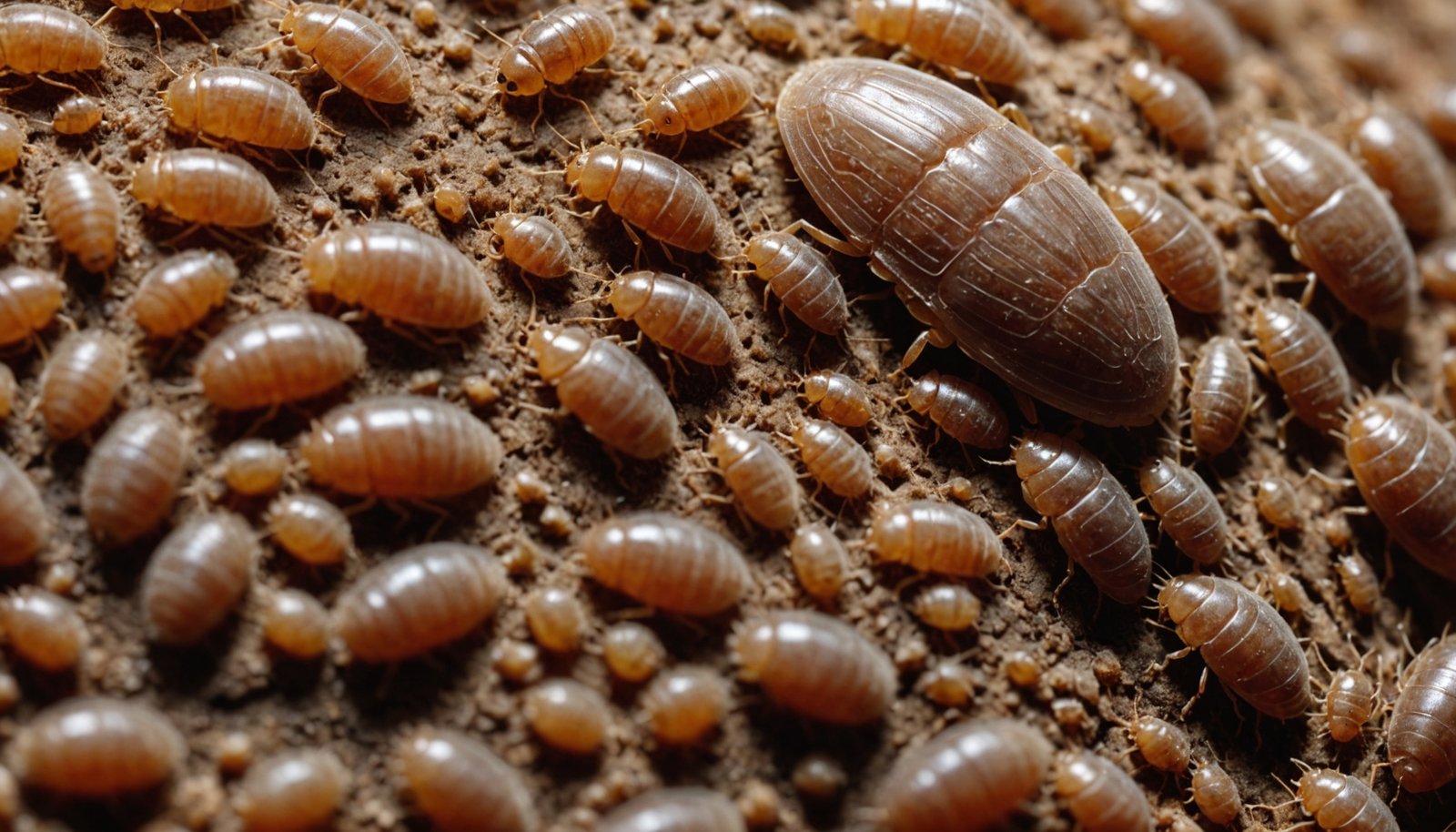
Even though termites rarely bite people, they can still cause a wide range of allergy symptoms that often sneak up on you. A bite usually leaves a small red bump with minor irritation, slight itching, and minimal swelling. You might feel a quick, painless pinch, then notice a tiny mark that heals slowly but can stay itchy. Because infestations can lead to increased exposure to harmful microorganisms, any bite or skin break should be cleaned carefully to lower your risk of infection.
Beyond bites, ongoing exposure to termite allergens often affects your breathing, eyes, and overall comfort:
1. Breathing and nasal symptoms
You may develop persistent coughing, wheezing, chest tightness, nasal congestion, sinus pressure, sneezing, and a scratchy throat, often worse indoors or at night. Around 83% of termite allergy cases involve respiratory symptoms such as sneezing or wheezing.
2. Eye and facial symptoms
Itchy, watery, red, or swollen eyes, facial pressure or pain, and puffy skin under your eyes can all signal a reaction.
3. Skin and whole body reactions
Hives, severe rashes, intense itching, headaches, fatigue, and worsening asthma may appear. A feeling of general discomfort is also common, particularly after spending time in heavily infested rooms. Very rarely, severe reactions like anaphylaxis can occur.
What Triggers Termite Allergy Reactions at Home

At home, termite allergens usually reach you in two main ways: through the air you breathe and through direct contact with your skin.
You are exposed to airborne termite contaminants when frass, body parts, and fungal spores circulate through rooms and HVAC systems. These airborne particles can aggravate existing asthma and allergy conditions, especially in people who already have respiratory sensitivities.
You can also react when you touch infested materials or get bitten by soldier termites, especially if you are already sensitized.
Airborne Termite Contaminants
Because termite infestations quietly contaminate the air you breathe, the particles they leave behind can trigger powerful allergy and asthma reactions inside your home.
As termites chew through wood, they release microscopic dust, feces, saliva, and mold spores that stay suspended in the air and move through vents and ducts. When you inhale these particles, they can inflame your airways and worsen any underlying breathing problems. People with weakened immune systems or existing respiratory diseases may be more likely to develop severe or prolonged symptoms from this exposure.
- Termite dust and frass: Fine wood particles and feces become airborne, causing coughing, wheezing, throat irritation, headaches, and fatigue, especially if you have asthma or COPD.
- Saliva and droppings proteins: Allergenic proteins travel through your HVAC system, irritating sensitized lungs.
- Mold spores and HVAC spread: Termite-related moisture boosts mold growth; spores and debris circulate, intensifying respiratory symptoms.
Direct Contact Reactions
While airborne particles often get most of the attention, direct contact with termite debris can trigger some of the most immediate and uncomfortable allergy reactions in your home.
When you touch termite frass, those tiny pellets, it can cause intense itching, hives, and red spots wherever your skin is exposed. Pellets on floors, carpets, or bedding make accidental contact likely and may even lead to coughing after skin exposure. Professional termite control services like HiCare can significantly reduce exposure to these termite allergens and help prevent recurring skin and respiratory reactions.
Handling infested wood exposes you to termite saliva proteins that can cause burning, swelling, or severe reactions, especially if you are highly sensitive.
Shed skins, droppings, and wood dust also irritate your skin, aggravate asthma, and provoke sneezing and rashes.
Even decomposing bodies, wings, or rare soldier bites can leave you with redness, pain, and persistent itching.
Termite Bites vs Other Bug Bites: Allergy Clues
When you notice a new bite, you need to tell whether it comes from termites or another insect that is more likely to trigger strong reactions.
By recognizing how termite bites usually look, small faint red bumps with little swelling, you can compare them to mosquito, ant, or flea bites.
You will also watch for allergy clues like spreading redness, rashes, or breathing changes that suggest something more serious than a simple termite nibble.
How Termite Bites Look
Termite bites tend to look subtle, which makes them easy to confuse with other bug bites if you are not paying close attention.
You will usually see a tiny, slightly raised red bump with mild swelling around the spot. The area may look a bit pink or irritated, but it is often so small you might miss it.
You are most likely to notice these bumps on your feet, ankles, or lower legs, places that contact the ground or wood where termites are active. Bites rarely show up on your upper body.
To tell them apart from other bites, focus on:
- Size: small, low welts.
- Pattern: isolated spots, not clusters or lines.
- Sensation: mild itch or tenderness that fades in a few days.
Allergy Signs To Watch
Now that you know what simple termite bites look like, it helps to spot warning signs that point to something more than a harmless bump. Termite contact itself usually causes only slight redness or a mild, short-lived rash near the bite. When symptoms spread or linger, you are likely reacting to termite allergens in dust, droppings, or body parts.
Pay attention if breathing problems worsen indoors, especially at night, or if usual allergy medicine stops working. Here is how termite issues differ from typical bug bites:
| Feature | Termite Related Reaction | Other Bug Bites (e.g., Mosquito) |
|---|---|---|
| Itching/burning | Minimal or none | Intense, persistent |
| Swelling | Mild, fades in 1 to 2 days | Noticeable, may last longer |
| Spread of symptoms | Beyond bite; includes nose, chest, throat | Mostly at bite site |
| Triggers | Indoor dust, ventilation, humidity, mold | Outdoor exposure, single bite events |
How Termite Allergies Can Worsen Asthma and Breathing
Although they are easy to overlook, termite-related allergens can seriously disrupt breathing and asthma control. Proteins in termite droppings and saliva become airborne, enter your airways, and trigger inflammation if you are sensitive.
This extra swelling stacks on top of existing asthma, narrowing your bronchial tubes and making it harder for air to move in and out.
You may notice your symptoms worsen when you are active at home, especially in a long-standing infestation. The more you move, clean, or disturb dust, the more termite particles you inhale. Termite saliva alone contains over 15 known allergens capable of triggering reactions in sensitive individuals.
Typical effects include:
- Intensified asthma symptoms: more wheezing, chest tightness, coughing, and shortness of breath, sometimes escalating into full asthma attacks.
- Loss of asthma control: needing quick-relief inhalers more often, waking at night with coughing, or feeling unable to exercise.
- Higher complication risk: emergency visits, hospitalizations, and in severe, untreated cases, life-threatening respiratory arrest.
Tests Doctors Use to Diagnose Termite Allergies
Because termite allergens can quietly aggravate breathing and asthma, doctors rely on specific tests to confirm whether you are actually sensitized to them. An allergist often starts with a skin prick test. They place a tiny drop of termite extract on your forearm or back, then gently scratch the skin. If you are sensitized, a red, itchy bump appears within 15 to 20 minutes. It is sensitive, quick, and side effects usually fade in about 30 minutes.
If you cannot stop antihistamines or have severe eczema, your doctor may order a specific IgE blood test instead. This measures termite-specific IgE antibodies and reports a numeric level. A clear diagnosis from these tests gives you and your doctor the information needed to build an effective treatment plan.
For complex cases, additional tests can clarify what is really triggering you:
| Test Type | What It Evaluates | Typical Timing |
|---|---|---|
| Atopic patch test | Delayed T-cell responses | Read at 48 to 72 hours |
| Basophil activation | Functional cell activation | Lab-dependent |
| Nasal provocation test | Direct nasal symptom reactions | Same-day observation |
Treatment Options for Termite Allergies
Once you have a confirmed diagnosis, your doctor can recommend treatments matched to the severity of your symptoms. The goal is both immediate relief and long-term management.
Medications for symptom control
Antihistamines are the most common first step. Over-the-counter options like cetirizine or loratadine block the histamine response, easing sneezing, itching, and runny nose. For more persistent nasal symptoms, your doctor may prescribe nasal corticosteroids, which reduce airway inflammation and congestion over time. Decongestants can provide short-term relief from sinus pressure, though they are not suitable for extended daily use.
If your asthma symptoms worsen due to termite allergen exposure, your doctor may adjust your inhaler regimen or add a leukotriene modifier to manage inflammation in the airways.
Allergy immunotherapy
For individuals with severe or long-lasting reactions, an allergist may recommend allergen immunotherapy, commonly known as allergy shots. This involves gradually increasing doses of termite allergen to desensitize your immune system over time, reducing the severity of future reactions. Sublingual (under-the-tongue) drops or tablets are an alternative for some patients.
Emergency treatment for anaphylaxis
Anyone with a known risk of anaphylaxis from termite allergens should carry an epinephrine auto-injector (EpiPen). In the event of a severe reaction, inject epinephrine immediately and call emergency services. Antihistamines and steroids are used afterward as secondary treatments in a hospital setting.
Addressing the root cause through pest control is an essential part of any treatment strategy. Medication manages symptoms but does not remove the allergen source. Working with a licensed pest control service to eliminate the termite colony and reduce frass accumulation is the most effective way to lower your long-term allergen load.
Simple At-Home Steps to Reduce Termite Allergy Triggers
Even if your doctor confirms a termite allergy, you can cut everyday exposure by making simple changes in and around your home. Focus on reducing termites themselves and the dust, droppings, and debris they leave behind.
1. Use targeted natural treatments
Spray orange, neem, clove, or tea tree oil into crawl spaces, baseboards, and attic entry points; these oils repel or weaken termites. Garlic oil around problem zones adds extra deterrence. Always ventilate and spot-test surfaces first.
2. Reduce moisture and outdoor attraction
Fix leaks, improve drainage, and use dehumidifiers in damp rooms. Let infested furniture sit in direct sunlight when possible. Keep grass short, add pea-gravel borders near the foundation, and maintain vapor barriers in crawl spaces.
3. Remove food sources and block entry
Store firewood 20 feet away and off the ground. Clear cardboard, newspapers, and rotting wood. Seal cracks around pipes, foundations, windows, and roof gaps with caulk, foam, or cement.
Home Remedies and Management for Termite Allergies
Beyond professional pest control and prescription treatments, several practical home remedies can reduce the discomfort caused by termite allergens on a day-to-day basis. These steps work best alongside, not instead of, medical care.
Improve indoor air quality
Run a HEPA air purifier in bedrooms and living areas to trap airborne termite particles. Change HVAC filters every 30 to 60 days and consider having ducts professionally cleaned if you have had a long-running infestation. A well-ventilated home significantly limits the concentration of allergens you breathe in.
Regular, targeted cleaning
Vacuum with a HEPA-filter vacuum at least twice a week, paying close attention to baseboards, flooring gaps, and under furniture where frass collects. Wash bedding weekly in hot water to remove accumulated particles. Damp-wipe hard surfaces rather than dry dusting, which can stir up and spread allergens. Keep in mind that other pests such as cockroaches can add to the indoor allergen load, so a broader pest management approach benefits your overall health.
Manage discomfort naturally
A saline nasal rinse used once or twice daily can flush allergens and reduce nasal discomfort without medication. Cold compresses applied to itchy or swollen eyes bring quick relief. Staying hydrated helps thin mucus and ease throat irritation caused by ongoing allergen exposure.
Prevention through awareness
The most effective long-term prevention strategy is removing the termite source entirely. Schedule a professional inspection annually if you live in a warm, humid region. Early detection of a new termite infestation or new colony activity limits allergen buildup before it becomes a significant health issue. Keep records of when and where your symptoms flare up, as this pattern can help both your doctor and your pest control professional pinpoint the source.
When to See a Doctor About Termite Allergy Symptoms
Sometimes it is hard to know when termite-related sniffles cross the line from nuisance to a real health concern. If your runny nose, sneezing, or cough lasts more than a week, or lingers for months and disrupts sleep or work, it is time to see a doctor. Year-round symptoms or ones that worsen in specific rooms or buildings also suggest a termite-related allergy that needs evaluation.
Seek immediate care if you notice shortness of breath, wheezing, chest tightness, hives, or swelling of your face, lips, or throat. These can escalate quickly and may signal anaphylaxis.
Use this guide to decide when to get help:
| Situation | What You Should Do |
|---|---|
| Symptoms lasting more than 1 week | Schedule a medical visit |
| Symptoms lasting more than 3 months | See an allergist |
| Breathing trouble or chest tightness | Go to urgent or emergency care |
| Swelling, hives, or vomiting | Call emergency services |
| OTC meds not working | Ask about allergy testing and stronger treatment |
Conclusion
If you suspect termites are triggering your allergies, do not ignore the signs. Pay attention to new bites, breathing changes, and patterns in your symptoms at home. Make simple changes to cut down exposure, and track what helps. If symptoms keep coming back, affect your sleep, or worsen asthma, it is time to talk with a doctor. With the right plan, you can protect your lungs, skin, and overall comfort.