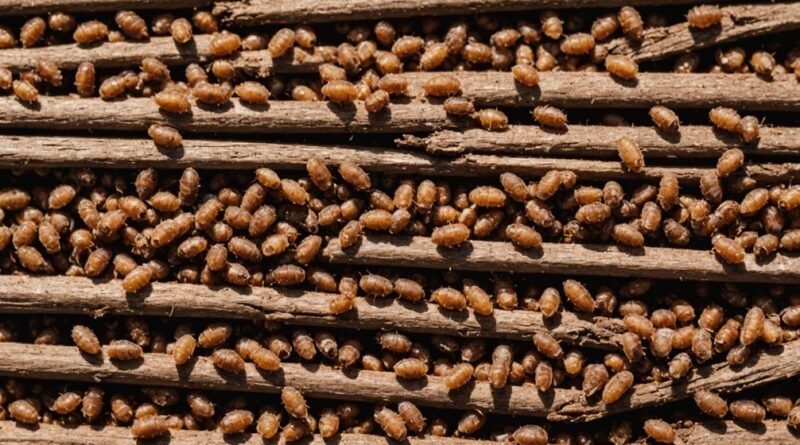
Drywood Termite Droppings: A Species-Specific Identification Guide
You can spot drywood termite droppings by their tiny, hard, sand-like pellets, about 1 mm long, forming neat piles instead of dust. They’re gritty, uniform in size, six-sided under magnification, and range from beige to dark brown depending on the wood eaten. Look for them on windowsills, baseboards, attics, and under wooden furniture. Unlike other pests, they’re dry and tidy, and once you recognize these signs, you’re ready for the next essential details.
Key Takeaways
- Drywood termite droppings are tiny, hard, uniform pellets (~1 mm) that resemble coarse sand or finely ground coffee.
- Pellets are six-sided with subtle ridges, feel gritty, and form crisp piles, not fluffy dust or sawdust.
- Color varies with wood type, from beige/off-white in light woods to medium or dark brown in darker woods.
- Unlike other termites, drywood species expel discrete dry frass; subterranean and Formosan termites build mud tubes instead of visible pellets.
- Droppings commonly accumulate below infested wood—windowsills, baseboards, attics, and furniture—and recurring piles indicate an active drywood termite infestation.
What Drywood Termite Droppings Look Like
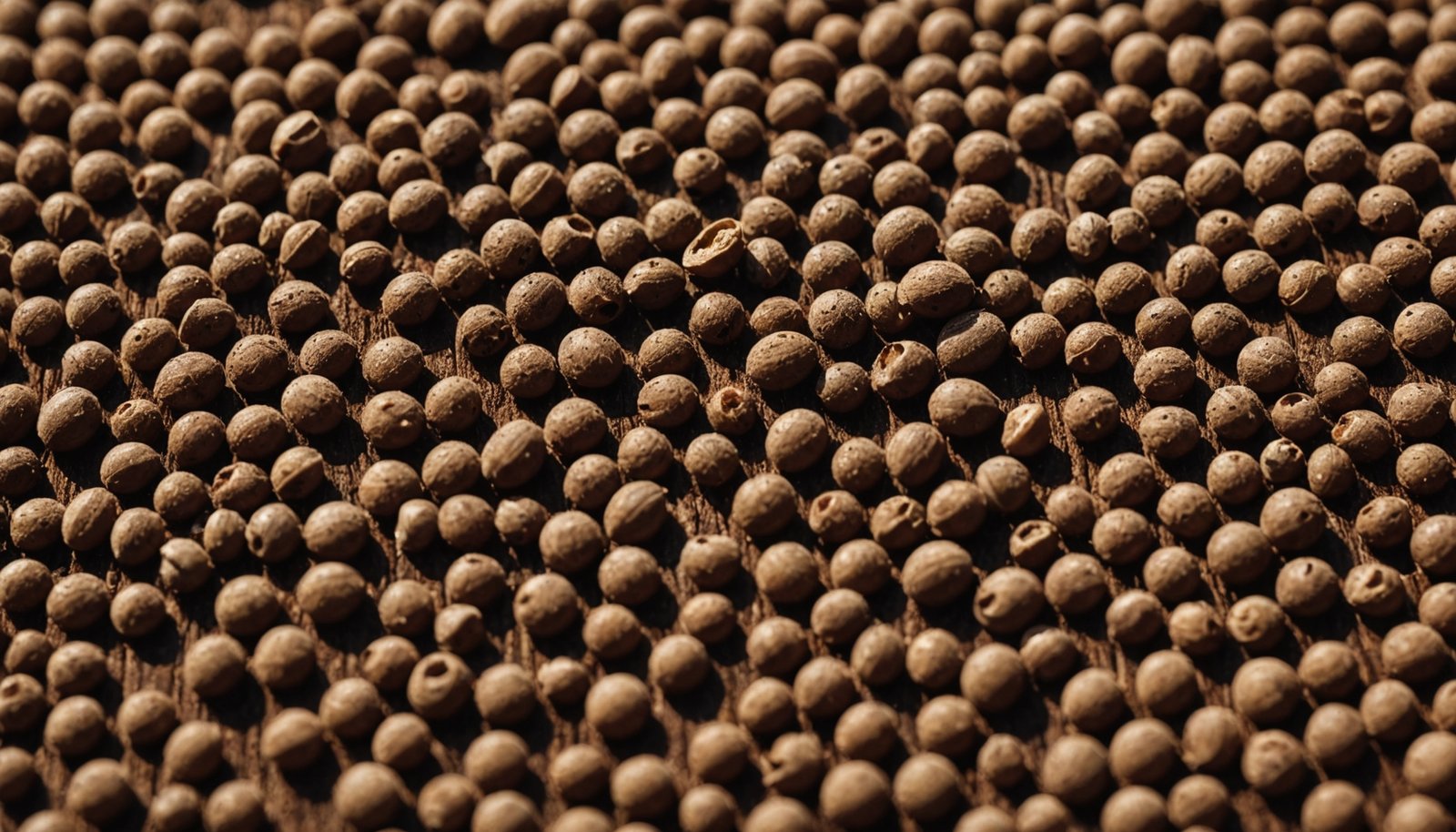
Drywood termite droppings look like tiny, uniform pellets that resemble coarse sand or finely ground coffee. When you notice small mounds that look like someone sprinkled gritty debris along baseboards, under furniture, or below wooden beams, you may be seeing drywood termite frass. These pellets are often pushed out of the wood through tiny kick‑out holes, and the piles tend to accumulate directly below the infested area.
Each pellet is about 1 millimeter long—roughly the size of a grain of coarse sand—so you’ll usually need to lean in close to inspect it.
Each droppings pellet is tiny—about 1 millimeter long—so you’ll often need to lean in close to see it
The pellets are extremely consistent in size within a colony. That uniformity helps you separate them from random household dust, crumbling wood, or mixed pest debris. They’re hard, dry, and solid, not soft or smeared like insect smears or rodent droppings.
When you roll a pellet between your fingers, it keeps its shape and doesn’t crush into powder the way sawdust or powder post beetle residue does. Each grain stays distinct, forming crisp, tidy piles instead of fluffy dust.
Color and Texture of Drywood Termite Droppings
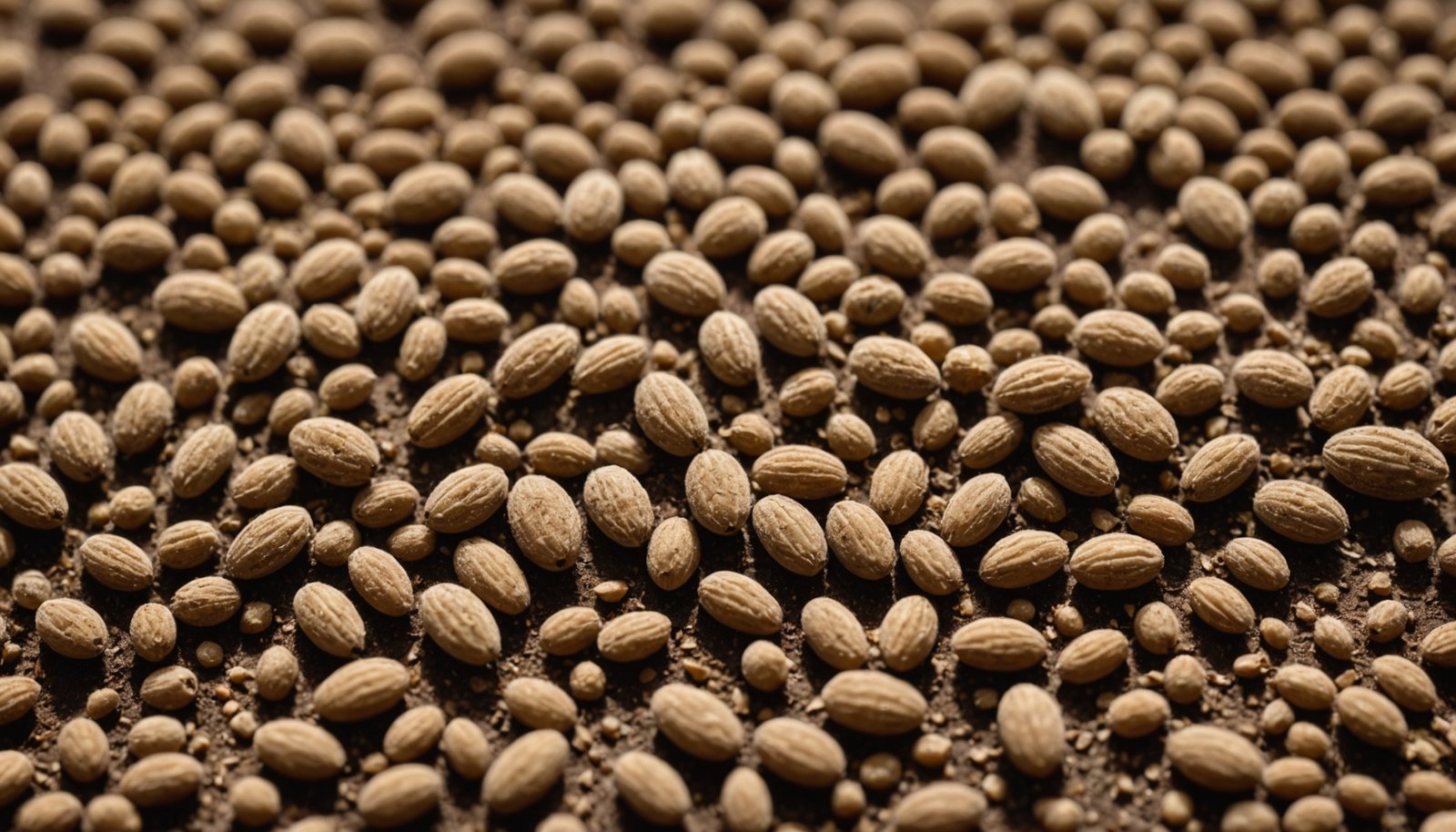
When you spot drywood termite droppings, their color and texture give you important identification clues. You’ll usually see hard, sand‑like pellets that feel gritty between your fingers, never fluffy like sawdust. Each pellet is tiny—about 1 millimeter long—with six concave sides, subtle ridges, and rounded or slightly pointed ends when viewed under magnification. These pellets often collect in small piles beneath kick‑out holes, indicating where termites have pushed frass out of the wood.
Color comes mainly from the wood the termites eat. Light woods like pine, ash, birch, poplar, and maple produce beige to off‑white frass. Darker woods such as oak, redwood, mesquite, and cherry lead to medium to dark brown pellets.
Douglas fir framing can create mixed light shades because of knots and heartwood. Moisture, dust, dirt, wood treatments, and colony diet can all shift the shade or make pellets look duller, but they don’t change the basic uniform, compact, six‑sided structure that signals drywood termite activity.
Drywood Termite Frass vs Other Pest Droppings
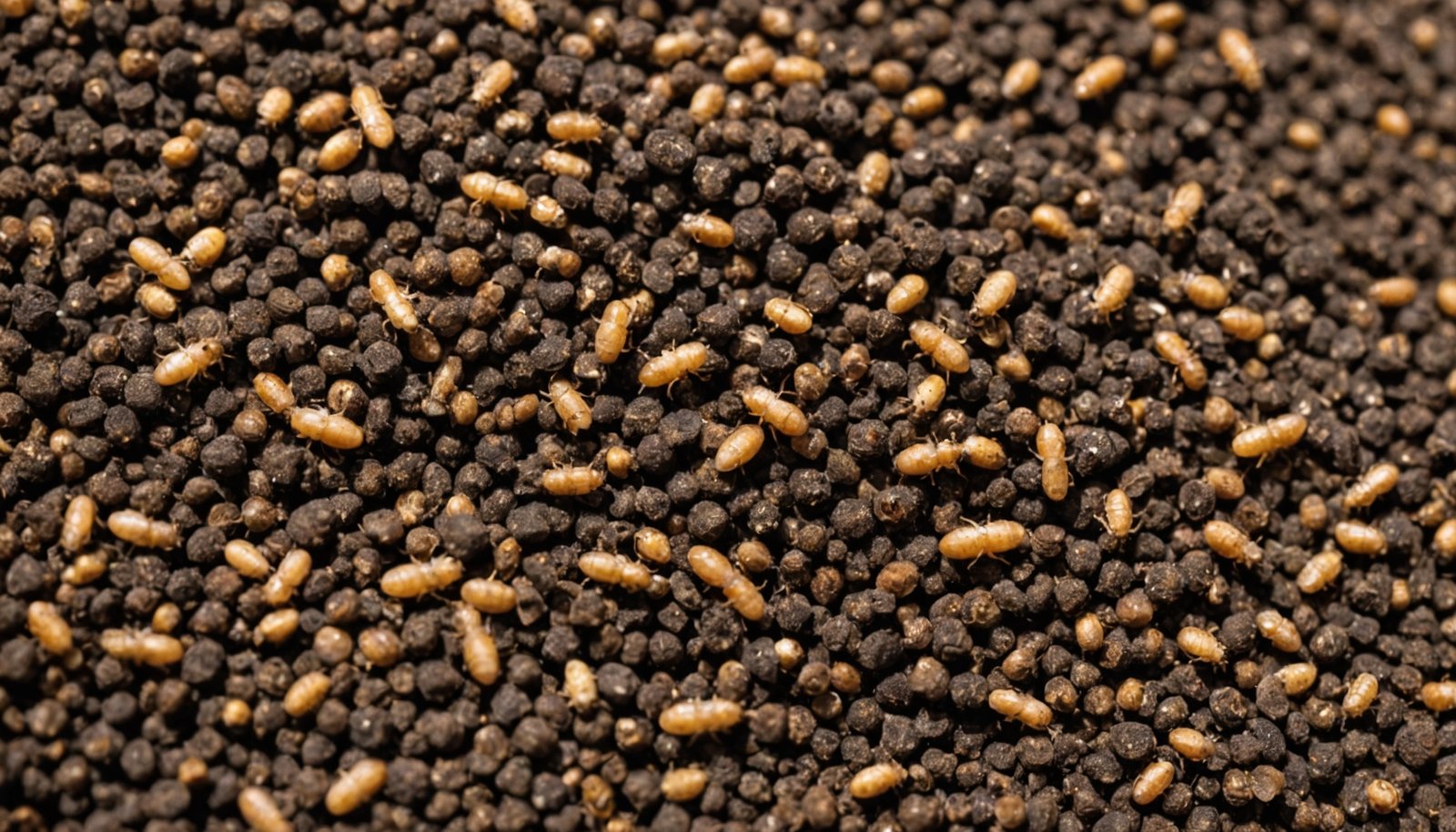
Although many insect and rodent droppings can look similar at a glance, drywood termite frass stands out once you know what to check. You’re looking for tiny, uniform, six‑sided pellets about 1 mm long. Under magnification, each pellet shows subtle concave sides and sharp ends, unlike the irregular crumbs you see with other pests. These pellets are dry and hard because termites expel all moisture before pushing them out through small kick‑out holes.
Subterranean and Formosan termites don’t leave neat piles. They mix their frass into pencil‑sized mud tubes, so you won’t find discrete pellets.
Dampwood termites usually keep frass inside damaged wood, so it’s rarely visible on surfaces.
Carpenter ant frass looks like coarse sawdust, not pellets; it comes from chewed wood, not digested material. Roach droppings are elongated, cylindrical, and often smeary when wet, unlike the dry, sand‑like piles of drywood frass.
If you see clean, dry, hexagonal pellets, especially in accumulating piles, you’re very likely dealing with drywood termites.
Common Indoor Spots You’ll See Drywood Termite Droppings
You’ll most often notice drywood termite droppings in quiet, undisturbed spots where wood meets interior surfaces. The pellets are tiny, hard, and form light tan to dark brown mounds beneath small kick‑out holes. When you clean them up and they reappear in the same place, you’re likely looking at an active infestation.
Watch for tiny tan to dark brown pellet mounds reappearing beneath small kick‑out holes in wood
1. Windowsills and baseboards
Pellets collect on windowsills under infested wooden frames and along baseboards where termites eject frass from internal galleries. You may see dark, powdery residue mixed with the pellets, especially near wood that sounds hollow. Because these spots are easy to reach, they’re common targets for spot treatments that inject termiticide directly into the wood.
2. Attics and wall voids
In attics, look around joists, rafters, eaves, and roof-adjacent beams. Inside walls, frass falls to the bottom of voids or escapes near penetrations and framing.
3. Furniture and fixtures
Check under wooden furniture, cabinets, door frames, trim, and behind appliances. Small piles beneath joints or decorative details often reveal hidden activity.
What to Do After Finding Drywood Termite Frass
Even a small pile of drywood termite frass calls for quick, deliberate steps instead of a rushed cleanup. First, confirm what you’re seeing: look for hard, six‑sided pellets that resemble coffee grounds or sand. Regular inspections by a licensed professional can catch drywood termite activity early and keep small frass piles from turning into widespread structural damage.
Scan nearby trim, furniture, and framing for more piles or tiny kickout holes, but don’t drill or probe yet. Avoid sweeping the frass; disturbed pellets can prompt termites to seal galleries, making detection harder.
Photograph every pile and the surrounding wood, then contact a licensed pest control operator who specializes in drywood termites. Ask them to verify it’s drywood, not subterranean, and to use tools like moisture meters or borescopes to map galleries.
Get a written report with the infestation’s extent and recommended spot or whole‑structure treatment. Compare at least two quotes.
Hold off on cleaning until after a professional assessment confirms the plan and documents where active colonies exist.
Conclusion
When you spot drywood termite droppings, don’t ignore them. Those tiny, pellet-shaped piles are your early warning system. Use what you’ve learned to distinguish frass from other pests, then inspect nearby wood, trim, and furniture. Document what you find and call a licensed termite pro for a thorough inspection and treatment options. By acting quickly, you’ll protect your home’s structure, stop hidden colonies from growing, and avoid far more expensive repairs later.