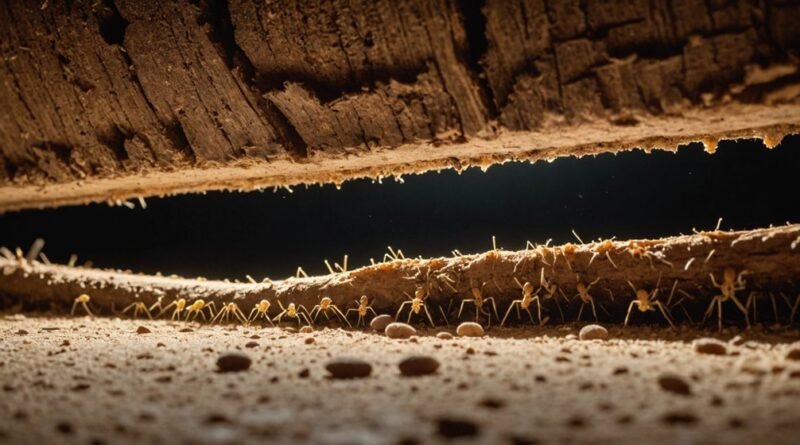
Are Termites Dangerous? Health Risks for Families & Pets
{
“@context”: “https://schema.org”,
“@graph”: [
{
“@type”: “Article”,
“headline”: “Are Termites Dangerous? Health Risks for Families and Pets”,
“description”: “Termites cause structural damage, trigger allergies, and worsen asthma. Learn the real health risks termites pose to families and pets, and how to stay safe.”,
“image”: “https://termitecontrolcare.com/wp-content/uploads/2025/09/termites_spread_harmful_pathogens_8waxb.jpg”,
“author”: {
“@type”: “Organization”,
“name”: “Termite Control Care”
},
“publisher”: {
“@type”: “Organization”,
“name”: “Termite Control Care”,
“logo”: {
“@type”: “ImageObject”,
“url”: “https://termitecontrolcare.com/wp-content/uploads/logo.png”
}
},
“datePublished”: “2025-09-01”,
“dateModified”: “2026-05-21”
},
{
“@type”: “BreadcrumbList”,
“itemListElement”: [
{
“@type”: “ListItem”,
“position”: 1,
“name”: “Home”,
“item”: “https://termitecontrolcare.com/”
},
{
“@type”: “ListItem”,
“position”: 2,
“name”: “Are Termites Dangerous? Health Risks for Families and Pets”,
“item”: “https://termitecontrolcare.com/are-termites-dangerous-health-risks-families-pets/”
}
]
},
{
“@type”: “FAQPage”,
“mainEntity”: [
{
“@type”: “Question”,
“name”: “Are termites dangerous to human health?”,
“acceptedAnswer”: {
“@type”: “Answer”,
“text”: “Termites are not directly dangerous in the way that biting insects are, but they pose real health risks. Their droppings, shed wings, saliva, and wood dust become airborne and can trigger allergic reactions, worsen asthma, and irritate airways. Mold growth caused by termite-related moisture adds further respiratory risks. Structural damage from infestations also creates physical safety hazards.”
}
},
{
“@type”: “Question”,
“name”: “Can termites cause allergic reactions?”,
“acceptedAnswer”: {
“@type”: “Answer”,
“text”: “Yes. Proteins in termite saliva, droppings (frass), and shed skins can trigger allergic reactions including sneezing, coughing, wheezing, itchy eyes, skin rashes, and hives. Approximately 8 out of every 1,000 people living in termite-prone areas report allergy-like reactions.”
}
},
{
“@type”: “Question”,
“name”: “Do termites carry diseases?”,
“acceptedAnswer”: {
“@type”: “Answer”,
“text”: “Termites do not spread classic human diseases like mosquitoes or ticks do. However, their colonies harbor bacteria and fungi that can contaminate surfaces, water pipes, and indoor air. If these microbes reach open wounds, eyes, or the mouth, they can cause infections.”
}
},
{
“@type”: “Question”,
“name”: “How do termites affect indoor air quality?”,
“acceptedAnswer”: {
“@type”: “Answer”,
“text”: “Termite activity generates airborne particles including frass, wood dust, shed wings, and mold spores from moisture-damaged wood. These circulate through HVAC systems and reduce indoor air quality, triggering respiratory symptoms in sensitive individuals and pets.”
}
},
{
“@type”: “Question”,
“name”: “Are termite treatments safe for families and pets?”,
“acceptedAnswer”: {
“@type”: “Answer”,
“text”: “Modern EPA-registered termite treatments are safe when applied by licensed professionals following label instructions. Older chemical treatments like chlordane carry greater risks. Fumigation requires humans and pets to vacate for 24 to 72 hours. Always hire certified experts and ask about bait-based or targeted options with lower toxicity profiles.”
}
},
{
“@type”: “Question”,
“name”: “When should I call a professional about termites?”,
“acceptedAnswer”: {
“@type”: “Answer”,
“text”: “Call a licensed pest control professional if you notice mud tubes, discarded wings near windowsills, hollow-sounding wood, frass accumulations, or unexplained allergy symptoms that worsen indoors. Annual termite inspections are recommended for homes in high-risk regions regardless of visible signs.”
}
}
]
}
]
}
Yes, termites can affect more than wood. They spread germs via droppings and dust, irritate airways with spores and particles, and can trigger allergies and asthma in you and your pets. Rare bites cause mild swelling and itching. Hidden damage weakens floors, decks, and roofs, creating safety risks. Older chemical treatments can harm people, pets, and the environment, so use certified pros and safer options. These are the real dangers termites pose to humans, families, and homeowners, far more than just structural damage to wood.
Key Takeaways
- Termites don’t spread classic human diseases, but their droppings and dust carry bacteria and fungi that can irritate eyes, skin, and mouths.
- Airborne particles and spores from termite activity can trigger allergies and worsen asthma, especially indoors via HVAC circulation.
- Prolonged exposure may inflame airways, causing sneezing, wheezing, coughing, and chest tightness in sensitive people and pets.
- Bites are rare and mild; clean with soap and water and seek care if swelling, pain, or symptoms persist beyond two days.
- Structural damage from termites can create safety hazards; use protective gear and hire licensed professionals for inspection and termite treatment.
- Termites are among the most destructive pests in the U.S., causing over $5 billion in annual damage across homes and commercial buildings, a level of destruction that affects more than 600,000 homes every year.
Types of Termites Commonly Found Indoors
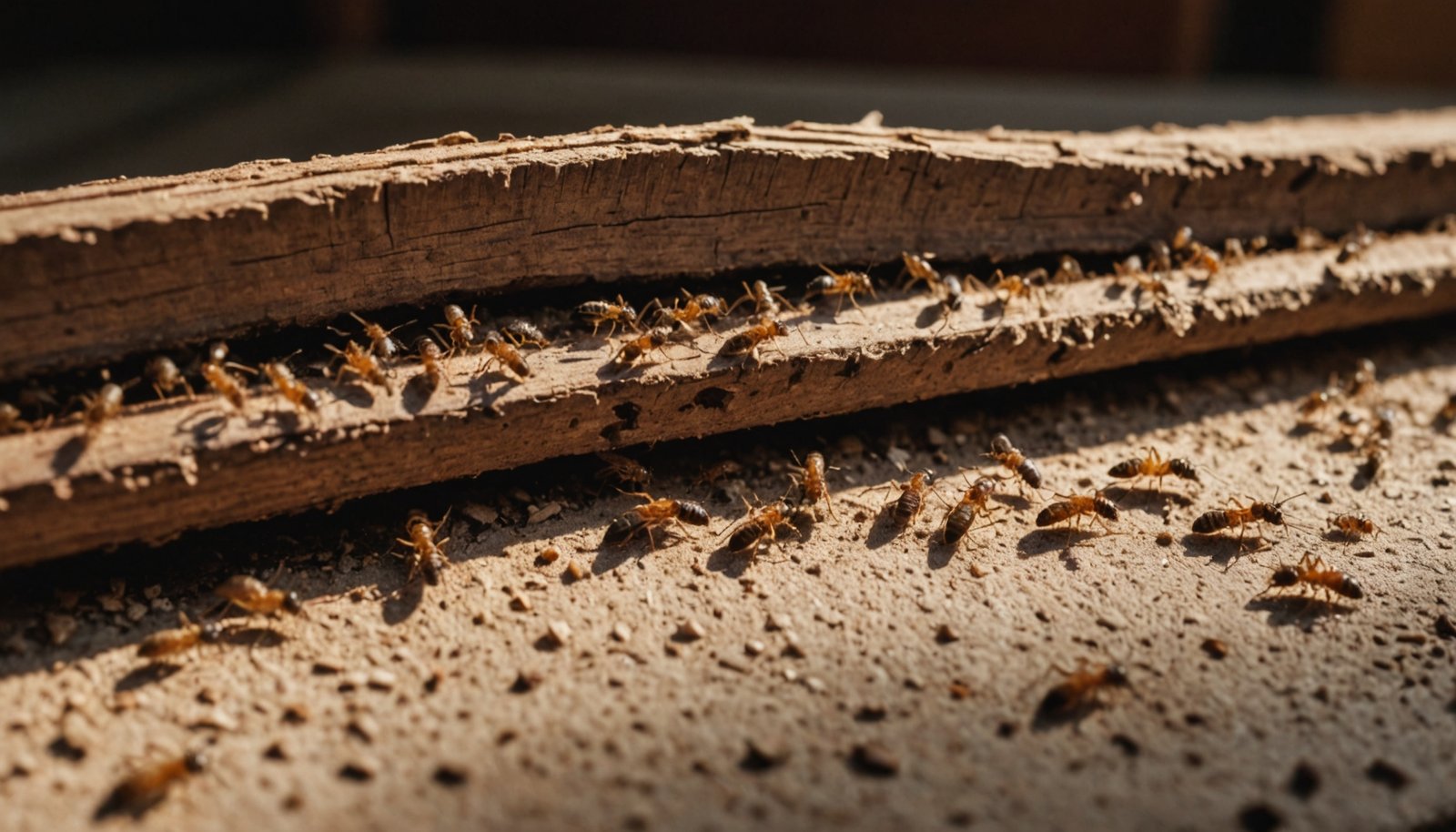
Understanding which types of termites you are dealing with helps you assess the level of health and structural risk in your home. Three species are most commonly found inside buildings in the U.S.
Subterranean Termites
These are the most widespread and destructive species in the country. Subterranean termites live in underground colonies and travel to your building through mud tubes they construct along foundations and walls. Their colonies can number in the millions, and workers forage constantly through soil and wood in search of cellulose. Because they stay hidden behind surfaces, infestations often go undetected for years. They are common across the Southeast, mid-Atlantic states, and California.
How to identify subterranean termites
Look for mud tubes along your foundation, soft or hollow-sounding floor joists, and discarded wings near entry points after swarm season. Swarmers resemble flying ants but have straight antennae, equal-length wings, and a thick waist, whereas ants have a pinched waist and unequal wing sizes.
Drywood Termites
Unlike their subterranean relatives, drywood termites do not require soil contact or moisture. They nest directly inside dry wood, including furniture, roof timbers, and door frames. Their colonies are smaller but the damage is highly localized and can affect isolated wooden items throughout a building. Frass from drywood termites appears as tiny, hard, hexagonal pellets and is one of the clearest signs of their presence.
How to identify drywood termites
Scan windowsills, door frames, and attic spaces for small piles of pellet-like frass. You may also notice blistered or bubbled paint on wood surfaces, or small kick-out holes where termites push debris out of their galleries.
Dampwood Termites
Dampwood termites target wood with high moisture content, typically found in leaky basements, rotting deck posts, or areas with plumbing issues. They are less common indoors but signal that a moisture problem exists alongside the infestation. Left unaddressed, the combination of dampwood termites and moisture creates ideal conditions for mold growth, compounding respiratory health risks for your household.
Termite Behavior and Habitat
Termites are social insects that live in structured colonies with distinct castes: workers, soldiers, and reproductives. Workers make up the vast majority of a colony and are responsible for all feeding and tunneling activity. Soldiers defend the colony using large jaws and, in some species, a chemical spray. Reproductives, including the queen and king, are responsible for colony growth and expansion.
Colonies thrive in warm, humid environments with reliable access to cellulose-based food sources. Subterranean species prefer soil near foundations, while drywood species colonize structural wood directly. A single colony can survive for decades; the queen of some species can live 25 years or more, continuously expanding the population and the scope of damage.
From a human health perspective, the behavior that matters most is the constant production of frass, shed skins, and microscopic wood dust. This biological waste accumulates silently inside walls, floors, and ceilings, becoming part of the air you breathe. As colony size and activity increase, so does the volume of airborne contamination reaching your living spaces.
How Dangerous Are Termites? An Overview
Termites are dangerous in multiple distinct ways, and homeowners often underestimate the full scope of the threat. The dangers fall into three main categories:
- Structural dangers: Termites destroy load-bearing wood, structures, furniture, and the foundation of homes and buildings, creating collapse hazards that endanger humans and families living in affected structures.
- Health dangers: Termite droppings, frass, saliva, and shed skins trigger allergies, asthma attacks, and respiratory diseases, with health risks that disproportionately affect vulnerable individuals including children and the elderly.
- Chemical dangers: Termite treatments using older fumigation chemicals and pesticides carry their own health risks if not applied correctly by licensed professionals.
Across the U.S., from California to the Southeast where subterranean and drywood termites thrive, these dangers affect hundreds of thousands of homes annually. Understanding them is the first step toward effective pest control and prevention.
How Termites Can Spread Germs and Trigger Illness
Although termites don’t bite or sting people, they can still spread germs and trigger illness by moving microbes and irritants through your home. Colonies harbor bacterial and fungal pathogens that hitchhike on termites, droppings, and dust. If these microbes reach cuts, eyes, or your mouth, they can cause infections.
Termites don’t bite, but they can ferry germs and irritants that spark infections and illness in humans, families, and pets.
Fungal spores from nests or frass become airborne, irritating your airways when you breathe them in. Termite activity also fosters moisture and decomposed wood, creating prime conditions for mold and mildew. Those fungi release spores that degrade indoor air quality and can worsen respiratory issues. Dust from damaged wood mixes with tiny fecal particles, adding irritants that trigger coughing, sneezing, and runny noses, and can aggravate asthma or bronchitis.
Termites can compromise plumbing, letting contaminants enter water. Microbes spread along pipes and surfaces, raising risks of gastrointestinal illness. Termites may also disturb asbestos, releasing hazardous fibers that increase long-term risks of lung disease. Prompt repairs, targeted termite control, and regular termite inspections reduce these transmission pathways and protect your household.
Contamination of Food and Surfaces

While termites are not primarily known as a contamination threat the way cockroaches or rodents are, active infestations can still compromise the safety of food storage areas and household surfaces in ways that are easy to overlook.
Termites tunneling through walls and cabinets leave behind frass, shed skins, and bacteria from their gut. When this debris accumulates near pantry areas, kitchen cabinets, or countertops, it can contaminate surfaces that come into contact with food. The bacteria Serratia marcescens and Bacillus species have been identified in termite gut studies and are capable of causing illness in humans with weakened immune systems.
Unlike cockroaches, which visibly crawl across food surfaces and are widely recognized as a contamination nuisance, termites work invisibly inside the structure of your home. This makes their contamination potential easier to miss but no less real. In homes where termites have damaged water pipes or created pathways for moisture, the risk of bacterial growth on nearby surfaces increases further.
Steps to reduce contamination risk include sealing cracks and gaps in cabinet interiors, regularly inspecting pantry storage areas near exterior walls, cleaning up any frass accumulations promptly, and scheduling professional inspections if you notice wood damage near food storage areas.
Termite-Related Mold Growth
One of the least discussed but most significant indirect health risks of a termite infestation is the mold growth it encourages. Termites, particularly subterranean and dampwood species, introduce moisture into wood and wall cavities as they tunnel and feed. This moisture, combined with the organic matter from frass and decomposing wood, creates ideal conditions for mold and mildew to establish and spread.
Studies show that 12.7% of termite infestations correlate with measurably elevated indoor mold levels. The destruction of wood structure also opens cavities inside walls and floors where condensation accumulates, providing further breeding grounds for mold colonies. Common indoor molds that thrive in these conditions include Cladosporium, Penicillium, and in severe cases, Stachybotrys chartarum (black mold).
For your household, this means that addressing a termite infestation is often not enough on its own. Experts recommend that after termite treatment, affected wall cavities and subfloor areas be inspected for mold growth, with remediation carried out before the structure is sealed and repaired. Skipping this step can leave active mold behind walls, continuing to affect indoor air quality long after the termites are gone.
Signs that termite activity may have triggered mold growth include a persistent musty smell in specific rooms, unexplained respiratory symptoms in family members that do not improve with allergy medication, and visible dark staining on walls or ceilings near areas of known termite damage.
Allergies to Termite Saliva and Droppings
You might notice sneezing, wheezing, itchy eyes, or skin rashes after contact with termite saliva or frass, especially if you have asthma or other allergies. Watch for nasal congestion and chest tightness that worsen indoors, which can signal airborne termite allergens. These health risks from termite droppings and saliva are a serious concern for homeowners, families, and individuals with pre-existing respiratory diseases. Reduce exposure by avoiding direct contact with debris, improving ventilation and filtration, and scheduling professional inspection and pest control.
Common Allergy Symptoms
Even a small termite infestation can trigger noticeable allergy symptoms when saliva, termite droppings (frass), and shed skins become airborne and enter your lungs, eyes, or contact your skin. You may develop coughing, wheezing, chest tightness, shortness of breath, or an asthma flare when you inhale these proteins. Sneezing, a runny or stuffy nose, and sinus congestion are common and often mimic a cold. Airborne particles can circulate through HVAC systems, spreading allergens throughout your home. People with a history of allergies or asthma are at higher risk of developing symptoms from termite exposure, and in severe cases, prolonged exposure can lead to asthma attacks requiring medical attention.
Skin contact with frass or saliva can cause itching, redness, hives, rashes, burning, or swelling, especially after handling infested wood. Rare bites or stings may produce painful swelling and intense itching. Eyes can turn red, itchy, watery, and irritated, resembling dust mite reactions and contributing to allergic conjunctivitis, particularly with prolonged indoor exposure.
Reducing Exposure Risks
While termites stay hidden, their saliva, frass, and shed skins can quickly contaminate indoor air, so focus on cutting what you breathe and touch. Swap HVAC filters regularly and add HEPA air purifiers to trap microscopic particles. Keep indoor humidity low with dehumidifiers, especially in basements and crawl spaces, and fix leaks to deter termites and mold. Mold spores inside homes are significant contributors to asthma symptoms.
Clean often: vacuum with a HEPA-equipped machine, damp-dust surfaces, and promptly remove termite-damaged wood and debris. Don’t disturb infested wood without precautions. Seal cracks and crevices to block entry and allergen buildup. When inspecting or treating, wear gloves, long sleeves, and an N95. Avoid DIY pesticides; ventilate treated areas and hire licensed pros. Schedule routine termite inspections, monitor for mud tubes and frass, and use integrated pest control to reduce ongoing exposure.
Asthma and Respiratory Irritation From Airborne Particles

Although termites rarely come to mind as respiratory triggers, their activity releases microscopic particles, including frass, shed skins, wood dust, and enzyme-rich saliva, that can become airborne, circulate through HVAC systems, and irritate your airways. These fine particles act like allergens, provoking sneezing, itchiness, coughing, wheezing, and in sensitive people, severe breathing distress. They can disrupt the epithelial lining of your airways, sparking inflammation that worsens asthma. Professional pest control can help by reducing these respiratory hazards through targeted, environmentally mindful termite treatments.
Airborne termite particles inflame airways, triggering sneezing, wheezing, and asthma attacks, particularly dangerous for vulnerable individuals and humans with chronic respiratory diseases.
Termite droppings may also contain protozoal cysts from gut symbionts. When you inhale them, they can aggravate airway inflammation and intensify asthma symptoms. Research links termite dust in infested buildings with increased asthma attacks, likely through both allergic pathways (enzymatic proteins) and non-allergic pathways (microbial components). Termite-damaged wood sheds additional irritant dust that heightens mucus production and aggravates bronchitis and asthma. Moist, damaged wood also fosters mold, adding spores that compound respiratory problems. If you have asthma or chronic lung disease, prolonged exposure makes symptoms harder to control. In cases of severe termite infestations, homes in states like California, where both drywood and subterranean termites are prevalent, often require professional fumigation and comprehensive termite treatment before indoor air quality can be safely restored.
Bite Reactions and When to Seek Medical Care
Surprised to find a small red mark after spotting termites? Termites rarely bite people, and when they do, usually soldier termites defending the colony, the reactions are mild. You’ll typically see a single, small red spot with slight swelling, brief redness, light itching, or tenderness. It shouldn’t form welts or clusters, and discomfort is minimal. Clean the area with soap and water right away. Apply a cold compress to ease swelling. For itch, use calamine or a low-strength hydrocortisone cream; an oral antihistamine can help if you’re sensitive. Watch the spot for 24 to 48 hours.
Seek medical care if redness, swelling, or pain lasts longer than two days, or if you notice spreading redness, pus, increasing pain, or warmth, signs of infection. Get urgent help for systemic symptoms like shortness of breath, dizziness, or lightheadedness. If you’re unsure it’s a termite bite, consult a clinician and, if possible, save the insect for identification.
Structural Damage and Hidden Safety Hazards
Termite damage can quietly undermine beams, joists, and floors, so you may be living with compromised structural integrity without obvious signs. That hidden weakening raises collapse risks under decks, stairs, and sagging roofs, endangering your family and pets. Termites destroy wood from the inside out, consuming cellulose within load-bearing structures while leaving outer surfaces intact, a deception that makes this one of the most dangerous aspects of any termite infestation.
Compromised Structural Integrity
Few household threats undermine safety as quietly as a termite-infested structure. When termites target beams, joists, and support pillars, they erode load-bearing capacity, leading to sagging floors, uneven surfaces, and stressed foundations. Colonies can consume about a pound of wood per day, so unseen internal damage accumulates fast, often for years before you notice visible clues. Roof trusses and rafters aren’t spared; compromised roofing timbers invite leaks, secondary interior damage, and costly reconstruction.
In severe cases, termites destroy not just exposed framing but also structural materials like wood paneling, furniture, and floor joists, creating extensive property damage that standard homeowners insurance policies don’t cover. This is why early termite inspections and professional termite treatment are among the most financially important pest control decisions any homeowner can make.
| Issue | What it means for you |
|---|---|
| Load-bearing damage | Reduced safe load capacity; higher collapse risk |
| Roof compromise | Sagging, leaks, and unstable roof system |
| Doors and windows | Warped frames, poor structure, air leakage |
| Flooring and subfloor | Soft spots, warping, trip hazards, weakened support |
| Furniture | Drywood termites infest isolated wood pieces without soil contact |
Hidden Collapse Hazards
While sagging floors and warped frames hint at trouble, the greater threat often hides inside the wood you trust to hold your home up. Termites eat cellulose from the inside out, leaving surfaces intact while hollowing beams, posts, and sill plates. Tap suspect wood; a hollow, resonant sound signals internal loss. Watch for bulges, blistered or uneven paint, and warping, warning signs of instability.
Subterranean termites mask movement with mud tubes, reaching floor supports, columns, porch decks, stairways, and basement walls. Damage can advance out of sight until a wall, ceiling, or load-bearing member fails under normal use. Termites also create hidden hazards around utilities: tunneling can nick wiring insulation, spark shorts, or even fires, and compromise insulation, reducing efficiency and releasing irritating dust and fibers that affect indoor air quality.
Safety During Repairs
Even before you pick up a pry bar, treat termite repairs like a high-risk operation. Tunnels and galleries weaken joists, beams, and studs, often behind walls, ceilings, and subfloors, so a small cut can trigger a collapse. Subterranean termites love rim and floor joists, the very spots you’ll open first. Damage often spreads into plaster, drywall, and insulation, complicating scope and cost. De-energize affected circuits and have a licensed electrician inspect wiring; termites can nick insulation and spark fires. Shore damaged areas before removal, ventilate well, and wear eye, respiratory, and skin protection to avoid dust, spores, and residues. Keep kids and pets away; noise, debris, and allergens can harm them. Get an extensive inspection, expect $3,000 to $3,300 averages, and plan for added time if hidden hazards emerge.
Impact on Mental Health and Stress
The dangers termites pose are not only physical. Discovering an infestation, dealing with its scope, and managing the financial and logistical burden of extermination and repairs takes a real toll on a homeowner’s mental health. The stress of living with the knowledge of active destruction inside your own home is a legitimate concern that experts in pest management are increasingly recognizing.
Studies on pest-related stress consistently show that infestations, particularly ones that persist or recur, elevate anxiety levels, disrupt sleep, and reduce overall quality of life. The nuisance of visible frass, hollow-sounding floors, and the fear of structural collapse creates a persistent background worry that affects day-to-day comfort and peace of mind. Families with young children or elderly members often report heightened anxiety about safety.
The financial dimension adds further weight. Termite damage is not covered by standard homeowners insurance, meaning the cost of repairs, which can run into thousands of dollars, falls entirely on the homeowner. This financial exposure, combined with the invisible and ongoing nature of the destruction, makes termite infestations among the most psychologically burdensome of all common household pest problems.
Addressing the problem proactively, through annual inspections, early intervention, and working with qualified experts, is the most effective way to reduce both the physical risks and the mental health burden that comes with a serious infestation.
Chemical Treatments: Risks, Regulations, and Safer Options
Although chemical termiticides can stop destructive infestations, they carry real trade-offs you should weigh carefully. Older chlorinated cyclodienes like chlordane, heptachlor, aldrin, and dieldrin persist in soil and bodies, can trigger headaches, dizziness, tremors, or seizures, and raised cancer concerns in animal studies. Their environmental footprint is heavy: they contaminate soil and water, bioaccumulate through food webs, and can harm beneficial insects, birds, and aquatic life.
Today, the EPA and state regulators restrict high-risk termiticides and promote safer options. You are responsible for compliant use, and potentially liable for harm from improper or legacy chemicals on your property. This includes being careful about fumigation, a powerful but intensive termite treatment method that requires humans and pets to vacate for 24 to 72 hours and has specific post-treatment protocols before re-entry is safe.
- Verify products are EPA-registered and approved under current state rules.
- Choose targeted delivery (baits, spot termite treatments) over broad soil saturation.
- Consider bistrifluron baits: high efficacy, insect-specific, minimal bioaccumulation.
- Hire certified pros who document labels, dosages, and disposal.
Pet Health Concerns: Allergies, Toxic Exposures, and Bites
Because your pets share the same air and surfaces you do, termite activity can indirectly trigger itching skin, sneezy noses, and irritated eyes by stirring allergenic dust, debris, and mold. When termites tunnel through wood or soil, they release particulates that circulate through vents and settle on beds, floors, and fur. Sensitive pets may react to termite saliva or termite droppings (frass), much like they do to dust mite proteins. Watch for allergy signs: persistent scratching or licking, red skin, watery eyes, sneezing, and hot spots, often around ears, face, paws, armpits, and groin. Ongoing exposure can aggravate atopic dermatitis or asthma and increase risk of secondary skin infections from scratching.
When to Seek Professional Help
Knowing when to call in experts rather than attempt DIY control is one of the most important decisions you can make as a homeowner. Some situations make professional extermination and inspection non-negotiable.
Signs you need professional termite control
Contact a licensed pest control service immediately if you notice any of the following: mud tubes running along your foundation or interior walls; discarded wings near windowsills or door frames after a swarm event; hollow-sounding wood when you tap beams or floors; frass accumulating near baseboards, window frames, or vents; or unexplained allergy symptoms in household members that consistently worsen in specific rooms.
You should also seek professional inspection if you are purchasing a home, as many mortgage lenders and insurers require a clear termite inspection report before closing. Annual inspections are strongly recommended for any property in the Southeast, California, Hawaii, or other high-risk regions, regardless of whether you can see visible signs of activity.
What professional termite treatment involves
Licensed experts will assess the species present, the extent of the infestation, and the construction type of your home before recommending a treatment approach. Options include liquid soil barrier treatments, baiting systems, wood treatments, and in severe drywood infestations, whole-structure fumigation. Reputable termite control services will provide a written treatment plan, explain the safety protocols for your family and pets, and offer a warranty on their work.
Less than 0.2% of termite-related health issues require medical intervention each year, but the structural and financial risks of an unaddressed infestation are significant. Early professional intervention is always more cost-effective than delayed extermination following extensive damage.
Preventive Steps to Protect Your Home, Family, and Pets
While termites often stay out of sight, you can block their favorite routes and conditions with a few targeted habits. Keep wood lifted, keep things dry, seal gaps, and partner with pros when needed. These steps protect your home’s structure and reduce allergens and pesticide risks for kids and pets.
- Eliminate wood-to-soil contact: Maintain at least 6 inches of clearance for siding, frames, and structural wood. Regrade soil, pull mulch back, and trim lattice. Move firewood away from your home’s foundation. Even pressure-treated wood needs sealed cuts.
- Control moisture near foundations: Extend downspouts, add splash blocks, and fix leaks. Grade soil to drain away and avoid sprinklers that pool water near the foundation. Drywood termites also thrive in low-moisture environments, so monitor all wood structures regardless of dampness.
- Seal entry points and remove food sources: Caulk cracks, repaint exterior wood, screen vents with mesh, and clear firewood, stumps, and debris. Termites use cellulose-based materials as food sources, including cardboard boxes, paper, and wood mulch stored near your house.
- Use professional barriers and termite treatments: Consider liquid soil treatments, monitored baits, and wood treatments. Pre-treat during construction for long-term prevention. Schedule annual termite inspections regardless of whether you see visible signs of termite activity.
Conclusion
Termites aren’t just a property problem, they can affect your family’s and pets’ health. You’ll reduce risks by spotting signs early, fixing moisture issues, and sealing entry points. Keep dust down, vacuum droppings safely, and use certified pros who follow safer, regulated termite treatments. If bites, rashes, wheezing, or pet symptoms appear, call a doctor or vet. With smart prevention, prompt repairs, and pest control that accounts for all the dangers termites pose to humans, homeowners, and families, not just wood damage, you’ll protect your home’s structure and the people and animals who live in it.