
Are Termite Droppings Toxic? What Science Really Says
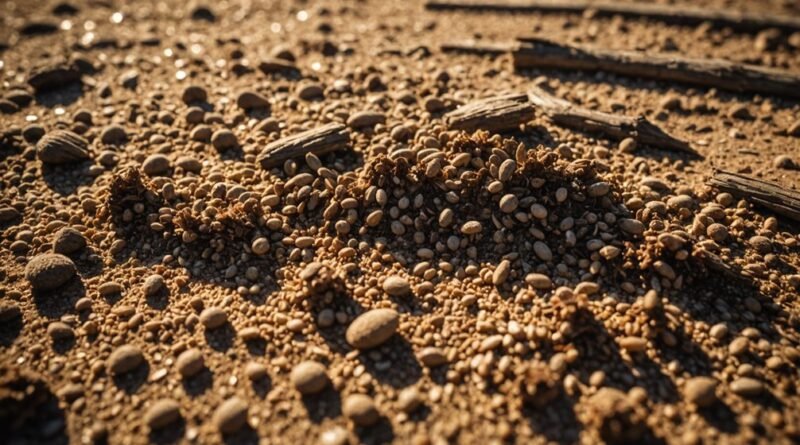
Termite droppings are not directly toxic to humans in the conventional sense — they contain no venom or compounds that cause acute poisoning on contact. But calling them safe would be misleading. The health hazard from termite frass is real: it is indirect, respiratory, and cumulative. Termite poop (frass) that accumulates in piles near kick-out holes, window sills, baseboards, floors, and wooden furniture becomes airborne dust when disturbed during cleanup — and that dust poses genuine risks for anyone spending time in an infested home.
Key Takeaways
- Termite droppings are not acutely toxic but contain proteins and particles that trigger allergic reactions and respiratory issues when inhaled as dust.
- People with allergies, asthma, or compromised immunity face the highest health risks from frass exposure.
- The main health concern is indirect: moisture associated with termite activity promotes mold growth, adding a second layer of respiratory hazard on top of the frass itself.
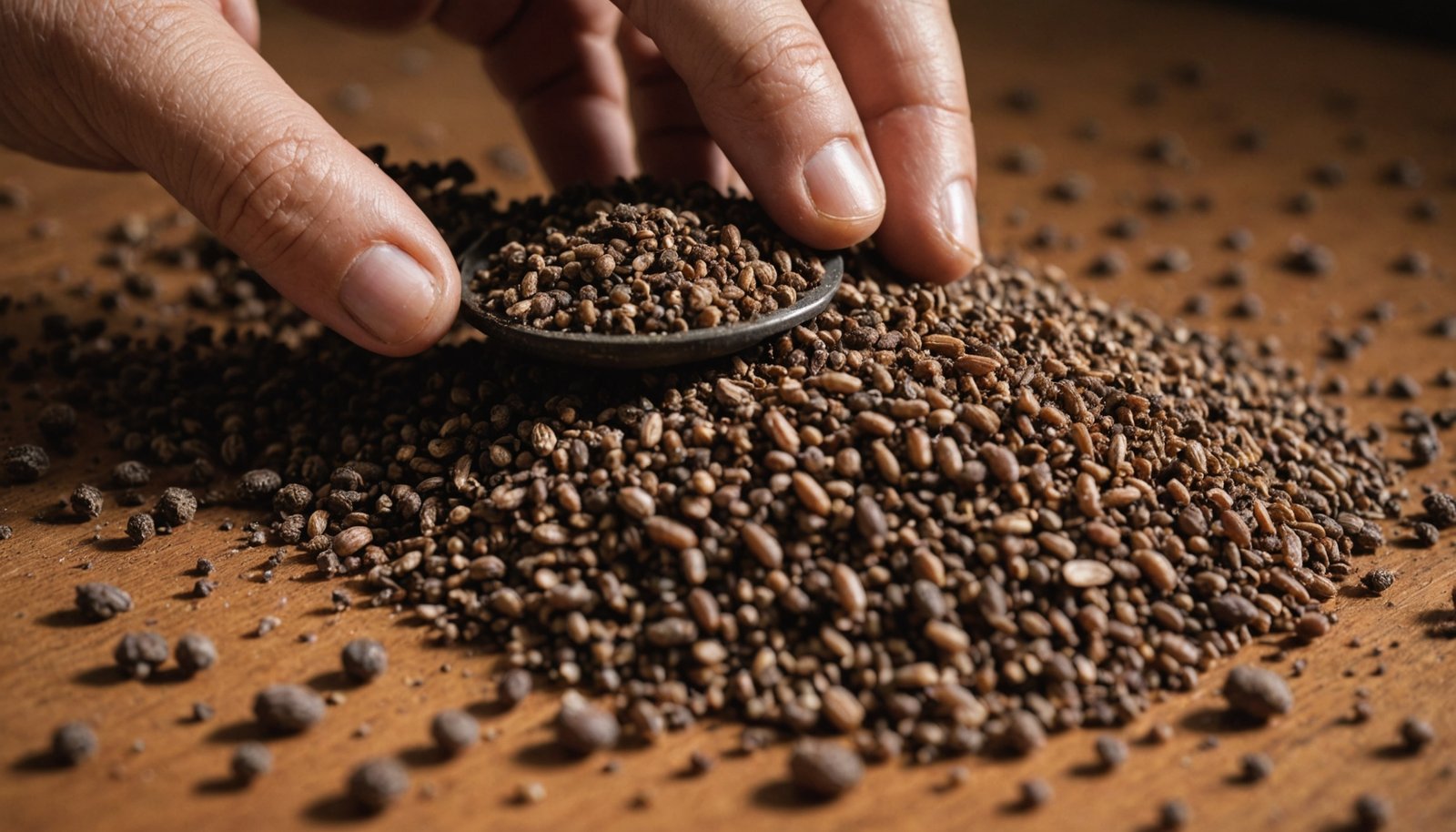
- Termite droppings from drywood termites are uniform oval pellets with six concave sides, about 1mm long, and can resemble sawdust, coffee grounds, or fine sand.
- Safe removal requires respiratory protection. Do not attempt to clean large mounds of frass without proper equipment and without first confirming the full extent of the infestation with a pest control professional.
Are Termite Droppings Toxic? The Direct Answer
Termite frass does not contain poison, venom, or compounds that cause acute toxicity on contact. The danger is subtler. In houses with active termite infestations, frass accumulates over time near kick-out holes in wood structures. When disturbed during cleaning or renovation, the dust enters your lungs. People with asthma, allergies, or reduced immunity face the most serious risks — but even healthy adults experience irritation with prolonged exposure. Unlike carpenter ants or bed bugs, which pose direct physical risks, the problem with termite droppings builds gradually and is easily mistaken for ordinary household dust or sawdust.
For broader information on the health effects termites cause, see our guide on whether termites can make you sick.
What Makes Up Termite Droppings?
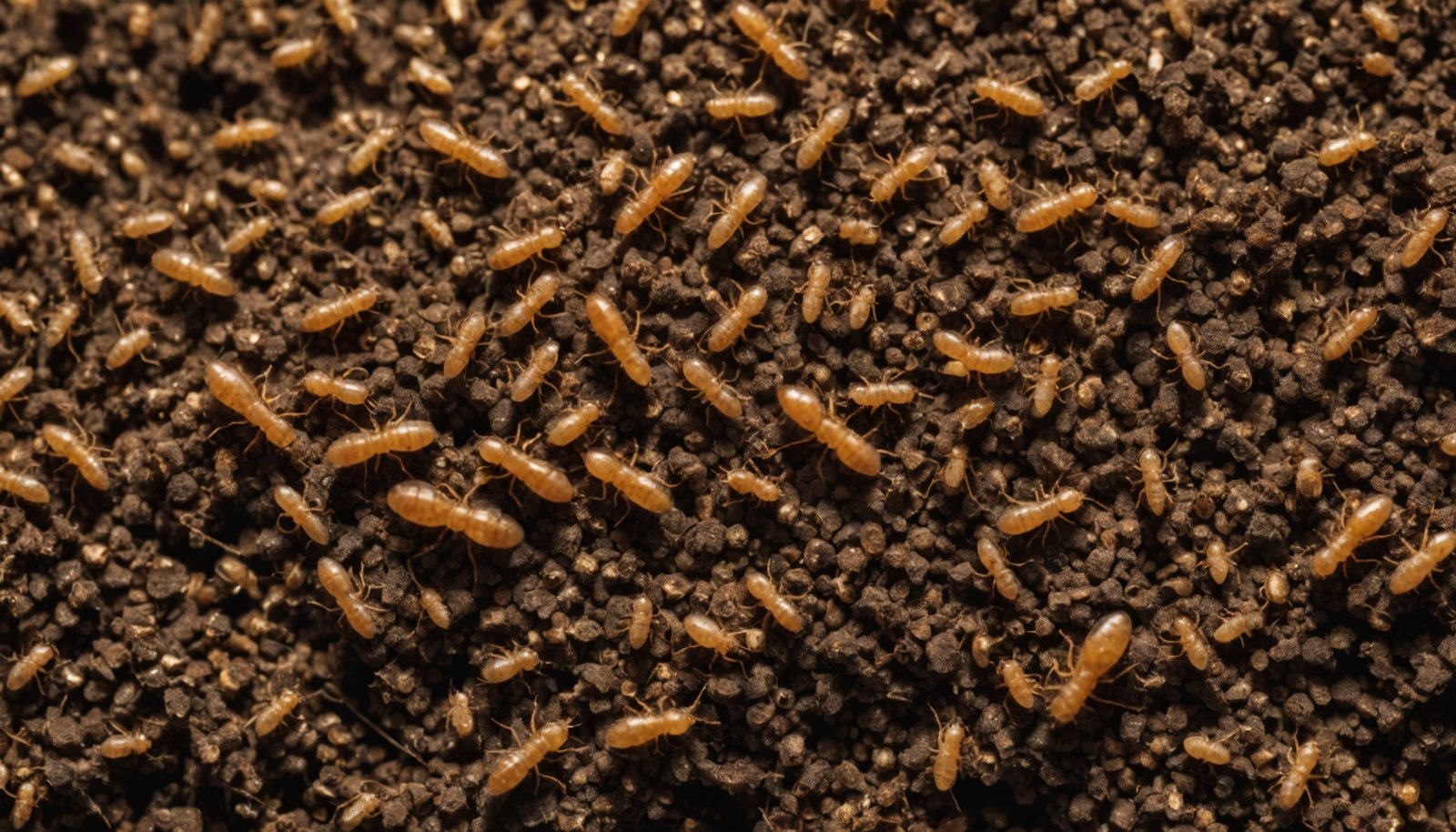
Termite frass is primarily composed of lignin and cellulose — the digested remains of wood and other cellulose food sources the termites have consumed. You will also find hydrocarbons including n-alkanes and dimethylalkanes, uric acid, soluble proteins from the termites’ digestive processes, and mineral elements including magnesium, iron, and extractable chloride. Nitrogen content in termite frass is approximately double that found in pinewood, giving it a richer chemical profile than ordinary sawdust.
The chemical signature of frass changes with age, with distinct profiles appearing between fresh frass (0-196 days old), medium (197-381 days), and old frass (382-690 days) — making laboratory identification possible even months after deposition. This aging process also affects the dust and respiratory hazard: older, drier frass is more easily disturbed into airborne particles than fresh deposits.
Identifying Termite Droppings: Frass vs. Sawdust, Coffee Grounds, and Sand
Correct identification matters — calling a pest control professional for carpenter ants when you actually have drywood termites wastes time and lets real damage progress. Here is how to distinguish between the types of debris:
- Termite frass vs. sawdust: Sawdust is irregular in size and shape with no consistent geometry. Termite frass pellets are uniform with six concave sides — this regularity is the clearest sign of drywood termites.
- Termite frass vs. coffee grounds: Coffee grounds are dark, rounded, and irregular. Frass can be similarly dark when termites have been eating dark wood, but the six-sided pellet shape distinguishes it. Coffee grounds also won’t appear in mounds near kick-out holes in wood structures.
- Termite frass vs. fine sand: Sand and frass look similar in color and texture from a distance, but frass has a consistent geometric shape visible under magnification and always appears near wood surfaces rather than soil intrusion points.
- Termite frass vs. carpenter ant debris: Carpenter ants push mixed materials out of their tunnels — wood shavings, dead insects, and organic debris — rather than the uniform pellets of termite frass.
- Termite poop vs. bed bug debris: Bed bugs leave dark liquid stains on fabric and surfaces. Finding dry, wood-colored mounds near wooden furniture, window sills, or baseboards points to drywood termites.
Health Risks and Safety Concerns
Respiratory and Allergic Effects
Termite frass contains proteins that act as allergens when they become airborne dust. Exposure triggers sneezing, coughing, itchy eyes, and throat irritation in sensitive individuals. In people with asthma, frass particles can provoke attacks and worsen existing inflammation. Research shows that exposure to termite allergens can increase asthma risk in children, making early action especially important in homes with young residents. Direct skin contact with frass causes irritation and redness in some people, particularly those already sensitive to insect proteins.
Mold Growth and Secondary Health Concerns
The moisture damage associated with termite activity creates damp conditions inside walls, floors, attics, and crawl spaces — ideal conditions for mold growth. Mold spores mix with frass dust and wood particles in the indoor air, creating a compounding respiratory hazard. In severe cases this contamination causes headaches, fatigue, and in immunocompromised individuals, more serious respiratory infections. Homeowners who attempt DIY removal without respiratory protection often stir up mounds of frass in attics and crawl spaces, dramatically increasing their personal exposure to this combined hazard.
High-Risk Groups
Not everyone faces equal risk from termite frass exposure. Groups with the highest vulnerability include:
- People with pre-existing asthma or other respiratory conditions
- Individuals with known allergies to insects, dust mites, or mold
- Children, who spend more time on floors and in close contact with household surfaces
- Elderly individuals with reduced respiratory reserve
- Immunocompromised people at greater risk from the mold and fungal spores that accompany termite moisture damage
When to Seek Medical Attention
If you or a family member experiences persistent coughing, wheezing, unexplained skin rashes, or worsening allergy symptoms after discovering termite droppings, consult a doctor. Bring information about the extent of the infestation and any pesticide treatments applied to the home — both are relevant to diagnosis and treatment options.
Indoor Air Quality Impact
Frass degrades indoor air quality through three main pathways. First, the proteins in termite droppings act as airborne allergens that accumulate in poorly ventilated places — attics, crawl spaces, and inside walls — and spread through the home’s HVAC system when disturbed. Second, moisture from termite activity promotes mold growth that releases spores into living areas. Third, frass combined with wood debris and mold creates particulate matter that aggravates asthma, COPD, and other conditions in susceptible individuals. The problem compounds over time: the longer an infestation runs undetected, the greater the accumulation in structural voids and the worse the air quality impact.
Where to Find Termite Droppings in Your Home
Drywood termites push frass out of small kick-out holes in wood, creating mounds that accumulate in places directly below or near the colony. Key locations to inspect:
- Window sills and door frames — drywood termites commonly establish colonies in wooden window and door frames
- Baseboards and floors — mounds of frass on floors near wood structures are among the most visible signs
- Attics and crawl spaces — where termite activity often goes undetected longest, allowing the largest accumulations to build
- Wooden furniture — drywood termites infest furniture, especially antique or unfinished pieces in garages and storage areas
- Near the foundation — look for mud tubes (subterranean termites) and frass mounds (drywood termites) around the foundation perimeter
- Inside walls near cracks and entry holes — kick-out holes used by drywood termites to expel waste are a reliable sign of active infestation
Finding frass in multiple places throughout the home — particularly near windows, floors, and structural wood — indicates an established colony. Note the location of all mounds before contacting a pest control professional. Disturbing frass piles before an inspection removes evidence the technician needs to assess the full extent of the infestation.
Safe Cleanup Steps and Removal
Never attempt to clean large accumulations of termite droppings without first confirming what you are dealing with and completing professional treatment. Key steps for safe removal:
- Document the locations and sizes of all frass mounds with photos before touching anything
- Contact a pest control professional and schedule a termite inspection before starting cleanup
- Once the infestation is confirmed and a treatment plan is in place, use an N95 respirator, gloves, and eye protection before disturbing any frass
- Use a HEPA-filtered vacuum for dry frass on hard surfaces — do not blow or sweep, as this disperses particles into the air
- Dispose of collected material in sealed bags immediately
- Wipe surfaces with a damp cloth after vacuuming to collect remaining fine particles
- Ventilate the area well after cleanup and monitor for any recurrence of frass mounds
Frass removal is a secondary step — the primary action is addressing the infestation itself. Cleaning frass without exterminating the colony is pointless, as termites will continue producing waste in the same locations.
Prevention and Professional Treatment Options
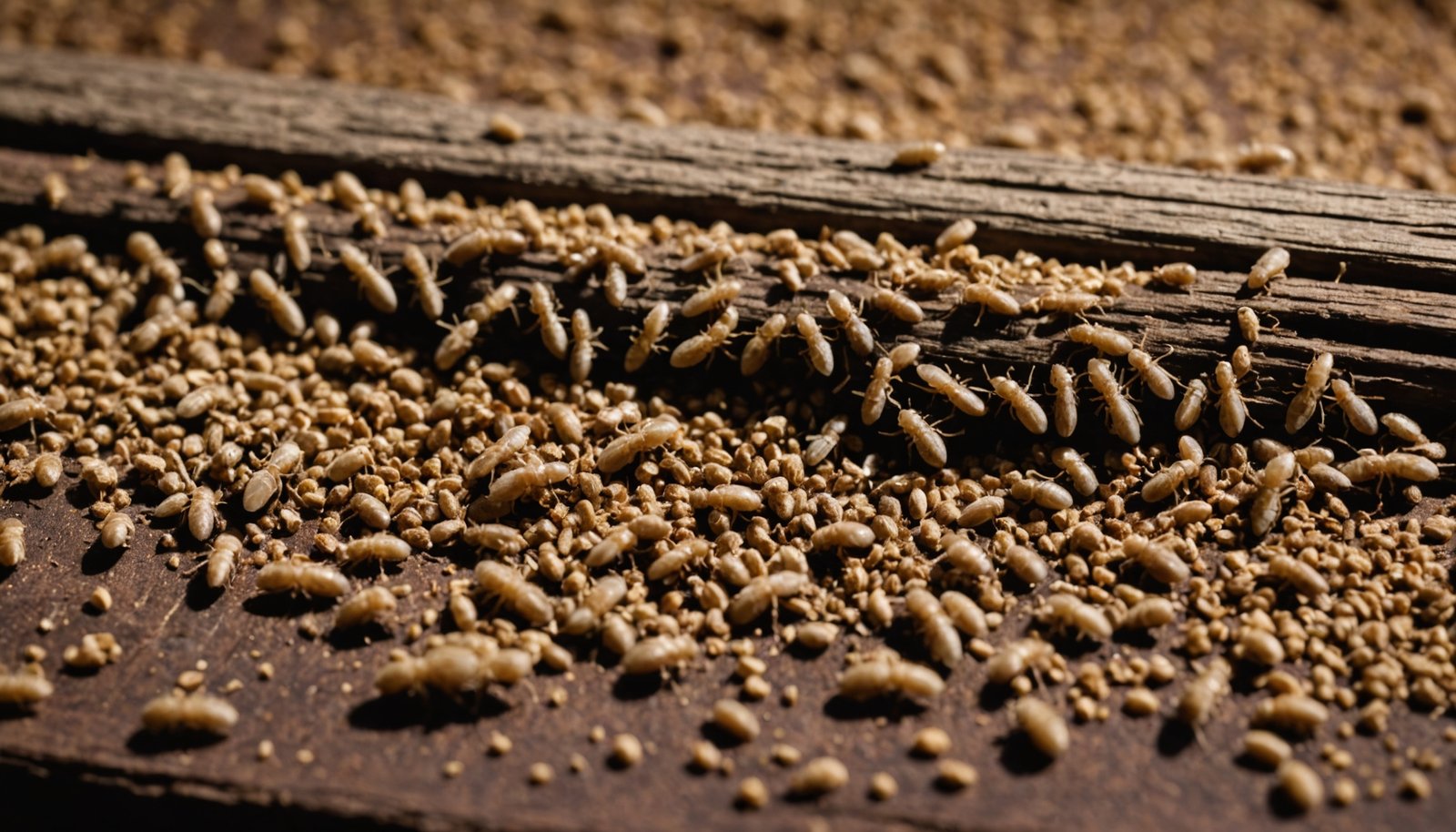
Professional termite control services are required to identify the termite species present and determine the appropriate treatment plan. Drywood termites — the type that leave visible frass mounds — require different treatment options than subterranean species. A pest control professional will use detection tools including infrared cameras and fiber optic devices to assess the full extent of the infestation before recommending a treatment plan.
Standard treatment options for drywood termites include localized spot injection, whole-structure fumigation for widespread infestations that have spread to multiple tunnels and structural areas, and heat treatment. For subterranean species that have tracked frass into the structure via mud tubes, soil-applied liquid termiticides and bait systems targeting the colony at its food sources in the ground are typically used.
Prevention steps that reduce both termite risk and frass exposure include: maintaining proper drainage away from the foundation, sealing cracks in foundation walls and around windows and doors, keeping wooden furniture and structural wood dry, removing cellulose food sources like wood debris and mulch from direct contact with the home, and scheduling annual inspections from termite control services even when no visible signs are present. Swarmers, or winged termites found near windows and light sources, are often the first visible sign of a mature colony — spotting them warrants immediate professional inspection before frass accumulations and structural damage become severe.
Frequently Asked Questions
Are termite droppings toxic to humans?
Not directly. Termite frass contains no venom or acutely toxic compounds. The health risk comes from airborne frass particles that act as allergens and respiratory irritants — particularly dangerous for people with asthma, allergies, or compromised immunity. The secondary mold risk from termite moisture damage adds to the health concern.
Is it safe to touch termite droppings?
Brief contact is unlikely to cause serious harm for most people, but skin irritation and allergic reactions are possible in sensitive individuals. The greater risk is inhaling disturbed frass dust during cleanup. Always wear gloves and an N95 respirator when handling frass, and avoid sweeping or blowing dry droppings in ways that suspend particles in the air.
Can pets be harmed by termite droppings?
Termite frass is not toxic to dogs or cats. A pet that ingests frass is unlikely to experience serious effects. The same respiratory concerns that apply to humans — particularly if pets spend time in heavily infested attics or crawl spaces — apply to animals with pre-existing conditions. See our detailed guide on whether termites are dangerous to pets for more information.
How do I clean up termite droppings safely?
Use an N95 respirator, gloves, and eye protection. HEPA-vacuum dry frass from hard surfaces, dispose in sealed bags, and wipe surfaces with a damp cloth. Do not attempt large-scale cleanup before professional treatment — removal without exterminating the colony is a temporary measure only, and disturbing large mounds before inspection removes evidence needed to assess the extent of the infestation.
{
“@context”: “https://schema.org”,
“@graph”: [
{
“@type”: “Article”,
“headline”: “Are Termite Droppings Toxic? Health Risks and Safety Tips”,
“description”: “Termite droppings are not directly toxic but pose real health risks through airborne particles, allergic reactions, respiratory irritation, and mold growth. Learn how to identify frass, assess the risks, and clean up safely.”,
“image”: “https://termitecontrolcare.com/wp-content/uploads/2025/10/termite_frass_health_risks_xg3o5.jpg”,
“author”: { “@type”: “Organization”, “name”: “Termite Control Care” },
“publisher”: {
“@type”: “Organization”,
“name”: “Termite Control Care”,
“logo”: { “@type”: “ImageObject”, “url”: “https://termitecontrolcare.com/wp-content/uploads/termitecontrolcare-logo.png” }
},
“datePublished”: “2025-10-01”,
“dateModified”: “2026-05-19”
},
{
“@type”: “BreadcrumbList”,
“itemListElement”: [
{ “@type”: “ListItem”, “position”: 1, “name”: “Home”, “item”: “https://termitecontrolcare.com/” },
{ “@type”: “ListItem”, “position”: 2, “name”: “Are Termite Droppings Toxic?”, “item”: “https://termitecontrolcare.com/are-termite-droppings-toxic/” }
]
},
{
“@type”: “FAQPage”,
“mainEntity”: [
{
“@type”: “Question”,
“name”: “Are termite droppings toxic to humans?”,
“acceptedAnswer”: { “@type”: “Answer”, “text”: “Not directly. Termite frass contains no venom or acutely toxic compounds. The health risk comes from airborne frass particles that act as allergens and respiratory irritants, particularly dangerous for people with asthma, allergies, or compromised immunity. Secondary mold risk from termite moisture damage adds to the health concern.” }
},
{
“@type”: “Question”,
“name”: “Is it safe to touch termite droppings?”,
“acceptedAnswer”: { “@type”: “Answer”, “text”: “Brief contact is unlikely to cause serious harm for most people, but skin irritation and allergic reactions are possible in sensitive individuals. The greater risk is inhaling disturbed frass dust during cleanup. Always wear gloves and an N95 respirator when handling frass.” }
},
{
“@type”: “Question”,
“name”: “Can pets be harmed by termite droppings?”,
“acceptedAnswer”: { “@type”: “Answer”, “text”: “Termite frass is not toxic to dogs or cats. A pet that ingests frass is unlikely to experience serious effects. The same respiratory concerns that apply to humans may apply to animals spending extended time in heavily infested attics or crawl spaces.” }
},
{
“@type”: “Question”,
“name”: “How do I clean up termite droppings safely?”,
“acceptedAnswer”: { “@type”: “Answer”, “text”: “Use an N95 respirator, gloves, and eye protection. HEPA-vacuum dry frass from hard surfaces, dispose in sealed bags, and wipe surfaces with a damp cloth. Do not attempt large-scale cleanup before professional treatment — removal without exterminating the colony is a temporary measure only.” }
}
]
},
{
“@type”: “VideoObject”,
“name”: “Are Termite Droppings Toxic? Health Risks and Safety Tips”,
“description”: “A guide to the health risks of termite droppings, how to identify frass versus sawdust and coffee grounds, safe cleanup steps, and when to call a pest control professional.”,
“thumbnailUrl”: “https://termitecontrolcare.com/wp-content/uploads/2025/10/termite_frass_health_risks_xg3o5.jpg”,
“uploadDate”: “2025-10-01”,
“publisher”: { “@type”: “Organization”, “name”: “Termite Control Care” }
}
]
}

Pingback: Can Termites Make You Sick? Myths Vs Facts About Health Risks - Termite Control Care
Pingback: Are Termites Dangerous for Dogs and Cats? - Termite Control Care