Cost to Repair Termite Damage: A Complete Estimate Guide
You’ll typically spend a few hundred dollars for minor cosmetic termite repairs and $1,800–$3,000 on average for structural fixes, but costs can exceed $10,000 for severe whole-house damage. Small drywall or floor repairs often run $200–$1,000, while major framing or subfloor work can reach $3,000–$8,000+. You’ll also want to budget $300–$800 yearly for prevention and $100–$300 for inspections, and you can see exactly how these costs break down next.
Key Takeaways
- Termite repair costs range from about $300 for minor fixes to over $10,000 for extensive whole-house structural damage.
- Structural repairs like framing, beams, subfloors, and walls typically cost $500 to $8,000+, depending on extent and accessibility of damage.
- Treatment costs vary by termite type and method: roughly $225 to $2,500, with severe cases and fumigation sometimes exceeding $5,000.
- Small cosmetic repairs—repainting, refinishing floors, patching drywall, and minor floorboard replacement—usually cost a few hundred to around $1,000.
- Ongoing prevention (inspections, bait systems, moisture control) costs about $300–$800 yearly and can significantly reduce future repair expenses.
Average Termite Damage Repair Costs
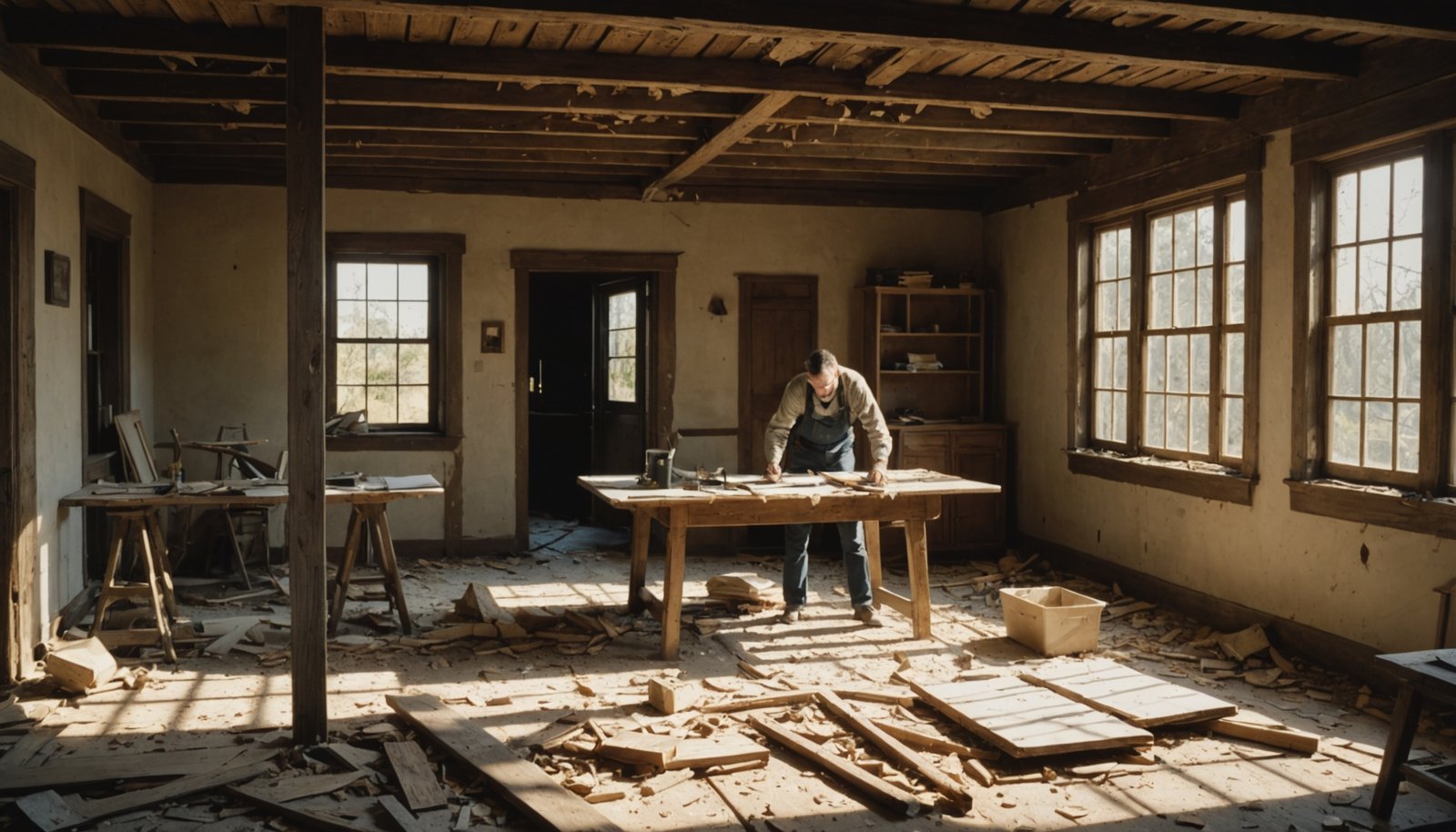
Basic repairs per incident usually run about $556 to $1,068 as of January 2026, but that’s just a snapshot. When termites reach framing, flooring, or other structural components, true repair bills can jump into the $3,000 to $8,000 range. These repair figures are 10–20 times higher than what you’d typically pay for prevention, which usually costs $300 to $800 per year. Because of that gap, you’ll save money long term if you treat termite work as a recurring maintenance item instead of waiting for expensive repairs. Professional inspections typically range from $100 to $300, and catching issues early with early detection can prevent those repair bills from spiraling.
Termite Damage Repair Costs by Size and Type
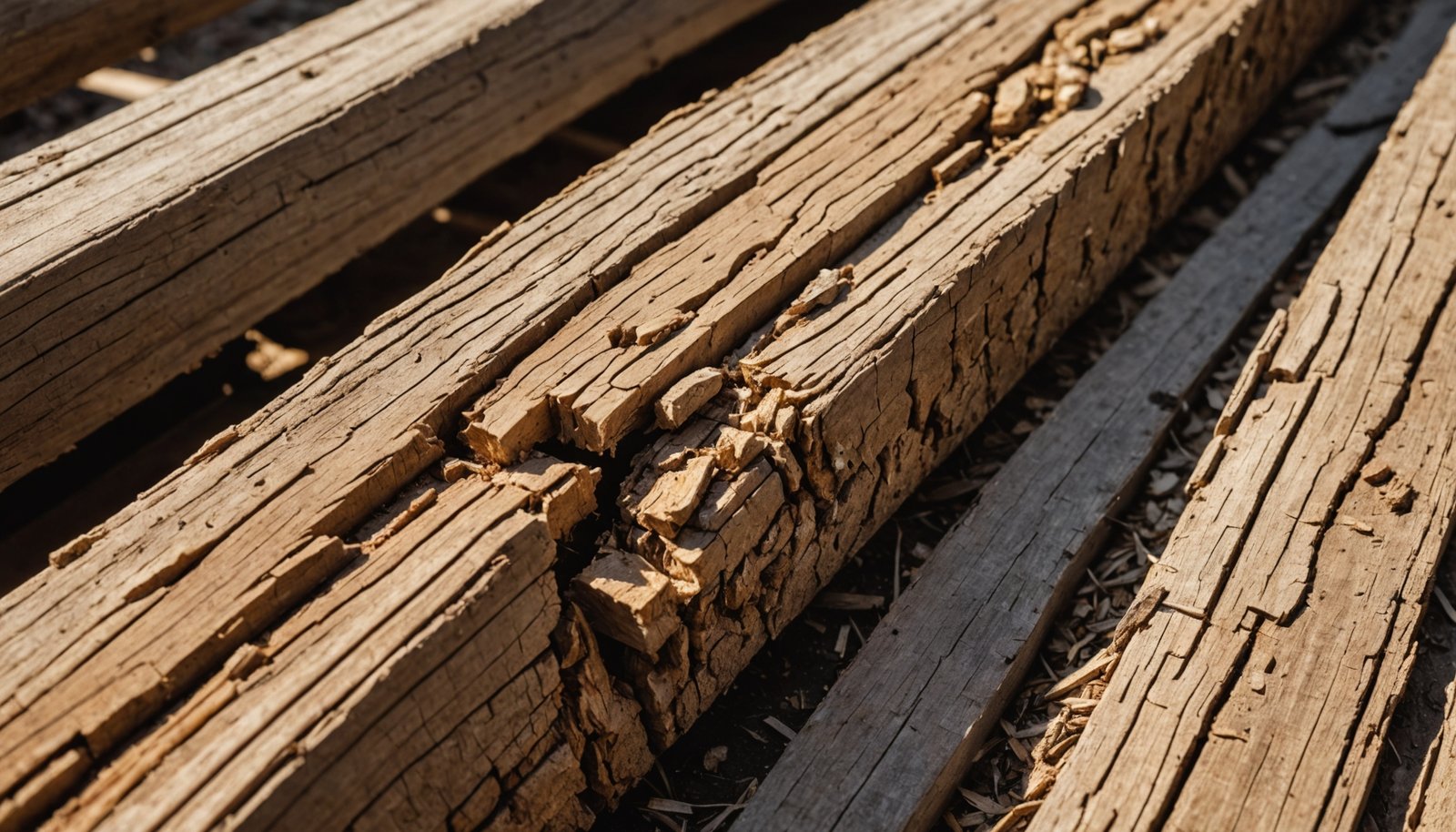
When you estimate repair costs, you’ll want to match them to the size and type of termite damage in your home.
Expenses look very different for small cosmetic repairs, moderate structural damage, and extensive whole-house restoration. Minor repairs can range from $300 to $2,000, while major structural restoration may exceed $15,000 depending on severity.
Let’s break down what you can expect to pay at each of these levels so you can plan your budget more accurately.
Small Cosmetic Repairs
Even if termites haven’t compromised your home’s structure, their activity often leaves behind cosmetic issues that still cost money to fix.
These repairs focus on appearance, not safety, but they still add up. Early detection and routine inspections can keep these cosmetic fixes from turning into far more expensive structural repairs over time.
You’ll typically deal with:
- Repainting walls: At $4–$8 per square foot, cleaning, priming, and repainting a small room stained by termite moisture runs about $200–$500.
- Fixing discolored or warped floors: Sanding and refinishing hardwood costs $5–$25 per square foot, or roughly $250–$1,000 for minor buckling.
- Patching small drywall holes: Each tunneling void usually costs $60–$200 to cut out, patch, mud, and paint.
- Minor floorboard replacement: Localized warped boards fall in the $250–$1,000 range.
- Paint chipping and surface fixes: Expect a few hundred dollars to correct chipped paint, sheetrock discoloration, and light buckling.
Moderate Structural Damage
Moderate structural termite damage sits between simple cosmetic fixes and full-scale reconstruction, and it usually carries a repair bill of about $2,000 to $5,000. In this range, you’re dealing with issues like localized framing repair, subfloor replacement, and non-load-bearing wall restoration. A professional contractor or structural engineer should define the scope so you don’t miss hidden problems. Because prevention is dramatically more affordable, many homeowners in high-risk regions choose to pair these repairs with an annual termite protection plan to avoid repeat damage.
| Repair Area | Typical Work Scope | Cost Range |
|---|---|---|
| Framing & Beams | Localized framing, single beam replacement | $11–$30/ft; $1,500–$5,000/beam |
| Subfloors | Remove damaged subfloor, fix sagging sections | $500–$2,000+; ~$300/sq. ft. |
| Walls & Drywall | Replace sections, patch, repaint | $200–$2,500; paint $2–$5/sq. ft. |
Also factor in labor minimums ($100–$200), contractor overhead (13%–22%), and required permits.
Extensive Whole-House Repairs
Although many termite problems stay fairly localized, extensive whole-house damage can push repair costs into the $3,000 to $10,000+ range and trigger major structural work.
When termites compromise beams, walls, and floors across multiple rooms, you’re no longer doing spot fixes—you’re rebuilding critical parts of the house. In many cases, the total repair bill ends up far exceeding what long-term preventive termite service would have cost.
You might face:
- Structural beam replacement at $1,500–$5,000 each, with rotted sections and wood rebuilds reaching $2,000–$10,000.
- Load-bearing wall replacement at $3,000–$10,000+ when termites hollow out studs and headers.
- Sagging or warped floors costing $5–$25 per square foot, plus up to $7,000 for major floor and ceiling repairs.
- Foundation damage repairs that can soar to $25,000 with severe infestations.
- Added expenses from temporary relocation, repainting ($4–$8 per square foot), and siding replacement.
Structural Termite Damage Costs: Beams, Floors, and Walls
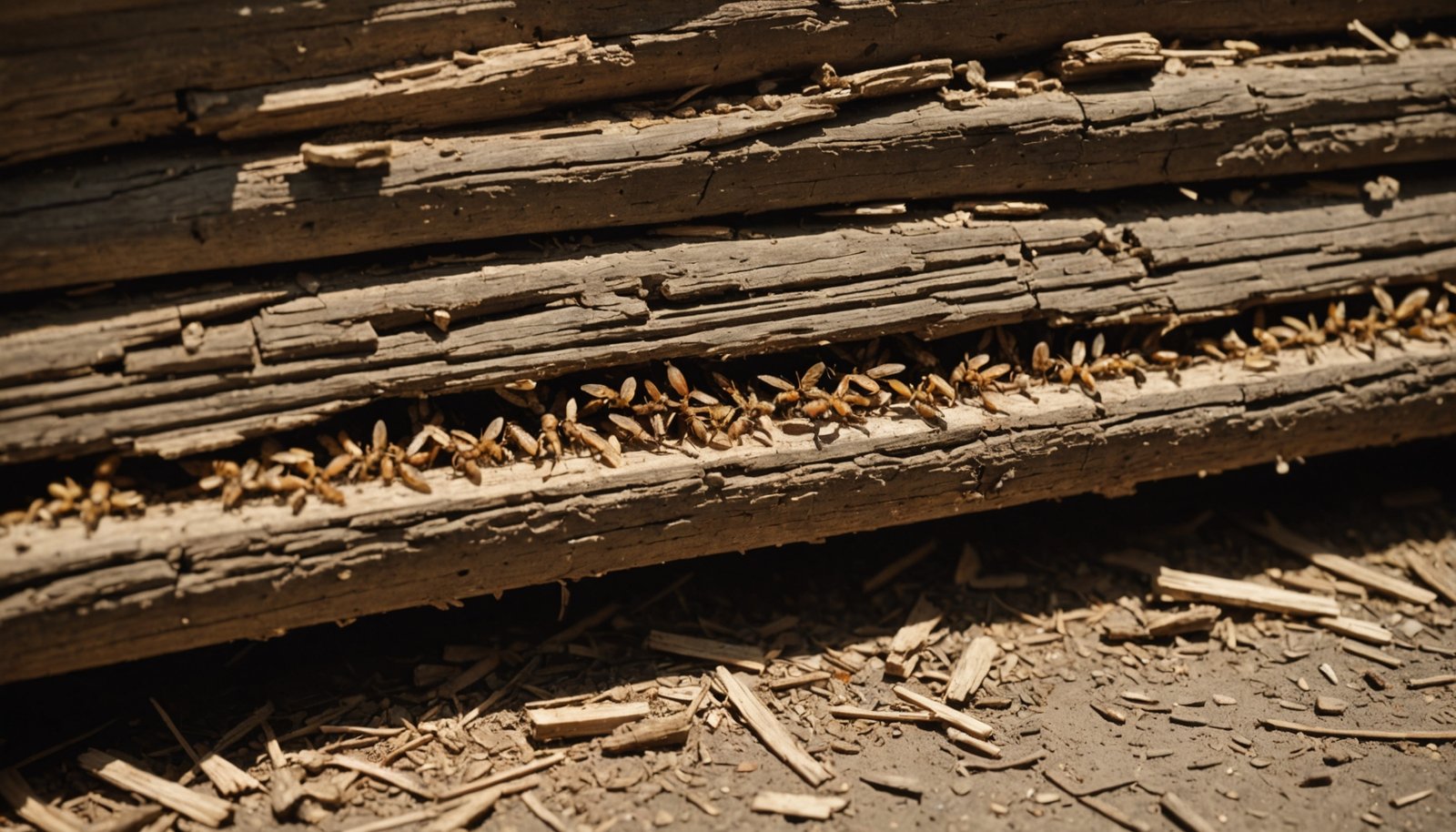
When termites attack your home’s structure, beams, joists, load-bearing walls, and floors quickly become some of the most expensive repairs.
You’ll need to understand how costs add up when replacing support beams and joists versus rebuilding damaged walls and sagging subfloors.
Beam and Joist Replacement
Severe termite infestations can chew through the very bones of your home, forcing you into costly beam and joist repairs to keep floors and walls structurally sound.
When termites weaken beams, you might pay $1,500–$5,000 per support beam, with rotted beams often landing between $2,000 and $5,000. Long beams sometimes allow cheaper repairs at $200–$500 per room, but full replacement in severe cases can reach $5,000–$20,000.
Joist repair and replacement costs add up fast:
- Individual joist repair usually runs $100–$300
- Full joist replacement per unit often costs $1,000–$2,000
- Replacing all joists on one level can hit $20,000–$30,000
- Expect at least $1,000 for minor joist fixes
- Accessibility and engineer consultations greatly influence your final bill
Load-Bearing Walls and Floors
Because termites often hide inside walls and under floors, you mightn’t realize there’s a problem until key structural elements start to fail—and by then, repairs get expensive fast.
When termites compromise a load-bearing wall, you’re looking at $3,000–$10,000+ per wall to replace it. A licensed contractor or structural engineer must design temporary supports and verify the structure’s safe.
Floors show damage through sagging or warping. Sagging repairs can run about $300 per square foot, while warped flooring usually costs $5–$25 per square foot to fix, or $2,000–$5,000 for full replacement.
Buckling hardwood often means damaged subflooring.
Once you open walls and floors, costs climb quickly into the medium- to large-scale range, especially when studs, beams, and finishes need replacement.
Termite Species and Repair Costs: Subterranean vs Drywood vs Formosan
Although all termites eat wood, the species chewing through your home has a big impact on what you’ll pay to fix the damage. Subterranean and Formosan termites usually hit your structure hardest, while drywood termites more often leave you with cosmetic repairs.
Here’s how species shifts your budget:
- Subterranean termites: You’ll often face $3,000–$10,000+ in repairs, especially when mud tubes let them reach beams and load‑bearing walls ($1,500–$5,000 each to replace).
- Drywood termites: Expect $600–$3,000 in mostly localized, cosmetic fixes, like drywall panels at $60–$90 each.
- Formosan termites: Their aggressive colonies push structural repairs to $3,000–$10,000+ and frequently require whole‑structure work.
- Treatment ranges: Subterranean bait systems run about $225–$900, drywood treatments $225–$2,500, and Formosan control $250–$1,500, sometimes $5,000+ with fumigation.
- Overall averages: Across species, most homeowners spend $1,800–$3,000, but severe structural damage can quickly climb above $10,000.
Hidden Costs of Termite Damage: Value Loss, Mold, and Relocation
While repair invoices usually grab your attention first, termite damage quietly drains your wallet in several other ways.
When your home has a documented termite history, buyers notice. Inspection reports flag past damage, disclosure laws force you to talk about it, and you often accept 3–5% less than comparable homes—even after “perfect” repairs.
Hidden structural damage also affects comfort and utilities. When termites chew through framing and insulation, your home leaks air. Your HVAC system runs longer, year-round bills climb, and moisture intrusion in humid climates makes cooling even less efficient.
Severe damage can push you out of your home entirely. You may need a rental, hotel stays, storage, and multiple moves while crews rebuild structural elements, with costs mounting as timelines stretch.
Finally, termite-weakened, damp areas become mold incubators, leading to respiratory risks, environmental cleanup fees, medical bills, and additional demolition and rebuilding.
How to Reduce Termite Repair and Treatment Costs
Instead of waiting for termites to rack up thousands in structural repairs, you can lower your overall costs by focusing on prevention, early detection, and smart treatment choices.
Annual professional inspections—and even free inspections some providers offer—let you catch minor infestations before they demand expensive full-structure treatments.
If you’re building or remodeling, pre- and mid-construction liquid or borate applications are far cheaper than corrective work later.
You can combine several tactics to keep both damage and treatment bills down:
- Schedule yearly inspections and act quickly when activity appears.
- Use pre-foundation soil or chemical barriers ($3–$16 per linear foot) during construction.
- Install a preventative bait system like Sentricon (starting around $900) before colonies explode.
- Choose targeted treatments—spot, trench, or barrier methods—over whole-house fumigation when appropriate.
- Seal entry points, fix drainage, remove wood-to-soil contact, and rely on professionals with warranties to avoid repeat costs.
Conclusion
When you understand termite damage costs, you can plan instead of panic. Use average and size-based estimates to budget, then factor in species, hidden structural issues, and value loss. Don’t ignore signs—catching termites early always costs less than major repairs. Get multiple quotes, combine treatment with repairs, and ask about warranties. With smart inspections, preventive treatments, and quick action, you’ll control expenses and protect your home’s structure, safety, and long‑term value.