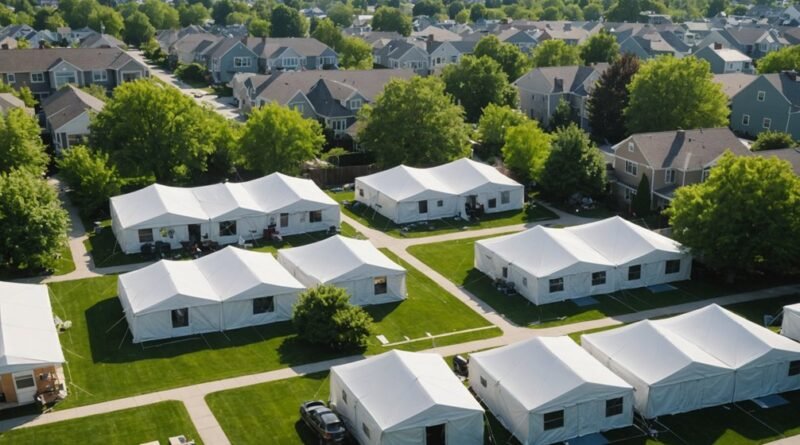
Termite Fumigation Cost: Tenting Prices by Home Size
Termite fumigation with tenting costs about $1,000 to $1,500 for a small home under 1,500 sq. ft., $2,000 to $5,000 for a 1,500 to 2,500 sq. ft. home, and $4,000 to $12,000 or more for houses over 2,500 sq. ft. Most jobs run $1 to $4 per square foot, depending on home height, foundation type, and infestation severity.
Beyond the fumigation quote itself, homeowners also need to budget for temporary lodging, pet boarding, food replacement, and possible structural repairs, all of which can add thousands to the total. For a full comparison of your treatment options, see our complete guide to termite treatment options.
Key Takeaways
- Termite fumigation typically costs $1,000 to $1,500 for small homes under 1,500 sq. ft., excluding repairs or temporary lodging.
- Medium homes (1,500 to 2,500 sq. ft.) usually range from $2,000 to $5,000 for whole-house tenting, depending on severity and structure complexity.
- Large homes over 2,500 sq. ft. can cost $4,000 to $12,000 or more, with 3,000 to 4,000 sq. ft. houses reaching $3,000 to $16,000.
- Whole-house tent fumigation is generally priced at $1 to $4 per square foot, with higher rates for complex roofs or multi-story designs.
- Hidden costs including hotel stays, pet boarding, food replacement, and structural repairs can add thousands beyond the quoted fumigation price.
- Standard homeowners insurance does not cover termite damage or fumigation; a pest control warranty or service contract is the primary protection available.
Average Termite Fumigation Costs and Price Ranges
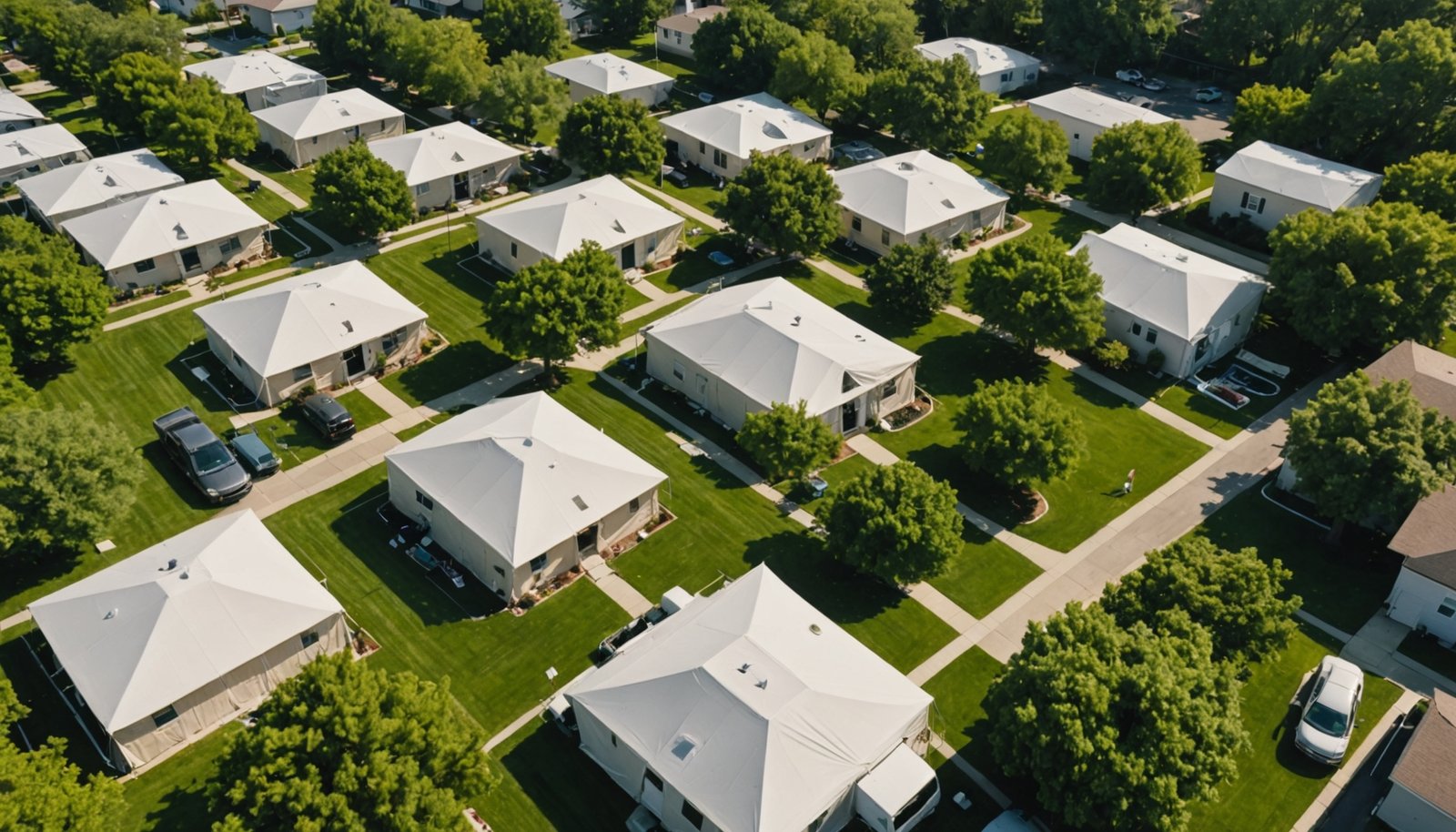
When budgeting for termite fumigation, national costs average around $1,500 to $2,500, with most treatments falling between $450 and $8,000 depending on home size, location, and how serious the termite infestation has become. The baseline rate of $1 to $4 per square foot helps you judge whether a contractor quote is reasonable for your situation.
You will also want to factor in potential damage repair costs alongside the fumigation price. A typical repair bill after termites runs about $1,800 for minor damage, but delayed treatment can push structural repair costs to $5,000 to $10,000 or more, especially when beams, subflooring, or wall framing have been compromised. Acting early almost always costs less than repairing what termites destroy.
Regional Price Differences
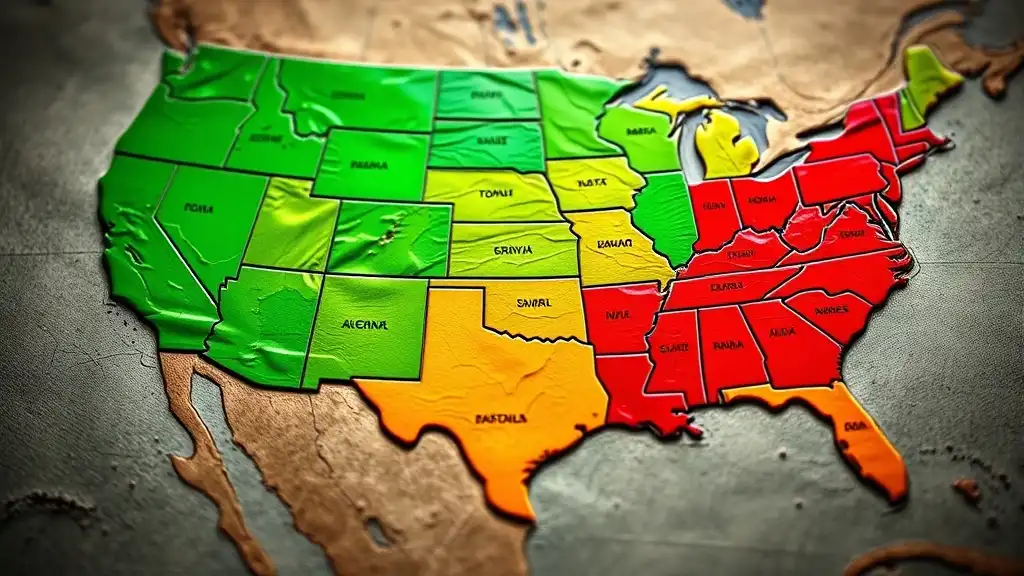
Regional price variation is significant, and homeowners in warmer climates generally pay more due to higher termite activity and greater demand for pest control services. In Florida, whole-house tenting commonly falls between $1,000 and $3,000, or roughly $1 to $2 per square foot. In California, termite control costs tend to run higher, especially in coastal counties where drywood termite species are widespread and exterminators are in high demand during peak seasons.
In states like New York, termite treatment costs for subterranean species are often lower than in the South or West because the climate is less favorable to large colonies. However, when drywood termites establish in structures in northern states, fumigation costs are similar regardless of geography because the process itself does not change. Formosan termites, an especially aggressive subterranean species found along the Gulf Coast and in Hawaii, can push both infestation severity and treatment costs higher than other regions typically see. Infestation severity also pushes costs higher in any region as gas volume usage and labor hours increase.
Termite Fumigation Costs per Square and Linear Foot

Most whole-house fumigation runs $1 to $4 per square foot for gas treatment, with heat treatment typically priced at $1 to $3 per square foot. Inspection costs before fumigation range from $150 to $350, though some pest control companies offer free termite inspections or credit the inspection fee when you hire them for treatment.
For severe infestations, expect quotes toward the $3 to $4 per square foot range because labor hours and gas volume both increase substantially. You will also see square foot pricing for alternative methods. Spot or micro-treatments often cost $6 to $8 per square foot, electro gun or microwave options run similarly, freeze treatment costs $3 to $6, and steam treatment runs $2 to $7.50 per square foot.
Some treatment methods use linear foot pricing instead of square footage. Chemical soil barriers are priced at $3 to $20 per linear foot, bait stations at $7 to $12, and no-tent or perimeter treatments at $4 to $16 per linear foot. These estimates help you compare actual treatment costs against getting a full fumigation quote from a licensed exterminator.
Termite Tenting Costs for Small, Medium, and Large Homes
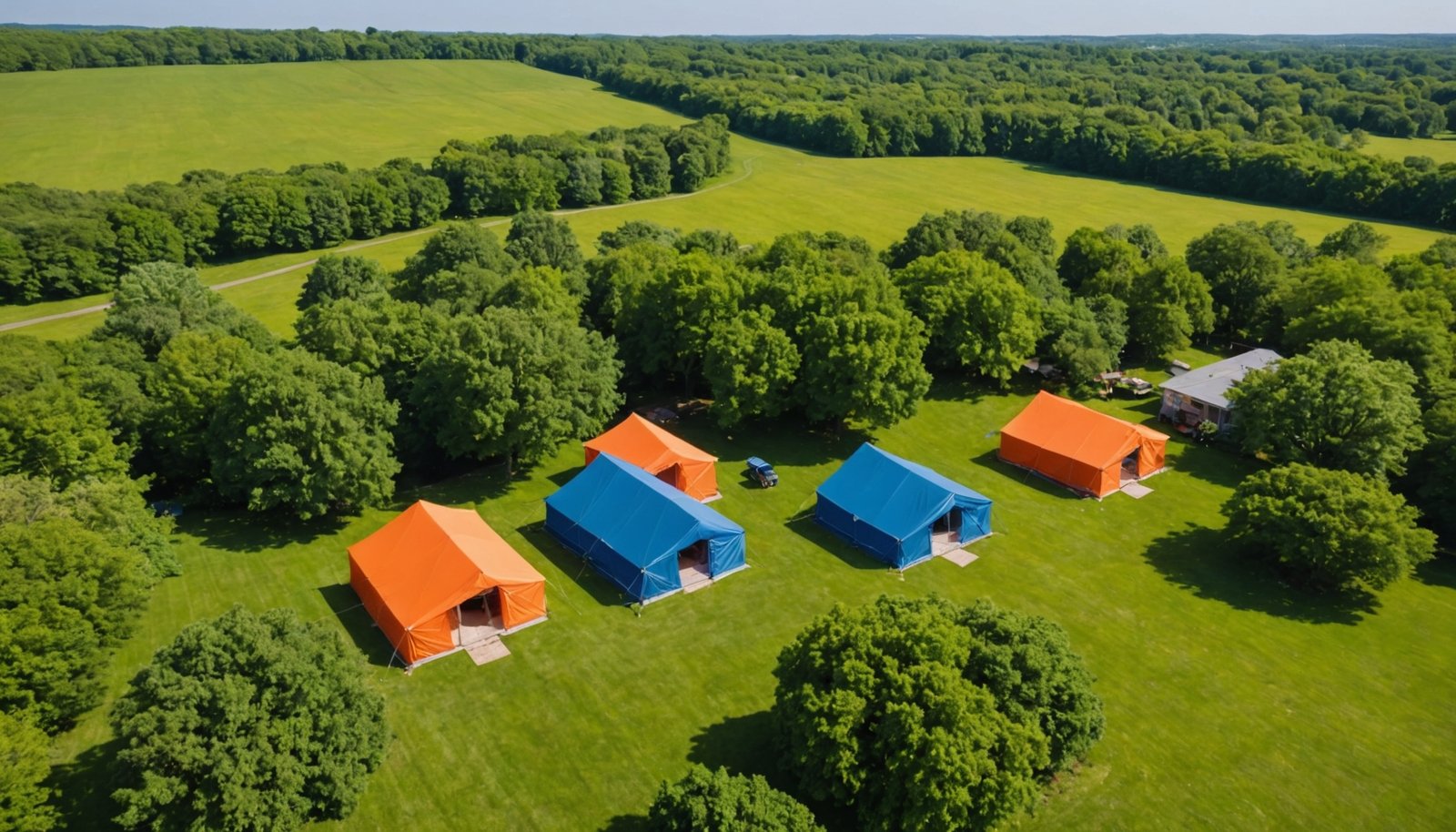
Understanding how home size drives pricing makes it easier to set a realistic budget before you contact contractors for estimates.
Small Homes Under 1,500 Square Feet
For small homes under 1,500 square feet, termite tenting typically costs $1,000 to $1,500. At $1 to $2 per square foot, a 1,300 square foot home often falls between $895 and $1,500. Budgeting is fairly straightforward at this size, and small homes generally involve less tent material and shorter labor time.
Medium Homes from 1,500 to 2,500 Square Feet
Medium homes in the 1,500 to 2,500 square foot range typically cost $2,000 to $5,000, though prices climb with added structural complexity. A 2,000 square foot home commonly lands between $2,000 and $5,000, and some national data shows treatments reaching $8,000 for complex layouts. A 2,500 square foot home averages around $6,250 when infestation severity is moderate to high.
Many homeowners at this size also add an annual termite bond after fumigation, which runs $500 to $2,000 per year and provides ongoing monitoring and retreatment coverage. Understanding the difference between a termite bond and a warranty is important before committing to a long-term pest control service contract.
Large Homes Over 2,500 Square Feet
Large homes over 2,500 square feet see the steepest fumigation totals. You might spend $4,000 to $8,000 or more, with 3,000 square foot homes ranging from $3,000 to $12,000 and 4,000 square foot homes reaching $4,000 to $16,000, even when per-square-foot pricing stays within typical national ranges. Multi-story layouts, complex rooflines, and attached garages or ADUs all push costs toward the higher end.
How Infestation Severity Changes Termite Tenting Costs
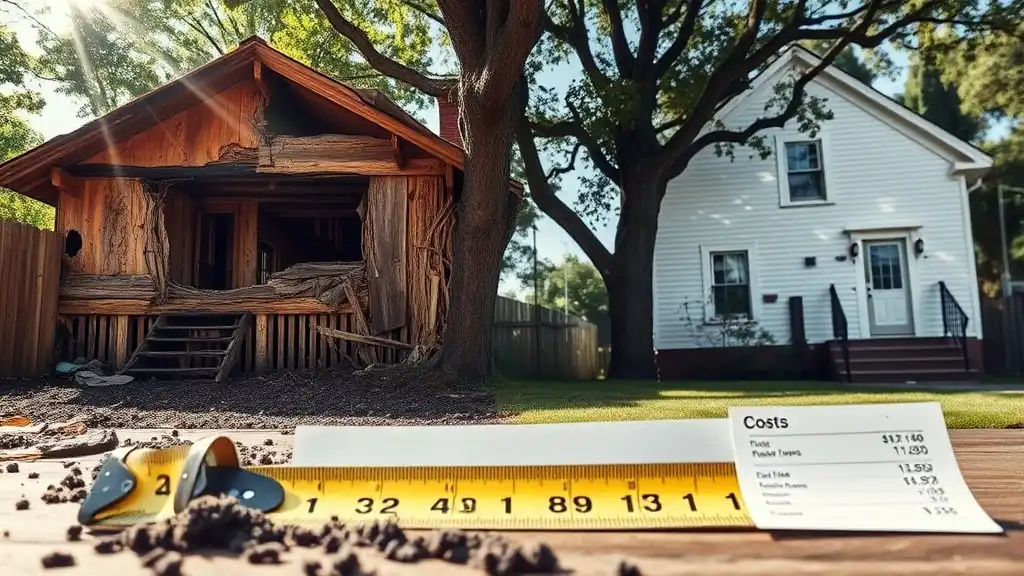
As a termite problem grows from mild to severe, fumigation and repair costs rise sharply because colonies of these destructive pests spread deeper into the structure and cause more extensive damage to wood, beams, flooring, and walls.
Mild Infestations
With a mild termite infestation, you might spend under $2,000 on localized treatment, plus $100 to $300 for an inspection and around $3,000 for minor repairs. Bait systems or spot treatments usually handle these early cases, and you can often avoid structural work entirely. Because termite damage is rarely covered by homeowners insurance and is classified as a preventable maintenance issue, catching an infestation at this stage significantly reduces your long-term financial exposure.
Moderate Infestations
Once a termite infestation becomes moderate, costs jump considerably. Larger colonies force pest control professionals to use expanded soil treatments or multiple bait stations throughout the property. Damage at this stage often reaches subfloors and framing, and repairs can run $2,500 to $7,500 for structural work, with an additional $500 to $2,000 for drywall and insulation replacement.
Severe Infestations
In severe termite infestations, whole-structure fumigation is typically unavoidable. Multiple treatment rounds may be required, and structural beam or floor joist replacement can run $2,500 to $10,000 or more. Flooring repairs cost $2,000 to $5,000 per affected area, and wall section replacements add further to the total. Drywood termites in particular can be difficult to detect until a colony has caused significant structural damage, which is why early termite inspections and monitoring matter so much.
How Home Size, Height, and Foundation Affect Fumigation Price
When pest control professionals calculate a fumigation price, they look at far more than just the bug count. Square footage, roof height, foundation type, and structural complexity all factor into the final estimate. A thorough on-site inspection is always necessary to produce an accurate, itemized quote based on your home’s specific conditions.
Cost by Square Foot
Most whole-house fumigation falls between $1 and $2 per square foot, though gas treatments for severe infestations can run $1 to $4. Heat treatments typically cost $1 to $3 per square foot. Expected totals are $1,000 to $1,500 for homes under 1,500 square feet, $2,000 to $3,000 for 1,500 to 2,500 square feet, and $4,000 to $8,000 or more for larger homes.
Many professionals calculate using interior square footage, but some price by linear foot of perimeter, typically $10 to $20 per linear foot for fumigation, which still reflects overall home size and tent coverage area.
Impact of Home Height
Fumigators price jobs by cubic volume, so a multi-story house almost always costs more than a single-story home with the same floor footprint. A 1,200 sq. ft. single-story home might tent for $1,200 to $1,800, while a 3,000 sq. ft. two-story home can run $2,800 to $4,000 or more.
Roofline design matters significantly. Steep, cut-up roofs, dormers, multiple roof levels, and attic access points that need extra sealing all require more tenting material and additional labor to seal correctly. Materials and equipment costs increase with each added surface the extermination team must cover. Detached garages, guest houses, and ADUs add surfaces and cost. Duplexes and townhomes often cost more because shared or adjacent walls complicate tent placement and gas containment.
Foundation Type and Pricing
Foundation type is another major driver of termite fumigation cost. Pest control professionals typically price liquid termiticide treatments at $3 to $16 per linear foot of foundation perimeter, bait systems at $7 to $12, and tenting at $5 to $20. As the perimeter length grows, your total bill climbs in proportion.
| Foundation Type | Typical Challenge Level | Relative Cost Impact |
|---|---|---|
| Slab on grade | Low | $ |
| Crawl space | Medium to High | $$ to $$$ |
| Basement | High | $$$ |
Slab on grade foundations are typically the cheapest option. They are simpler to prepare, and even though technicians must drill through concrete to apply liquid termiticide, a 200-foot perimeter often runs $1,000 to $3,200. Crawl spaces and basements cost more because technicians must trench soil, drill floors, and work in confined areas, all of which increase labor hours significantly.
What Is Included in a Termite Fumigation Service

Understanding exactly what your fumigation quote covers helps you compare estimates from different pest control companies accurately. A standard termite fumigation service typically includes the following:
- Pre-treatment inspection to confirm termite species, colony locations, and infestation severity
- Tent installation over the entire structure, sealed at the foundation perimeter
- Introduction of fumigant gas (typically sulfuryl fluoride) to penetrate all wood members
- Monitoring of gas concentration levels throughout the treatment period
- Aeration of the structure once the gas has cleared to safe levels
- Clearance certificate confirming the home is safe to re-enter
- Retreatment warranty covering a second fumigation if termites return within a specified period
Services not typically included in the quoted price are structural repairs to termite-damaged wood, beams, or flooring, cosmetic fixes such as drywall patching and repainting, pest control monitoring after treatment, and any additional treatments for secondary infestations discovered after the tent comes down.
Preparation Steps Before Termite Fumigation
Proper preparation is required before fumigation begins, and most pest control contractors provide a detailed checklist when you schedule the service. Failing to prepare correctly can delay the job or require rescheduling.
Food, Medications, and Plants
All food, beverages, and medications must be removed from the home or double-bagged in special Nylofume bags provided by the exterminator. These bags are impermeable to fumigant gas and protect items left inside the structure. Plants inside and immediately around the exterior of the home should be watered the day before to reduce chemical absorption through leaves and soil. Outdoor plants close to the tent perimeter may need to be temporarily moved or covered.
Pets and Temporary Lodging
All people and pets must vacate the property for the full fumigation period, typically 72 hours. This includes fish tanks, which require special arrangements because the fumigant gas can penetrate aquarium water. Schedule pet boarding in advance, as kennels in active termite seasons fill up quickly. Arrange lodging early as well, particularly for multi-person households where hotel costs add up quickly. See the hidden costs section below for a full breakdown of temporary living expenses.
How Often Does Termite Fumigation Need to Be Done
Whole-house fumigation eliminates the active termite colony but provides no residual protection against new infestations. The fumigant gas dissipates completely after aeration, leaving no chemical barrier in the wood or soil. This means new termite colonies can establish in a previously fumigated home within months if conditions are favorable.
Most pest control companies recommend scheduling annual termite inspections after fumigation and maintaining an ongoing monitoring program through bait stations or perimeter soil treatments. This approach catches new termite activity before it reaches the level that would require another full fumigation. Homeowners in high-risk climates, particularly in Florida, California, Hawaii, and other warm coastal states, benefit most from consistent annual monitoring rather than waiting for visible signs to reappear.
DIY vs. Professional Termite Treatment Costs
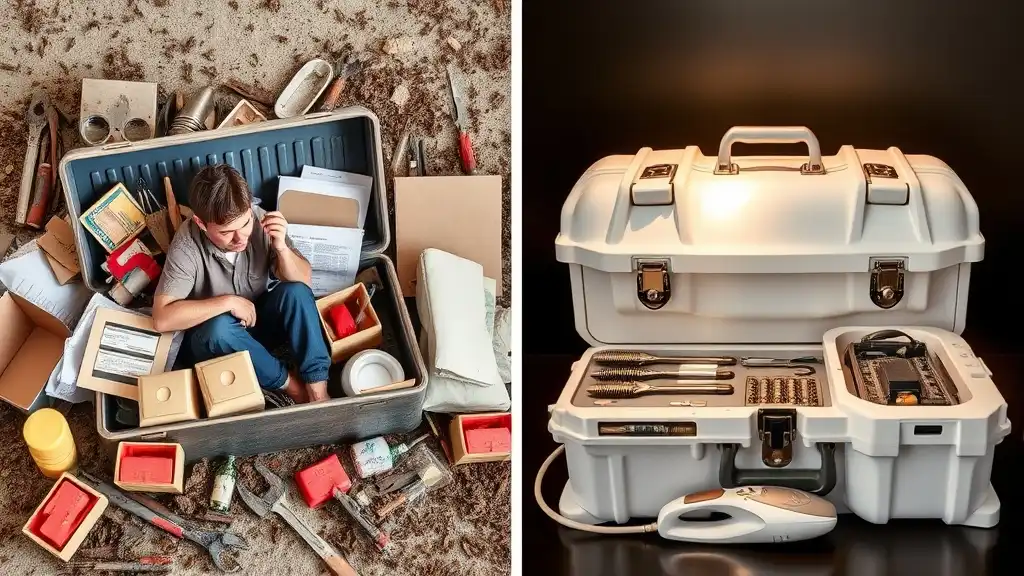
When DIY Options Make Sense
For very early-stage termite activity or highly localized infestations, some homeowners explore DIY solutions before calling pest control professionals. Over-the-counter termite treatment products, including liquid termiticides, foam applications, and bait station kits, typically cost $30 to $150. These products can work for limited drywood or subterranean problems where a colony has not yet spread widely through the structure.
However, DIY methods carry significant risks. Without professional inspection equipment, it is easy to miss mud tubes, termite droppings, or other early warning signs behind walls or in crawl spaces. A missed termite infestation can grow into a severe problem that costs far more to treat. For whole-house or recurring infestations, hiring a licensed pest control company with a clear treatment plan is almost always the better financial decision over the long term. See our guide on termite inspections for real estate deals for more on professional evaluation and what to expect during a formal inspection.
Insurance and Warranty Considerations
What Your Insurance and Warranty May Cover
Standard homeowners insurance policies do not cover termite fumigation costs or termite damage. Both are classified as preventable maintenance issues rather than sudden, accidental losses, which is the standard threshold for insurance coverage. This makes it critical to understand your warranty options before signing a pest control service contract.
Many pest control companies offer a retreatment warranty covering the cost of a second fumigation if termites return within a set period, usually one to five years. Some services also include a repair warranty covering structural damage caused by reinfestation. Coverage terms vary widely between providers, so always ask exactly what is included, what exclusions apply, and how to file a claim before any work begins.
For buyers and sellers navigating real estate transactions, a termite clearance letter is often required regardless of insurance status, and the cost of any required treatment typically affects the sale negotiation. Visit our real estate and insurance resources for guidance on how termite treatment history can affect property transactions and buyer protections.
Hidden Termite Fumigation Costs Homeowners Forget
When budgeting for fumigation, most homeowners focus on the treatment price and overlook what it costs to vacate and restore the home. These secondary costs can add hundreds to thousands of dollars beyond the contractor quote.
Temporary Living Expenses
The biggest financial surprise for many homeowners comes from temporary living expenses during the 72-hour period when the property is uninhabitable. Hotel stays for a family at average rates of $150 to $200 per night for three nights can easily run $450 to $600 or more. Airbnb alternatives, splitting costs with relatives, or staying with friends can reduce this figure, but you will still incur transportation costs shuttling between lodging and the property.
Tenants in rental properties may be entitled to prorated rent credit, often calculated at 1/30 of monthly rent per displaced day, but reimbursements rarely cover full out-of-pocket relocation costs. Budget this expense separately from the fumigation quote to avoid unexpected shortfalls.
Cleaning and Restoration
After the tent comes down and the fumigant gas clears, cleaning and restoration costs begin. These include tarp removal, surface wiping, vacuuming, and replacement of any food or consumables that were not bagged correctly. Then come the structural repairs.
- Structural repairs average $3,000 to $8,000, but foundation damage alone can reach $25,000, and major beam, floor joist, and wall work often adds thousands more on top of fumigation costs.
- Cosmetic fixes including drywall patches, trim replacement, repainting, and floor refinishing add hundreds to several thousand dollars depending on how much surface area was affected.
- Long-term, severe termite damage can reduce a property’s resale value by 3 to 5 percent, increase utility bills from damaged insulation, and create conditions that invite mold growth.
How to Reduce Termite Tenting Costs Safely
The most effective way to lower termite fumigation costs is to prevent the need for a full tenting job in the first place. Smart prevention, early intervention, and careful comparison of treatment options all contribute to lower long-term pest control spending.
Prevention and Maintenance
Keep timber off soil, fix leaks quickly, control moisture buildup, ventilate subfloors, remove dead trees and stumps, and store firewood away from foundations. Remove mulch from around the foundation and seal any visible entry points in exterior wood. Pre-construction or mid-construction borate treatments cost less than post-construction fumigation and can reduce termite activity significantly in new structures.
Regular termite inspections and bait station monitoring programs help catch colonies early and reduce populations before structural damage occurs. The cost of an annual inspection is a small fraction of what a severe infestation remediation and repair job costs. Scheduling these inspections consistently, particularly in warm climates, is the single most cost-effective protection strategy available to homeowners.
Getting Accurate Quotes and Comparing Services
When treatment is necessary, always get at least three quotes from licensed pest control contractors. Ask each company for a detailed breakdown of materials, labor, chemicals, and any warranty terms so you can compare termite treatments side by side and make a genuine decision. Heat treatment, bait systems, and spot liquid or foam applications can handle localized problems for less than whole-house tenting, and some exterminators will recommend a more targeted approach if your infestation severity does not require full fumigation.
Compare warranties carefully alongside price. A reputable pest control company will provide a written treatment plan, explain the process and safety protocols, answer your questions clearly, and offer references or reviews before any work begins. Reputation and licensed status matter as much as the quoted price when choosing a contractor for a job this significant.
Conclusion
Termite fumigation costs depend on home size, layout, infestation severity, foundation type, and location, along with a range of hidden fees that many homeowners only discover after the work begins. Get multiple quotes from licensed exterminators, ask what is and is not included, compare warranties, and weigh reputation alongside price.
You can often lower costs by preparing your home correctly, acting early before a colony spreads, and investing in ongoing monitoring after treatment. When you choose a reputable pest control professional and schedule regular inspections, you protect your property, avoid repeat treatments, and keep long-term repair bills as low as possible.
Frequently Asked Questions
How much does termite fumigation cost?
Termite fumigation typically costs $1,000 to $1,500 for homes under 1,500 sq. ft., $2,000 to $5,000 for homes between 1,500 and 2,500 sq. ft., and $4,000 to $12,000 or more for larger homes. The national average is around $1,500 to $2,500, with most whole-house tenting jobs running $1 to $4 per square foot depending on infestation severity and home complexity.
What factors affect termite fumigation cost?
The main factors are home size and square footage, number of stories, roof complexity, foundation type, infestation severity, geographic location and local demand, and whether the pest control company includes a warranty. Hidden costs like hotel stays, pet boarding, food replacement, and post-treatment structural repairs also add significantly to the total.
How long does termite tenting take?
Most termite tenting jobs require homeowners to vacate the property for 2 to 3 days, typically 72 hours. The fumigation gas is introduced after the tent is sealed and must penetrate the wood fully, which takes 24 to 48 hours. Aeration follows before the home is cleared for re-entry.
What preparation is required before termite fumigation?
Before fumigation, homeowners must remove or double-bag all food, medications, and consumables in special Nylofume bags. People and pets must vacate the property. Plants near the home should be watered the day before. Arrangements for temporary lodging and pet boarding must be made in advance. The pest control company provides a complete preparation checklist at the time of scheduling.
Are there cheaper alternatives to termite fumigation?
Yes. For mild or localized infestations, bait stations, spot liquid termiticide treatments, heat treatment, foam applications, and orange oil treatments cost less than whole-house tenting. DIY products are available for very early-stage activity but should always be combined with a professional inspection to confirm the colony has been eliminated.
Does homeowners insurance cover termite fumigation?
Standard homeowners insurance does not cover termite fumigation costs or termite damage, classifying both as preventable maintenance issues. Many pest control companies offer their own retreatment warranty or repair warranty as part of a service contract. For real estate transactions, a termite clearance letter may be required regardless of insurance coverage.
How often does termite fumigation need to be done?
Whole-house fumigation eliminates the active colony but provides no ongoing protection against new infestations. Most pest control companies recommend annual termite inspections after fumigation and ongoing monitoring through bait station programs to detect any new termite activity before it requires another full fumigation.
{
“@context”: “https://schema.org”,
“@graph”: [
{
“@type”: “Article”,
“headline”: “Termite Fumigation Cost: Tenting Prices by Home Size”,
“description”: “Find out how much termite fumigation and tenting costs by home size, infestation severity, foundation type, and location, plus hidden fees to budget for.”,
“image”: “https://termitecontrolcare.com/wp-content/uploads/2026/03/termite_fumigation_cost_overview_hpu7k.jpg”,
“author”: {
“@type”: “Organization”,
“name”: “Termite Control Care”
},
“publisher”: {
“@type”: “Organization”,
“name”: “Termite Control Care”,
“logo”: {
“@type”: “ImageObject”,
“url”: “https://termitecontrolcare.com/wp-content/uploads/termitecontrolcare-logo.png”
}
},
“datePublished”: “REPLACE-WITH-ACTUAL-ORIGINAL-PUBLISH-DATE”,
“dateModified”: “2026-08-26”
},
{
“@type”: “BreadcrumbList”,
“itemListElement”: [
{
“@type”: “ListItem”,
“position”: 1,
“name”: “Home”,
“item”: “https://termitecontrolcare.com/”
},
{
“@type”: “ListItem”,
“position”: 2,
“name”: “Termite Fumigation Cost: Tenting Prices by Home Size”,
“item”: “https://termitecontrolcare.com/termite-fumigation-cost-tenting-prices-by-home-size/”
}
]
},
{
“@type”: “FAQPage”,
“mainEntity”: [
{
“@type”: “Question”,
“name”: “How much does termite fumigation cost?”,
“acceptedAnswer”: {
“@type”: “Answer”,
“text”: “Termite fumigation typically costs $1,000 to $1,500 for homes under 1,500 sq. ft., $2,000 to $5,000 for homes between 1,500 and 2,500 sq. ft., and $4,000 to $12,000 or more for larger homes. The national average is around $1,500 to $2,500, with most whole-house tenting jobs running $1 to $4 per square foot depending on infestation severity and home complexity.”
}
},
{
“@type”: “Question”,
“name”: “What factors affect termite fumigation cost?”,
“acceptedAnswer”: {
“@type”: “Answer”,
“text”: “The main factors are home size and square footage, number of stories, roof complexity, foundation type, infestation severity, geographic location and local demand, and whether the pest control company includes a warranty. Hidden costs like hotel stays, pet boarding, food replacement, and post-treatment structural repairs also add significantly to the total.”
}
},
{
“@type”: “Question”,
“name”: “How long does termite tenting take?”,
“acceptedAnswer”: {
“@type”: “Answer”,
“text”: “Most termite tenting jobs require homeowners to vacate the property for 2 to 3 days, typically 72 hours. The fumigation gas is introduced after the tent is sealed and must penetrate the wood fully, which takes 24 to 48 hours. Aeration follows before the home is cleared for re-entry.”
}
},
{
“@type”: “Question”,
“name”: “What preparation is required before termite fumigation?”,
“acceptedAnswer”: {
“@type”: “Answer”,
“text”: “Before fumigation, homeowners must remove or double-bag all food, medications, and consumables in special Nylofume bags. People and pets must vacate the property. Plants near the home should be watered the day before. Arrangements for temporary lodging and pet boarding must be made in advance. The pest control company provides a complete preparation checklist at the time of scheduling.”
}
},
{
“@type”: “Question”,
“name”: “Are there cheaper alternatives to termite fumigation?”,
“acceptedAnswer”: {
“@type”: “Answer”,
“text”: “Yes. For mild or localized infestations, bait stations, spot liquid termiticide treatments, heat treatment, foam applications, and orange oil treatments cost less than whole-house tenting. DIY products are available for very early-stage activity but should always be combined with a professional inspection to confirm the colony has been eliminated.”
}
},
{
“@type”: “Question”,
“name”: “Does homeowners insurance cover termite fumigation?”,
“acceptedAnswer”: {
“@type”: “Answer”,
“text”: “Standard homeowners insurance does not cover termite fumigation costs or termite damage, classifying both as preventable maintenance issues. Many pest control companies offer their own retreatment warranty or repair warranty as part of a service contract. For real estate transactions, a termite clearance letter may be required regardless of insurance coverage.”
}
},
{
“@type”: “Question”,
“name”: “How often does termite fumigation need to be done?”,
“acceptedAnswer”: {
“@type”: “Answer”,
“text”: “Whole-house fumigation eliminates the active colony but provides no ongoing protection against new infestations. Most pest control companies recommend annual termite inspections after fumigation and ongoing monitoring through bait station programs to detect any new termite activity before it requires another full fumigation.”
}
}
]
}
]
}