How to Reduce Moisture Around Your Foundation to Prevent Termites
You reduce moisture around your foundation by fixing drainage so water slopes away from the house, adding or maintaining gutters and downspouts, and using French or footing drains where water tends to pool. Keep soil graded away from walls, limit mulch and wood near the foundation, and use gravel close to the house. In crawl spaces, add vapor barriers, dehumidifiers, and good ventilation. Physical termite barriers and smart materials complete the protection, and there’s more you can easily apply.
Key Takeaways
- Grade the soil so it slopes away from your foundation and add French or footing drains where water tends to pool.
- Install and maintain gutters and downspouts, ensuring water is discharged several feet away from the foundation.
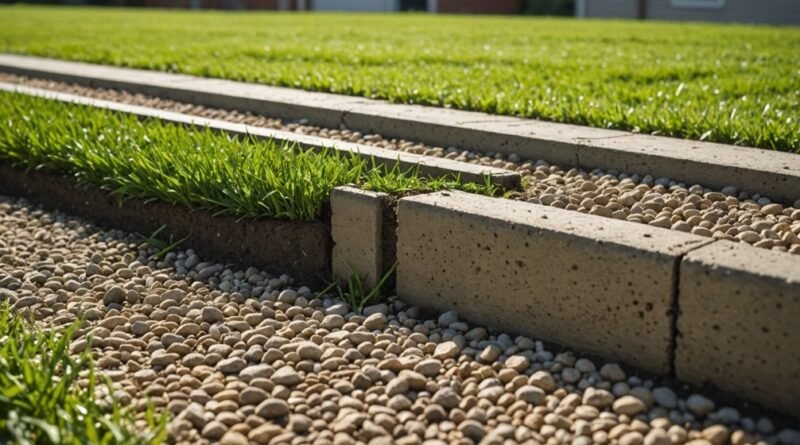
- Limit organic mulch next to the house, keeping a 12–18 inch mulch-free, gravel-filled strip around the foundation.
- Control crawl space moisture with a vapor barrier, proper drainage, and dehumidification to keep humidity below 55%.
- Remove woodpiles, lumber, and dense shrubs near the foundation to reduce moisture retention and termite attraction.
Fix Drainage Issues That Attract Termites

When water collects around your foundation, it doesn’t just threaten the structure—it creates ideal conditions for termites to move in. You need to move that moisture away from your home. Start by grading the soil so it slopes away from the foundation, directing surface water off your perimeter. Install gutters and downspouts to channel roof runoff safely away from the foundation and reduce persistent damp zones termites are drawn to.
During construction or major renovations, install footing drains or French drains that discharge well away from the house to prevent water from pooling along the walls.
Go beyond surface fixes. A well-designed subgrade drainage system keeps water from seeping into slabs or crawl spaces. In crawl spaces, make sure drainage systems work, standing water doesn’t linger, and vapor barriers cover the soil to block ground moisture.
If you’re building new, treat the soil around foundation drains carefully. Use treated backfill when drains are near bodies of water and coordinate with pest control pros so termiticide doesn’t enter subsurface drains or void termite warranties.
Maintain Gutters and Downspouts to Prevent Termites

Although they seem far removed from the ground, your gutters and downspouts play a direct role in how attractive your foundation is to termites. Clogged gutters trap water and keep the area around your foundation damp, creating prime conditions for these pests.
Decaying leaves and debris hold moisture, and overflowing gutters soak the soil next to your home—exactly where termites want to be. National Pest Management Association data shows proactive gutter care can cut infestation risk by up to 50%. Because moisture-related issues account for nearly half of household pest problems, keeping gutters clear significantly reduces the chances that termites will target your foundation.
Clean your gutters at least twice a year, in spring and fall. If you’ve got many trees or heavy rainfall, check them every 3–4 months.
Aim for gutter cleaning at least twice a year—more often if you have heavy trees or rainfall
Install gutter guards to keep out leaves, reduce clogs, and maintain steady water flow; PestWorld.org notes they can lower rodent and termite risks by about 30%.
Inspect gutters and downspouts for leaks, sagging, or overflow and repair problems immediately.
Adjust Soil and Mulch Near the Foundation

Gutters can only carry water so far; the soil and mulch around your home decide where that moisture ends up. Make sure the ground slopes away from your foundation so water doesn’t linger. Aim for about a 6-inch drop over the first 10 feet from the wall so runoff moves out, not down along your footing.
If your yard’s flat or holds water, consider a French drain to channel it away. For added protection where moisture is persistent, you can install a non-chemical termite barrier such as a self-adhesive membrane on the foundation wall to block both water and termite entry before backfilling.
Limit organic mulch near the house because it locks in moisture and attracts termites. Maintain a 12–18 inch mulch-free strip around the foundation. In that zone, use gravel or other inorganic material so the surface dries quickly.
Remove shrubs, woodpiles, and other cellulose touching soil near your walls. Keeping plant matter and debris away reduces both moisture and food sources, making it harder for subterranean termites to travel through damp soil and start colonies against your foundation.
Control Crawl Space Moisture to Stop Termites
Even if the outside of your foundation looks dry, a damp crawl space can quietly turn it into prime termite territory. Start by installing a high‑quality vapor barrier over exposed soil. This liner blocks moisture vapor rising from the ground, eliminating the damp conditions termites love and forming a critical first layer of pest and moisture control.
Next, improve drainage so water never lingers under your home. Make sure gutters and downspouts move runoff 4–6 feet away, correct grading so water flows away from the foundation, and repair any plumbing leaks near the crawl space. Regularly removing cellulose debris like cardboard and wood scraps from the crawl space also helps reduce what attracts termites in the first place.
Add a crawl space dehumidifier to keep humidity below about 55%. Route the exhaust properly outdoors and check filters, drains, and settings regularly.
Finally, optimize ventilation and seal entry points. Use properly sized vents or automatic models, maintain good clearance between soil and wood, and seal cracks, gaps, and openings around pipes and vents.
Install Physical Termite Barriers Around Your Home
While moisture control cuts a termite colony’s comfort, physical barriers stop them from getting in at all. You’re creating a hard line they can’t chew, squeeze, or tunnel through. During construction, insist on stainless steel mesh, plastic sheet barriers under slabs, and termite‑resistant concrete or metal at slab edges and wall frames. These materials force termites to the surface, where you or a pro can spot them. Because they don’t rely on toxins, physical barriers are environmentally friendly compared with chemical soil treatments.
Use this table to picture what’s at stake:
| Threat | Feeling | Barrier Response |
|---|---|---|
| Hidden slab cracks | Vulnerable | Full‑slab plastic or mesh |
| Soil tunnels rising | Uneasy | Crushed rock perimeter band |
| Pipes piercing slabs | Exposed | TRM Bath Trap, collars, epoxy |
| Decades of risk | Overwhelmed | ICC‑tested 20+ year systems |
For existing homes, you can still add mesh to foundation trenches, seal slab-sheathing joints with flashing, and retrofit around bath traps and pipe penetrations.
Conclusion
By tackling moisture around your foundation, you’re cutting off one of termites’ biggest invitations. Fix drainage, keep gutters and downspouts clear, and slope soil away from your home. Use mulch sparingly near the foundation and manage crawl space humidity so it stays dry and well‑ventilated. If you add physical termite barriers too, you’ll create layered protection. Stay consistent with these habits and you’ll greatly reduce your risk of costly termite damage.