
How to Keep Termites Out of Your Basement and Crawl Space
To keep termites out of your basement and crawl space, you’ll need to eliminate moisture, seal entry points, and remove wood debris near your foundation. Fix leaky pipes, improve crawl space ventilation, and install vapor barriers over exposed soil. Seal foundation cracks and keep wood at least six inches above grade. Store firewood away from your home and clear out old lumber. There’s a lot more you can do to protect your home from the inside out.
Key Takeaways
- Eliminate moisture by fixing plumbing leaks, improving crawl space ventilation, and installing vapor barriers over exposed soil.
- Seal foundation cracks, gaps around pipes, and utility penetrations using caulk or expanding foam to block termite entry.
- Keep all wood structures at least 6 inches above soil and remove buried wood, stumps, and debris near foundations.
- Store firewood off the ground and away from the house, and use mulch sparingly near siding and framing.
- Hire professionals to apply liquid termiticide barriers, borate wood treatments, or bait stations for comprehensive colony elimination.
Understand Why Termites Target Basements and Crawl Spaces
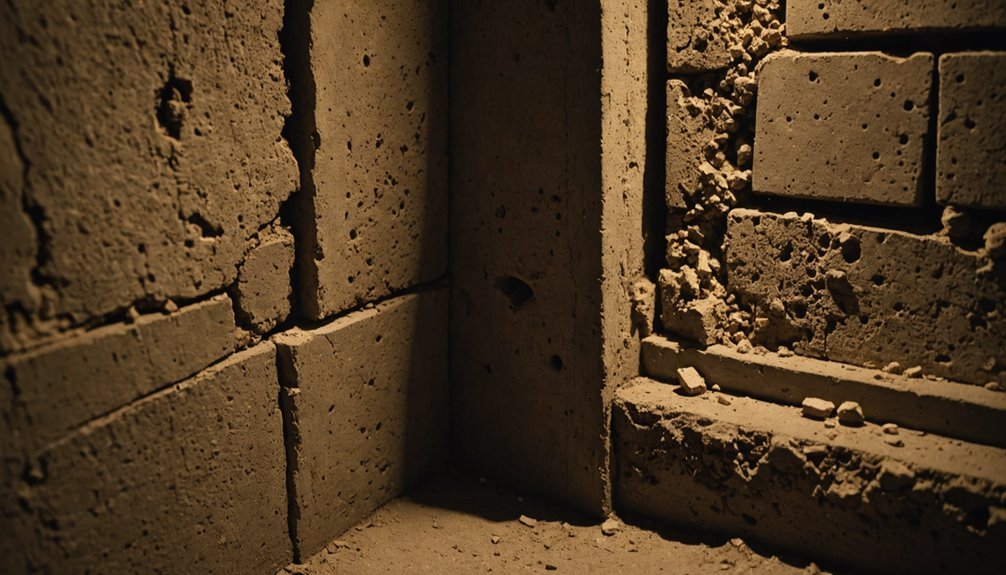
Basements and crawl spaces are prime targets for termites because they offer everything a colony needs to thrive: proximity to soil, access to structural wood, and persistent moisture.
Subterranean termites live underground and travel upward to feed, making these areas a natural entry point into your home’s structure.
These spaces tend to stay humid, poorly ventilated, and dark — conditions that termites actively seek out. High moisture levels soften wood, raise its cellulose availability, and signal a reliable food source.
Once termites locate that environment, they build mud tubes along foundation walls to travel between the soil and the wood without exposure to air or predators.
What makes basements and crawl spaces especially vulnerable is how easy entry can be. Termites can squeeze through cracks as small as 1/64 of an inch, and they typically enter at the soil-to-structure interface — often long before you notice any visible damage. An infestation that starts in these locations can spread throughout the entire home if left unchecked.
Cut Off the Moisture Termites Need to Survive
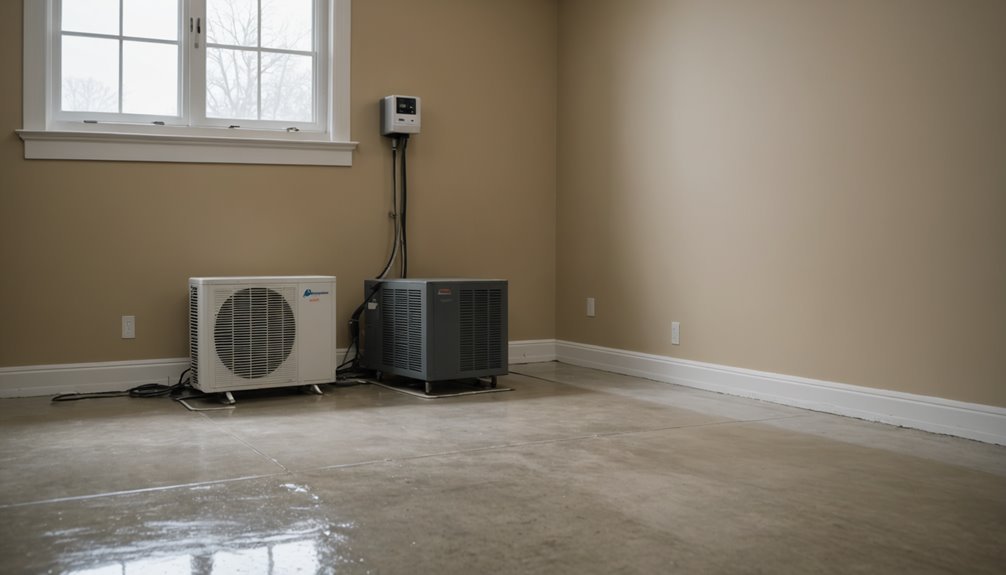
Moisture is the single resource termites can’t survive without, and cutting it off is one of the most effective ways to make your basement and crawl space inhospitable to them.
Start outside by redirecting rainwater and air-conditioner condensation away from your foundation. Clean gutters and downspouts regularly, fix low spots in grading, and keep sprinklers from soaking your siding or foundation soil.
Redirect rainwater and AC condensation away from your foundation—clean gutters, fix grading, and keep sprinklers off your siding.
Inside, inspect plumbing routinely for leaks and drips, insulate cold-water lines where condensation forms, and repair any outdoor pipes promptly. Treat a leaking condensate line the same way you’d treat a burst pipe—fix it fast.
In crawl spaces, improve airflow with vents or fans, run a dehumidifier where ventilation falls short, and install a vapor barrier over exposed soil.
Damaged barriers lose effectiveness, so check them periodically. Combined, these steps strip away the damp conditions termites depend on. Even mushrooms growing beside your home can signal the kind of moisture accumulation that draws termites closer to your foundation.
Seal the Entry Points Termites Use to Get In
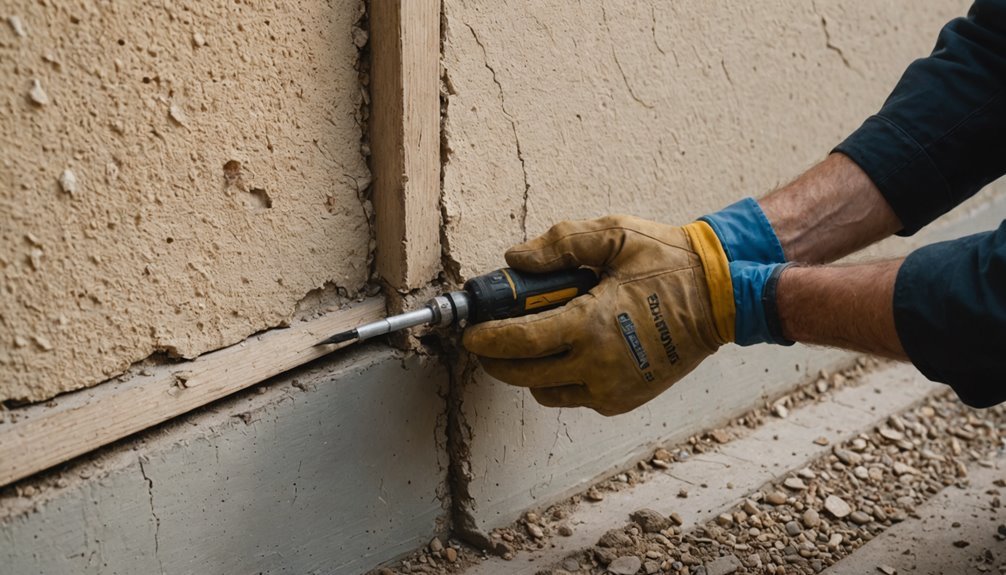
Even a well-dried basement stays vulnerable if termites can still find a way inside.
Walk your foundation regularly and seal every gap you find before it becomes an entry point.
Focus on these four areas first:
- Foundation cracks – Seal small cracks with caulk or expanding foam; inspect basement and crawl space walls for new openings at least twice yearly.
- Pipe and utility penetrations – Fill gaps around pipes and cables with caulk, expanding foam, or epoxy sealants; use steel wool as backing for larger openings before sealing.
- Doors and windows – Install door sweeps, apply weatherstripping, and caulk around frames and sills from both inside and outside.
- Expansion joints and slab edges – Keep sealant lines continuous along joints and slab termination points to eliminate hidden travel paths.
Also maintain at least 6 inches of clearance between soil and any wood structure touching your home. Termites, like rodents, can exploit openings as small as 1/4 inch, making thorough sealing of even the smallest gaps essential to keeping them out.
Remove the Wood and Debris They Feed On
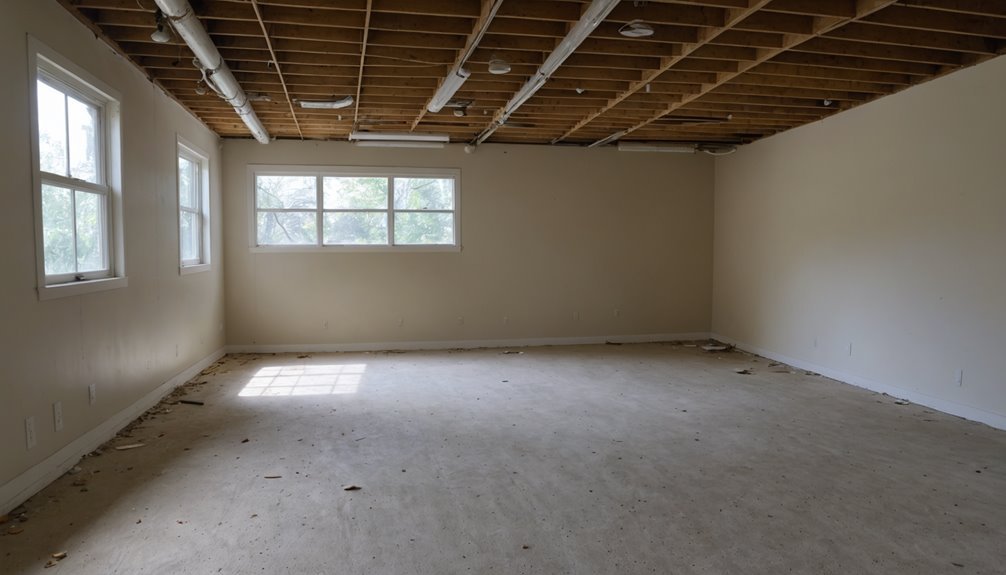
Termites don’t need much—just cellulose, moisture, and access—so clearing wood and debris from around your foundation cuts off one of their most reliable food sources.
Store firewood away from the house and off the ground. Remove scrap lumber, old shelves, and branches from crawl spaces and basement-adjacent areas.
Eliminate wood-to-soil contact wherever you find it. Keep exterior woodwork at least 6 inches above grade, and raise crawl space beams to at least 18 inches off the ground.
Pull mulch and soil back from foundation-adjacent wood, and set posts or steps on concrete bases when needed.
Remove stumps, dead roots, and any buried wood near the structure—these stay attractive to termites even after surface debris is cleared.
Use mulch sparingly, keep it away from siding and framing, and maintain at least 2 feet between plants and exterior walls. Termites cause approximately $5 billion in control and repair costs for homeowners across the United States each year, making prevention through debris removal a worthwhile investment.
Avoid wooden landscape timbers entirely.
How Professionals Treat Crawl Spaces and Foundation Soil for Termites
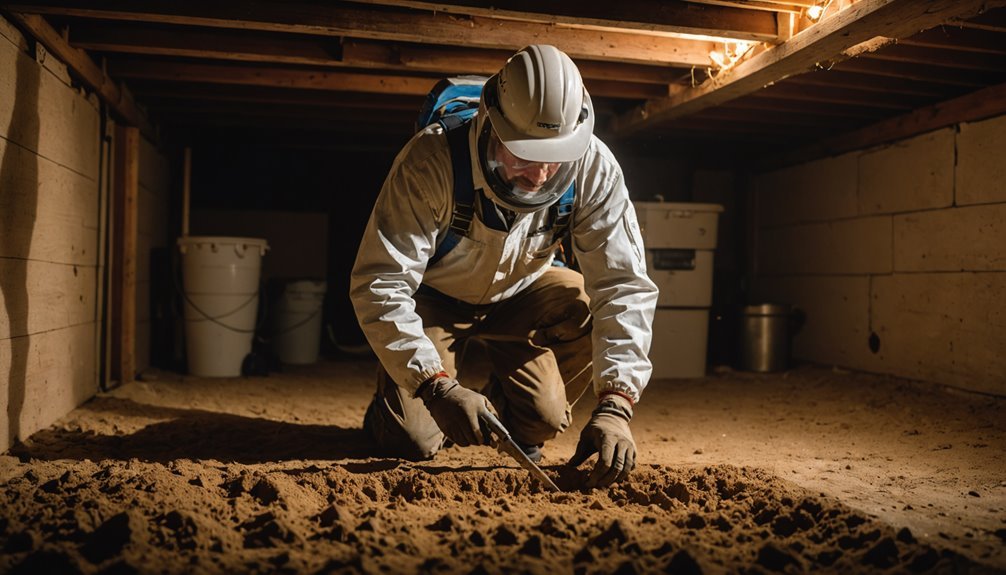
When termites reach crawl spaces and foundation soil, professionals have several targeted methods to stop them. Each approach targets a specific entry point or behavior, so treatments often work together rather than independently.
Here’s what a professional termite treatment plan typically includes:
- Liquid termiticide barriers – Technicians trench around your foundation and apply termiticide to the soil, creating a chemical barrier that kills termites before they enter.
- Borate wood treatments – Products like Bora-Care penetrate exposed crawl-space wood, making it toxic to termites at the structural level.
- Bait stations – Placed strategically around your property, these target the entire colony rather than individual termites.
- Foam and dust injections – These reach hidden voids and galleries where liquid treatments can’t penetrate.
Before any treatment begins, professionals inspect your crawl space for standing water and moisture issues, since overly wet soil can interfere with termiticide effectiveness. Companies like NaturePest offer no-tent spot treatments starting at $559, providing a less disruptive alternative for homeowners who cannot vacate their property during treatment.
Frequently Asked Questions
How Often Should I Schedule Professional Termite Inspections for My Home?
You should schedule professional termite inspections annually. If you’ve had prior termite activity, live in a high-risk climate, or have moisture issues, you’ll benefit most from consistent yearly inspections to catch infestations early.
What Early Warning Signs Indicate Termites Are Already Inside My Crawl Space?
You’ll spot termites in your crawl space through pencil-thin mud tubes on foundation walls, hollow-sounding wood when tapped, spongy floor joists, discarded wings near vents, and visible damage to sill plates and support beams.
Can Termite Bait Stations Replace Traditional Soil Treatment Around My Foundation?
Yes, bait stations can replace soil treatment since approved products are registered for standalone use. However, they’re slower-acting and need regular maintenance, so you’d want soil treatment first for heavy, active infestations.
How Much Clearance Should Untreated Wood Maintain Above Crawl Space Soil?
You should maintain at least 18 inches of clearance between untreated wood joists and crawl space soil. For wood girders, you’ll need at least 12 inches. Pair this clearance with vapor retarders and proper ventilation for best protection.
Does Homeowners Insurance Typically Cover Termite Damage Repairs to Foundations?
Your homeowners insurance typically won’t cover termite damage to your foundation. Insurers classify infestations as a maintenance issue, not a sudden loss, so you’ll likely need a separate termite bond or warranty for protection.
Conclusion
Termites don’t give up easily, but neither should you. By eliminating moisture, sealing entry points, and removing wood debris, you’re taking away everything they need to survive. Don’t wait until you’re seeing damage to act — the earlier you start, the less likely you’ll face a serious infestation. If you’re unsure what you’re dealing with, call a professional who can treat your crawl space and soil before termites get a foothold.