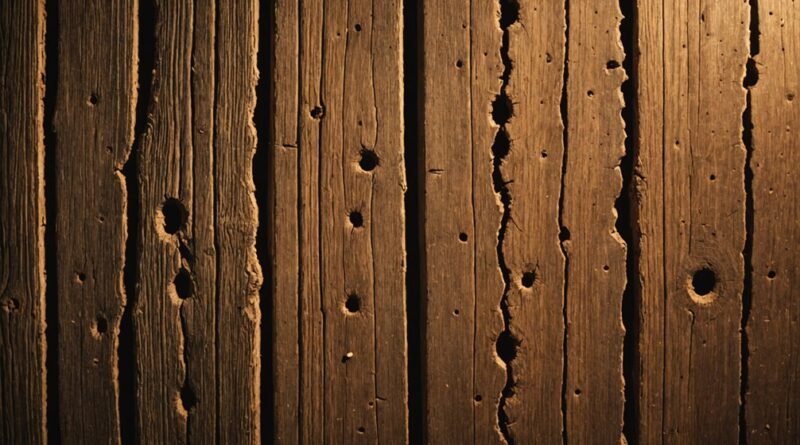
Can You Hear Termites in Your Walls? What That Sound Means
You can sometimes hear termites in your walls, but the sounds are very subtle. You might notice faint clicking, rustling, or soft gnawing when you press your ear to walls, baseboards, or window frames—especially late at night. Hollow, drum-like echoes when you tap wood can signal internal damage. Persistent noise, plus any visible mud tubes or discarded wings, means it’s time to call a pro. Next, you’ll see what each sound really tells you.
Key Takeaways
- Yes, you can sometimes hear termites as faint clicking, rustling, or gnawing inside walls, especially in quiet conditions at night.
- Rapid, repeated clicking or “head-banging” usually comes from soldier termites signaling danger within an active colony.
- Soft rustling or chewing noises suggest worker termites tunneling and feeding inside wood structures like walls, baseboards, and door frames.
- Tapping suspicious areas and hearing a hollow or drum-like sound can indicate internal termite damage even if you don’t hear active movement.
- Persistent or loud termite-like sounds, especially with mud tubes, wings, or visible damage, mean you should call a pest control professional immediately.
How to Tell If You’re Hearing Termites
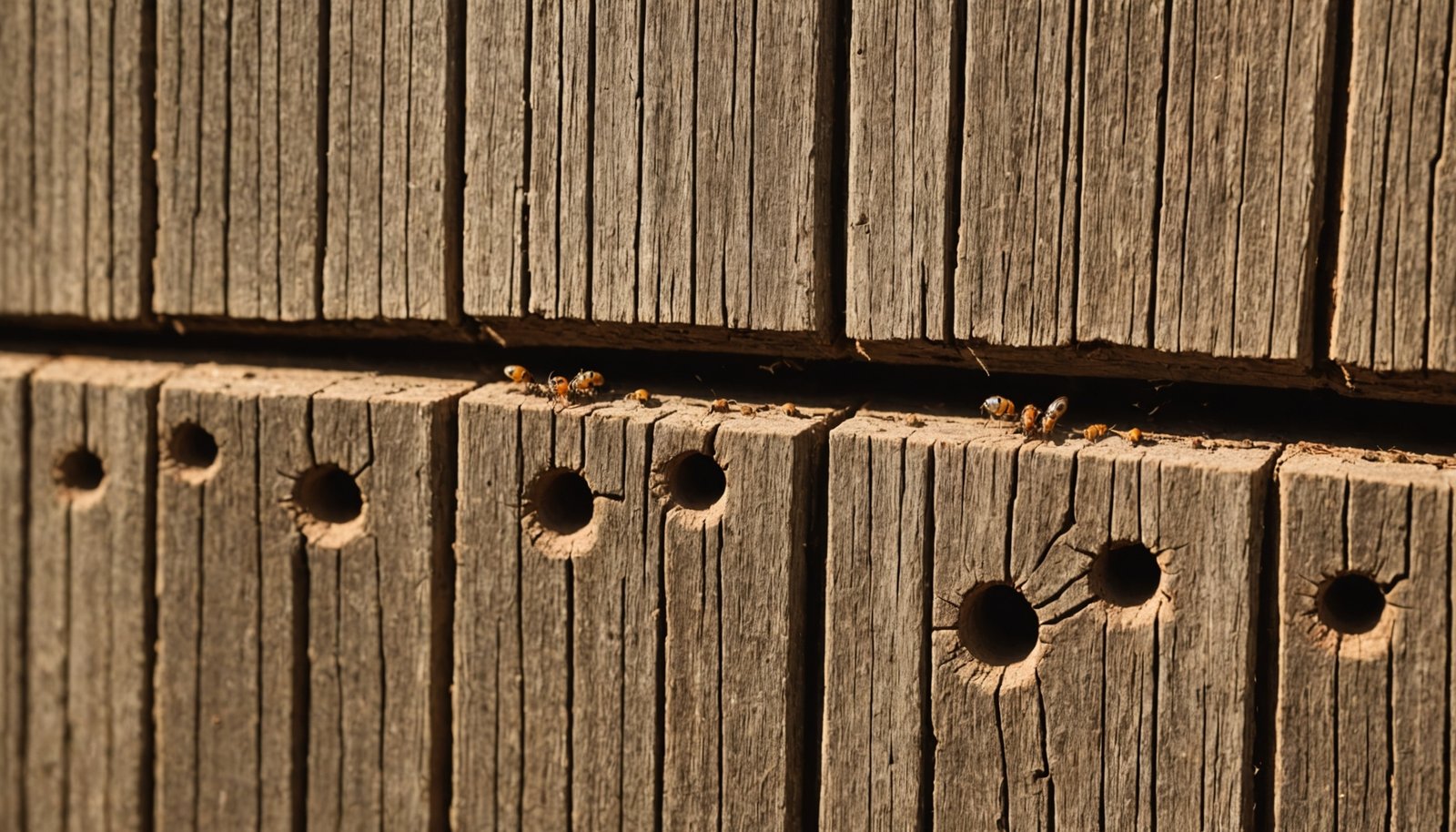
How can you tell if the faint sounds in your walls are actually termites and not just normal house noise? Start by creating very quiet conditions: turn off HVAC, TVs, running water, and listen at night if possible.
Place your ear directly against suspect walls, baseboards, window trim, or door frames, especially near the ground. You’re listening for subtle, localized clicking, rustling, or faint gnawing that doesn’t move around like typical house creaks. Because sound alone is not sufficient to confirm termites, treat anything you hear as a clue that needs visual inspection and professional follow-up rather than a diagnosis on its own.
Larger or more active infestations are easier to hear, but most termite noises are so soft you won’t notice them without close listening.
Next, tap along the wall with your knuckles and compare spots. Hollow or drum-like areas that match suspicious sounds deserve attention, though other problems can cause this too.
Look for supporting signs: mud tubes, tiny pellet-like droppings, discarded wings, or soft, crumbly wood. Combine clues, then call a professional for confirmation.
What Different Termite Sounds in Walls Mean
Different termite noises in your walls each point to specific activity and risk levels, so it helps to know what you’re actually hearing.
Rapid clicking or tapping usually comes from soldier termites striking tunnel walls as an alarm. It’s rhythmic and percussive, not constant, and signals disturbance in an active colony.
Rapid, rhythmic clicking inside walls often means soldier termites are sounding an alarm in an active, disturbed colony
Soft rustling or papery scratching typically means worker termites are tunneling and feeding inside the wood, especially where they’ve hollowed it out. These faint noises are often best heard at night or in very quiet rooms when the colony is most active.
Head-banging or thumping is a stronger warning signal from soldiers and is often the loudest sound you’ll notice, like light tapping or short thuds inside cavities.
Buzzing or faint vibration can point to swarmers or many termites moving at once, but other pests can create similar sounds, so don’t rely on buzzing alone.
Hollow-sounding wood when you tap it indicates internal damage from feeding, even though the hollow tone isn’t the termites themselves.
When Termite Noise Is Easiest to Hear
Ever wonder why you notice termite sounds more at some times than others? You’ll usually hear them best late at night, roughly between 10 PM and 2 AM. Your home’s quieter, background noise drops, and faint clicking or rustling stands out. Termites don’t only move at night, but that’s when your ears have the best chance of picking them up. Most termite damage occurs silently, so regular professional inspections are still important even if you don’t hear activity.
Warm, steady conditions also make termite noise easier to hear. When indoor temperatures sit in the low-to-mid 70s with consistent humidity, termites feed and move more, which can increase subtle sounds. Spring and summer often create these conditions in many regions.
Drywood termites, and some other species, tend to be more noticeable at night or in the early morning. You’ll improve your chances of hearing them by turning off TVs, fans, and music, and quietly listening near specific wall areas in a still bedroom or hallway.
Hollow Walls as a Sign of Termite Damage
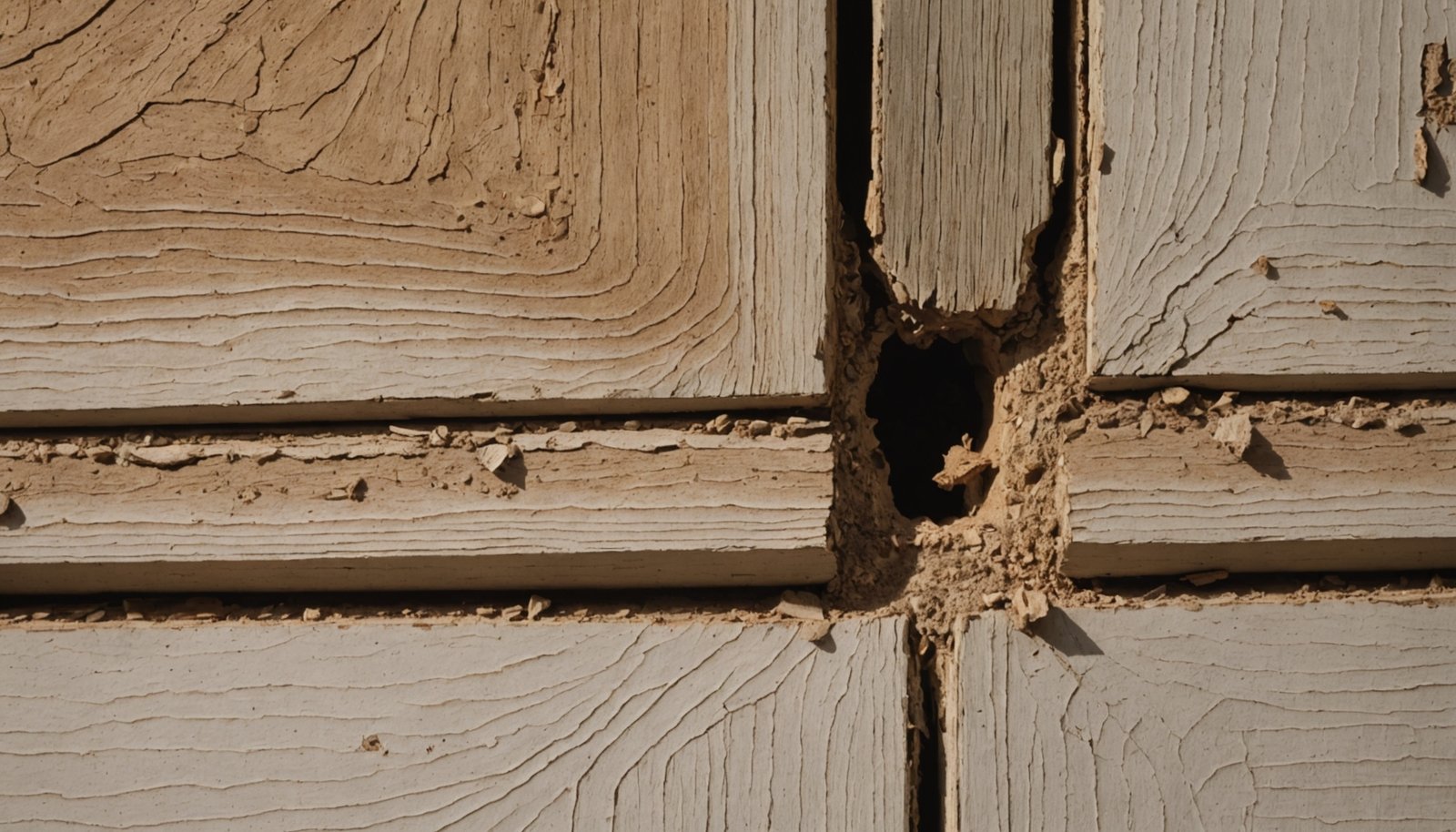
One of the clearest physical clues of termite activity is a hollow sound when you tap your walls, trim, or baseboards. That drum-like, papery, or “empty” response often means termites have eaten the wood from the inside out, leaving only a thin outer shell. Instead of solid resistance, you’ll hear a shallow echo where their galleries and tunnels have replaced dense wood fibers. In more advanced cases, that same hollow sound may be accompanied by crumbling or soft spots, which can indicate severe internal damage that requires immediate professional attention.
You’ll notice this most clearly along baseboards, door frames, window casings, and skirting boards, especially on exterior-facing walls where moisture and entry points concentrate. Hollow areas here usually indicate more than a cosmetic issue—they often signal serious internal wood loss.
| Where You Tap | What You May Hear | What It Can Mean |
|---|---|---|
| Baseboards/skirting | Sharp, echoing hollow | Interior galleries, advanced damage |
| Door/window trim | Papery, thin knock | Entry-point tunneling along edges |
| Wall studs behind trim | Deep, drum-like sound | Weakened framing and concealed voids |
When Termite Sounds Mean You Need a Pro
Hearing hollow knocks in your walls is worrisome, but the real tipping point comes when the sounds themselves tell you it’s time to call a professional. If you hear faint but steady clicking, tapping, or rustling in one area—especially at night—and it keeps returning over several days, schedule an inspection.
Rapid, repetitive tapping or alarm-like “head-banging” is even more suspicious and shouldn’t be monitored; call right away. These alarm signals often come from soldier termites striking their heads against timber to warn the colony of disturbance.
You also need a pro if the noise is loud enough to hear without pressing your ear to the wall, if it seems to move along framing or baseboards, or if it’s near structural beams or supports.
Sounds plus mud tubes, discarded wings, soft spots, or damaged trim mean you should stop investigating and get expert help immediately. Don’t spray or open walls yourself—DIY efforts can scatter termites, miss hidden colonies, and delay effective treatment.
Conclusion
When you pause and really listen to your walls, you can catch early clues that termites are at work. Tapping, faint rustling, or hollow-sounding wood isn’t something to ignore. If you suspect termites, don’t wait—confirm what you’re hearing, look for other signs of damage, and call a professional. Acting quickly helps you stop an infestation before it spreads, protect your home’s structure, and avoid much bigger repair costs down the road.