Where Do Termites Live? Inside vs. Outside Your Home
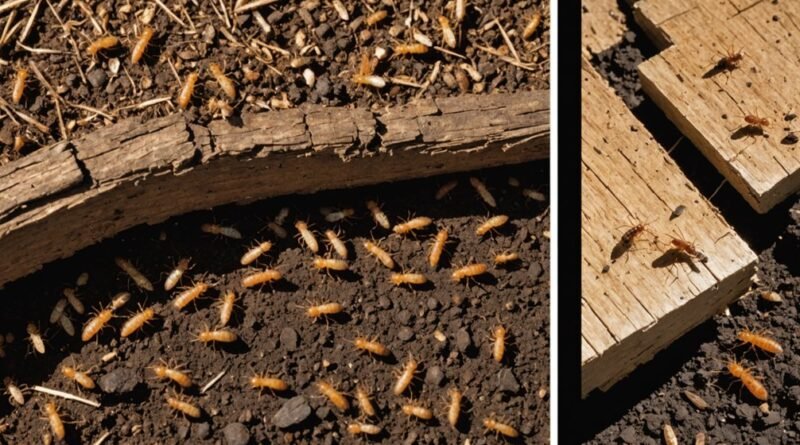
Termites can live both outside in your yard and hidden inside your home. Outdoors, they nest in soil, mulch, tree stumps, dead wood, and damp debris near your foundation. From there, they move into your house through soil tubes, cracks, and any wood touching the ground. Indoors, they hide in walls, crawl spaces, attics, and even furniture, often for years before you notice damage. Next, you’ll see where they prefer to live and how to spot them early.
Key Takeaways
- Inside homes, termites hide in wall cavities, ceilings, attics, basements, crawl spaces, and within structural wood, furniture, and flooring.
- Subterranean termites live in soil beneath foundations, building mud tubes into homes to reach moist, cellulose-rich materials.
- Drywood termites live entirely inside dry wood, such as framing, trim, and furniture, without needing soil contact.
- Outdoors, termites inhabit damp, decaying wood like tree stumps, fallen branches, firewood piles, wooden fences, decks, and landscaping timbers.
- Any wood touching soil or near moisture—mulch beds, soggy areas, and cluttered organic debris—creates ideal outside living sites and access points into homes.
Where Termites Usually Live Around Homes
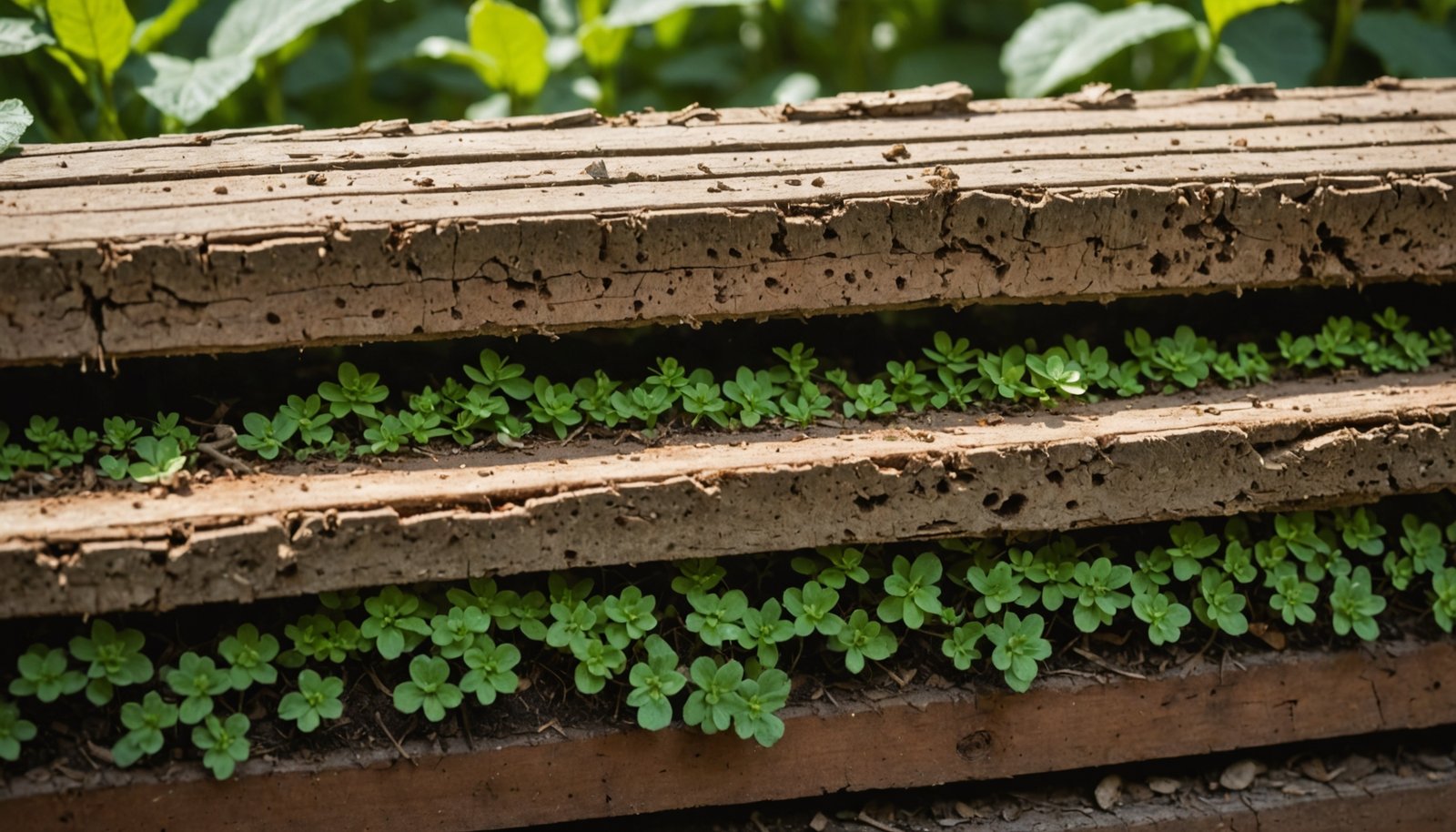
Around homes, termites usually live in hidden, moisture-rich areas where wood and soil meet, allowing them to feed and move without being noticed. Subterranean termites nest in the soil beneath and around your foundation, then build pencil-width mud tubes up foundation walls, through slab cracks, and along seams to reach wood. Drywood termites, by contrast, can establish colonies entirely inside dry wood without needing contact with soil.
Termites thrive in hidden, damp zones where soil meets wood, silently tunneling upward to invade your home
They’ll also exploit gaps around plumbing and utility lines, especially where soil stays damp.
You’ll often find the highest risk in crawl spaces, basements, and foundation areas. Dark, humid crawl spaces let termites move freely under your home and attack under-floor framing when wood sits close to soil.
In basements, excess moisture and poor drainage make foundation walls and sill plates vulnerable.
Indoors, termites can occupy wall cavities, ceiling voids, and floor systems when leaks or humidity keep wood damp. They may hollow structural timbers from the inside, leaving paint or drywall intact and the wood sounding thin or papery.
Outdoor Termite Habitats Near Your House
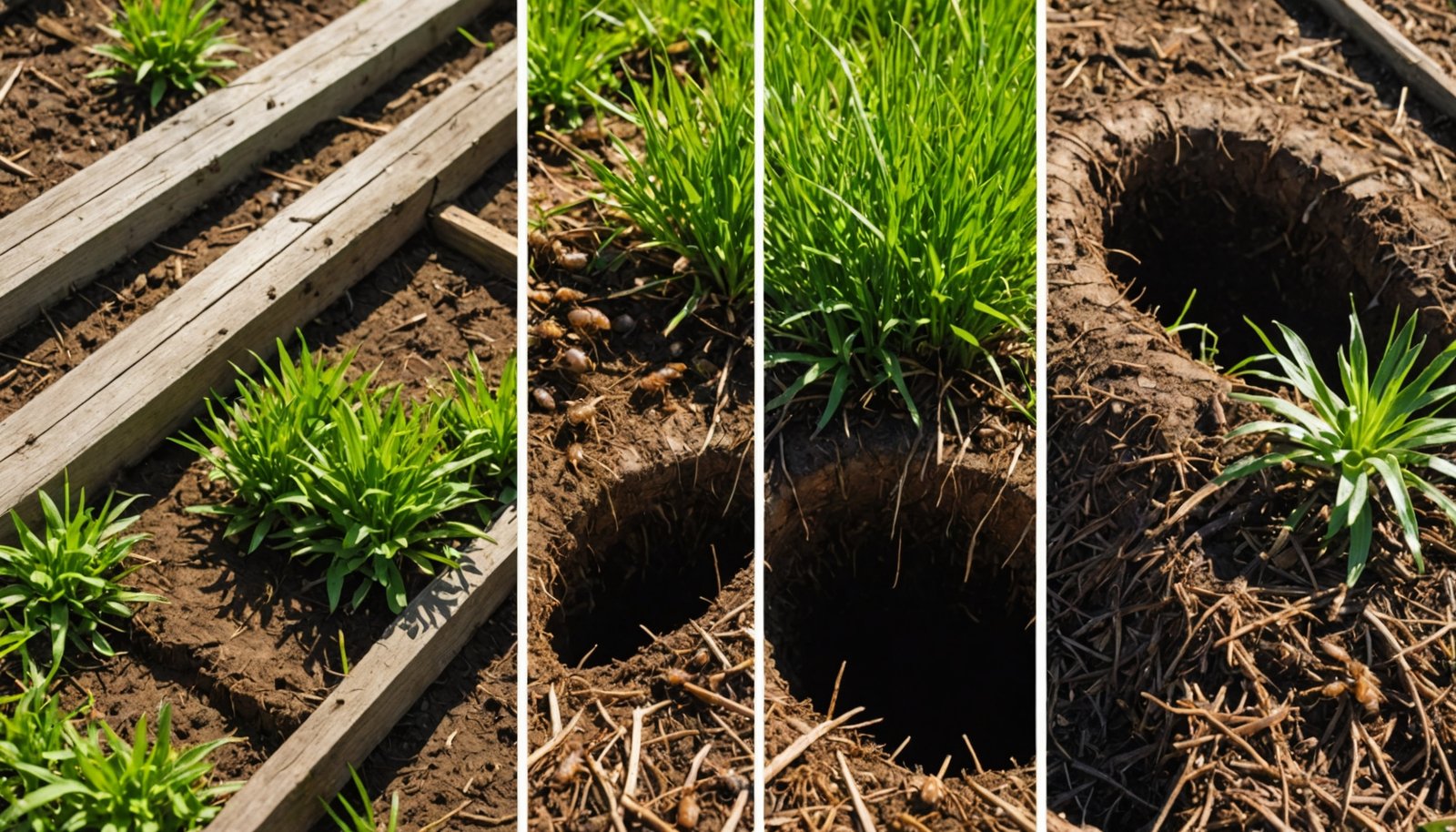
Outdoors, termites exploit almost any damp, wood-rich spot near your house, turning everyday features into quiet nesting and feeding sites.
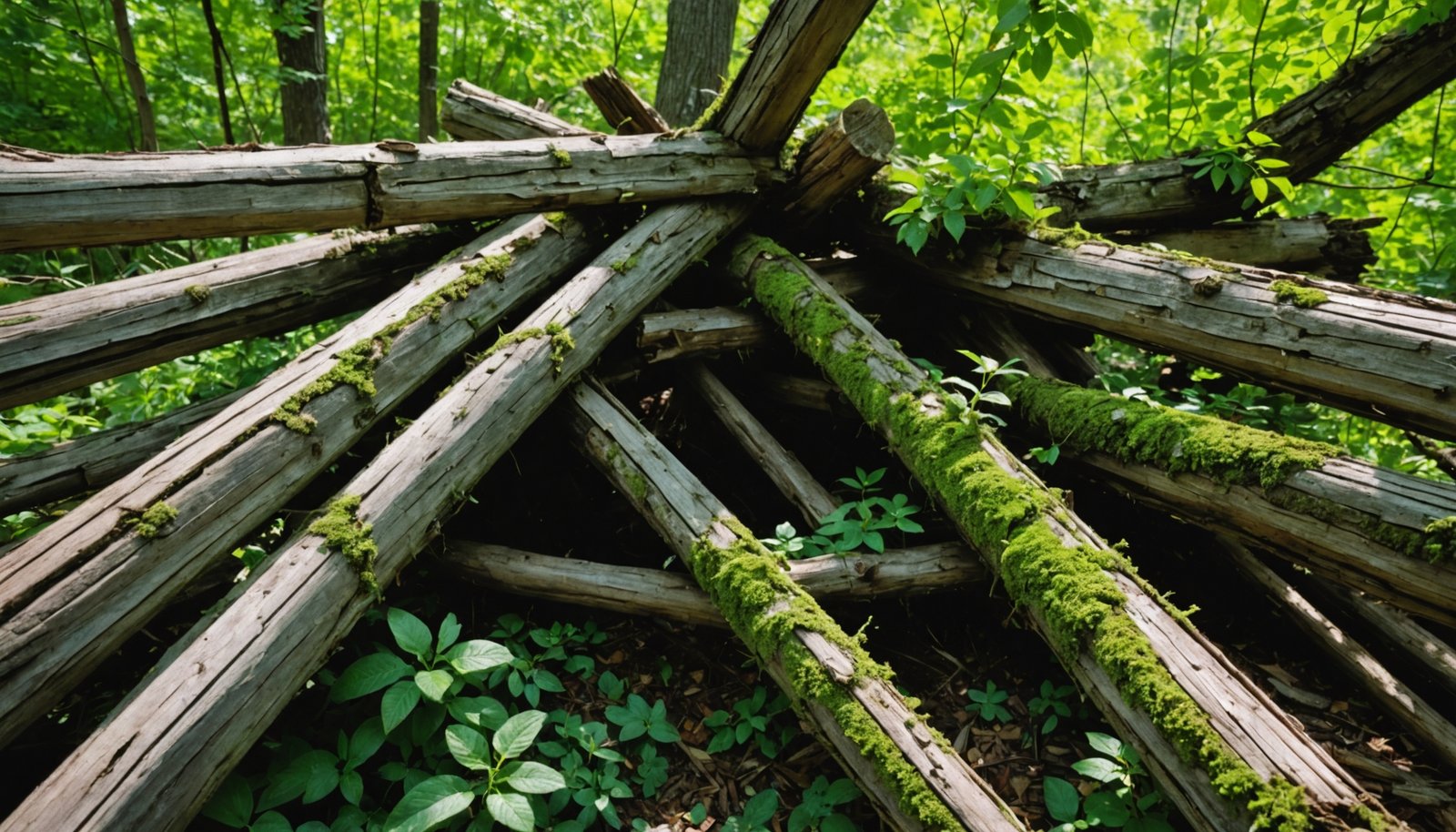
Tree stumps, dead trees, and decaying limbs give them food and shelter, and rotting wood makes it even easier for colonies to expand. Stumps left in moist soil can support activity for years.
Stored firewood, scrap lumber, pallets, and stacked boards also attract termites, especially when they sit on the ground or near your foundation. Soil contact with these items makes it easier for subterranean termites to move in from the ground and start feeding unnoticed.
Drywood species can live in elevated lumber and dead branches, while subterranean termites move through soil to reach lower pieces.
Mulch beds and organic ground cover add more habitat.
Wood-chip mulch and thick organic layers trap moisture, darken the soil surface, and supply cellulose.
Wooden fences, decks, posts, and rails offer long-term outdoor harborage, particularly where wood touches soil.
Nearby trees, brush piles, and fallen branches create additional hidden colony sites.
High-Risk Outdoor Spots That Attract Termites
Those outdoor hiding places near your house become especially risky when certain features make life easier for termites. Moisture-rich mulch beds are a prime example. Wood chips and bark mulch don’t create colonies by themselves, but thick, damp layers give termites a sheltered foraging zone. When mulch is applied more than a few inches deep, it can reduce soil oxygen and create persistently damp conditions that favor termite activity.
When mulch touches siding or the foundation, it can hold moisture against wood and deserves regular inspection.
Firewood stacks, lumber scraps, pallets, and other woodpiles also attract termites, especially when they sit directly on the soil. The ground contact adds moisture, turning stored wood and debris into convenient feeding stations.
Dead trees, stumps, and buried roots are classic termite hotspots. As they rot, they provide a steady cellulose food source and can support long-term activity.
Landscaping timbers, deck posts, and fence bottoms in contact with soil raise risk too, as do soggy, poorly drained spots cluttered with leaves, brush, and other damp organic debris.
How Termites Get From Yard To House
When termites move from your yard to your house, they use specific entry pathways and the conditions you unknowingly provide. They travel through soil, mud tubes, and tiny foundation gaps, heading straight for any wood that’s easy to reach. They can even slip through cracks as small as 1/32 of an inch, including tiny openings around your foundation, patios, or porches, to start feeding inside your home.
Common Entry Pathways
Although termites spend most of their time hidden in soil or wood, they use very specific pathways to move from your yard into your home. They squeeze through foundation cracks, slab gaps, expansion joints, and even tiny mortar fractures, then travel inside hollow block walls.
They also follow utility lines. Any opening around plumbing, sewer, cable, or electrical penetrations—especially through slabs—can act like a highway from soil to structure. Even cracks as small as 1/32 inch can be enough for termites to squeeze through and begin infesting interior wood.
Wood touching the ground gives them an easy bridge: deck posts, porch steps, fence posts, trellises, and planters all let termites move directly into your house.
In crawl-space homes, they build mud tubes up piers and foundation walls, then onto exposed framing. Above-grade, unscreened vents, weep holes, and gaps around frames or soffits can become additional access points.
Conditions That Attract Termites
Even before termites find a tiny crack or gap to slip through, conditions in your yard can quietly invite them right up to the house. Damp, poorly drained soil around the foundation is a magnet for subterranean termites, especially when standing water or leaky irrigation keeps the ground wet.
Any wood touching soil acts like a bridge: fence posts, deck supports, trellises, buried scraps, and firewood stacked near the house all help termites move from yard to structure.
Mulch and wood chips close to your foundation hold moisture, raise humidity at the wall, and supply cellulose termites can feed on.
Dense shrubs, deep shade, and undisturbed, poorly ventilated areas keep soil cool, moist, and hidden—perfect cover for termites traveling toward your home.
Hidden Termite Hiding Places Inside Your Home
When termites move from your yard into the structure, they usually slip into hidden zones like walls, attics, basements, and crawl spaces.
You often won’t spot them directly, but you can catch the subtle clues they leave in these out-of-the-way spaces.
Termites In Walls
Pull back the surface of any finished wall, and you may find one of termites’ favorite hiding spots. Wall voids give them dark, protected tunnels to move between soil and wood. Subterranean termites build hidden mud tubes inside stud bays, while drywood termites live directly in framing, baseboards, and trim, often near the foundation where wood meets soil.
They slip in through foundation cracks, gaps around pipes and wires, slab expansion joints, and damp wall spaces behind showers or tubs. Inside, they hollow wood from within, leaving thin outer shells, pin-sized drywall holes, and bubbled paint.
| Wall Clue | What It Can Mean |
|---|---|
| Pencil-width mud tubes | Active subterranean travel routes |
| Hollow-sounding studs | Interior galleries removing strength |
| Tiny drywall holes | Termites reaching the surface |
| Soft, rippled paint | Moisture and hidden feeding |
| Discarded wings indoors | Swarmers emerging from walls |
Attics, Basements, And Crawl Spaces
Three of the most important places to check for hidden termite activity are the attic, basement, and crawl space—areas you probably don’t visit often but termites love.
Termites target damp, dark, low-traffic spaces where wood meets soil or concrete, so your job is to look for moisture and damage.
1. Attic: Inspect rafters, roof sheathing, fascia, and ceiling joists for frass, blistering, staining, sagging, or hollow wood.
Fix roof leaks and improve ventilation to cut humidity.
2. Basement: Check sill plates, rim joists, posts, and foundation edges.
Watch for mud tubes, damp concrete, and plumbing leaks.
Seal cracks and utility penetrations.
3. Crawl Space: Look along joists, beams, piers, and subflooring for pencil-thick mud tubes.
Use vapor barriers, ventilation, and dry soil to make this area less inviting.
Where Different Termite Species Prefer To Live
Ever wonder why some termites attack your foundation while others show up in furniture or fallen trees? Their favorite hangouts depend mostly on how much moisture they need. When you know which species prefers which conditions, you can better picture where they’re likely living around your property.
| Termite type | Main moisture need | Typical hangouts around you |
|---|---|---|
| Subterranean | Constant soil moisture | Soil by foundations, crawl spaces, buried wood |
| Drywood | Low moisture inside dry wood | Furniture, framing, trim, stored lumber |
| Dampwood | Very high wood moisture | Rotten logs, wet siding, stumps, soggy timber |
Subterranean termites stay rooted in soil, using hidden mud tubes to reach wood without drying out. Drywood termites skip soil entirely and tuck inside dry, sound wood, from roof framing to antique chairs. Dampwood termites look for wet, decayed wood outdoors, especially in coastal or forested areas where wood stays soaked.
Signs Termites Are Living In Or Around Your Home
Wondering how to tell if termites have moved in around you? Start by watching for visible activity. Swarmers (winged termites) emerging from walls, ceilings, or floors, or flying around lights and windows, signal a nearby colony. Discarded wings on windowsills, by doors, or under light fixtures are another red flag.
Watch for swarmers, discarded wings, and unusual activity near walls, ceilings, or lights—key early signs of termites
Look closely at your home’s structure and finishes for these telltale signs:
1. Mud tubes and tunnels
Pencil-sized mud tubes on foundations, crawl space walls, or exterior surfaces show subterranean termites are commuting between nest and food.
Tubes that reappear after you break them indicate active termites.
2. Wood damage and structural changes****
Wood that sounds hollow, crumbles easily, or shows maze-like galleries, plus sticking doors, warped frames, or sagging floors, often points to internal feeding.
3. Frass, odor, and subtle surface clues
Piles of pellet-like droppings, minor bubbling paint, soft trim, dead termites, or a musty smell can all signal active termite presence.
Conditions That Make Your Home Ideal For Termites
Plenty of homes unintentionally offer termites exactly what they need: steady moisture, easy access to wood, and hidden, undisturbed spaces. When your home holds moisture, you’re rolling out a welcome mat.
Leaky pipes, roof problems, AC condensation, and poor drainage keep soil and wood damp, especially around the foundation and in crawlspaces with high humidity. That moist soil helps subterranean termites travel, feed, and nest right next to your structure.
Wood-to-soil contact makes things even easier. Deck posts, steps, siding, or trim touching the ground give termites food, water, and shelter in one place.
Firewood, lumber, or landscape timbers stacked against your house create a bridge straight into the structure.
Around the perimeter, mulch, leaf litter, and dense vegetation trap moisture and hide activity.
Decayed or moisture-damaged wood in crawlspaces, windows, and roofs adds another high-value food source that keeps termites close.
How To Make Your Home A Bad Place For Termites To Live
When you understand what makes your home attractive to termites, you can start changing those conditions so they’d rather live somewhere else. Your goal is simple: remove moisture, food, and easy access so a colony can’t settle in or spread.
1. Dry out termite hot spots
Fix leaking faucets, pipes, and A/C units right away. Keep gutters, downspouts, and splash blocks clear so water moves away from the foundation.
Grade soil to prevent puddles, and ventilate crawl spaces, using polyethylene sheeting over exposed soil where appropriate.
2. Break the link between wood and soil
Maintain at least 6 inches of clearance between soil and siding, steps, and trim.
Use treated or termite-resistant lumber where wood must be close to the ground, and separate it from soil with masonry, flashing, or air gaps.
3. Cut off food and entry points
Store firewood off the ground and away from the house, avoid buried wood debris, limit mulch against the foundation, seal cracks, and inspect regularly.
Conclusion
Now you know where termites live, how they move in, and what attracts them. Use that knowledge to spot trouble early—inside and outside your home. Check those high‑risk areas, look for warning signs, and fix moisture or wood‑to‑soil contact fast. When you make your property less welcoming, termites usually move on. If you suspect activity, don’t wait—call a licensed termite pro to protect your home before the damage spreads.