
What Is the Best Time of Year for Termite Treatment?
You’ll get the best termite treatment results in late winter through spring, when colonies cluster and then swarm. Winter makes termites’ movement more predictable and boosts bait and soil treatments, while early spring lets you stop swarmers before they explode into summer feeding. Still, any active infestation needs treatment right away, no matter the season. If you want to time treatments, inspections, and products for maximum impact, the details matter next.
Key Takeaways
- Spring is often the best time for treatment because swarming reveals hidden colonies and early control prevents heavy summer feeding damage.
- Winter is equally effective, as termites cluster near warmth, making colonies easier to locate and treat with baits or liquid termiticides.
- Termite treatment should not be delayed if you see active signs (mud tubes, swarmers, frass, wings) regardless of season.
- Fall treatments help stop termites from overwintering indoors and establish residual barriers that protect through winter and into spring.
- Summer treatments can still work, but activity is more spread out and may require more localized or perimeter-based control methods.
What’s the Best Time of Year for Termite Treatment?
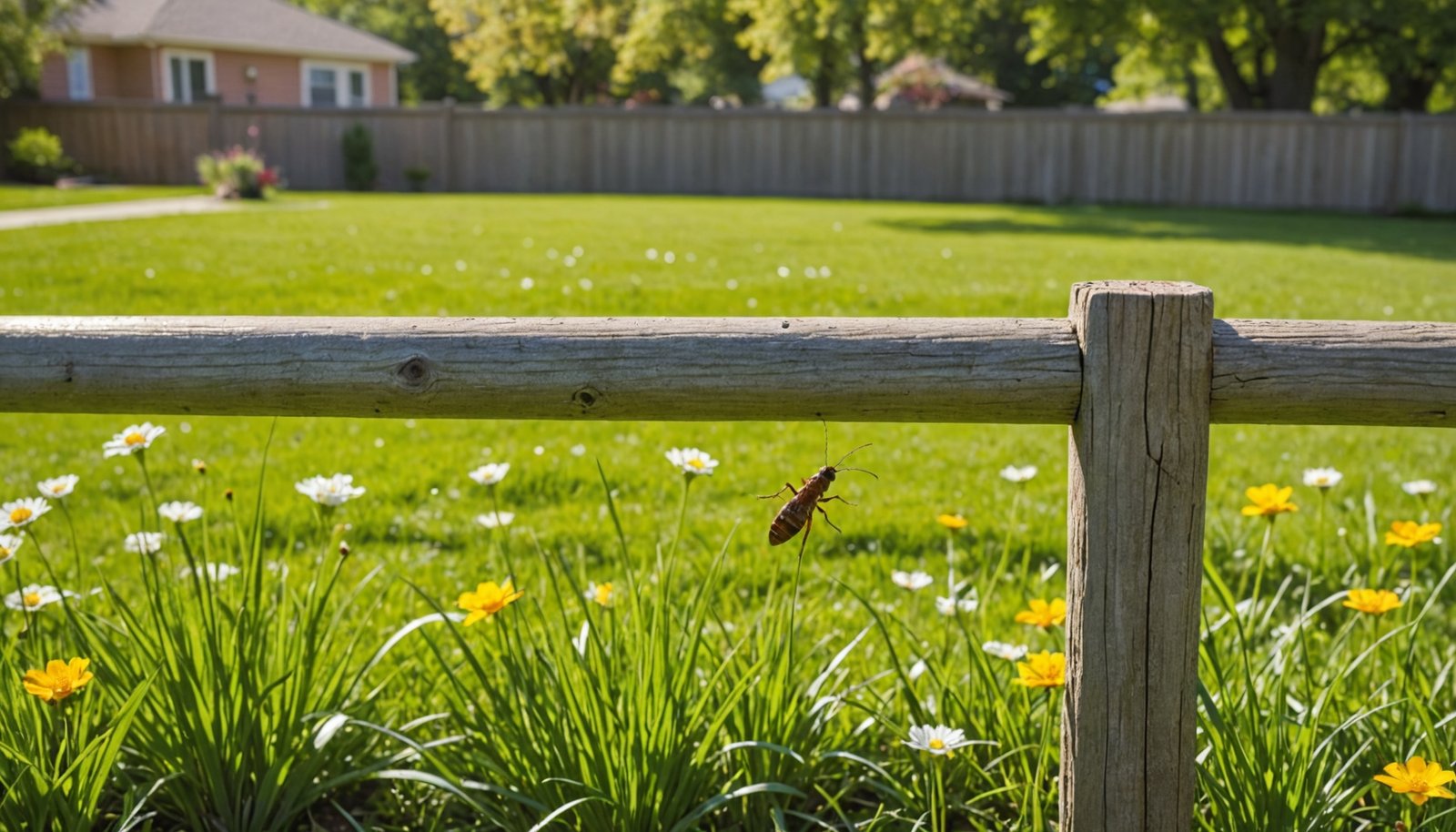
When should you actually treat for termites to get the most impact? You’ll get strong results in both spring and winter, but for different reasons.
Treatments in both spring and winter deliver powerful termite control, each season offering unique strategic advantages
In spring, termites enter their peak reproductive phase, swarming, building new nests, and aggressively seeking cellulose in your home’s wood. Colonies are more exposed and vulnerable, so a well‑timed treatment can hit a large portion of the population at once. Ideal temperatures between 70–90°F and higher humidity also help products work effectively.
Winter offers a different advantage: termites become more predictable. As they burrow deeper into soil near your foundation and narrow their foraging trails, it’s easier to pinpoint activity and deliver bait that spreads efficiently through clustered colonies. Because termites remain active year‑round, winter treatments can stop damage that would otherwise continue unnoticed inside walls and structural wood.
Lower service demand means you can schedule inspections and treatments faster, and winter work can steadily reduce populations so they’re weaker and easier to control when activity ramps up again.
How Termite Season Affects Your Home and Treatment Options

When you understand how termites behave through the seasons, you can predict when they’re most likely to threaten your home’s structure and value. Regular inspections can catch hidden infestations early, preventing thousands of dollars in potential damage and preserving your home’s resale value.
Termite season brings swarming, rapid colony growth, and faster damage, and each phase calls for a different response.
Next, you’ll see how seasonal patterns shape your best treatment choices, from preventative work in cooler months to aggressive control during peak activity.
Seasonal Termite Behavior Patterns
Although termites stay active all year, their behavior shifts with the seasons in ways that directly affect your home’s risk level and the best treatment options. In many regions, rainy weather can trigger increased foraging and push termites closer to foundations and moisture‑prone areas of the home.
In spring, swarmers emerge when temperatures top 70°F and humidity rises, so you’re more likely to notice discarded wings around windows or doors.
Summer brings peak feeding and colony growth as warm, humid weather accelerates wood and paper consumption.
- Spring: swarming exposes mature colonies and reveals hidden infestations.
- Summer: intense foraging, moisture buildup, and outdoor projects increase structural vulnerability.
- Fall: termites migrate deeper into soil and structural wood, staying active in mild or coastal climates.
- Winter: activity slows but doesn’t stop, especially in heated spaces and warmer regions, keeping year‑round pressure on your home.
Treatment Choices By Season
Seasonal termite patterns don’t just change your risk level—they also change which treatments work best and how quickly you need to act.
In winter, termites cluster tightly, so pros can detect colonies more easily, hit concentrated targets, and use moist late‑winter soil to reach deep nests. Because winter is the most effective time for termite treatment in Arizona, scheduling service now helps prevent serious damage when spring activity surges.
Spring brings swarms, giving you clear evidence of infestation. Treating in early spring stops colonies before major swarming and prevents heavy summer feeding.
Summer treatment still works, but termites spread out and move farther from nests, so control can be less efficient.
Fall is the second key treatment season: cooling weather drives termites toward structures, and treating now keeps them from overwintering indoors.
In all climates, yearly inspections help catch activity before structural damage escalates.
How Your Region and Climate Change the Best Time for Termite Treatment

Because termites respond directly to temperature and moisture, the “best” time for treatment depends heavily on your region’s climate and the species you’re up against.
In the Gulf Coast and Deep South, termites stay active all year, so you time treatments around intense swarm seasons—often February through June—and follow stricter inspection schedules.
Along the Southeast Atlantic, you still see activity through winter, but ground temperatures above 70°F in spring signal prime swarm and treatment windows.
In drier Southwest and Pacific areas, you match treatments to drywood and subterranean species that peak from late spring through fall, often at specific times of day. In these regions, it’s especially important to consider your USDA risk zone when planning treatment and inspection intervals.
Across the Midwest, Central Plains, and Northern Tier, shorter, cooler seasons shift ideal treatment to spring and early summer.
- Track your local swarm months.
- Match treatment timing to species behavior.
- Respect regional risk zones and inspection rules.
- Coordinate with a pro who understands your climate.
Why Many Pros Recommend Winter Termite Treatment
When temperatures drop, termites huddle into predictable, warmer zones in and around your home, making their activity easier to track and target.
You can use this concentrated movement to your advantage, especially with bait systems that termites are more likely to encounter and carry back to the colony in winter.
Predictable Cold-Weather Activity
Although most homeowners assume termites disappear in the cold, many pros actually prefer winter for treatment because termite behavior becomes more predictable and concentrated. Instead of roaming widely, termites cluster near nests, moisture, and warmth—often right around your foundation, crawl space, or heated slab. That predictable cold‑weather activity makes inspections and treatments more precise and efficient.
- Termites stay closer to the colony, shrinking their foraging range and concentrating damage.
- Heating creates warm “hot spots” that pull termites toward your home’s structural core.
- Winter soil holds moisture, helping liquid termiticides spread and bind in the treatment zone.
- Indoor and foundation‑level activity becomes easier to spot with tools like moisture meters and infrared.
You’re not guessing where termites might be—they’re funneled into fewer, target‑rich areas.
Winter Baiting Advantages
That same predictable cold‑weather termite behavior also makes winter one of the smartest times to put bait systems to work. Because colonies huddle in tighter, warmer zones, you can target fewer, more precise areas—near foundations, crawl spaces, and moist soil. With less random foraging, termites are more likely to hit bait stations spaced every 10–15 feet and carry the slow‑acting poison back to the nest.
Winter’s moist, stable soil also helps termiticides spread and bind, strengthening the chemical barrier around your home and keeping hidden colonies accessible underground.
| Winter Advantage | What Changes | Why It Helps You |
|---|---|---|
| Concentrated colonies | Fewer foraging routes | Higher bait‑station hit rate |
| Moist soil | Better chemical movement | Stronger perimeter protection |
| Easier detection | Clearer activity signs | Faster, more accurate targeting |
| Pre‑spring disruption | Broken breeding cycles | Fewer swarmers and new infestations |
Spring Termite Treatment and Swarming Season
As winter’s chill fades, termite activity surges in spring, making this the critical season for both swarming and treatment. As soil warms and humidity rises, subterranean termites typically swarm from late February through June, while drywood termites follow from March into early summer.
Those winged swarmers you see after a warm rain aren’t just a nuisance—they’re a warning that mature colonies are nearby or already in your home.
You’ll often notice:
- Swarmers gathering around windows, lights, or inside your home after rainfall
- Discarded wings on sills, porches, and near foundation cracks
- Mud tubes on walls or foundations and hollow-sounding or blistered wood
- Pellet-like droppings (frass) that resemble coffee grounds or sawdust
Because termites are most active and visible now, spring’s the ideal time to schedule a professional inspection and, if needed, install or renew a liquid soil treatment around your foundation before damage escalates.
Treating Termites in Summer and Fall: Pros and Cons
Once spring swarms fade, summer and fall become the seasons when termite treatment strategy really matters. In summer, alternating dry heat and flash storms create warm, damp zones around your footings. That moisture, plus wood piles, mulch, and garden debris near the foundation, fuels aggressive subterranean and drywood activity. You’ll likely need more frequent inspections, and no-tent perimeter treatments or localized foams let you stay home and respond quickly, though high humidity can limit barrier strength and require repeat visits.
In fall, termites don’t stop; they just move deeper into soil and structure. Cooler, steadier conditions make access easier and reduce weather delays, so technicians can target colonies revealed by summer damage.
| Season | Key Pros/Cons |
|---|---|
| Summer | Strong activity, fast detection |
| Summer | Quick, no-tent response options |
| Summer | Moisture can weaken barriers |
| Fall | Stable weather, precise targeting |
| Fall | Residual barriers, lower reinfestation risk |
When Termite Treatment Can’t Wait for the “Right” Season
Even though summer and fall give you strategic advantages, some infestations demand action right now, no matter what the calendar says. If you spot mud tubes, piles of frass, discarded wings, hollow-sounding wood, or swarmers emerging indoors, you’re dealing with an active problem that can’t wait.
If you see mud tubes, frass, wings, or swarmers indoors, you’ve got an urgent termite problem
A nest discovered inside a wall or beams crumbling under light pressure means termites are already compromising your home’s structure.
In these moments, you need to move quickly but deliberately:
- Stay calm, document what you see with photos or video, and avoid tearing into walls or spraying store-bought chemicals.
- Isolate affected rooms, keep kids and pets away, and reduce vibrations or banging near suspected nests.
- Call a trusted local pest control company that offers emergency termite services and 24/7 response.
- Follow the technician’s preparation instructions so they can inspect, confirm the infestation’s extent, and start targeted treatment immediately.
Bait vs. Liquid Termite Treatments by Season
When you compare bait and liquid termite treatments, the season and weather play a huge role in which option works best.
Cold, wet winter soil can help both baits and liquids reach clustered colonies, while warm, rainy spring weather speeds up termite movement and changes how they contact treatments.
Seasonal Strengths Of Bait
Although liquid termite treatments often get the spotlight for fast, immediate protection, bait systems show clear seasonal strengths that can dramatically change how quickly they intercept and eliminate colonies. When you time bait installation right, you shorten the wait for termites to find stations and speed up colony elimination.
- Winter installs work best, with interception in about 194 days—over 100 days faster than summer—because foraging peaks through winter and early spring.
- Spring offers a strong backup window, with elevated foraging and results similar to autumn.
- Autumn still performs respectably and sets stations up before winter’s peak activity in many regions.
- Summer’s heat and dry surface soils push termites deeper, so stations take longest to hit—or sometimes don’t intercept at all that first year.
Liquid Treatments By Weather
Because weather patterns shape how termites move, feed, and nest, liquid treatments respond differently in each season—and that’s where they often outshine bait alone.
In spring, you can spot swarmers, mud tubes, and damage more easily, then use liquid products to form an immediate barrier just as colonies ramp up and homes hit the market.
In summer, termites forage aggressively in heat and humidity, so non‑repellent liquids excel as workers carry the active ingredient back to hidden colonies, providing long‑lasting protection into fall and winter.
Fall gives you a prevention window: you inspect, seal cracks, reduce moisture, and lock in a soil barrier before freeze–thaw cycles.
In winter, underground colonies concentrate, so liquid barriers and bait reach queens more efficiently, with annual inspections confirming integrity.
When to Schedule Termite Inspections and Prevention Visits
As termite activity and visibility change with the seasons, timing your inspections and prevention visits around these shifts helps you catch problems early and avoid costly damage.
Time inspections with seasonal termite activity to spot issues early and prevent expensive structural damage
In most areas, spring’s your first checkpoint. As temperatures rise and swarming peaks, you’re more likely to spot wings, swarmers, or mud tubes, especially from eastern subterranean termites in April and dark southern species in May.
Don’t wait for swarms, though. Winter’s actually one of the best times to schedule a professional inspection. Termites stay closer to nests and foundations, making colonies easier to pinpoint and bait systems more effective.
Use this simple rhythm to guide your calendar:
- Schedule a detailed professional inspection every winter.
- Add a spring follow-up if you’re in a high‑pressure or Bay Area climate.
- Book an immediate visit anytime you see swarms or damage, in any season.
- Maintain year‑round prevention checks for moisture, soil contact, and barriers.
How to Build a Year-Round Termite Treatment Plan
Even when termites stay out of sight, they’re still looking for ways into your home, so an effective plan protects you in every season—not just when you see swarms.
Start with a professional inspection to map out risks, past activity, and construction details. From there, build layered protection.
For most homes, you’ll rely on a liquid soil barrier around the foundation, applied by trenching or drilling. This creates a long-lasting chemical shield, but prior infestations may require periodic retreatment.
Add a baiting system, such as Sentricon, in the soil around your property to attract and eliminate colonies over time; schedule regular monitoring to keep it active.
Reinforce vulnerable wood with borate or other wood treatments, especially in crawlspaces, decks, and framing.
Finally, control moisture, fix leaks, slope soil away, and keep wood and mulch off the foundation. Renew your plan annually so new colonies never gain a foothold.
Conclusion
When you understand how seasons affect termites, you can stop reacting and start preventing. Use winter for proactive treatments, stay alert in spring swarming season, and don’t wait if you see signs of damage. Combine inspections, monitoring, and the right mix of bait and liquid treatments so your home’s protected year‑round. When you plan ahead with a trusted pro, you turn termite season into just another date on the calendar—not a threat to your home.