
Best Termite Prevention Tips to Protect Your Home
Protect your home from termites with an integrated plan. Seal the soil using a continuous termiticide barrier at foundations and penetrations. Treat framing and repairs with borate sprays or foam, and use pressure-treated wood where needed. Add bait stations around the perimeter to monitor and eliminate colonies. Control moisture with grading, clean gutters, proper drainage, and ventilation. Keep wood and mulch away from siding and use metal shields or stainless mesh at entry points. You’ll see how these pieces fit together next.
Key Takeaways
- Keep water away from your home: clean gutters, extend downspouts, grade soil, and ventilate crawl spaces and attics.
- Maintain clearances: keep wood 6–8 inches above soil, 12 inches in crawl spaces, and use concrete footings for posts.
- Install barriers: pre-treat soil with termiticide, seal slab penetrations, and use stainless steel mesh or metal shields at entry points.
- Treat wood and vulnerable areas: apply borates to framing, use pressure-treated lumber in damp or ground-contact locations, and inject foam termiticides in voids.
- Deploy bait stations around the perimeter, inspect regularly, and avoid broad liquid barriers that block bait access to colonies.
Seal the Soil: Professional Termiticide Barriers Around Foundations

Before concrete is poured, you—or more precisely, your licensed installer—should create a continuous termiticide barrier in the soil around and beneath the foundation to stop termites at the edge.
They’ll trench and rod near footings, treat the internal perimeter, and cover interior walls below slab level for basements or suspended slabs. This timing lets the barrier integrate with the slab and target high‑risk sites identified during inspection.
Have the pro customize materials at vulnerable points—pipe penetrations, construction joints, and slab edges—using prefabricated flanges and trap blockers to maintain continuity. Only authorized installers trained by Termimesh should install the mesh components to ensure proper effectiveness.
Customize vulnerable points with flanges and trap blockers at penetrations, joints, and slab edges for continuity.
Physical options like marine‑grade stainless steel mesh or metal sheeting block entry, while chemical soil treatments form a toxic zone termites can’t cross.
Demand robust sealing at termination points along grade beams and stem walls.
Installers should bond sealants directly to concrete, not foam, within the epoxy’s workable window.
Certified, accredited professionals follow protocols, avoid gaps, and back their work with inspections and a warranty.
Treat the Wood: Borates, Foams, and Surface Applications That Last
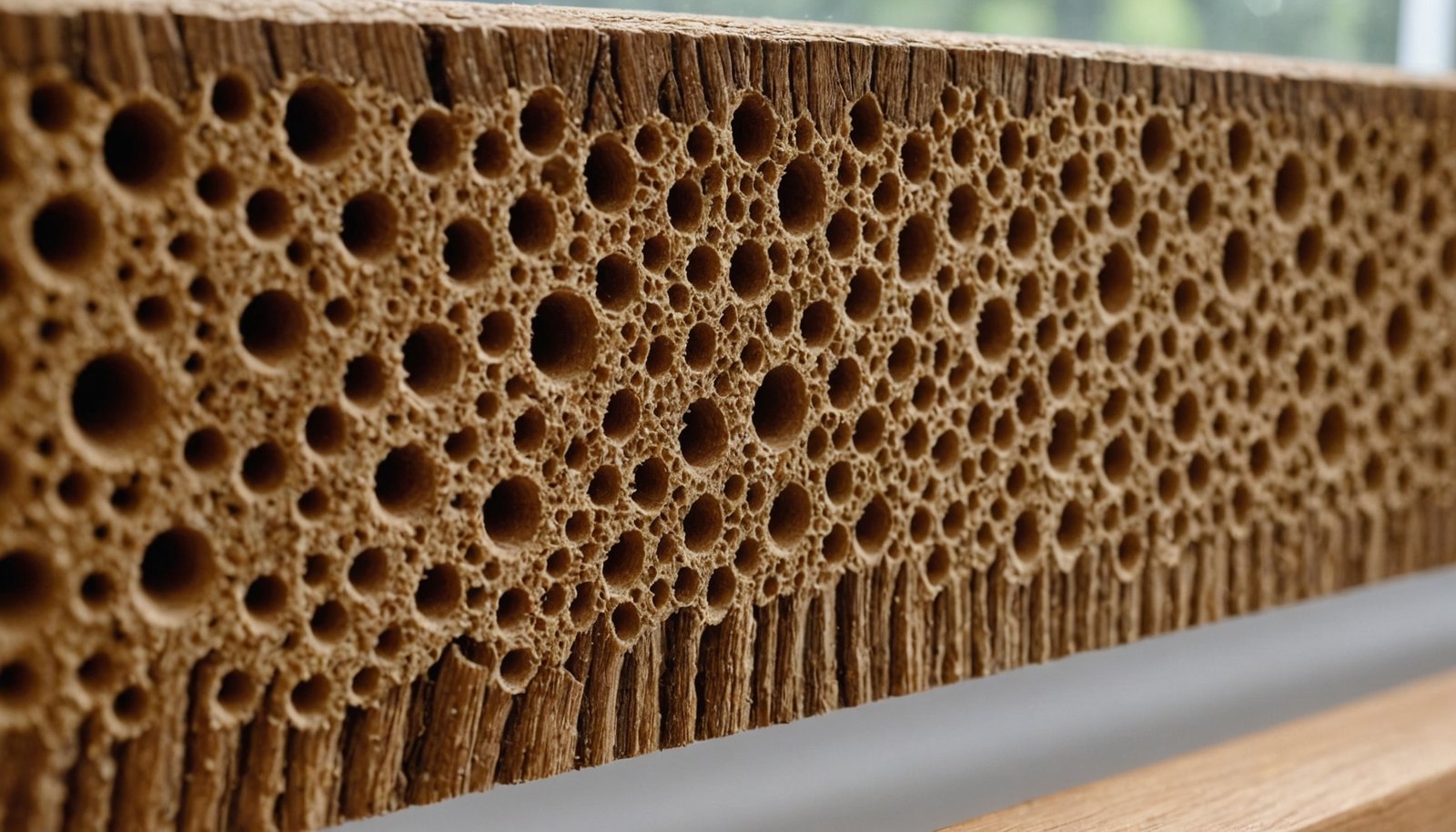
Sometimes the best defense is built right into the wood itself. Treat framing, trim, and replacement lumber with borates to stop termites where they feed. Products like BoraCare penetrate deeply, creating a toxic barrier inside the fibers without weakening strength.
You can spray, brush, or dip unfinished lumber, furniture, and structural components before enclosure or after discovering activity. Apply Borate treatment before signs of infestation to maximize long-term protection and avoid structural damage.
On repaired areas, a borate foam reinforces protection internally and on the surface.
Use foam termiticides when you need localized control inside wall voids or tight assemblies where soil barriers don’t reach. Inject foam to coat galleries and inaccessible surfaces; guarantee it penetrates and remains effective against re-infestations.
For long-term, code-compliant defense in ground-contact or damp locations, install pressure-treated lumber. Copper-based preservatives resist termites and decay and can reduce the need for broad post-construction soil treatments.
Maintain efficacy by storing treated wood off the ground, cutting carefully, and sealing cuts and exposed ends with compatible surface treatments.
Deploy Bait Stations: Ongoing Monitoring to Target Colonies
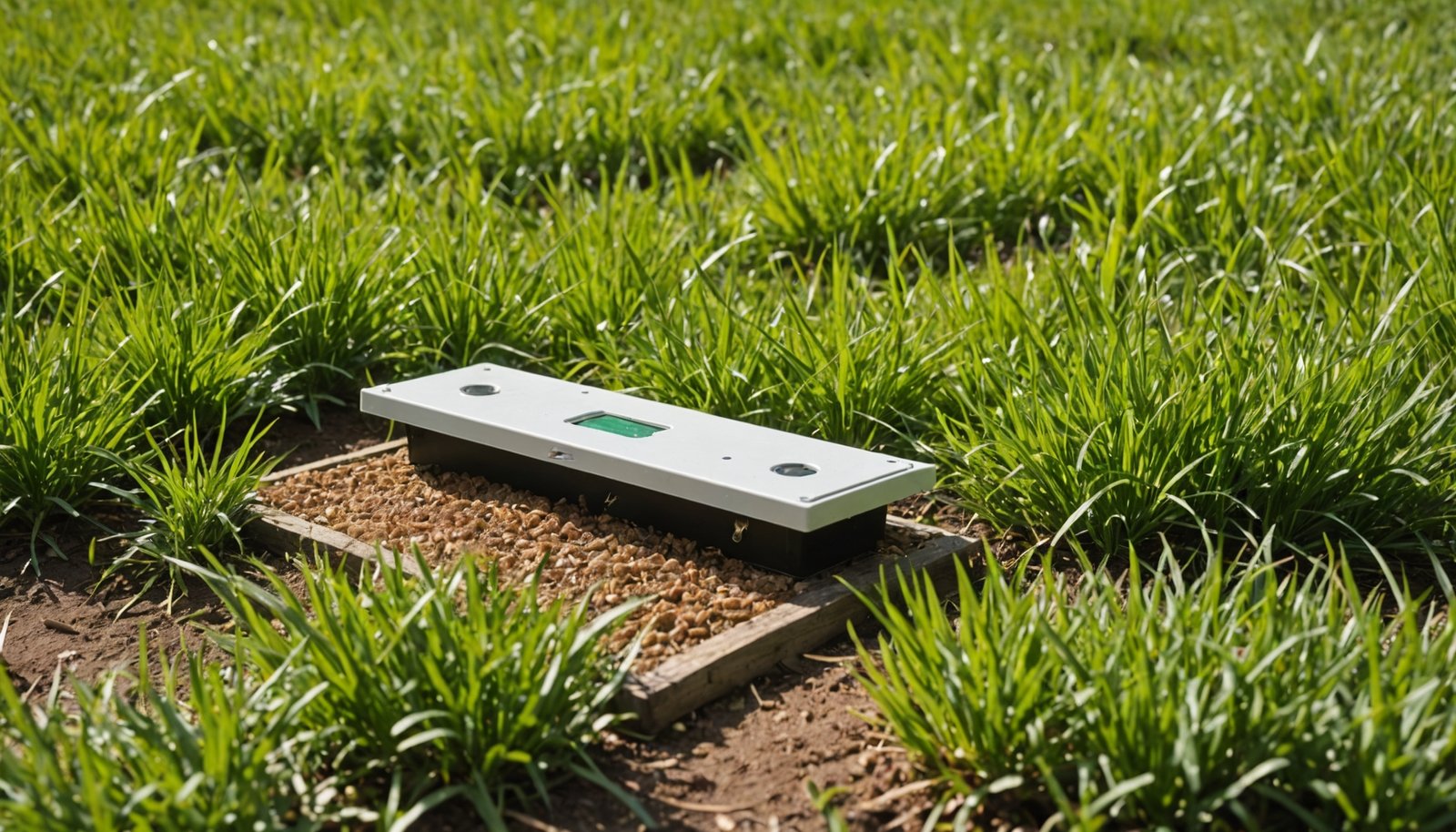
Wood treatments lock protection into the structure, but you still need a way to track and remove active colonies around the perimeter. Deploy bait stations to intercept foragers, confirm activity, and eliminate nests. Use both in-ground (IG) for soil-nesting species and above-ground (AG) where soil access is limited.
Wood treatments protect inside; perimeter bait stations intercept foragers, confirm activity, and eliminate nests above and below ground.
Place clusters in concentric rings near known activity; proximity speeds uptake and cuts the time to knockout.
Modern baits like chlorfluazuron and novaluron, when monitored, can reduce termites by about 46% in two weeks and reach full colony elimination within four to ten weeks. Some systems, such as Xterm, clear colonies faster than others like Sentricon, but success hinges on placement and follow-through. In Southeast Asia, termite baiting has become widely adopted and allows PMPs to charge higher fees, helping grow the pest management industry.
Inspect stations regularly—at least annually—to sustain protection and catch rebounds early. Most monitored sites maintain 90%+ reduction year over year, and 90% of buildings stayed termite-free within three years.
Avoid pairing baits with broad liquid barriers that block access. Expect rare reinfestations from neighboring colonies; adjust station positions as data dictate.
Control Moisture: Drainage, Leaks, and Ventilation That Deter Termites
Even the best baits and treatments struggle if your home stays damp, so make moisture control your everyday termite deterrent.
Start outside: keep gutters clean, extend downspouts, and grade soil so water flows away from the foundation. Don’t pile mulch or dense plantings against the walls; use crushed stone or pea gravel instead. Moist soil and pooling water near foundations attract termites by creating ideal, humid conditions they need to survive.
Direct HVAC and appliance condensate well away from crawl spaces, and guarantee dryer vents exhaust outdoors.
Fix leaks fast. Inspect pipes, taps, toilets, and showerheads, and insulate cold lines in humid areas to stop condensation.
Seal cracks around foundations and penetrations to block seepage and potential entry points.
Boost airflow where moisture lingers. Ventilate crawl spaces, basements, and attics, and keep foundation vents clear by at least 75 mm.
Use dehumidifiers to hold humidity down, and consider vapor barriers in crawl spaces.
- Clean gutters and extend downspouts away from the slab
- Repair leaks and insulate sweating pipes
- Ventilate crawl spaces; add dehumidifiers as needed
- Keep mulch and plants 12–18 inches from the foundation
Build Smart: Physical Barriers and Termite-Resistant Construction Practices
Next, you’ll build smart by installing metal termite shields and pipe collars that force termites into the open instead of hidden gaps.
You’ll also keep all wood elevated above grade and concrete, maintaining code-recommended clearances to prevent direct soil contact. Approved methods in North Carolina include four permitted termite protection strategies, and compliance with state regulations during new construction is essential.
These simple details block hidden entry points and make infestations easier to spot early.
Metal Shields and Collars
Although no single measure stops termites outright, metal shields and collars create a tough first line of defense by forcing hidden soil-to-wood entry into exposed, inspectable paths.
Install sheet-metal shields—galvanized steel, copper, terne, or aluminum—between the foundation top and sill plate. Hem the edges and form a drip edge to divert water, discourage tunneling, and keep wood drier.
You can also use stainless steel mesh systems (e.g., Termimesh™) around foundations and utility penetrations for long-lasting exclusion. Some modern options include granite or PVC shields that add sustainability benefits.
Remember, these barriers support IPM—you’ll still need inspections and, where appropriate, targeted treatments.
- Fit continuous shields on foundations, piers, and masonry walls under framing.
- Overlap/fold mesh joints correctly; parge to concrete for continuity.
- Prevent contact with dissimilar metals to avoid corrosion.
- Encircle slabs, joints, and penetrations to block access.
Elevated Wood Clearances
Clearance is your simplest, most reliable termite deterrent: keep wood well above soil so pests can’t bridge into the structure unseen. Keep nonstructural wood like siding and trim at least 6 inches above grade; bump that to 8 inches whenever it touches structural wood. Maintain 8 inches for sill plates, sheathing, and framing—or follow stricter local codes. In crawl spaces, keep wood framing 12 inches above soil, and preserve at least 24 inches of headroom for inspections, ventilation, and treatments.
Use pressure-treated or termite-resistant lumber when exposure’s unavoidable, but still avoid direct soil contact. Elevate posts on cured concrete footings at least 3 inches above the floor. Prevent mulch or soil buildup against siding, remove wood debris, and seal tiny slab or wall gaps.
| Risk | Feeling | Fix |
|---|---|---|
| Hidden tunnels | Unease | 6–8 in. clearances |
| Moist crawl space | Worry | Ventilate, vapor barrier |
| Soil contact | Alarm | Concrete supports |
Landscape Wisely: Keep Wood and Soil Away From Structural Components
Even small landscaping choices can invite termites if wood and soil touch your home.
Keep at least a 6-inch gap between soil and any wood—siding, door frames, and window frames included. Don’t set posts or stairs directly in soil or concrete that meets soil; termites can tunnel through or around both.
Pressure-treated wood isn’t a free pass—cracks and cut ends still invite attack, so preserve clear separations. Regrade soil or pull back mulch where needed to maintain visible, dry foundations.
- Maintain a 3-foot plant-free buffer around the foundation to boost airflow and reduce moisture that attracts termites.
- Choose non-wood mulches or keep wood mulch 8–12 inches from siding; use thin layers and remove leaf litter regularly.
- Install and maintain drainage—grading, gutters, downspouts, and splash blocks—to move water away and keep soil dry.
- Use termite-resistant or non-wood materials for fences, trellises, and borders; plant large trees well away and prune branches off the house.
Commit to Maintenance: Annual Inspections and Integrated Prevention Plans
Because termites stay hidden until damage mounts, you protect your home by scheduling annual inspections and pairing them with an integrated prevention plan.
Pros check foundations, decks, fences, mulch beds, stumps, basements, crawl spaces, and interior walls for mud tubes, hollow wood, bubbling paint, damaged plaster, and excess moisture. Most inspections take 30 minutes to a few hours and end with a report that flags activity, risks, and next steps.
Use the findings to guide prevention: soil treatments, baiting systems, and physical barriers that are reviewed annually. Plans adapt as conditions change, interrupting termite life cycles and stopping colonies from expanding.
You’ll also learn to monitor signs and remove conducive conditions like wood-to-ground contact and poor drainage.
Live in a high-risk region, have prior issues, or notice warning signs? Schedule bi-annual or immediate inspections.
Even pre-treated new homes need yearly checks as barriers degrade. Early detection saves structural costs.
Conclusion
You’ve got the power to keep termites out. Seal the soil with pro-grade termiticides, treat vulnerable wood, and deploy bait stations for ongoing defense. Fix leaks, improve drainage, and ventilate to cut moisture. Build smart with physical barriers and termite-resistant materials. Maintain smart landscaping by keeping wood, mulch, and soil off your structure. Then commit to annual inspections and a balanced prevention plan. Stay proactive, and you’ll protect your home, your budget, and your peace of mind.