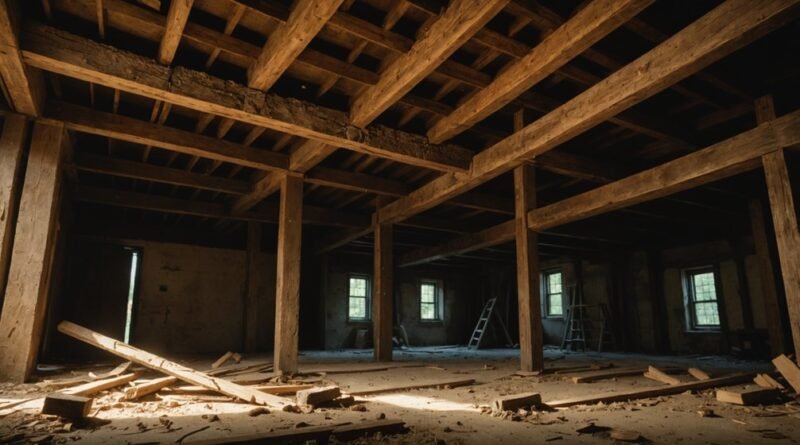
Termite Damage and Home Value: How Infestations Affect Property Appraisals
Termite damage can reduce your home’s value by up to 25%, and the financial impact extends well beyond repair costs. Higher insurance premiums, lender complications, mandatory inspections, and reduced buyer interest all follow a termite history. The amount of value recovered depends almost entirely on the quality of treatment, the extent of structural repairs, and the documentation you can provide. This guide covers everything homeowners and real estate agents need to know about termite damage and home value — from the inspection process to market recovery.
Key Takeaways
- Active, undisclosed termite infestations reduce home value by 20 to 25%. Treated, documented, and fully repaired homes typically see only a 3 to 5% residual reduction.
- A clean Wood Destroying Insect (WDI) report and documented extermination history are the most important tools for protecting appraisal value.
- Annual termite inspections cost $300 to $800 across the U.S. — a fraction of the $2,000 to $25,000 in structural repair costs that follow a serious infestation.
- Sellers are legally required to disclose known termite damage. Failing to do so creates significant legal liability regardless of state inspection laws.
- VA loans in 39 states mandate termite inspection and repair before closing. FHA loans frequently require the same.
- Transferable termite bonds or warranties are a documented protection asset that can bring resale value near neutral.
How Much Does Termite Damage Affect Home Value?
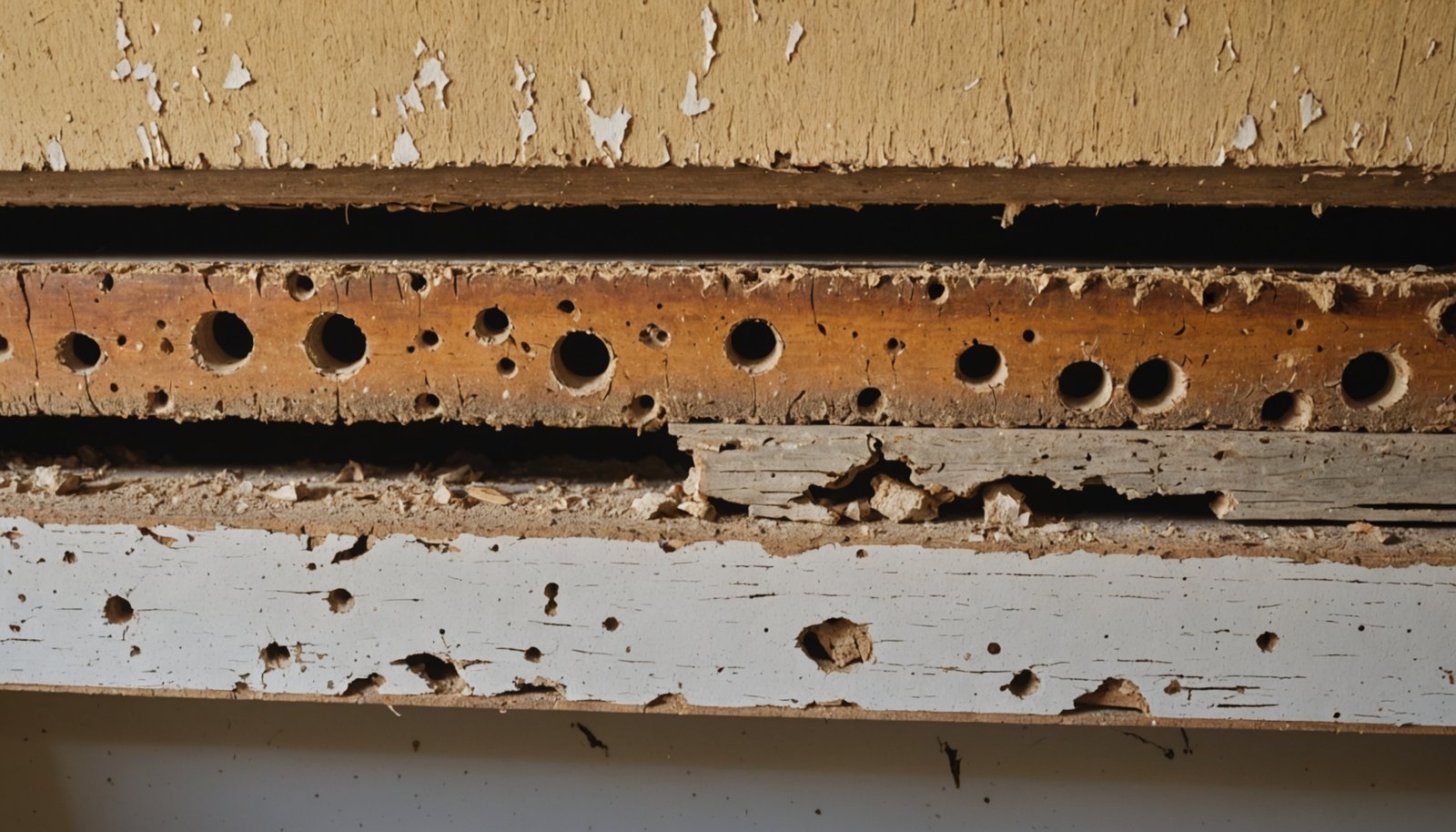
The impact of termite damage on home value varies based on severity, the size of the infestation, location, and the extent of documentation available. Here is what buyers and sellers need to keep in mind when a termite history is involved:
| Scenario | Typical Value Impact | Key Factor |
|---|---|---|
| Active infestation, undisclosed | –20 to –25% | Legal liability + repair costs |
| Active infestation, disclosed | –15 to –20% | Buyer negotiation leverage |
| Treated, documented, repaired | –3 to –5% | Quality of documentation |
| Active termite bond or warranty | Near neutral or positive | Transferability + ongoing protection |
| Cosmetic-only fix, no structural repair | –10 to –15% | Inspector discovery + lender refusal |
Even when extermination was completed years ago, homes with a documented termite infestation history continue to face reduced buyer interest. Over 600,000 homes across the U.S. are affected by termite damage annually. The average repair cost sits around $3,000, but severe cases involving compromised foundations, structural walls, floors, and insulation can push the total amount of repairs into the tens of thousands. Properties with visible termite damage stay on the market an average of 18 days longer before selling.
Signs of Termite Damage That Directly Affect Property Value
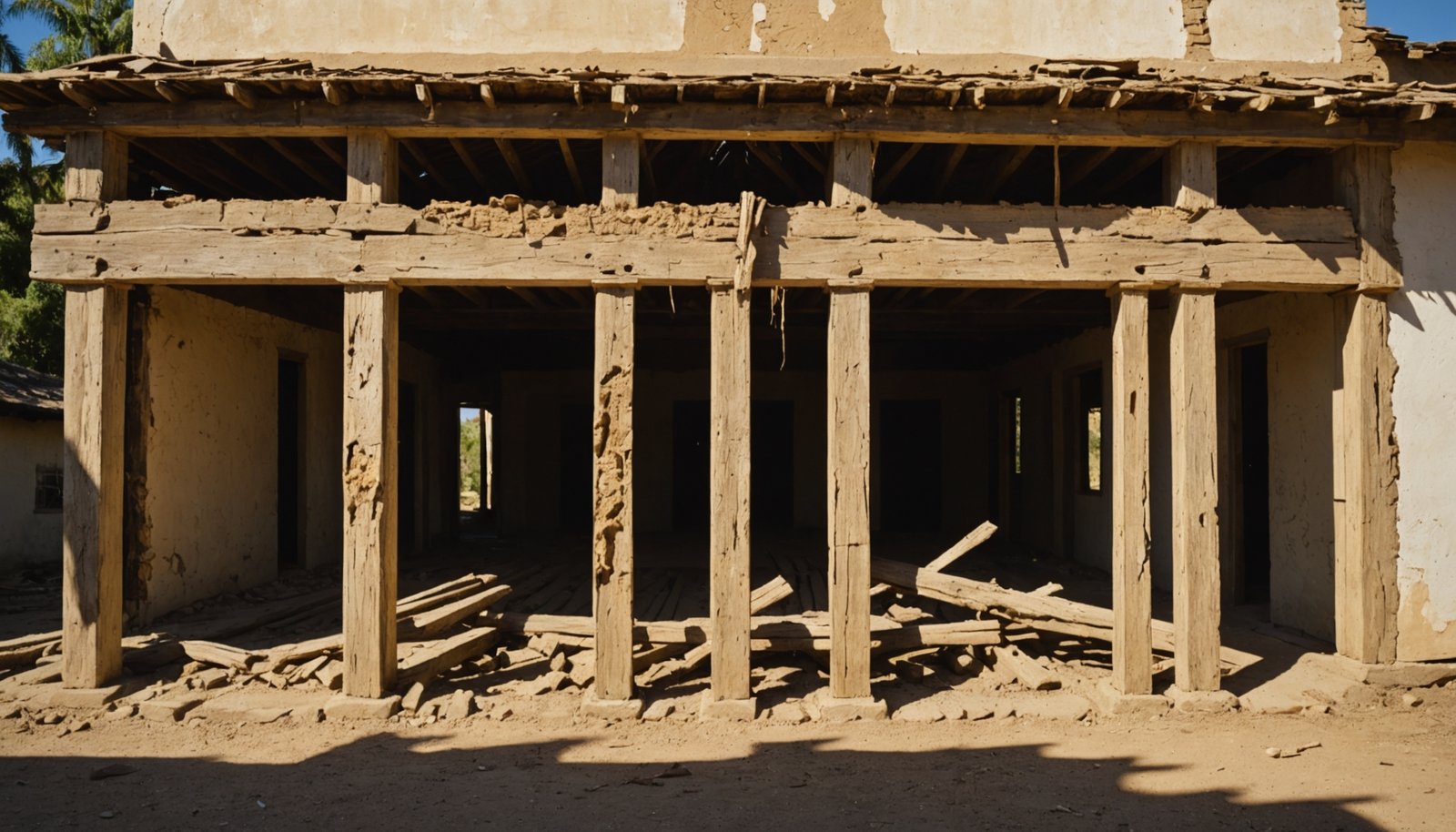
A home inspector or termite inspector will flag every one of the following signs during the inspection process. Each can reduce buyer offers, trigger repair contingencies, or cause lenders to withhold approval until repairs are completed:
- Mud tubes along foundation walls, crawl spaces, and exterior surfaces — the most visible evidence of subterranean termite activity
- Hollow-sounding wood in floors, walls, and structural beams — indicates active or past colony feeding inside structural wood
- Damaged or bubbling paint on walls and doors — caused by moisture and termite activity behind drywall
- Sticking doors and windows — warped frames from termite damage and moisture deterioration
- Frass near baseboards or windows — sawdust-like droppings indicating drywood termite activity
- Discarded wings near doors, windows, or light sources — clear evidence of recent swarming
- Damaged insulation in crawl spaces or walls — termites tunnel through insulation to reach structural wood
- Cracks in foundation or floors — structural deterioration accelerated by termite damage
The severity of these signs during a home inspection determines the amount of negotiating leverage buyers gain, and in many cases whether a loan can be approved at all. Real estate agents representing buyers routinely use termite inspection findings to request price reductions or repair credits as a condition of sale.
Financial Impacts Beyond Structural Damage
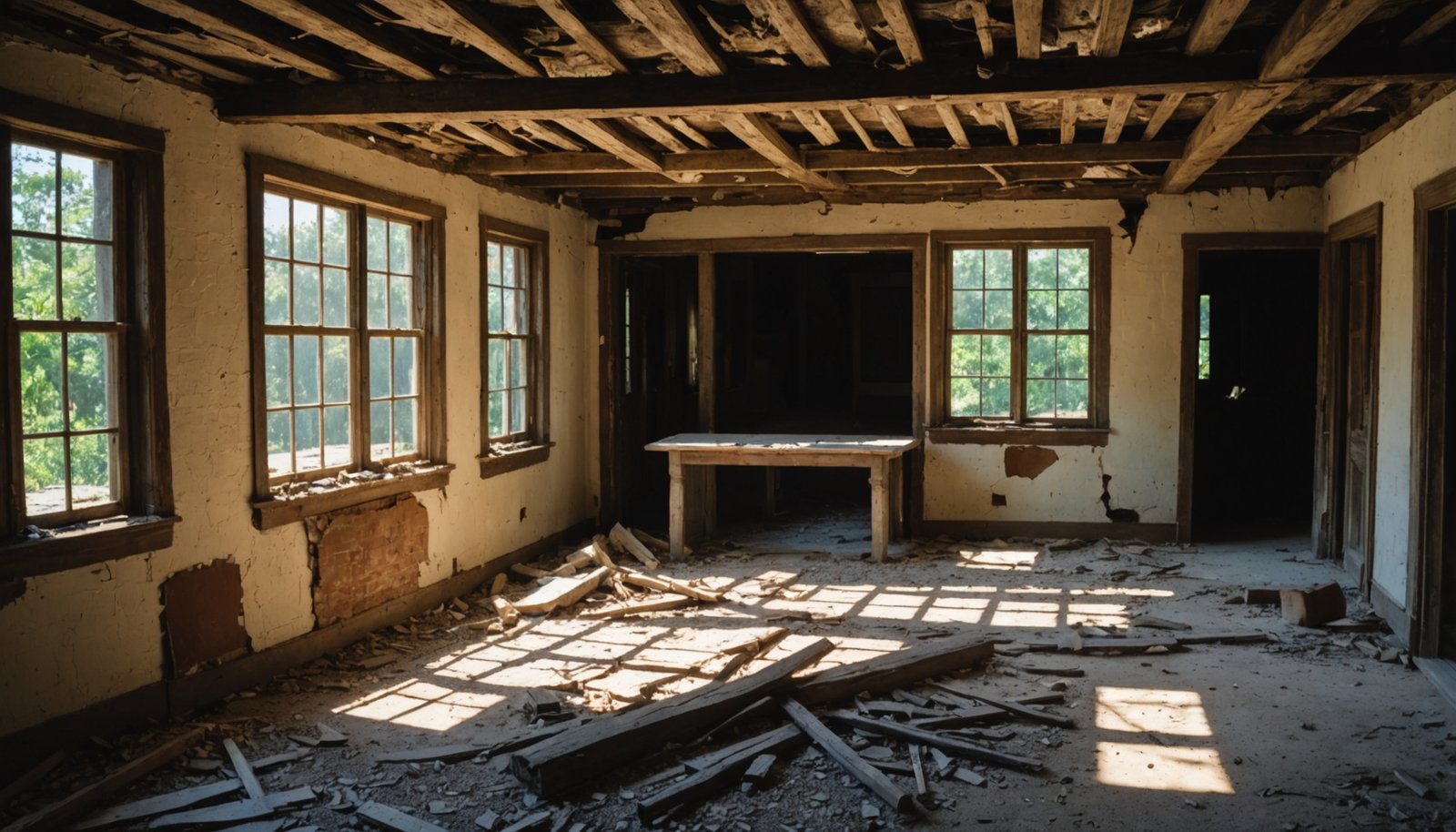
Hidden Costs Homeowners Don’t Anticipate
The financial toll of termite damage extends far beyond visible structural repairs. Additional costs homeowners consistently underestimate include:
- Budget overruns during the repair process — termite damage in walls, floors, and structural wood typically extends further than initially visible once work begins
- Permit fees and contractor supervision costs — structural repairs require permits in most states, adding to the total amount spent
- Temporary relocation costs — fumigation or extensive structural repair may require occupants to vacate for days or weeks
- Lost rental income for landlords while the property undergoes extermination and reconstruction
- Warranty gaps — letting a termite bond or warranty lapse means establishing new coverage after damage is discovered, which is far more expensive
Tips for limiting financial exposure: get a pre-listing termite inspection before putting your home on the market, document every stage of extermination and repair, and maintain active warranty coverage continuously rather than letting it lapse between treatment cycles.
Insurance and Lender Complications
Insurance premiums often increase after a termite history is disclosed, and some providers may limit or exclude termite-related coverage entirely. Buyers using FHA or VA loans face stricter requirements — many cannot purchase homes with active termite issues or outstanding repair requirements at all. Mortgage lenders may impose additional clearances as a condition of approval, and the information required to satisfy these clearances takes time to compile. Maintaining a clean WDI report and documented repair history is the most effective way to prevent these complications from delaying or killing a sale.
Appraisals, Real Estate Transactions, and Legal Requirements
Property Appraisals With Termite History
Property appraisers directly account for termite history during valuation. A home with an undocumented infestation can be appraised 20 to 25% below comparable termite-free properties. The process of recovering appraisal value requires a clean WDI report, documented extermination, and evidence of completed structural repairs — not cosmetic work.
Consider a pre-listing inspection before appraisal to identify and resolve any outstanding issues. Detailed documentation of treatments, repairs, and ongoing protection programs significantly improves appraisal outcomes. In high-demand markets where termites are common, an active transferable termite bond can bring the value impact near neutral and give buyers the peace of mind needed to move forward without demanding large price reductions.
Legal Disclosure Requirements for Sellers
Sellers must disclose known termite damage in their Transfer Disclosure Statement regardless of whether a formal inspection was completed. Failing to disclose creates legal liability that follows the seller through the transaction and beyond. Real estate agents representing sellers carry responsibility for ensuring disclosures are complete and accurate.
Key legal and transactional concerns for both parties:
- Sellers who conceal known termite damage face litigation long after closing, even in states without mandatory inspection laws
- Buyers should always request a termite inspection as a contract contingency — this gives them leverage and an option to walk away based on findings
- A clean WDI report from a licensed termite inspector is the standard proof most lenders require before approving any loan on a property with termite history
- Condo buyers are typically exempt from inspection requirements, but reviewing available inspection history through the Structural Pest Control Board is still strongly recommended
VA and FHA Loan Requirements for Termite Inspection
VA loans in 39 U.S. states mandate termite inspection and repair before closing — this step is non-negot