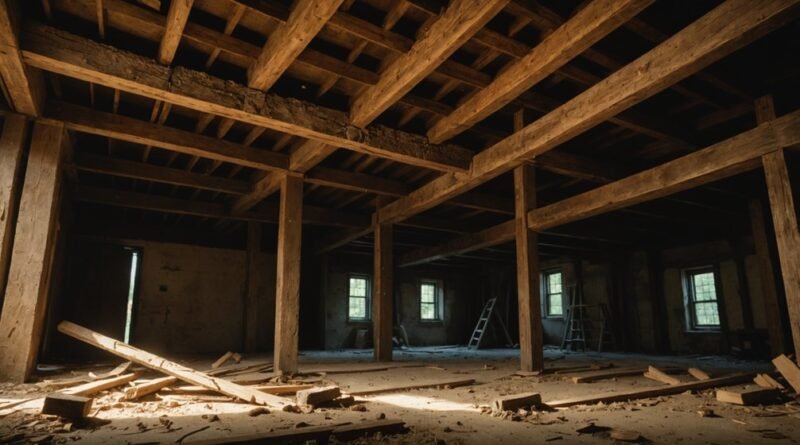
Termite Damage and Home Value: How Infestations Affect Property Appraisals
Termite damage can devastate your home’s value, potentially reducing it by up to 25%. You’ll face multiple financial hurdles beyond just repair costs, including higher insurance premiums, mandatory inspections, and decreased buyer interest. A documented termite history will greatly impact your property‘s appraisal value and marketability. While proper treatment and repairs can help recover value, you’ll need extensive documentation and professional evaluations to restore your home‘s worth. Understanding the full scope of these impacts — including the cost of repairs, how pest control history affects appraisals, and what homeowners can do to protect property value — will help you protect your investment.
Key Takeaways
- Termite infestations can decrease home value by 20–25%, significantly impacting property appraisals and potential buyer offers.
- Clean Wood Destroying Insect reports and documented successful treatments help maintain property values and reassure potential buyers.
- Annual termite inspections cost $300–$800, representing a small investment compared to repair costs ranging from $2,000–$25,000.
- Property appraisers consider termite history during valuation, making disclosure and documentation of treatments crucial for accurate assessments.
- Structural repairs, rather than cosmetic fixes, are essential for restoring property value after termite damage.
- In high-risk regions, termite damage combined with poor condition disclosure can trigger resale risk, lender refusals, and significant price deterioration.
How Much Does Termite Damage Affect Home Value?
The impact of termite damage on home value varies widely depending on the severity, location, and how well it has been treated and documented. Here’s what homeowners and buyers need to know:
| Scenario | Typical Value Impact | Key Factor |
|---|---|---|
| Active infestation, undisclosed | –20 to –25% | Legal liability + repair costs |
| Active infestation, disclosed | –15 to –20% | Buyer negotiation leverage |
| Treated, documented, repaired | –3 to –5% | Quality of documentation |
| Active warranty / termite bond | Near neutral or positive | Transferability + ongoing protection |
| Cosmetic-only fix, no structural repair | –10 to –15% | Inspector discovery + lender refusal |
Even in cases where termite treatment was completed years ago, houses with a documented termite infestation history can still face reduced buyer interest. The average cost of termite damage repairs in the United States hovers around $3,000, but severe cases involving compromised foundations, structural walls, floors, and insulation can push repair costs into the tens of thousands.
The True Cost of Termite Infestations on Property Values
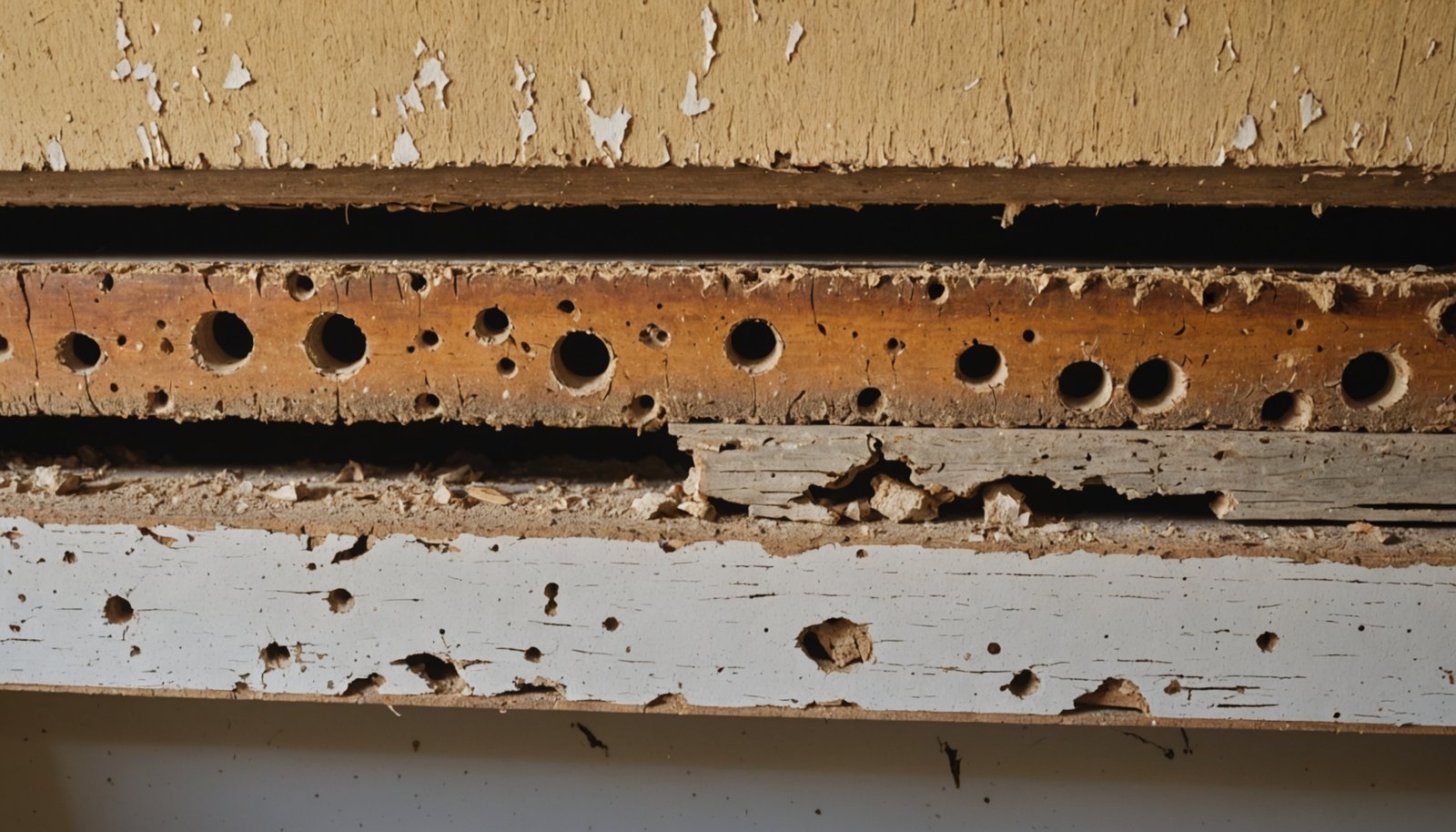
When termites invade your home, they don’t just eat away at the wood — they also consume your property‘s value.
Silent and relentless, termites are nature’s saboteurs, destroying not only your home’s structure but also its financial foundation.
You can expect your home‘s worth to drop by up to 20% due to structural damage from these destructive pests, making it considerably harder to sell at a desirable price. Even if you’ve treated the infestation, potential buyers may still offer less for your property simply because of its termite history. In regions where termites are common, you’ll notice reduced demand and lower market prices overall. With over 600,000 homes affected by termite damage annually in the United States, this widespread issue continues to impact real estate markets significantly.
While some buyers in hot real estate markets might overlook termite issues in prime locations, most will see it as a major red flag — particularly when a home inspector or termite inspector notes visible mud tubes, hollow wood, drywall damage, or signs of past colony activity. If you’re planning to sell, you’ll need to address any termite problems quickly to protect your investment and maintain your home‘s marketability.
Signs of Termite Damage That Directly Affect Home Value
Understanding which signs of termite damage most affect home value helps homeowners prioritize repairs before a listing. A termite inspector or home inspector will look for all of the following, each of which can reduce buyer offers and trigger lender requirements:
- Mud tubes along foundation walls, crawlspaces, and exterior surfaces — the most visible sign of subterranean termite activity
- Hollow-sounding wood in floors, walls, and structural beams — indicates active or past colony feeding inside structural wood
- Damaged or bubbling paint on walls and doors — caused by moisture and termite activity behind drywall
- Sticking doors and windows — warped frames from termite damage and moisture deterioration
- Visible sawdust-like frass near baseboards or windows — indicates drywood termite activity
- Discarded wings near doors, windows, or light sources — a clear sign of recent swarming
- Damaged insulation in crawlspaces or walls — termites tunnel through insulation to reach structural wood
- Cracks in foundation or floors — structural deterioration accelerated by termite damage
Each of these signs discovered during a home inspection or termite inspection can directly reduce the offer price, trigger repair contingencies, or cause lenders to withhold approval until repairs are completed.
Hidden Financial Impacts Beyond Structural Damage
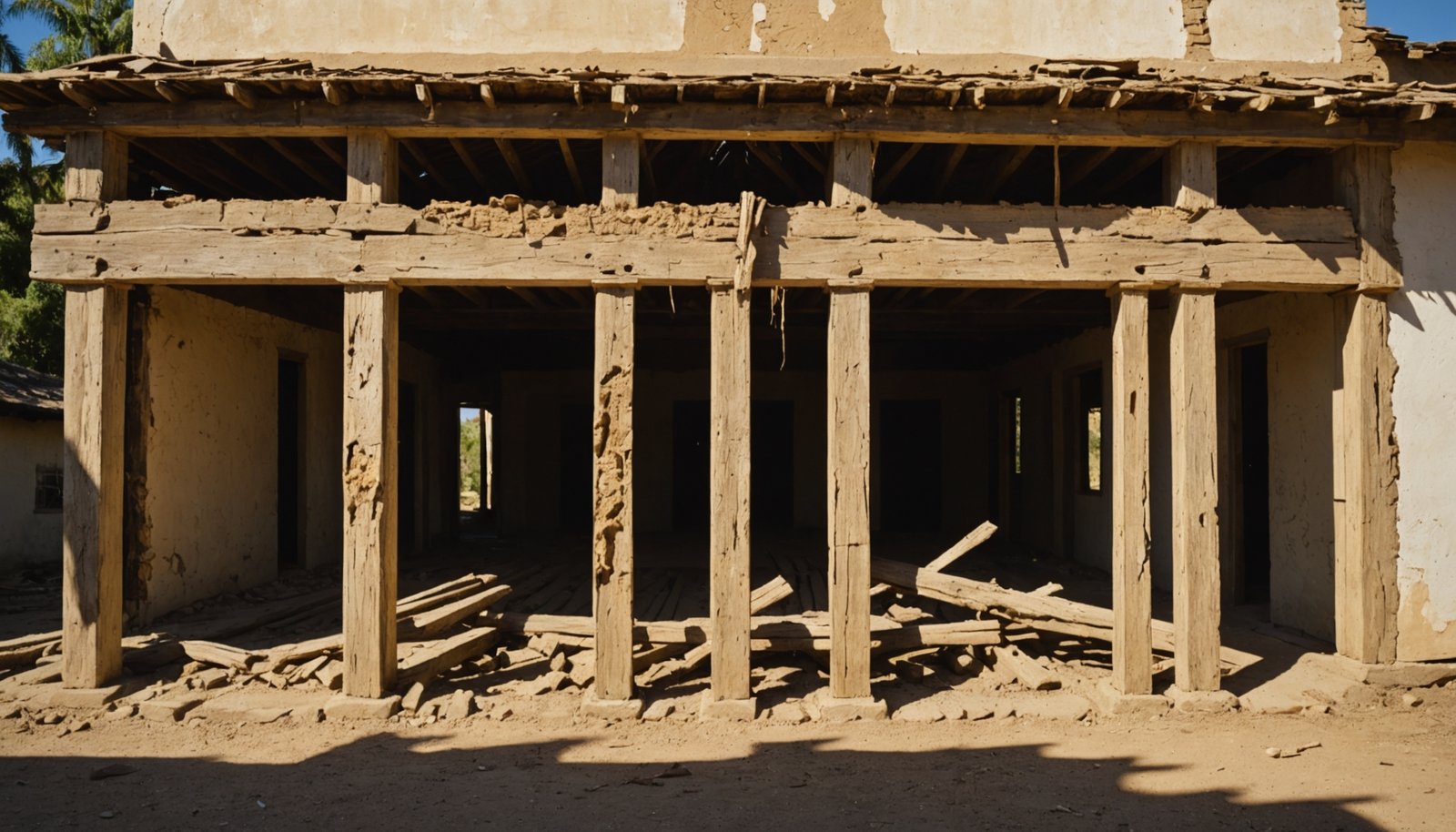
The financial toll of termite damage extends far beyond visible structural repairs. You’ll face increased inspection requirements during sales or refinancing, with more frequent and detailed examinations adding to your transaction costs. Your insurance premiums may rise, and some providers might even limit or exclude termite-related coverage.
When selling your home, you’ll likely encounter buyer resistance and reduced offers due to the property‘s termite history. Studies show infested properties typically see a 20% value decrease. You’ll need to provide extensive documentation of treatments and repairs, while mortgage lenders may impose stricter terms or require additional clearances.
Don’t forget about hidden expenses like permit fees, contractor supervision, and potential temporary relocation costs during repairs. Additional hidden financial impacts homeowners often don’t anticipate include:
- Budget overruns from discovering additional damage during repairs — termite damage in walls, floors, and structural wood often extends further than initially visible
- Higher insurance premiums or denial of coverage in high-risk states once termite history is disclosed
- Reduced buyer pool — many buyers using FHA or VA loans cannot purchase homes with active termite issues or outstanding repair requirements
- Warranty gaps — if you’ve let a termite bond or warranty lapse, establishing new coverage after damage is far more expensive
- Lost rental income for landlords while the property undergoes treatment and reconstruction
Understanding Property Appraisals With Termite History
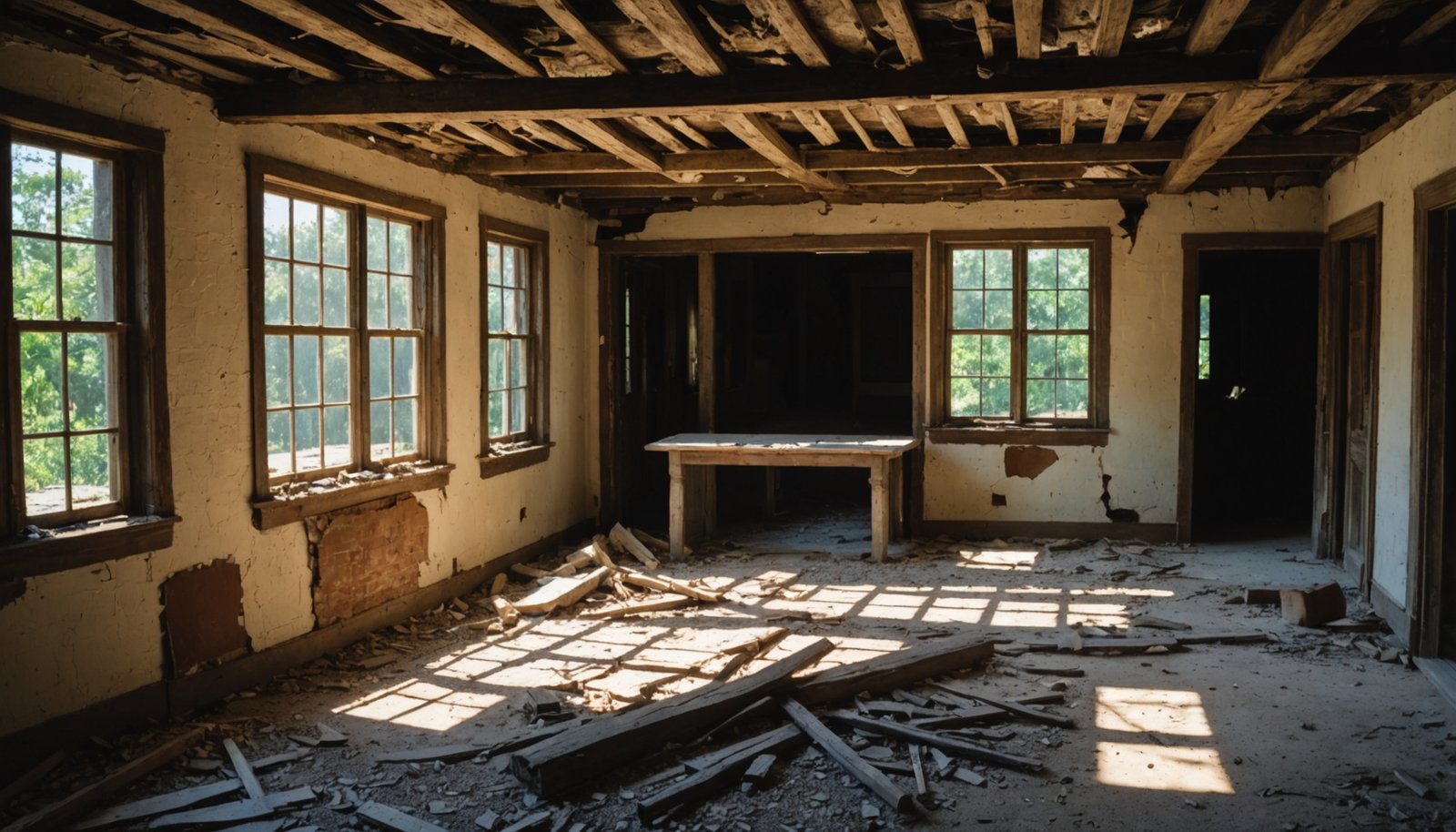
Since property appraisals greatly impact your home‘s market value, understanding how termite history affects these assessments is essential for protecting your investment. If you’ve dealt with termite issues, you’ll need to disclose this history, as it can reduce your appraisal by 20–25% compared to similar homes without infestation records.
You can minimize negative impacts by obtaining a Wood Destroying Insect (WDI) report, which lenders typically require. A clean WDI report or documented successful treatment helps maintain value and reassures buyers. Consider getting a pre-listing inspection to identify and address any issues before appraisal. Having thorough documentation of treatments, repairs, and ongoing protection programs can greatly improve your appraisal outcome. Experienced specialists conduct detailed evaluations that provide comprehensive reports on termite presence and structural damage. In high-demand markets where termites are common, properly addressed infestations may have minimal impact on value — especially when backed by transferable warranty or termite bond documentation.
Prevention Strategies to Protect Home Equity
Protecting your home‘s equity from termite damage requires implementing extensive prevention strategies that combine regular inspections, physical barriers, and proper maintenance.
Schedule annual professional termite inspections to catch early signs of infestation, as undetected termites can cause extensive structural damage exceeding $10,000 in repairs. Prevention costs averaging $300–$800 annually represent a fraction of potential repair expenses.
Early detection through yearly professional termite inspections helps prevent catastrophic termite damage that can devastate your home’s structural integrity and value — a small cost compared to the thousands in repairs and resale impact.
Install termite shields and mesh barriers during construction, while using termite-resistant materials like pressure-treated wood and composite materials in vulnerable areas. Create chemical barriers through soil treatments and borate applications, with retreatment every 5–10 years for ideal protection.
Control moisture by maintaining proper drainage, keeping gutters clean, trimming vegetation away from the house, and ensuring crawl spaces are well-ventilated. Additional prevention steps that directly protect home value include:
- Keeping wood debris, firewood, and mulch away from the foundation — common termite entry conditions
- Sealing cracks in foundation walls, around doors and windows, and utility penetrations
- Fixing leaking water pipes and draining standing water near the house — moisture is a primary termite attractant
- Maintaining active warranty or termite bond coverage — transferable plans are a documented protection asset that supports resale value
- Repainting or re-staining exposed exterior wood surfaces — damaged paint and bare wood are entry points
Legal Requirements and Real Estate Transactions
Legal requirements surrounding termite inspections vary considerably across real estate transactions. In California, state law doesn’t mandate inspections but lenders often do. You’ll need to pay special attention if you’re using an FHA loan, as these typically require termite clearance before approval. While termite inspections aren’t mandatory statewide in all states, they’re essential negotiation points between buyers and sellers.
You’ll want to include inspection contingencies in your purchase contract and determine who’ll cover inspection and repair costs. Remember, sellers must disclose known termite issues in their Transfer Disclosure Statement, even without an inspection. If you’re buying a condo, you’re exempt from termite inspection requirements, but it’s still wise to review any available inspection history through the Structural Pest Control Board. A thorough inspection should examine all areas including the attic and crawl spaces to ensure no signs of infestation are missed.
Key legal and transactional concerns for both parties:
- Sellers who fail to disclose known termite damage face legal liability — even in states without mandatory inspection laws
- Buyers should always request a termite inspection as a contract contingency, giving them an option to negotiate or walk away based on findings
- VA loans in 39 states mandate termite inspection and repair before closing — this step is non-negotiable regardless of the seller‘s preferences
- A clean WDI report from a licensed pest control inspector is the standard proof required by most lenders before approving loans on properties with any termite history
Market Recovery After Termite Treatment and Repairs
After professional termite treatment and repairs, you’ll need to track your home‘s market value recovery over time to understand when it rebounds. You can expect property values to improve markedly once you have thorough documentation of successful treatment and complete repairs, though full recovery may take several market cycles. Your home‘s value rebound will largely depend on the original damage severity, repair quality, and your ability to demonstrate proper remediation through detailed records and follow-up inspections.
Recovery Timeline Post-Treatment
Once termite treatment is complete, your home enters a vital recovery period that affects both its structural integrity and market value. During the first 30 days, you’ll notice stabilization symptoms like creaking sounds or minor door alignment shifts as your home adjusts to the treatment. The following 1–6 months are essential for determining long-term structural stability.
- Your property‘s market recovery typically takes 3–6 months, including repairs, inspections, and buyer negotiations.
- If you choose an “as-is” sale, you’ll move faster (2–8 weeks) but face significant price reductions — this option works best when repair costs would exceed the resale benefit.
- You can expect a 3–5% lower sale price compared to termite-free properties, even after successful treatment — provided the homeowner has thorough documentation.
To maximize your home‘s value recovery, invest in thorough repairs — including replacing structural wood, repairing drywall, and fixing any insulation or moisture damage in crawlspaces and walls. Maintain detailed documentation of treatments and inspections for potential buyers.
Value Rebound After Repairs
The market value of a termite-damaged home can rebound considerably with proper repairs and documentation. While initial value drops typically range from 20–25%, you’ll see significant recovery when you complete thorough structural repairs and obtain proper clearance reports. You’ll need to focus on extensive renovation and restoration, not just cosmetic fixes — structural repairs to foundation, walls, and floors can cost between $2,000 and $25,000, but they’re essential for restoring your home‘s worth and resale potential. Make sure you maintain detailed records of all treatments and repairs, as appraisers and lenders will scrutinize this documentation. Your recovery success depends heavily on obtaining certified WDI reports and professional inspections that confirm the infestation is resolved and structural condition is restored.
Conclusion
You’ll need to act quickly if you discover termites to minimize both structural damage and impact on your home‘s value. While proper treatment and repairs can help recover market value over time, documentation of the infestation may affect future appraisals. Stay proactive with regular termite inspections and prevention measures to protect your property investment. The cost of prevention — including annual inspections, active warranty coverage, and moisture maintenance — is always a fraction of the resale impact and repair costs that follow a serious termite infestation. Be transparent during real estate transactions, maintain thorough documentation as a homeowner, and work with licensed professionals to ensure repairs truly restore your home‘s structural integrity and property value.