What Eats Termites? Natural Predators That Keep Colonies in Check
You’ll find termites on the menu for many predators. Ants are the most relentless, raiding colonies for workers and brood. Birds, bats, lizards, frogs, and small mammals snap up termites, especially during swarms. Ground beetles, assassin bugs, wasps, and termite-specialist spiders ambush exposed termites. Even microscopic fungi and nematodes infect and wipe out colonies from within. These enemies rarely erase an infestation alone, but they constantly pressure and shape termite populations—and there’s more to that story.
Key Takeaways
- Many birds, including woodpeckers, swallows, sparrows, and starlings, eat termites, especially during swarming flights when winged termites are exposed.
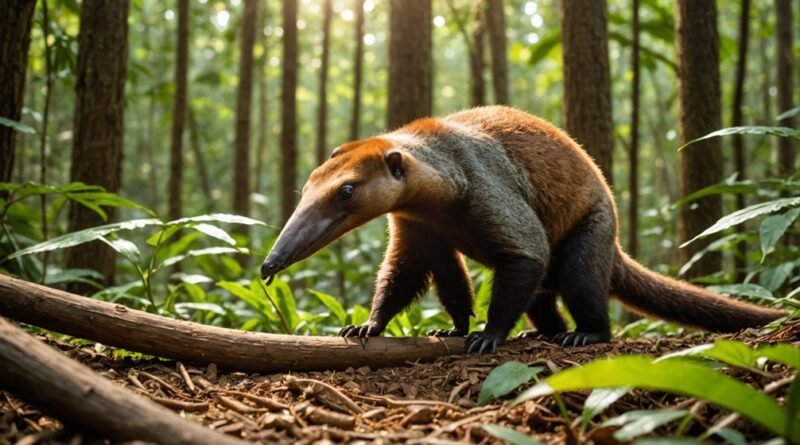
- Mammals such as aardvarks, anteaters, pangolins, armadillos, moles, and raccoons dig into nests and soil to consume large numbers of termites.
- Several lizards, frogs, salamanders, and bats feed on termites, targeting workers on humid nights and winged swarmers in flight.
- Ants are among the most important termite predators, with some species conducting organized raids that kill many termites and disrupt colonies.
- Pathogens like specialized fungi and parasitic nematodes infect and kill termites from within, sometimes causing near-total colony collapse.
What Eats Termites in Nature? Main Predators
Although termites are famous for quietly hollowing out wood, they’re also on the menu for a wide range of hungry animals that help keep their populations in check. You’ll see birds as some of the most visible predators: woodpeckers hammer termite‑rich wood, while swallows, sparrows, and many other birds snap up swarming alates in midair when defenses are weakest. Owls may also include termites in their diet, especially among smaller species that focus heavily on insects.
Mammals play a huge role too. Aardvarks, anteaters, and pangolins specialize in breaking into mounds and soil nests, then licking up termites with long, sticky tongues. Bats intercept winged swarmers, and mammals like monkeys, armadillos, echidnas, and numbats feed on termites where they’re abundant.
Reptiles and amphibians add more pressure. Lizards, geckos, skinks, snakes, frogs, toads, and salamanders grab surface workers and dispersing alates.
Finally, spiders, centipedes, assassin bugs, wasps, predatory beetles, and nematodes attack termites in soil, wood, and underground galleries.
Ant Termite Predators That Raid Colonies
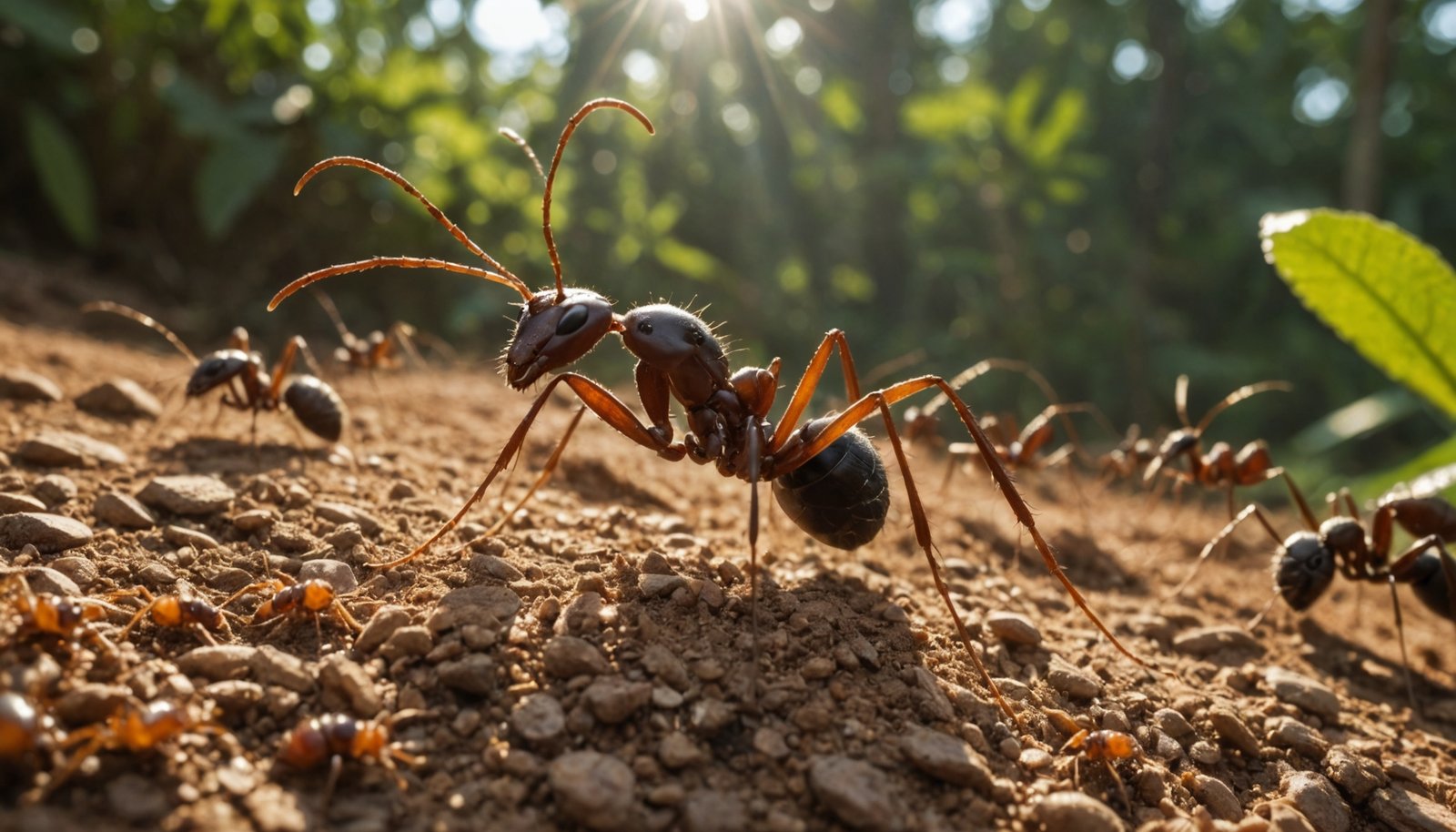
You’ll find that some of the most aggressive termite predators are specialized ant species that mount large, coordinated raids on entire colonies. As you look at ants like *Megaponera analis*, you can see how scouts locate termite nests, lay chemical trails, and quickly recruit hundreds of workers for an assault. Understanding how these ants organize their attacks helps you see why they can overwhelm termite defenses and sometimes wipe out whole colonies. In many tropical ecosystems, termites themselves act as crucial decomposers of wood, so ant predation on their colonies indirectly influences how fast dead plant material is broken down and recycled.
Aggressive Ant Species
While termites quietly consume wood out of sight, aggressive ant species actively hunt them down and raid their colonies with military-like precision. In many ecosystems, you can think of ants as the primary natural enemies keeping termite numbers in check, especially in tropical regions where both groups thrive. However, even though ants are significant natural predators of termites in the wild, this relationship does not translate into reliable control of termite infestations inside human structures.
Some ants specialize almost entirely in termite prey. Species like *Megaponera analis* in sub‑Saharan Africa and *Pachycondyla analis* focus on termites as their main food, repeatedly attacking the same colonies. Others are aggressive generalists, such as *Camponotus*, *Leptogenys*, or *Aphaenogaster rudis*, seizing any termite encounters in shared habitats.
| Aggressive Ant Type | Termite Relationship |
|---|---|
| *Megaponera analis* | Strict termite specialist |
| *Pachycondyla analis* | Targets Macrotermitinae termites |
| Other raiding genera | Broad, often termite-focused predation |
| Generalist predators | Opportunistic attacks on overlapping nests |
| Overall impact | Major global check on termite populations |
How Ants Raid
Ant raids on termite colonies unfold like fast, coordinated military strikes rather than random encounters. You’re seeing scouts locate active termite foraging sites or nest openings, then hurry back, laying chemical trails that recruit nestmates.
A few workers leave first, followed by a growing column of 200–500 ants, all aligned on the same scent path and often timed to hit when termites are exposed. Larger soldiers break open soil coverings and sealed galleries, giving smaller workers access to hidden termites.
Once inside, ants sting, kill, and drag out paralyzed prey, piling them near entrances before forming a return column. Some species specialize almost entirely on termites, launching repeated raids that steadily weaken, and sometimes destroy, local colonies.
Insect Hunters That Pick Off Exposed Termites
Although termites spend most of their lives hidden inside wood and soil, a surprising range of insect hunters is ready to strike the moment they venture into the open. Ants are the main threat; generalist species quickly grab workers breaking through mud tubes or gathering at swarm sites, while raiding ants, including fire ants and African driver ants, can overwhelm whole clusters with stingers and powerful mandibles.
You’ll also see ground beetles and rove beetles taking advantage of exposed termites in leaf litter, soil, and disturbed wood. Black and violet ground beetles, along with staphylinids, patrol surfaces and seize any wandering workers. Just as choosing high-protein snacks can help pregnant individuals manage morning sickness, protein-rich termites provide an efficient meal for many of these predators.
Assassin bugs spear soft-bodied termites with piercing mouthparts, especially during foraging or swarms. Wasps and flies intercept winged reproductives in the air, turning brief swarm events into feeding opportunities.
Other generalist hunters—praying mantises, dragonflies, damselflies, even crickets and ladybugs—add to this constant surface pressure.
Spiders That Specialize in Termite Ambush
Hidden just beneath the surface, a small guild of spiders has evolved to hunt termites with surgical precision rather than casual opportunism. You’re not dealing with generalist web-builders here, but with termite specialists that key in on colonies like living scalpels. Families such as Ammoxenidae, Zodariidae (*Diores*), Salticidae (e.g., *Microheros termitophagus*, *Mashonarus guttatus*), and some Theridiidae members focus heavily—or even exclusively—on termite prey. While these specialists are highly efficient, they are unlikely to completely eliminate a large termite infestation on their own.
| Termite-specialist spiders | Notable tactic or target |
|---|---|
| Ammoxenidae “sand-divers” | Monophagous hunters of Hodotermes mossambicus |
| *Diores* (Zodariidae) | Termites die after brief contact, then consumed |
| African Salticidae | Attack termites in or beside active mounds |
You’ll often find these spiders buried in sand or soil beside foraging trails. An *Ammoxenus* may erupt from below, seize a harvester termite, bite, then immediately dig back in, dragging its victim underground before defenders can react.
Birds That Gorge on Swarming Termites
Every rainy season, when winged termites pour into the air, birds converge on the swarms like a moving net. You’ll see swallows, swifts, purple martins, and starlings rush in, snapping up the soft, slow-flying alates.
Because swarming events are brief and unpredictable, these birds don’t rely on termites all year; they treat each flight as a short-lived protein windfall, especially during breeding season when their energy needs spike.
You’ll also find woodpeckers attacking termites at the source. They probe bark, dead trees, and exposed galleries, ripping into termite-rich wood that can attract several bird species at once.
Other insect-eating birds quickly switch to termites whenever a colony or swarm becomes accessible.
This intense, opportunistic feeding has real consequences. By devouring vast numbers of reproductive alates, birds dramatically cut dispersal success and block many would-be queens and kings from founding new colonies.
Reptiles and Amphibians That Feed on Termites
From sun-warmed rocks to soggy forest floors, a wide range of reptiles and amphibians quietly pick off termites wherever they find them.
You’ll see fence lizards, anoles, geckos, skinks, and even frill-necked and monitor lizards snatching termites during swarms, around disturbed soil, or at exposed mounds. For most lizards, termites are one item in a varied insect menu, not a sole food source.
Frogs and toads also cash in, especially on humid nights. American and southern toads, green tree frogs, and poison dart frogs grab winged termites in midair with sticky tongues or pick them off wet ground after rain triggers a surge in activity.
In the leaf litter, salamanders and newts take termites they encounter under rotting logs and in soil cracks.
Below all that, blind snakes and worm snakes probe termite galleries, eating workers and eggs inside hidden colony tunnels.
Mammals Built to Break Into Termite Nests
While reptiles and amphibians grab termites wherever they can find them, some mammals are built to tear straight into the heart of a colony. Aardvarks in Africa specialize in raiding hard-packed mounds at night, using powerful claws to open the surface and a long, sticky tongue to sweep termites from deep tunnels.
In the Americas, anteaters fill a similar role. Giant anteaters crack open mounds with massive forelimbs, then dart their tongues in and out to capture thousands of termites in minutes.
Pangolins, armored in scales, rely almost entirely on ants and termites, ripping into mounds or decayed wood under cover of darkness.
You’ll also find more generalist diggers joining in. Nine-banded armadillos tear into rotting logs or shallow nests, while moles, shrews, raccoons, skunks, opossums, foxes, bears, chimpanzees, and even echidnas break into termite-rich soil or wood whenever they find it.
Fungi and Nematodes That Attack Termite Colonies
You’ll find that some of the most effective termite enemies are microscopic, especially termite-killing fungi that spread silently from one worker to the next.
As you look beyond mammals and other visible predators, you’ll see fungi like Metarhizium and Beauveria infect colonies from the inside out.
Alongside them, parasitic nematode invaders such as Steinernema and Heterorhabditis species penetrate termite bodies and can wipe out entire groups under the right conditions.
Termite-Killing Fungi
Silent but deadly allies, certain fungi and microscopic nematodes naturally invade and kill termite colonies from the inside out. When you use entomopathogenic fungi like Metarhizium, Beauveria, and Isaria/Paecilomyces fumosoroseus, their spores stick to termite cuticles, germinate, and send hyphae through the body wall.
The fungus then spreads internally, often killing workers in a few days and sometimes wiping out whole colonies within months.
– Key termite-killing fungi:
Metarhizium anisopliae, Beauveria bassiana, Isaria (Paecilomyces) fumosorosea
– Documented impacts:
Up to 100% mortality in lab tests; 72.5%–100% death in Formosan subterranean termites at high spore doses
– Field use considerations:
Direct nest treatments, especially nursery zones, work best; success depends on species, strain, and environment
Parasitic Nematode Invaders
You’ll also see fungi like *Beauveria bassiana* and *Metarhizium anisopliae* joining the attack, especially in humid soils.
In lab dishes, mortality can reach 100%, but in real colonies termites often dodge pockets of infection, so impacts are intense yet patchy.
How Predator Pressure Shapes Termite Behavior
As predators probe and attack their nests and foraging trails, termites adjust nearly every aspect of their behavior—from how they share information to how they move, feed, and defend.
Under threat, a single alarm signal can ripple through the colony, speeding up movement, redirecting traffic, and pulling workers and soldiers toward—or away from—the disturbance. You’re seeing an early-warning network that favors fast, colony-wide decisions over isolated reactions.
One alarm can rewire the entire colony, triggering rapid, unified shifts in movement, roles, and direction
Predator pressure also reshapes how termites search for food. When risk rises, they’ll abandon patches sooner, leave more uneaten material, or instantly quit a site after an attack, depending on habitat. That risk-sensitive foraging keeps the colony fed without inviting disaster.
You’d also notice termites ramp up patrols and concentrate soldiers around breaches and entrances. They avoid predator cues and vibrations, while construction and specialized soldiers turn the colony into a living fortress.
- Alarm and colony mobilization
- Risk-sensitive foraging shifts
- Patrols, avoidance, and structural defense
Can Natural Predators Control Termites Effectively?
When you ask whether natural predators can control termites, you’ve got to weigh their clear limits against the real benefits they still provide.
You’ll see that predators can help most where termites are exposed or just starting new colonies, but they struggle to reach and eliminate established subterranean nests.
To use predators effectively, you need to treat them as one tool within an integrated termite management plan, not as a stand‑alone solution.
Limits Of Predator Control
Although a wide variety of animals and microbes feed on termites, natural predators rarely control them effectively enough to solve a real infestation. Subterranean termites protect themselves in deep, hidden nests and branching galleries, so predators usually hit only workers at the surface or swarming alates, not the core colony.
Even heavy attacks leave protected nest chambers intact. You’ll see predators shape termite behavior and numbers around feeding sites, but their impact stays local. Ants may clear termites from soil surfaces, and birds or lizards grab exposed workers, yet mature colonies usually rebound.
- Underground nests shield most termites from sustained predator pressure
- Predators reduce activity at specific sites, not whole colonies
- Biological agents show uneven, unreliable results in real structures
When Predators Help
Even if predators can’t wipe out an established colony on their own, they still play a real role in keeping termites in check. You see this most clearly with ants, which are the main natural enemy in many habitats. When termites forage or build tubes in exposed spots, ant raids can kill large numbers and sharply cut local activity.
Predators help most when termites come into the open. Swarming winged termites are especially vulnerable to birds, spiders, lizards, and frogs, which can snatch them before they start new colonies.
Nematodes and other biological enemies can also reduce infestations when conditions favor contact. Overall, you should think of predators as steady population pressure that lowers termite numbers and disrupts new colony success, not as guaranteed exterminators.
Role In Integrated Management
In integrated termite management, natural predators play a supporting role rather than acting as a cure-all. You can treat ants, birds, lizards, and other predators as background pressure that chips away at exposed termites, especially swarming alates and surface foragers.
They help keep populations lower, but they don’t reach protected subterranean nests or modular colonies effectively.
In practice, you’d fold biological control into a broader IPM plan:
- Combine monitoring, moisture control, wood-to-soil separation, and targeted baits or termiticides with any predator benefits.
- Encourage predator-friendly landscapes outdoors, but don’t expect them to clear termites from structures.
- Rely on professional inspections and control tools for established infestations; use predators mainly as preventive, supplementary support.
Conclusion
You’ve seen how many creatures rely on termites for food, from ants and spiders to mammals, birds, fungi, and nematodes. All of them help keep termite populations in check and shape how termites build, hide, and swarm. Still, you can’t count on natural predators alone to protect your home. Understanding this hidden food web helps you appreciate termites’ role in nature—and know when you need targeted control to keep them outside.