Signs of Termites in Walls: How to Spot an Infestation Before It Gets Worse
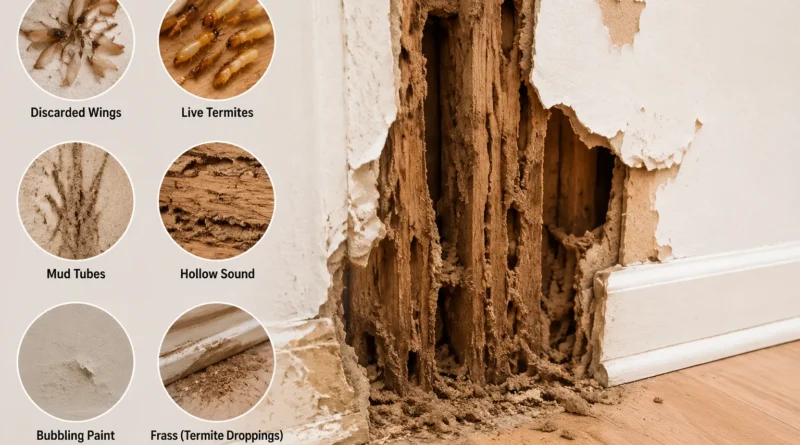
Termites can silently destroy the walls of your home for months or even years before you notice anything unusual. The most common signs of termites in walls include hollow-sounding wood, mud tubes, peeling paint that resembles water damage, small piles of frass (termite droppings), and unexplained cracks in drywall. Spotting these early warning signs can save you thousands of dollars in structural repairs.
Why Termites Target Walls
Walls offer termites everything they need: wood framing, moisture, and darkness. Subterranean termites are the most destructive species and they travel through mud tubes to reach the wooden structure inside your walls. Drywood termites, on the other hand, infest wood directly and never need contact with soil.
Understanding which type is attacking your walls matters because it determines how the infestation spreads and what treatment method works best. Both types are capable of causing serious structural damage if left unchecked.
Hollow-Sounding Wood
One of the earliest and most reliable signs of termite activity inside walls is the hollow sound you get when you tap the surface. Termites eat wood from the inside out, leaving only a thin outer shell. When you knock on a wall and it sounds papery or empty rather than solid, that is a strong indicator that something has been consuming the wood behind it.
Run your knuckles across baseboards, door frames, and wall panels. A solid thud means the wood is intact. A dull or hollow echo suggests termite damage. This simple test costs nothing and can be done during a routine home inspection.
Mud Tubes on Walls
Subterranean termites build mud tubes to travel between their underground colony and their food source. These pencil-width tunnels are made from soil, wood particles, and termite saliva. You will typically find them running vertically along the base of walls, along foundation lines, or inside crawl spaces.
Mud tubes are one of the clearest physical signs of termites in walls and surrounding structures. If you break a section of a mud tube and return a few days later to find it repaired, the colony is still active. Finding tubes that are empty and dry can mean the termites have moved deeper into the structure, which is actually more concerning because it suggests the infestation has progressed.
Peeling or Bubbling Paint
Many homeowners mistake termite damage for water damage because the visual symptoms look nearly identical. Peeling, bubbling, or warped paint on interior walls can result from the moisture termites introduce as they tunnel through wood and drywall.
Why Termites Cause Paint to Bubble
As subterranean termites tunnel inside wall cavities, they carry moisture with them. This moisture gets trapped behind paint and drywall surfaces, causing them to warp and peel. The paint may look blistered even in areas of your home that have no plumbing and no history of leaks.
How to Tell the Difference
The key distinction is location. Water damage tends to occur near pipes, windows, or roof lines. Termite-related paint damage can appear anywhere, particularly on lower sections of walls near the floor where subterranean termites first enter from the ground.
Frass and Termite Droppings
Drywood termites push their droppings, called frass, out of small holes in the wood they are infesting. Frass looks like tiny pellets or sawdust and is usually found directly below the infestation site. It is often mistaken for sand or coffee grounds.
If you notice small piles of granular material near your baseboards, window frames, or door frames, examine them closely. Termite frass pellets are typically six-sided and uniform in shape. This consistency distinguishes frass from ordinary sawdust or construction debris.
Cracks in Drywall and Plaster
Unexplained cracks appearing in your drywall or plaster, particularly around door frames and windows, can signal that termites have compromised the wood structure underneath. As termites hollow out wooden wall studs and frames, the structural support weakens and the surface materials shift or crack.
Surface Cracks vs Structural Cracks
Not all wall cracks indicate termite damage. Hairline cracks from settling are normal in older homes. However, cracks that appear suddenly, grow quickly, or are accompanied by other signs like hollow wood or frass should be investigated seriously.
Where to Look First
Focus your inspection on corners, door frames, window surrounds, and the junctions where walls meet floors or ceilings. These are high-pressure points where stress from compromised framing becomes visible first.
Tight-Fitting Doors and Windows
Termites produce moisture as they move through wood, and this moisture can cause wooden door frames and window frames to warp. If doors or windows that previously opened smoothly suddenly become stiff or hard to close, it may not be humidity causing the problem.
This is a particularly easy symptom to overlook because most people assume it is a seasonal issue related to weather changes. If the tightness persists beyond a season or is accompanied by other warning signs, schedule a professional termite inspection.
Swarmers and Discarded Wings
Termite swarmers are the reproductive members of a colony that fly out to establish new colonies. If you see small, winged insects near your windows, light sources, or vents, or if you find piles of tiny discarded wings near baseboards or window sills, a colony may be active in or near your walls.
Swarmers themselves do not cause structural damage, but their presence is a clear signal that a mature colony is nearby. Ants also swarm, so compare the wings carefully. Termite swarmers have equal-length wings and straight antennae, while flying ants have pinched waists and unequal wing lengths.
Sagging Floors and Ceilings
In advanced infestations, the structural damage extends beyond walls to the floors and ceilings they support. Floors that feel spongy underfoot or ceilings that look slightly warped or sunken can indicate that the wooden framework has been significantly compromised.
At this stage, the infestation has likely been ongoing for one to several years. Immediate professional intervention is critical, not only for pest control but also for structural assessment and repair.
What to Do If You Find These Signs
Finding potential signs of termites in your walls is alarming, but acting quickly limits the damage. Here is a practical approach to take:
- Do not disturb the area or break open mud tubes extensively, as this can scatter termites deeper into the structure.
- Document the signs with photographs and note where each was found.
- Contact a licensed pest control professional for a thorough inspection.
- Ask for a written inspection report that identifies the termite species, the extent of infestation, and treatment options.
- Get at least two quotes if significant treatment or structural repairs are recommended.
Professional inspectors use tools like moisture meters, thermal imaging, and acoustic detection devices to locate termite activity inside walls without tearing them open unnecessarily.
Preventing Future Termite Problems
Once your home is treated, prevention becomes the priority. Termites are drawn to moisture and wood-to-soil contact, so eliminating those conditions significantly reduces your risk.
Keep wood piles, mulch, and garden debris away from the exterior walls of your home. Fix leaky faucets, gutters, and drainage issues promptly. Ensure crawl spaces are properly ventilated. Consider annual termite inspections, particularly if you live in a warm or humid climate where termite activity is high year-round.
A proactive approach, combined with knowing the warning signs, gives you the best chance of catching an infestation before it causes serious structural damage to your home.