
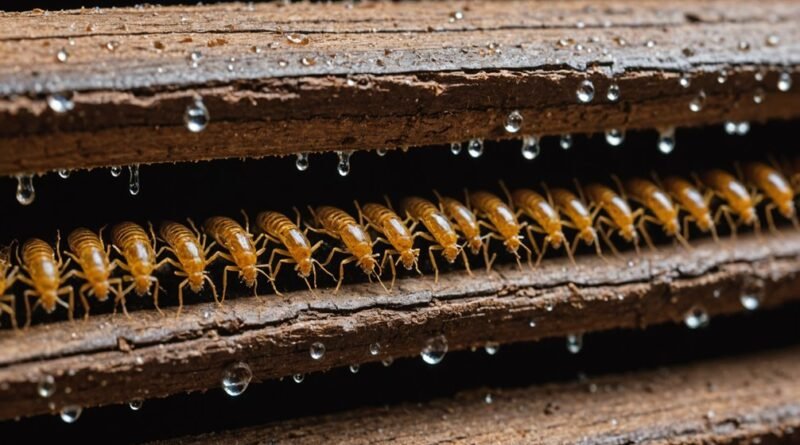
Does Vinegar Kill Termites? What Actually Works
Vinegar, a common household staple, can kill termites, but only the ones you directly spray. The acetic acid in vinegar is acidic enough to corrode termites’ exoskeletons, causing rapid dehydration and death within minutes. However, it won’t reach hidden colonies, tunnels, or the queen, so it’s only useful for minor surface activity. White vinegar works better than apple cider vinegar for this purpose. Keep scrolling to find out what actually works for serious termite problems.
Key Takeaways
- Vinegar kills termites on direct contact, as acetic acid corrodes their exoskeletons, causing rapid dehydration and death within minutes.
- White vinegar is more effective than apple cider vinegar due to its higher acetic acid concentration.
- A 1:1 vinegar-to-water spray works well; adding lemon juice or dish soap can enhance its effectiveness.
- Vinegar only kills termites it directly contacts, leaving hidden colonies, tunnels, and the reproducing queen completely unaffected.
- Vinegar is best used for minor, localized surface activity and is not a comprehensive termite control solution.
Does Vinegar Actually Kill Termites?
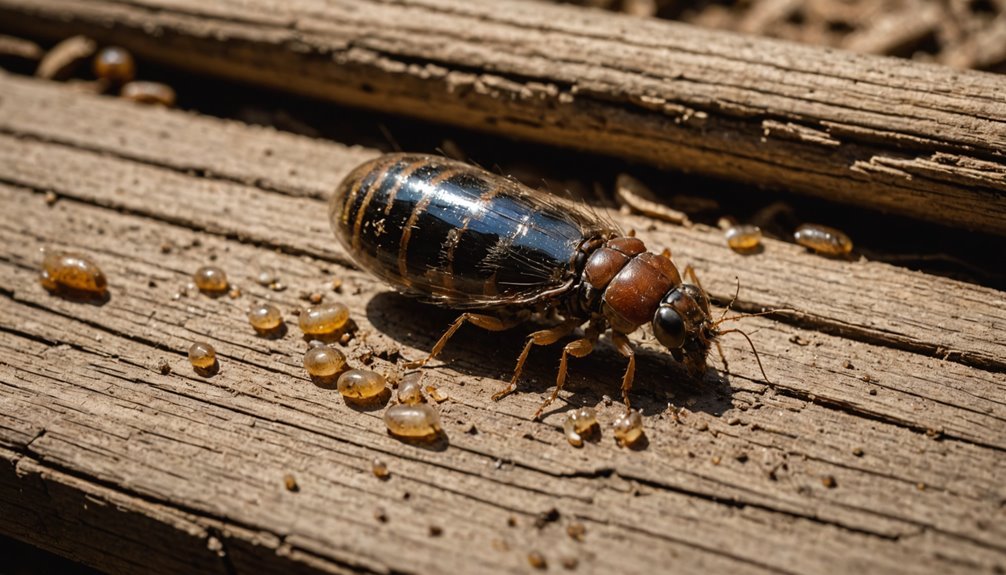
Vinegar can kill termites it directly contacts, but that’s where its effectiveness ends. The active component, acetic acid, can eliminate termites you physically reach with a spray, but it won’t touch the thousands hiding inside walls, soil, or wood galleries.
Vinegar is one of the most common home remedies homeowners try before calling in professionals, but scientific support for it as a real termite control method is limited, and no strong peer-reviewed evidence confirms it can eliminate an entire colony. Subterranean colonies can hold up to a million members, making any surface-only treatment inadequate.
You might notice less visible activity after repeated spraying, but that doesn’t mean the colony is gone. At best, vinegar works as a contact killer for minor, localized surface activity, nothing more. It’s a popular organic, non-toxic alternative to chemical termiticides, but it’s not a standalone solution for any serious infestation. For reliable results, complementary treatment methods are recommended alongside any natural remedy to address the full scope of an infestation.
How Vinegar Kills Termites on Contact
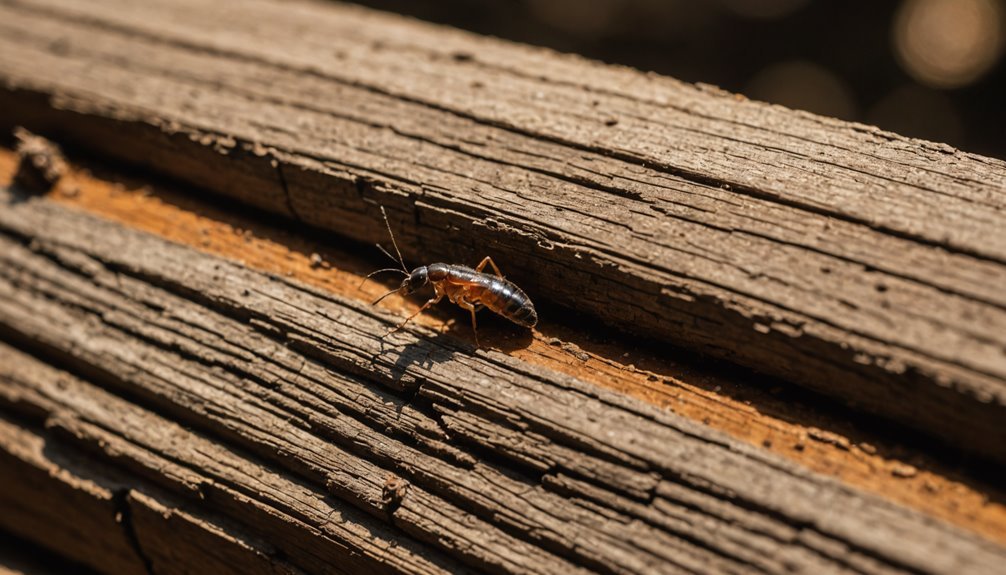
When vinegar contacts a termite directly, acetic acid attacks and corrodes its exoskeleton, stripping away the protective outer layer that keeps moisture in.
Once that layer breaks down, the termite dehydrates rapidly and can die within minutes, depending on how concentrated your mixture is.
You’ll see the best results when you spray directly onto visible termites, mud tubes, entrance holes, or damaged wood.
A 1:1 vinegar-to-water mix works for general spraying, though concentrated vinegar performs better.
Adding lemon juice or dish soap may improve contact effectiveness. Lemon juice contains D-limonene, which enhances the overall effectiveness of vinegar against termites.
Keep in mind that this only kills termites you actually hit.
Hidden workers deep inside walls, soil, or wood galleries won’t be affected, so you’ll need to reapply repeatedly to maintain any impact.
White Vinegar vs. Apple Cider Vinegar for Termites

Not all vinegars work equally well, so if you’re choosing between white vinegar and apple cider vinegar, white vinegar is the stronger pick.
It contains more acetic acid, which gives it a greater ability to kill termites on direct contact. Apple cider vinegar can still affect termites when it touches them, but it’s generally considered a weaker option and appears more often in broad natural pest control discussions than in termite-specific guidance.
The difference comes down to acid strength, not any termite-specific ingredient unique to either type.
If you’re treating visible termite activity or infested wood, white vinegar is what most DIY termite guides recommend.
Apple cider vinegar isn’t useless, but white vinegar gives you a more potent contact treatment. With white vinegar, you also benefit from less frequent spraying being needed to maintain effective results.
How to Make a Vinegar Spray for Termites
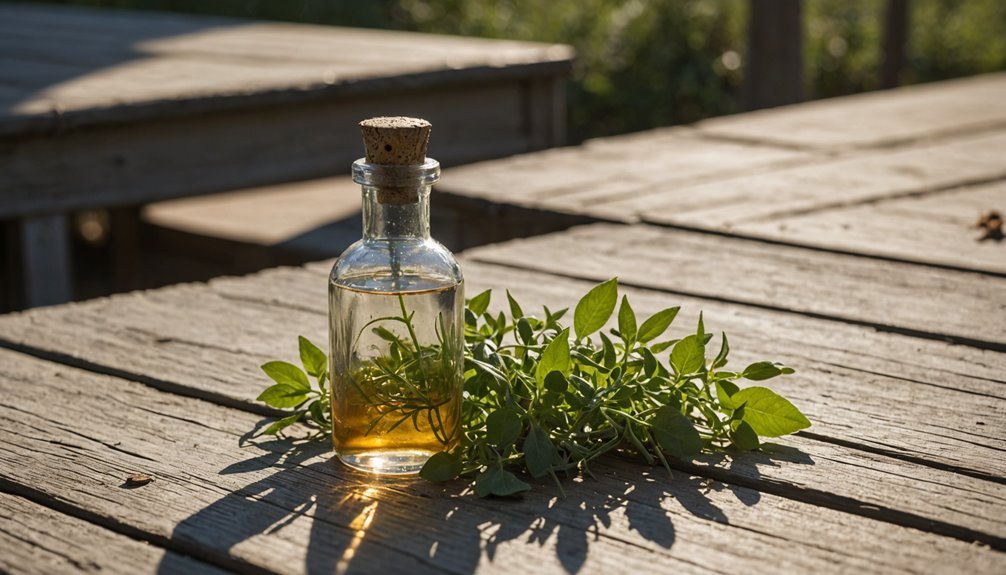
Making a vinegar termite spray takes only a few kitchen staples and a spray bottle. You’ve got few reliable formulas to choose from depending on how concentrated you want the solution.
| Formula | Ingredients |
|---|---|
| Basic Diluted Spray | 1 part white vinegar, 1 part water |
| Lemon-Boosted Spray | ½ cup vinegar, juice of 2 lemons |
| Equal Parts Spray | 1 part white vinegar, 1 part lemon juice |
| With Essential Oils | Vinegar-water base, add eucalyptus or peppermint |
| Standard Container | Clean spray bottle for all formulas |
Once you’ve mixed your chosen formula, pour it into a spray bottle and shake well before each use. Apply it directly to visible termites, mud tubes, entrance holes, and affected wood. Repeat two to three times daily for best results. White distilled vinegar is the most effective option because it contains 5-8% acetic acid, which kills termites on contact.
Where to Spray Vinegar on Termites
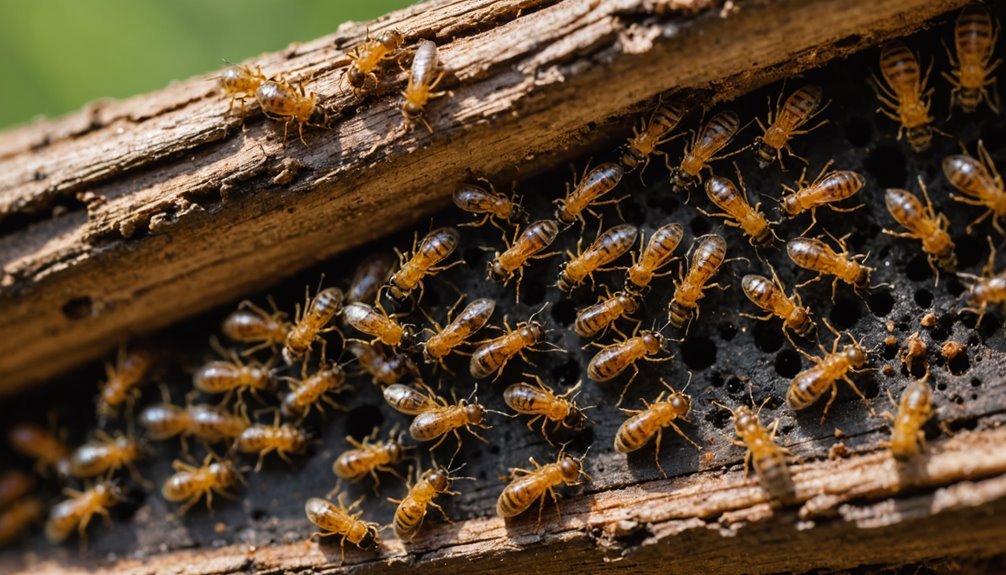
Once your vinegar spray is mixed and ready, knowing where to apply it makes all the difference. Focus on spots where you see clear signs of a termite infestation, since the spray only works through physical contact and protecting the rest of your property requires more than surface treatment.
Target surface clusters, entry holes, kick-out holes, gallery openings, and mud tubes where termites are actively moving or emerging.
For wooden structures, furniture, or exterior surfaces, spray only infested areas showing visible activity. If you’re treating outdoors, wood piles, garden fences, and building entry points are reasonable targets.
Don’t waste spray on walls, hidden voids, or broad yard areas. Those zones stay untouched regardless of how much you apply.
Reapply only when you spot new live insects, keeping every application small and precisely targeted. Keep in mind that subterranean termites live underground, making them virtually impossible to reach with any surface vinegar application.
Why Vinegar Can’t Kill the Whole Colony
Even if vinegar kills the termites you can see, it won’t touch the colony driving the infestation. The queen stays hidden deep inside tunnels, continuing to reproduce while you’re spraying the surface. Vinegar dries quickly, doesn’t transfer between termites, and can’t penetrate wood or soil deep enough to matter.
| Limitation | Why It Matters |
|---|---|
| Contact-only effect | Only kills termites you directly spray |
| Colony stays hidden | Tunnels and galleries block spray reach |
| Queen remains untouched | Reproduction continues uninterrupted |
| No transferable action | Doesn’t spread through the colony |
| Short-lived potency | Stops working once the spray dries |
Killing visible termites may push the colony to relocate rather than eliminate it. Real control requires reaching the reproductive center.
Termite Treatments That Work When Vinegar Falls Short
When vinegar falls short, you need treatments that actually reach the colony. If you’d rather try something that repels termites instead of killing them on contact, see our guide to essential oils that repel termites. Borate sprays mixed with water and applied to exposed wood or wall voids can kill termites in reachable areas, making them a solid option for localized protection.
They won’t eliminate a hidden colony, but they’re far more effective than surface sprays.
For complete colony elimination across drywood, subterranean, or other termite species, you’ll want a licensed termite company. Professionals use structural treatment methods, including whole-house fumigation, designed to reach hidden nests and galleries, not just visible insects. If you’re weighing that option, see our breakdown of termite fumigation cost by home size.
The EPA recommends verifying the applicator’s license before any service is performed.
You should also reduce moisture around your foundation, fix leaks promptly, and seal cracks in cement with grout or caulk as part of a broader prevention strategy. Termites thrive in damp environments, so these steps make your home less attractive to termites and harder for them to enter.
Frequently Asked Questions
Can Vinegar Damage Wood Surfaces When Used as a Termite Spray?
Yes, vinegar can damage your wood surfaces when you use it as a termite spray. It’ll strip protective finishes, cause discoloration, and leave wood vulnerable to staining, so you should always dilute it before applying.
Is Vinegar Safe to Use Around Pets and Children Indoors?
Vinegar’s generally safe around pets and children indoors, but you’ll want to dilute it, ventilate the area, and keep pets out while spraying. Let surfaces dry fully before allowing contact to resume.
How Long Does Vinegar Smell Last After Spraying for Termites?
After spraying vinegar for termites, you’ll typically notice the smell fading within 15 minutes to 2 hours. With open windows and fans running, it’ll usually clear up within 30 minutes.
Can Vinegar Prevent Termites From Returning After Treatment?
Vinegar can’t prevent termites from returning because it leaves no residual effect once it dries. It doesn’t create a protective barrier, so surviving termites can quickly reinfest your home without ongoing professional treatment.
Does Temperature or Humidity Affect How Well Vinegar Kills Termites?
Temperature and humidity don’t greatly boost vinegar’s effectiveness against termites. Since it’s a contact-only killer, warmer temps may increase termite movement, raising exposure chances, but no strong evidence confirms either factor meaningfully improves vinegar’s performance.
Conclusion
Vinegar can kill termites on contact, but it won’t solve your infestation problem. You’re only treating what you can see, while thousands of termites keep working unseen inside your walls. If you’ve spotted termite activity, don’t rely on vinegar alone. You’ll need professional treatments like bait systems or liquid termiticides to eliminate the whole colony. Think of vinegar as a temporary measure, not a real solution.

Pingback: Does Bleach Kill Termites? What Actually Works