Does Pressure Treated Wood Prevent Termites
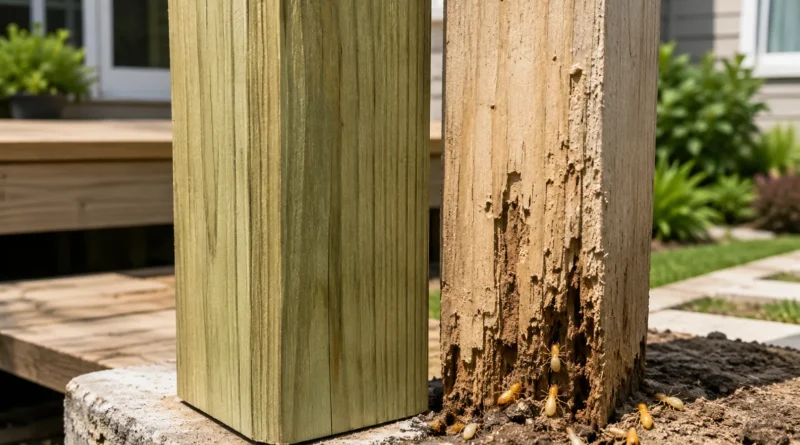
Pressure treated wood does offer significant resistance to termites, but it does not make wood completely termite-proof. The chemical preservatives forced deep into the wood during treatment make it far less appealing and far more toxic to termites than untreated timber. However, the level of protection depends on the type of treatment used, how old the wood is, and the conditions it is exposed to over time. Understanding what pressure treatment can and cannot do helps you make smarter decisions when building or renovating.
What Is Pressure Treated Wood
Pressure treated wood is timber that has been placed inside a sealed chamber where preservative chemicals are forced deep into the wood fibers under high pressure. This process goes far beyond a surface coating, driving the protective compounds into the core of the wood so they cannot be easily washed away or worn off.
The most widely used preservative today is alkaline copper quaternary, commonly known as ACQ. Older treatments used chromated copper arsenate, or CCA, which was phased out of residential use due to arsenic concerns. Both types work by making the wood toxic or unpalatable to termites, fungi, and other wood-destroying organisms.
How Pressure Treated Wood Resists Termites
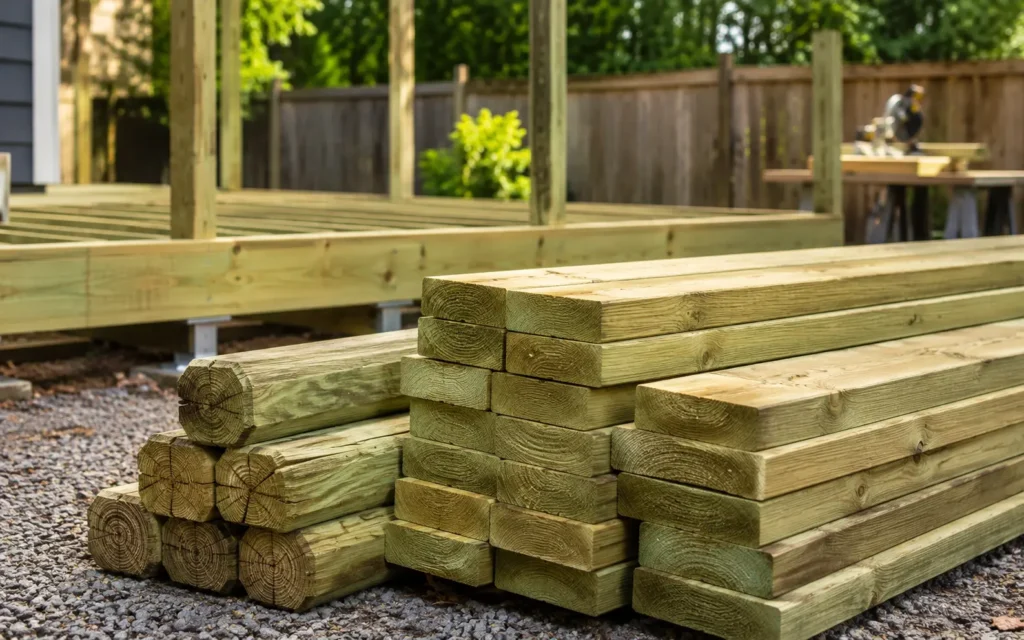
The copper compounds in pressure treated wood are the primary defense against termites. Copper is naturally toxic to termites and disrupts their biology at the cellular level. When termites attempt to feed on treated timber, the copper damages their digestive system and acts as a powerful deterrent. Most termite species will avoid pressure treated wood and seek out untreated timber nearby instead.
This is why pressure treated wood is the standard choice for any structural elements that come into direct contact with the ground or are near soil, such as deck posts, fence posts, foundation sills, and floor joists in crawl spaces. These are exactly the entry points that subterranean termites use to access a home.
Does Pressure Treated Wood Stop All Termites
While pressure treated wood is highly effective, it is not a guaranteed termite barrier. There are important exceptions and limitations that every homeowner and builder should be aware of.
Formosan Termites Are More Aggressive
Formosan termites, a particularly aggressive invasive species found across the southern United States and other warm regions, have been known to tunnel through pressure treated wood rather than feed on it. They do not consume the wood directly but chew through it to reach untreated timber on the other side. Standard pressure treatment offers limited protection against this species in high-infestation areas.
Older Treated Wood Loses Effectiveness
The preservative compounds in pressure treated wood do not last forever. Over many years, especially in wet or high-humidity environments, the copper compounds can leach out of the wood gradually. Older treated timber, particularly wood installed before the 1990s, may no longer carry enough preservative to deter termites effectively. If your home has older pressure treated lumber, it is worth having it inspected by a pest control professional.
Cut Ends Are Vulnerable
When pressure treated wood is cut on a construction site, the freshly exposed end grain is untreated. The preservative was forced in from the outside, so a cut surface reveals raw, unprotected wood in the center. Termites can exploit these cut ends as entry points. Any cut ends should be sealed immediately with an end-cut solution or borate-based treatment before installation.
Where Pressure Treated Wood Is Most Effective
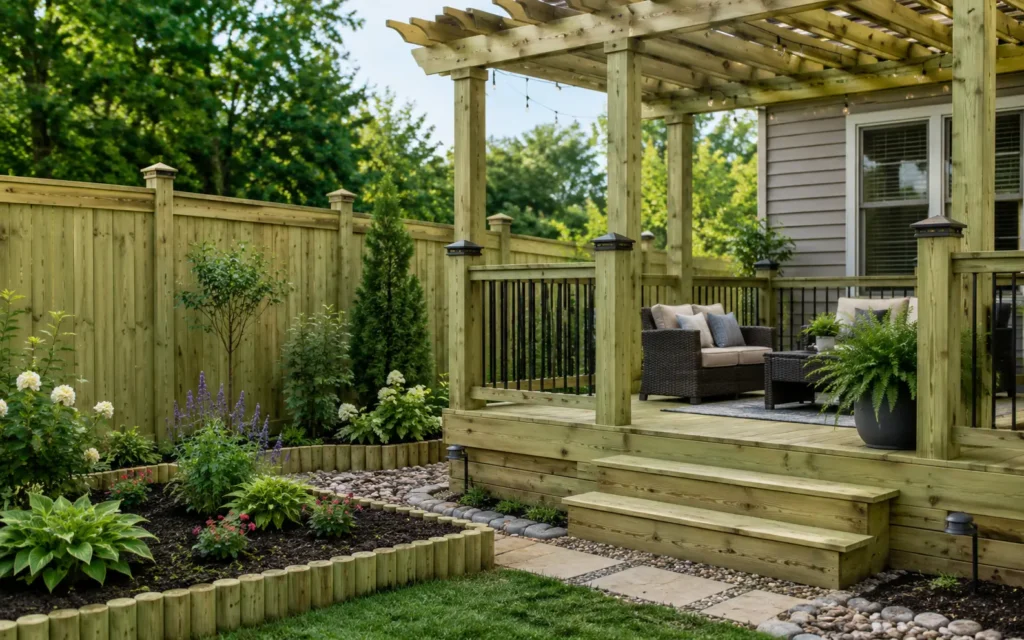
Pressure treated wood provides the strongest protection when used in the right locations. These are the areas where untreated timber would be most vulnerable to termite attack and moisture damage.
- Ground contact posts and beams, including fence posts, deck support posts, and retaining wall timbers that sit directly in soil.
- Foundation sill plates, which are the horizontal timbers that sit on top of a concrete foundation and support the floor framing above.
- Floor joists and subflooring in crawl spaces where moisture and soil contact create ideal conditions for subterranean termites.
- Exterior decking boards, stair stringers, and any outdoor timber structure exposed to rain and ground moisture.
- Wooden framing within 18 inches of the ground in new construction, as required by most building codes in termite-prone regions.
Pressure Treated Wood vs Naturally Termite Resistant Wood
Some homeowners prefer naturally termite resistant wood species as an alternative or complement to pressure treated lumber. Woods like teak, redwood, cedar, and white oak contain natural oils and resins that termites find unappealing. These species offer genuine resistance but are significantly more expensive and less consistent in their protection compared to chemically treated timber.
Pressure treated wood is generally the more practical and cost-effective choice for structural applications, while naturally resistant species are better suited to visible decorative elements where appearance matters and chemical treatment would be undesirable.
Building Codes and Pressure Treated Wood Requirements
In most countries and regions, building codes require pressure treated wood in specific applications to protect structural integrity and reduce termite risk. In the United States, the International Residential Code mandates the use of pressure treated lumber for all wood that is in contact with the ground, embedded in concrete, or within six inches of finished grade on the exterior of a building.
These requirements exist because decades of construction data have confirmed that untreated wood in ground-contact situations fails rapidly, both from moisture rot and termite damage. Meeting code minimums is a legal requirement, but going beyond them with additional coatings and inspections provides even stronger protection.
How to Maximize Protection with Pressure Treated Wood
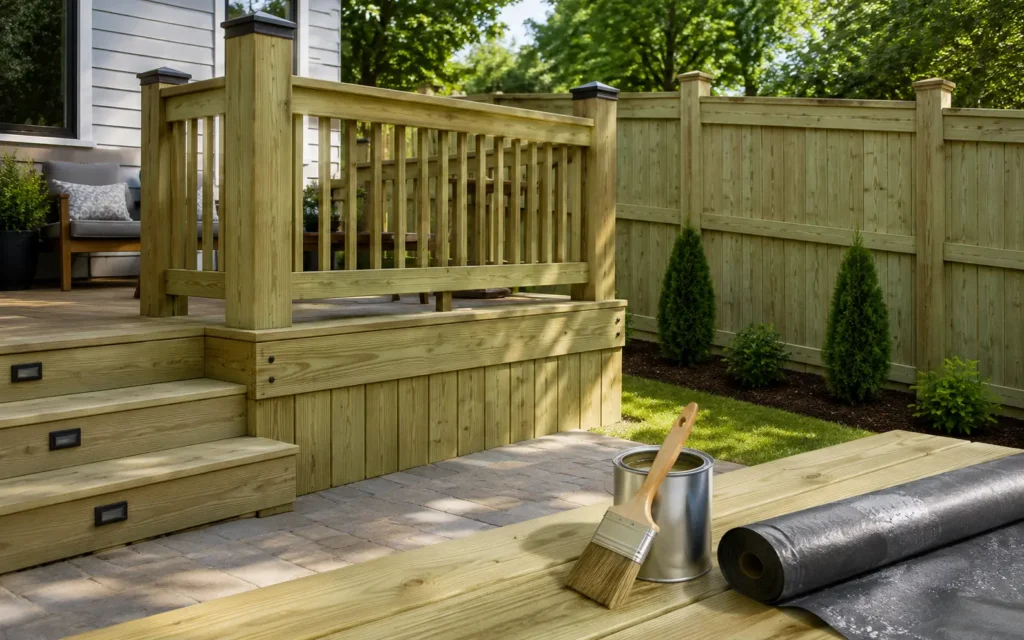
Using pressure treated wood is a strong first step, but combining it with other protective measures creates a much more reliable defense against termites. Here are the steps that make the biggest difference.
- Seal all cut ends with an approved end-cut preservative or borate solution immediately after sawing.
- Apply a borate-based coating to the surface of installed treated timber for an additional chemical layer of protection.
- Maintain a clear gap between soil and any wooden structure, including mulch and garden beds, to reduce moisture and eliminate termite pathways.
- Ensure proper drainage around the foundation so water does not pool against treated wood and accelerate the leaching of preservatives.
- Schedule annual termite inspections even when pressure treated wood is used, since no treatment eliminates risk entirely.
- Replace any pressure treated timber that shows signs of softening, crumbling, or discoloration, as these are signs that the preservative has broken down.
Is Pressure Treated Wood Safe to Use Indoors
Modern ACQ treated wood is considered safe for most residential uses including indoor applications such as basement framing, crawl space repairs, and interior structural work. The copper-based preservatives used today are far less hazardous than older arsenic-based treatments. However, it is still advisable to avoid using pressure treated wood for surfaces that come into direct and prolonged contact with skin, such as indoor furniture, children’s play areas, or food preparation surfaces.
Always wash hands after handling treated lumber and avoid burning off-cuts, as the smoke from burning pressure treated wood releases toxic compounds.
Final Answer: Does It Prevent Termites
Pressure treated wood is one of the most effective and practical tools available for reducing termite risk in residential construction. It significantly deters subterranean termites, the species responsible for most structural damage in homes, and is a code-required material in high-risk applications for good reason. But it is not infallible. It can be bypassed by aggressive termite species, it degrades over time, and it leaves cut ends unprotected without additional treatment.
Think of pressure treated wood as a strong foundation in your termite defense strategy, not the entire strategy. Pair it with regular inspections, proper construction practices, moisture management, and professional pest control when needed, and you give your home the best possible protection against one of the most destructive pests in the world.