
How to Disclose Termite Damage When Selling
When selling your home, disclose any past or present termite damage. Start by understanding state-specific disclosure rules, as requirements vary. Provide clear documentation like inspection reports, treatment records, and repair receipts. Identify whether the damage is active or past to guarantee transparency. Communicate honestly with potential buyers to build trust and comply with legal obligations. Proper disclosure reassures buyers and protects your reputation. Dive deeper to learn how to effectively manage this process.
Key Takeaways
- Disclose all known termite damage, both past and present, to comply with legal requirements and build buyer trust.
- Include original and follow-up pest inspection reports to provide a comprehensive termite history.
- Attach treatment contracts, invoices, and repair receipts to demonstrate efforts taken to resolve termite issues.
- Familiarize yourself with state-specific disclosure laws to ensure compliance and avoid legal risks.
- Communicate clearly about the timing and areas affected by termite damage to prevent buyer surprises.
Why Termite Disclosure Matters

Understanding why termite disclosure matters is crucial for anyone involved in real estate transactions. Legal frameworks require you to disclose material defects, including termite infestations. Failing to do so can lead to claims of misrepresentation. If you conceal termite history, buyers might sue to unwind the sale, citing rescission claims. Statutes of limitations for these claims typically last two years. Full disclosure reassures buyers, preventing post-sale disputes and protecting your reputation.
Being transparent helps maintain market value. Termite damage is a latent defect that affects property valuation. Honest communication about past issues shows integrity and can even speed up sales. Buyers appreciate transparency, as it allows them to assess repair budgets and reduces anxiety about future problems. Most states require disclosure of termite history , including known damage and infestations, ensuring that buyers are fully informed about potential issues.
Learn Termite Disclosure Rules
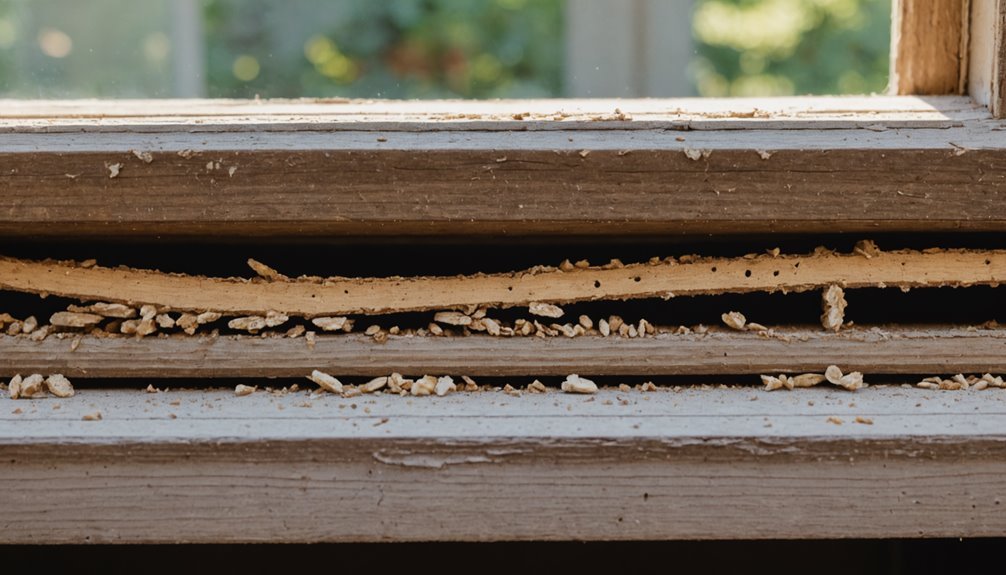
Understanding termite disclosure rules means maneuvering through state-specific requirements, as there’s no overarching federal standard. You’ll need to know whether your state requires detailed pest forms or general property-condition disclosures, and remember that obligations often persist even in as-is sales. Make sure to familiarize yourself with what must be disclosed to avoid potential legal risks. In California, sellers are required to disclose known termite damage, adhering to specific mandates like the California Civil Code Section 1102.
State-Specific Disclosure Requirements
When selling a home, it’s vital to navigate the termite disclosure rules specific to your state. In California, you must disclose known termite damage in the Transfer Disclosure Statement, including active infestations and previously treated damage. Maryland requires you to report termite issues on disclosure forms, emphasizing the significance of revealing latent defects. In Illinois, complete a Residential Real Property Disclosure Report, covering known termite-related structural damage.
New Jersey mandates disclosure of pest infestations and treatments under the Seller’s Property Condition Disclosure Act. Pennsylvania emphasizes disclosing treatment history, while Florida focuses on providing inspection reports upon request. Remember that brokers are responsible for ensuring the delivery and documentation of all inspection reports, as outlined by compliance requirements. Each state has unique requirements, so understanding your responsibilities is imperative to avoid legal pitfalls and guarantee a smooth sale.
As-Is Sale Obligations
Maneuvering termite disclosure rules means understanding your obligations, even when selling a property as-is. You must disclose known termite damage since an as-is clause affects repair duties, not disclosure.
Most states treat termite damage as a material defect requiring written disclosure. Concealing issues can lead to liability for fraud or misrepresentation. Courts view hidden termite damage as a latent defect needing disclosure, even if not visible.
Use seller disclosure forms to reveal active infestations, past damage, and treatments. Attach pest reports, treatment contracts, and repair receipts to document efforts.
Disclose active activity, prior damage, and any structural concerns. Failure to disclose can result in transaction rescission or buyer claims for damages. Always state only what you know and provide documentation upfront.
Identify Termite Damage: Active vs. Past
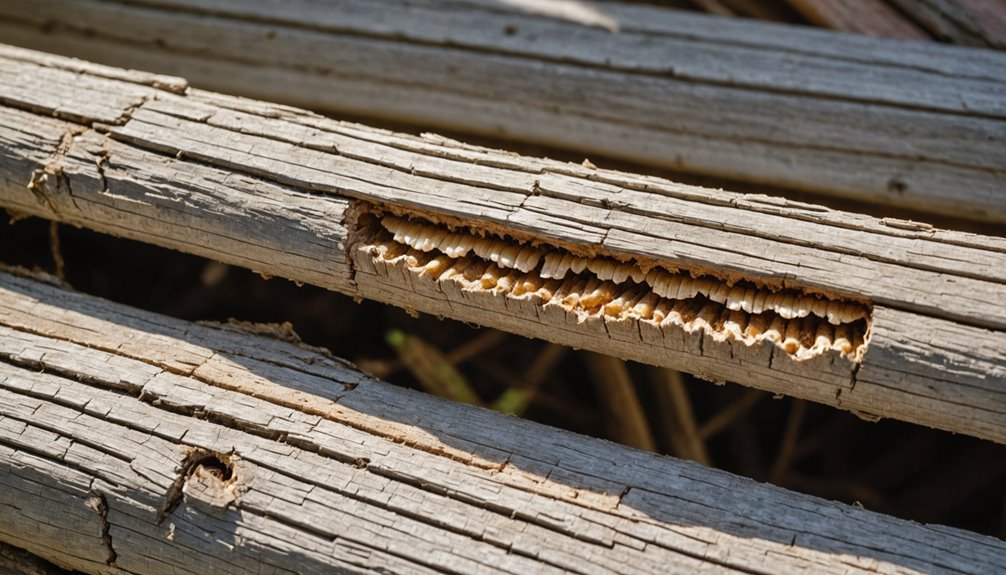
Identifying termite damage might seem tricky, but knowing the difference between active and past damage is essential.
Active damage means termites are currently present and causing harm, while past damage shows no ongoing infestation.
Look for these signs to distinguish between them:
- Active Indicators
- Live termites visible in tunnels
- Fresh frass piles after cleaning
- New mud tubes forming quickly
- Faint clicking sounds in wood
- Past Indicators
- Dried, broken mud tubes with no rebuilding
- Absence of live insects in damaged areas
- No recent frass near baseboards
- Weathered, unchanged damage
Understanding these signs helps you evaluate the situation accurately and take appropriate steps when disclosing termite damage in your property sale.
Collect Key Documents
To effectively disclose termite damage, it’s crucial to collect key documents that provide an extensive record of the situation. Start with original pest inspection reports to establish the initial findings.
Collect essential documents like original pest inspection reports to disclose termite damage effectively.
Gather treatment contracts, invoices, and any structural repair receipts to show what actions were taken. Include follow-up inspection reports and pest control company warranties to demonstrate ongoing protection.
Don’t forget recent clean inspection reports for proof of resolved issues. Your records should clearly indicate the discovery date, affected areas, treatment methods, and repair history.
Compile everything into a single folder or file set for easy buyer review. Attach a termite disclosure form summarizing the history and treatment details.
This thorough documentation guarantees transparency and helps prevent disputes later.
Timing Your Disclosure Right
When it comes to disclosing termite damage, timing is essential.
You’ll want to share this information as early as possible, ideally before any offers are made, to minimize disputes.
Make sure to communicate clearly and in writing, ensuring that buyers fully understand the property’s condition from the start.
Early Disclosure Advantages
Although it might seem challenging, disclosing termite damage early offers significant advantages. By informing potential buyers upfront, you reduce hesitation and foster trust. Early disclosure gives buyers the chance to process termite history before they’re emotionally committed to the home, leading to smoother negotiations.
- Pre-offer disclosure is recommended as ideal, preventing surprise renegotiations or withdrawals.
- Upfront transparency frames the issue as known, not hidden, enhancing buyer confidence.
- Before property tours is the most effective timing, aligning with best practices and reducing wasted time.
- Early notice dimineases legal risks, potentially leading to disputes or litigation. Include details like discovery date, affected areas, and infestation history. Attach inspection reports and treatment records when possible.Deliver written disclosure in person, by mail, email, or fax, and keep proof of delivery. Buyer acknowledgment is key, and state laws vary, so check local requirements to guarantee compliance.ishes legal risks, lowering claims of misrepresentation and ensuring compliance with state forms.
Written Communication Importance
Disclosing termite damage in writing is vital because it holds more legal significance than verbal communication in many states.
Timing your disclosure right is important. You should complete written disclosure before contract signing or at the earliest stage required by law. It’s often done through a seller’s disclosure statement, a Transfer Disclosure Statement (TDS), or a state-specific form.
Late disclosure increase.
How to Disclose Termite Issues
While selling a home, it’s essential to be transparent about any termite issues to avoid future disputes. Disclose known termite activity or damage clearly and early.
Legal requirements often demand you share:
- Date of discovery: When the infestation or damage was first noticed.
- Affected areas: Which parts of the home, like walls or flooring, were impacted.
- Type of issue: Whether it’s an active infestation, past activity, or prior damage.
- Treatment methods: Details on chemical treatments, baiting, or repairs made.
Ensure disclosures are in writing, using local forms and adhering to state laws. Document everything with pest control reports, repair invoices, and warranties.
This transparency builds trust and minimizes legal risks after closing.
Get Inspections & Confirm Treatments
To effectively manage termite issues when selling a home, it’s essential to start with a thorough inspection and confirm any treatments.
Begin by checking the exterior perimeter for mud tubes, blistered paint, or soft spots. Inspect the foundation for cracks and hidden galleries in foam board insulation.
Check the exterior for mud tubes and cracks; inspect foam board insulation for hidden galleries.
Inside, examine baseboards, window sills, and door casings for damage. Don’t forget attics and crawl spaces, which often hide termite activity.
Use tools like flashlights, moisture meters, and thermal imaging to detect concealed damage. Review inspection reports for signs of past treatments and any lingering concerns.
It’s wise to schedule professional inspections annually, or every six months in high-risk areas, ensuring any termite issues are addressed and treatments confirmed.
Build Buyer Trust With Clear Termite History
Why is transparency key when dealing with termite damage? It builds trust and eases buyer concerns. By documenting a clear termite history, you show integrity and responsibility.
Create a buyer-ready package that includes:
- Original pest inspection reports: Reveal when termite activity was first identified.
- Treatment contracts and invoices: Detail what was done and when.
- Structural repair receipts and permits: Provide evidence of necessary repairs.
- Follow-up inspection reports: Confirm if any further activity occurred.
Disclose what happened, where, and how it was handled. Be explicit about timing, affected areas, and treatment methods.
Share a full paper trail, and disclose early to avoid surprises. This approach guarantees buyers feel confident and informed.
Frequently Asked Questions
Can Termite Damage Affect Property Value Significantly?
Yes, termite damage can greatly affect property value. It might lower a home’s value by 20-25%. Proper repairs and documentation can minimize impact, but untreated or structural issues can lead to substantial value reduction and buyer hesitation.
How Does Termite Damage Impact Home Insurance?
Termite damage can complicate home insurance. Insurers typically don’t cover it, viewing it as preventable. You’ll likely face higher premiums or policy denials. Maintain records of inspections and treatments to satisfy insurance requirements and avoid complications.
Are There Tax Deductions for Termite-Related Repairs?
You generally can’t deduct termite repair costs for a personal home on your taxes. However, if it’s a rental or business property, you might deduct repairs if they’re necessary and related to income production.
What Are the Signs of a Potential Undisclosed Termite Issue?
You can spot potential undisclosed termite issues by checking for hollow-sounding wood, mud tubes, discarded wings, and sticky doors. Also, look for unusual warping, frass, and faint clicking sounds. Always consider a licensed pest inspection.
How Can Buyers Negotiate Termite Damage Repairs With Sellers?
Start by showing professional inspection reports and cost estimates for repairs. Request the seller to fix the damage, offer a credit, or reduce the price. Use evidence to strengthen your position and guarantee transparency in negotiations.
Conclusion
When selling your home, it’s essential to disclose any termite issues to build trust with potential buyers. Understand disclosure rules and differentiate between active and past damage. Gather all relevant documents and time your disclosure carefully. Conduct inspections and confirm treatments to guarantee transparency. By providing a clear termite history, you demonstrate honesty and help buyers make informed decisions. This proactive approach can ease concerns and facilitate a smoother selling process.