Subterranean Termites Vs Drywood Termites
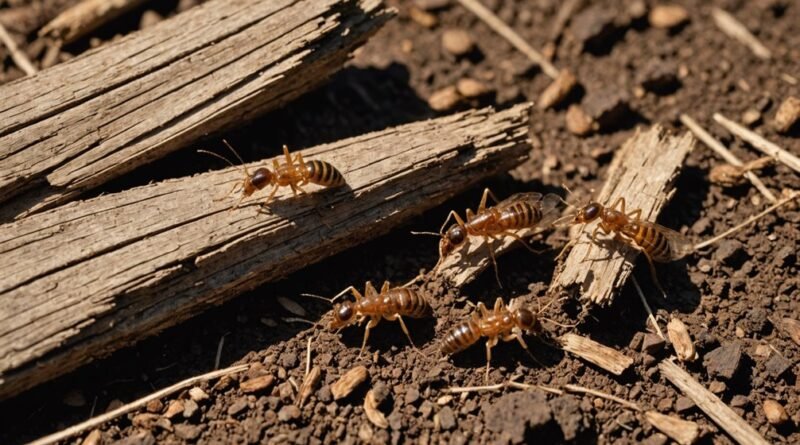
Subterranean termites live underground and travel through mud tubes to reach wood, while drywood termites nest directly inside the wood they’re eating. Subterranean termites are smaller but form massive colonies, making them the more destructive of the two. Drywood termites leave behind sand-like pellets called frass and prefer dry, undisturbed wood. Each type requires completely different treatments, so knowing which one you’re dealing with is critical — and there’s much more you’ll want to know.
Key Takeaways
- Subterranean termites nest underground and need soil moisture, while drywood termites live inside wood and extract moisture directly from it.
- Subterranean termites are smaller and build mud tubes for travel, whereas drywood termites are larger and leave sand-like frass pellets.
- Subterranean termites form larger colonies and cause faster, more widespread damage; drywood termites cause slower, more localized destruction.
- Mud tubes signal subterranean termite activity, while small kick-out holes and frass piles near wood indicate drywood termites.
- Subterranean termites are treated with soil termiticides and bait stations; drywood termites typically require fumigation or heat treatments.
What’s the Difference Between Subterranean and Drywood Termites?
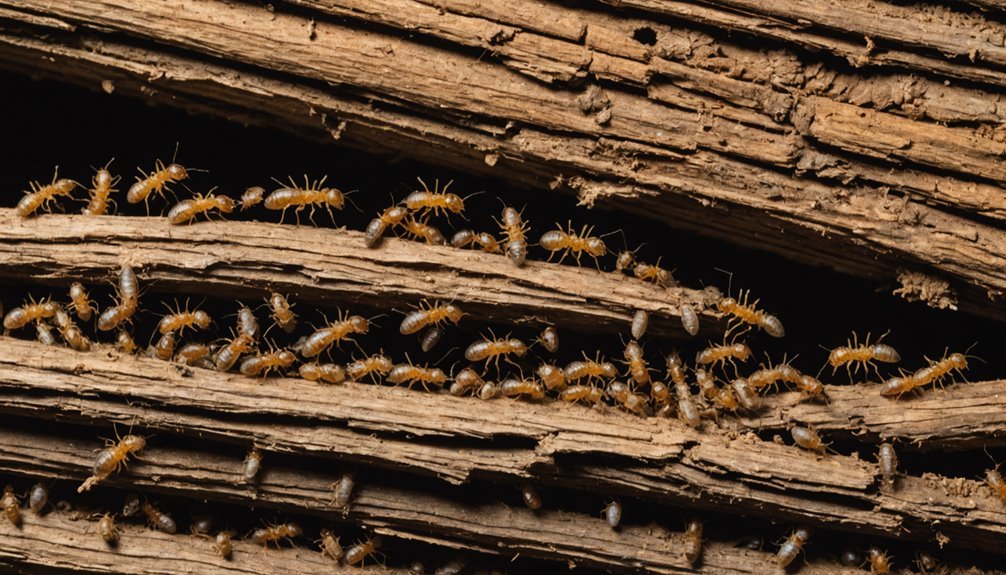
Knowing the difference between subterranean and drywood termites matters because the right treatment depends entirely on which one you’re dealing with.
These two species look, behave, and damage structures differently, so misidentifying them can mean wasted money and continued destruction.
Subterranean termites are smaller, softer-bodied, and need soil moisture to survive. They build mud tubes, form massive colonies, and spread damage quickly.
Drywood termites are slightly larger, more heavily built, and don’t need soil contact or high moisture. They live inside the wood they eat, leave behind sand-like frass pellets, and cause more localized damage.
If you’re inspecting winged reproductives, check the wing venation — drywood termites have three or more thick veins near the wing’s front base, while subterranean termites have two. Subterranean termites are generally considered more destructive due to their larger colony sizes and rapid reproductive cycles.
Where Subterranean and Drywood Termites Live and Nest
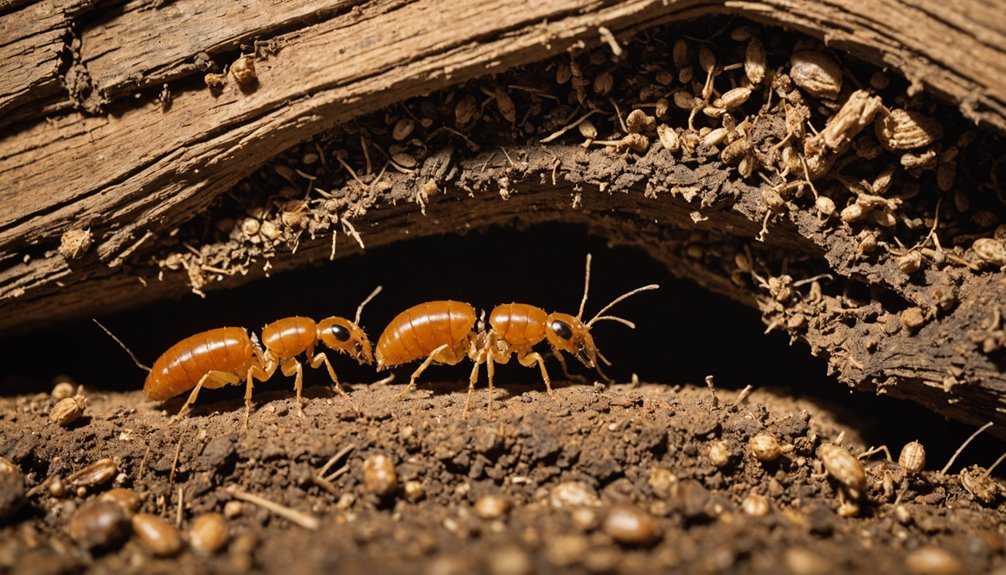
Where a termite colony sets up home tells you a lot about what you’re dealing with.
Subterranean termites nest in the soil, relying on ground contact to stay moist, while drywood termites nest inside the wood itself and need no soil contact at all.
Understanding these habitat differences helps you recognize the signs of each species and know where to look when you suspect an infestation. Drywood termites create maze-like tunnels within the wood they infest.
Underground vs. Wood Nesting
One of the clearest differences between subterranean and drywood termites is where they build their nests. Subterranean termites nest underground, keeping their colony anchored in soil beneath foundations, slabs, or crawlspaces.
When they reach wood in your home, they travel through mud tubes or tunnel systems that maintain their ground connection. The nest itself may sit well away from the structure while they continue feeding through those tunnels.
Drywood termites take a completely different approach. They nest inside the wood itself, requiring no soil contact whatsoever.
Your lumber, wall framing, furniture, or roof timbers become both their home and their food source. You’ll often find internal galleries carved through infested wood as evidence of their presence. Unlike subterranean termites, drywood termites are commonly found infesting utility poles and dead limbs in addition to structural wood.
This soil versus wood distinction is one of the most reliable ways to tell these two groups apart.
Moisture Preferences and Habitats
Because subterranean termites depend so heavily on moisture, they stay close to soil, damp ground, and water sources like condensate lines, drains, and leaky pipes.
Wood moisture readings of 28% to 30% signal high infestation risk, and crawl-space humidity above 55% to 60% creates ideal conditions for colony growth.
Without consistent moisture access, subterranean termites face desiccation and death—studies show 0% soil moisture causes complete colony mortality.
Drywood termites don’t need any of that. They extract moisture directly from the wood they inhabit, letting them thrive in dry furniture, framing, and above-ground timber with no soil contact required.
You’re most likely to find them in protected indoor spaces where structurally dry wood sits undisturbed.
Their moisture independence makes them uniquely adaptable to environments that would kill subterranean termites quickly. Subterranean termites compensate by constructing protective mud tubes that shield foraging workers from desiccation as they travel between soil and food sources.
How to Tell Subterranean and Drywood Termites Apart
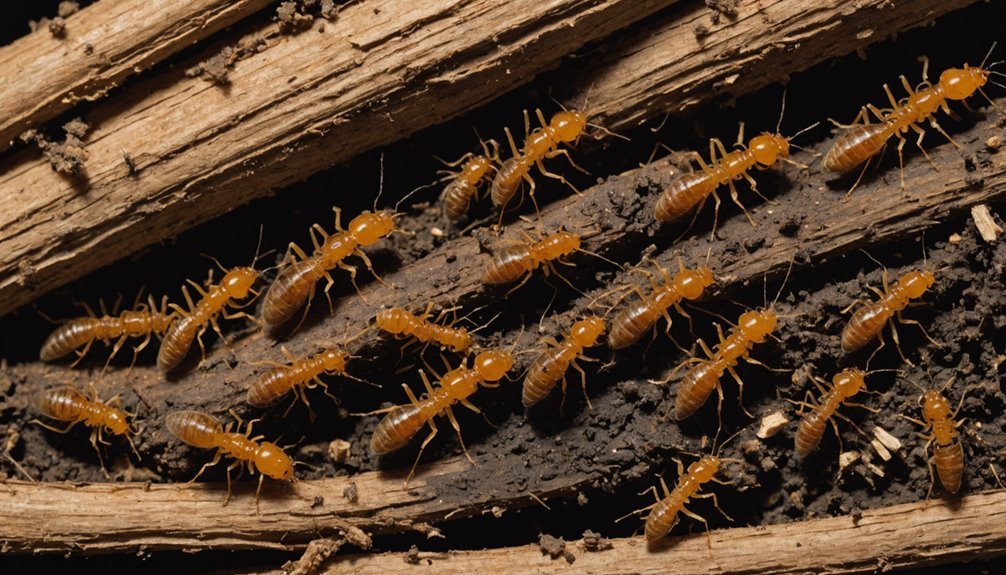
Telling subterranean and drywood termites apart comes down to a few key physical traits and behavioral signs. Check for mud tubes along walls or foundations—that’s a subterranean colony. Spot frass piles or kick-out holes near wood? That points to drywood termites. You can also look at feeding patterns and nesting behavior to confirm what you’re dealing with.
| Feature | Subterranean | Drywood |
|---|---|---|
| Mud Tubes | Yes | No |
| Frass | No | Yes |
| Nesting Location | Soil | Inside wood |
Subterranean termites leave soil or mud inside feeding galleries, while drywood termites feed across the grain, hollowing wood from within. Recognizing these differences helps you act fast and choose the right treatment. Drywood termites are also noticeably larger, ranging from ⅜ to 1 inch, compared to the smaller subterranean termites that typically measure only ⅛ to ⅜ inches in length.
Warning Signs of Subterranean vs Drywood Termite Activity
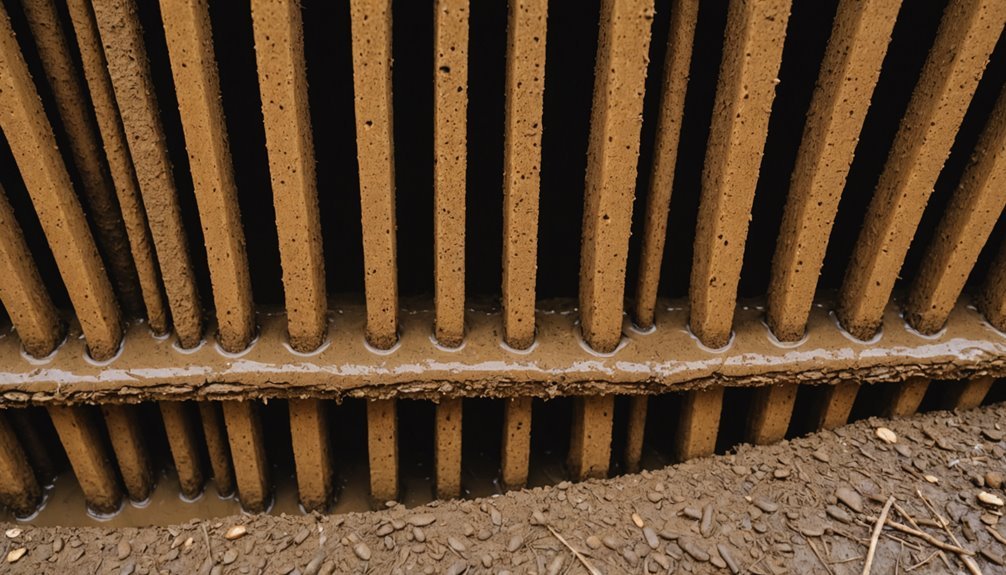
When you spot mud tubes climbing a foundation wall or utility entry point, you’re looking at the clearest sign of subterranean termite activity.
If you find small piles of six-sided, wood-colored pellets near trim or attic wood, that’s drywood termite frass expelled through kick-out holes in the gallery system.
You should also tap suspicious wood for a hollow sound, since both species feed from the inside out, while blistered or bubbling paint can reveal hidden subterranean feeding beneath the surface.
Mud Tubes and Frass
Identifying a termite problem early often comes down to knowing what physical clues to look for—and the two most telling signs differ sharply depending on the species.
If you’re dealing with drywood termites, you’ll likely notice small piles of dry, granular pellets beneath infested wood. These six-sided, roughly 1-millimeter pellets accumulate under baseboards, window frames, furniture, and attic rafters. If you clean them up and they return, the colony’s still active.
Subterranean termites leave a completely different calling card: mud tubes. You’ll find these small brown or tan tunnels running along foundations, crawl spaces, and structural supports near ground level. They’re built from soil, saliva, and wood particles, and they help the termites retain moisture while traveling above ground.
Hollow and Blistered Wood
Wood itself often tells the story before termites ever become visible. Both subterranean and drywood termites weaken wood from the inside, but each leaves distinct clues on the surface.
Watch for these three warning signs:
- Hollow sound — Tap suspected lumber. A papery or dull tone suggests internal feeding, especially in subterranean damage that follows the wood grain.
- Blistering paint — Bubbling or uneven paint on walls, trim, or window sills often means termites are active just beneath the surface.
- Soft, crumbly wood — A screwdriver that sinks in easily confirms internal damage, particularly near baseboards, sills, or framing.
None of these signs alone confirms an infestation, so pair them with other indicators like frass or mud tubes for a stronger diagnosis.
Kick-Out Holes Identified
Small round holes in wood — no bigger than 1/8 inch across — are one of the clearest signs that drywood termites have been active inside your home. These kick-out holes are exit points swarmers use to leave the colony, and nymphs typically seal them with frass paste afterward, so spotting an open hole is significant.
Check windowsills, baseboards, and furniture for tiny pellet-like piles resembling mustard seeds or coarse sand — that’s expelled frass. Multiple holes clustered in the same area suggest a colony is active inside the wood.
Subterranean termites don’t leave these holes. Their signature signs are mud tubes on foundations and hidden internal damage.
If you’re finding small round holes without any mud tubes, you’re almost certainly dealing with drywood termites.
Is Subterranean or Drywood Termite Damage Worse?
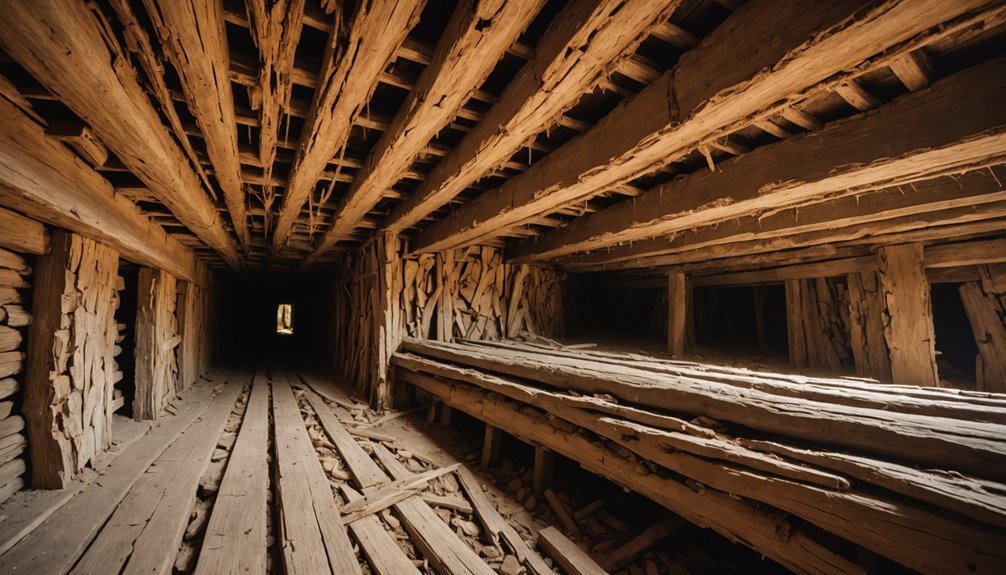
When comparing subterranean and drywood termites, subterranean termites are generally the more destructive of the two. Their larger colonies consume more wood faster and spread farther through your home’s structure.
Here’s why subterranean termites typically cause worse damage:
- Colony size – Subterranean colonies are far larger, meaning more termites actively destroying your home simultaneously.
- Spread – They travel through soil-connected routes, allowing them to reach foundations, framing, and floors across your entire structure.
- Concealment – Damage often stays hidden until it’s severe, making early detection difficult.
That said, drywood termites aren’t harmless. Their damage is more localized, but they can still compromise structural integrity if left untreated.
Regardless of type, any termite infestation requires immediate attention.
How Quickly Each Type Can Destroy Your Home
| Timeframe | Subterranean Termites | Drywood Termites |
|---|---|---|
| 1–3 months | Measurable wood loss; Formosan species can cause severe damage | Minimal visible damage |
| 6–12 months | Noticeable structural damage likely | Damage may still be hidden |
| 1–3 years | Severe structural failure possible | Serious localized destruction possible |
How to Treat Subterranean and Drywood Termite Infestations
Treating a termite infestation effectively starts with identifying which species you’re dealing with, since subterranean and drywood termites require fundamentally different approaches.
For subterranean termites, your treatment options typically include:
- Soil termiticides applied through trenching and rodding to create a continuous chemical barrier around your foundation.
- Bait stations placed around your perimeter, where termites carry slow-acting insecticide back to the colony.
- Foam injections targeting crawl spaces and wall voids where termites are actively feeding.
Drywood termites live inside dry lumber, so soil treatments won’t work. Widespread infestations usually require whole-structure fumigation.
Localized infestations may respond to spot injections, heat treatments, or borate applications on accessible wood. If gallery damage is extensive, you’ll likely need to replace compromised structural members entirely.
How to Keep Subterranean and Drywood Termites Out
Once you’ve addressed an active infestation, keeping termites out becomes your next priority—and the good news is that most prevention strategies work against both subterranean and drywood species.
Start by controlling moisture—fix leaks, improve crawlspace ventilation, and grade soil so water drains away from your foundation.
Keep all wood at least six inches above ground, and use pressure-treated lumber wherever wood contacts soil.
Remove stumps, wood debris, and firewood from around your home, and swap organic mulch for rock or rubber alternatives near the foundation.
Seal cracks, fill utility penetrations with caulk or grout, and consider physical barriers during any new construction.
Finally, conduct annual inspections targeting mud tubes, damaged wood, and discarded wings, focusing on crawl spaces, door frames, and foundation edges.
Frequently Asked Questions
Can Subterranean and Drywood Termites Infest the Same Structure Simultaneously?
Yes, both can infest your home at the same time. They don’t compete because they occupy different niches—subterranean termites need soil contact, while drywood termites live inside dry wood independently.
Are Termite Infestations Covered Under Standard Homeowners Insurance Policies?
Your standard homeowners insurance policy doesn’t cover termite infestations. Insurers classify termite damage as a maintenance issue, not a sudden accidental loss, so you’re responsible for prevention through routine inspections and pest control treatments.
How Long Does a Typical Termite Colony Live Before Dying Naturally?
Your termite colony won’t die naturally for a long time. Subterranean colonies can last decades, even up to 100 years, while drywood colonies typically survive 10 or more years, depending on food, moisture, and queen survival.
Do Termites Serve Any Beneficial Ecological Purpose Outside of Homes?
Yes, termites absolutely serve beneficial ecological purposes outside your home! They’re nature’s decomposers, breaking down dead wood, recycling nutrients into soil, improving drainage, and supporting plant growth—making them essential contributors to healthy forest ecosystems.
Can Termites Return After a Professional Treatment Has Been Completed?
Yes, termites can return after professional treatment. If your soil barrier breaks down, moisture issues persist, or new swarmers colonize your home, you’ll face reinfestation. Regular follow-up inspections help you catch renewed activity early.
Conclusion
Whether you’re dealing with subterranean or drywood termites, you can’t afford to wait. Both types can cause serious structural damage to your home, and the longer you ignore the signs, the worse the destruction gets. Once you’ve identified which termite you’re up against, you’ll want to act fast and choose the right treatment. Stay proactive, seal up entry points, and don’t hesitate to call a professional when the problem’s beyond your control.