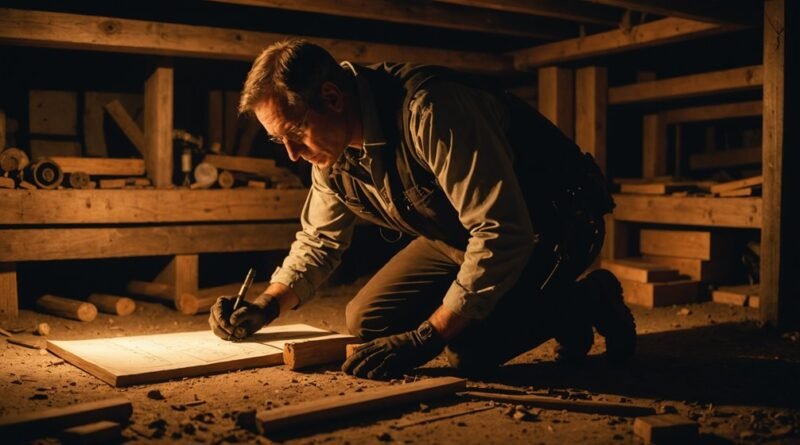
Termite Inspection for Home Purchase
When buying a home, a termite inspection is essential. Termites can cause extensive hidden damage, leading to costly repairs. Inspections, required by many lenders, reveal infestations and can enhance your negotiating power. They’re especially important in older homes and warm climates. VA loans often mandate inspections within 90 days of closing. Typically costing $100-$150 and taking about an hour, these inspections can help you negotiate a better deal. Explore how to leverage these insights next.
Key Takeaways
- Termite inspections identify hidden infestations, protecting buyers from costly future repairs.
- Professional inspections enhance negotiating power and may lead to seller concessions.
- Some states and lenders require termite inspections before closing on a home.
- VA loans mandate inspections in moderate to high-risk areas for loan approval.
- Inspection costs range from $75 to $325 and take 30 to 90 minutes.
Why You Need a Termite Inspection Before Buying

Before you close the deal on a new home, it’s crucial to schedule a termite inspection. Termites, known as “silent destroyers,” can consume wood from the inside, making damage hard to spot during a standard tour.
A professional inspection uncovers hidden infestations or past damage you might miss. This insight protects you from unexpected repair bills, which can reach upwards of $3,000, and helps avoid purchasing a home with concealed problems. General inspectors cannot confirm termite infestations without a license, underscoring the importance of hiring licensed professionals for this task.
Moreover, inspection results can strengthen your negotiating power. If termites are found, you can request seller repairs or credits, or even reconsider the purchase.
It guarantees you’re making a sound investment, safeguarding the home’s value and structural integrity. Don’t take risks; verify your future home is termite-free.
When Is a Termite Inspection Required?
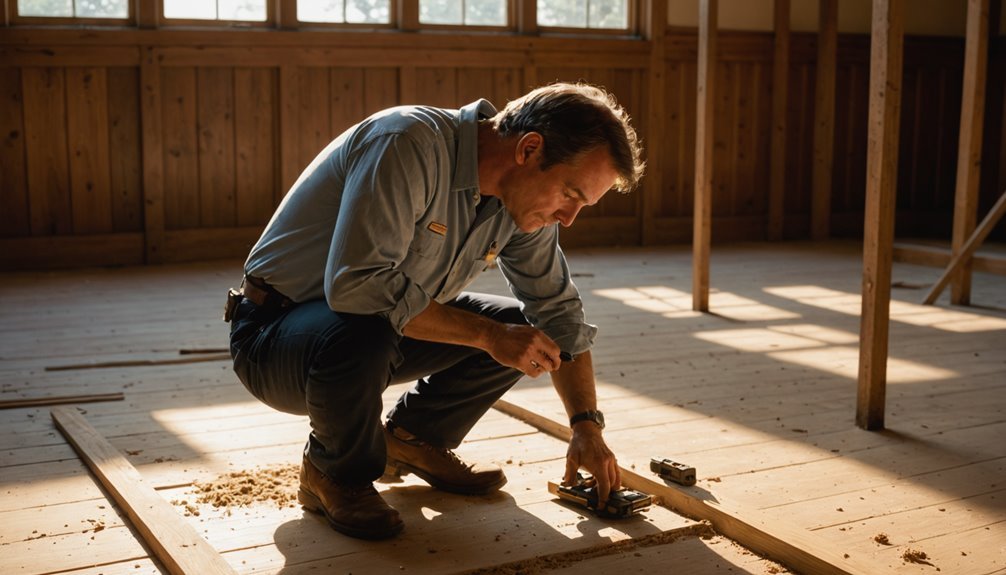
When exactly is a termite inspection required for a home purchase? It often kicks in as part of your due diligence before closing. Lenders might ask for a termite clearance letter to confirm the property is free from active infestations or damage. Even if state law doesn’t mandate it, contract terms can still require an inspection. Timing is vital, allowing for repairs or renegotiation before you close the deal. Regular inspections are essential for maintaining structural integrity, ensuring your investment is protected from potential termite damage.
Here’s when you might need it:
- Lender Requirements: Many lenders need a wood-destroying organism report to finalize a mortgage.
- State and Local Rules: Some areas demand inspections in high-risk zones.
- Risk-Based Situations: Warm, moist climates or older homes often need them.
- Contractual Agreements: Your purchase agreement might specify inspection needs.
VA Loan: What You Need to Know About Termite Inspections
Understanding when a termite inspection is required is just the beginning.
If you’re using a VA loan to buy an existing home, you’ll need an inspection in areas marked “moderate to heavy” or “very heavy” on the Termite Infestation Probability Map. Low-risk areas typically skip this unless triggered by other VA conditions.
Remember, if a VA appraiser sees signs of damage or infestation, an inspection becomes mandatory, regardless of location. This inspection must be done by a licensed professional, covering all accessible areas. It’s important to note that the inspection must occur within 90 days of closing to ensure timely processing.
An inspection is mandatory if a VA appraiser spots signs of damage or infestation, regardless of location.
If termites or damage are found, treatment and repairs must happen before closing.
Keep in mind, either the buyer or seller can now pay for the inspection, thanks to recent policy changes.
What Does a Termite Inspection Cost and How Long Does It Take?
How much will a termite inspection set you back, and how long will it take? Expect to pay between $75 and $325, with most inspections falling around $100 to $150. For a home purchase, the cost typically ranges from $100 to $250, but detailed documentation can push it higher.
Here’s a quick breakdown:
- Cost Factors:
- Property size and location affect pricing.
- Detailed reports add $100 to $200.
- Inspection Duration:
- Standard homes take about 30 to 60 minutes.
- Larger or complex homes may take 60 to 90 minutes.
- Combined Services:
- Adding to a home inspection may cost an extra $50 to $100.
- Report Timing:
- Reports are often delivered in 1 to 3 business days.
How to Leverage Inspection Results for Better Deals
If you’re armed with a termite inspection report, you can effectively negotiate a better deal on your home purchase.
Use the report as price leverage by requesting seller-paid treatment for active termites, or a price reduction to cover repair costs. Seek a closing credit if repairs happen post-purchase.
Request seller-paid termite treatment or a price cut for repairs to leverage your negotiation.
Compare the report with contractor estimates to justify larger negotiations. Turn findings into specific concessions, like repairs before closing or a transferable termite warranty.
Document everything, inspection reports, photos, and treatment invoices, to back up your case.
Use local market context to calibrate your offer, comparing similar homes without termite issues.
Protect financing by ensuring termite problems are resolved, keeping lenders at ease and reducing closing delays.
Frequently Asked Questions
Who Performs a Termite Inspection?
You should hire a licensed pest control professional to perform a termite inspection. They’ll thoroughly examine your property for signs of termites and other wood-destroying organisms, ensuring you receive a detailed report for your home purchase.
What Are Conducive Conditions for Termite Activity?
You can identify conducive conditions for termite activity by looking for moisture sources, wood-to-soil contact, poor ventilation, and landscaping issues. These factors create environments where termites thrive, increasing the risk of infestation.
How Can I Identify Signs of Termites Myself?
Look for discarded wings near windows, mud tubes on foundations, and hollow-sounding wood. Check for frass resembling sawdust, blistered surfaces, or stuck windows. Listen for faint sounds inside walls. These signs can indicate termites.
Do Termite Inspections Cover Wood-Decay Fungi?
Termite inspections don’t always cover wood-decay fungi. It depends on the inspection type. If you’re concerned about fungi, make sure you request a broader inspection like a WDO or timber pest assessment for thorough coverage.
Can Termite Inspections Be Bundled With Other Services?
You can bundle termite inspections with other services like building inspections. It saves time and money by combining them into one visit. This option’s practical when addressing multiple concerns during the home buying process.
Conclusion
When you’re buying a home, don’t skip the termite inspection. It’s essential for uncovering hidden issues that could cost you down the road. If you’re using a VA loan, be aware of specific requirements. The inspection is quick and affordable, offering peace of mind. Use the results to negotiate better deals or request repairs. Protect your investment and guarantee your new home is safe and sound from the start.