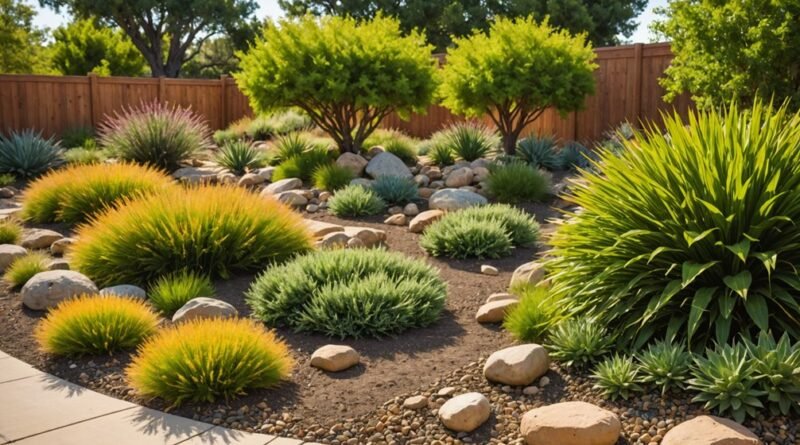
Termite-Resistant Landscaping Tips for Your Home
Termite-resistant landscaping means controlling moisture, eliminating food sources, and blocking access points to your home. You’ll want to choose plants like vetiver grass, catnip, or lemongrass that naturally deter termites. Keep mulch at least 6–18 inches from your foundation, and opt for cedar or gravel over wood-based options. Proper drainage and regular yard maintenance make a big difference too. Keep going to discover exactly how to put it all together.
Key Takeaways
- Control moisture by grading soil 6 inches over 10 feet and keeping irrigation at least 5 feet from walls.
- Use termite-repellent plants like vetiver grass, catnip, lemongrass, or eucalyptus to create a natural deterrent perimeter.
- Choose cedar, cypress heartwood, or inorganic mulch like gravel, keeping it 6–18 inches from foundations.
- Remove dead wood, decaying stumps, and debris promptly, as these provide ideal termite harborage sites.
- Trim shrubs 12 inches from structures and store firewood 5–20 feet away, elevated off the soil.
What Makes a Landscape Truly Termite-Resistant
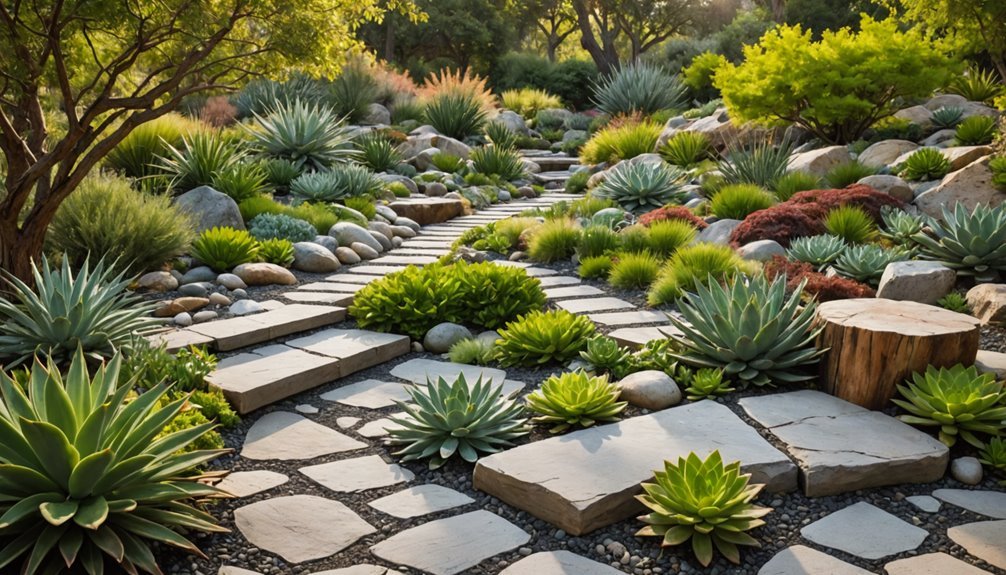
Termite-resistant landscaping isn’t just about the plants you choose—it’s a system of interconnected decisions that control moisture, limit access points, and eliminate food sources around your home.
Termites need moisture to survive, so keeping soil and structural areas dry is fundamental. You’ll also need to manage what grows close to your foundation, how you store wood, and what materials cover your soil.
Vegetation placed too near walls gives termites a bridge from ground to structure. Dead wood, debris, and organic ground cover create hidden harborage. Even mulch, if piled against your siding, invites trouble.
Sealing cracks, maintaining drainage, and ventilating crawl spaces complete the picture. No single fix works alone—effective termite resistance comes from combining all these practices consistently. Physical and chemical barriers work together to create a comprehensive defensive system that significantly reduces the risk of termite infestation around your home.
The Best Plants for Termite-Resistant Landscaping
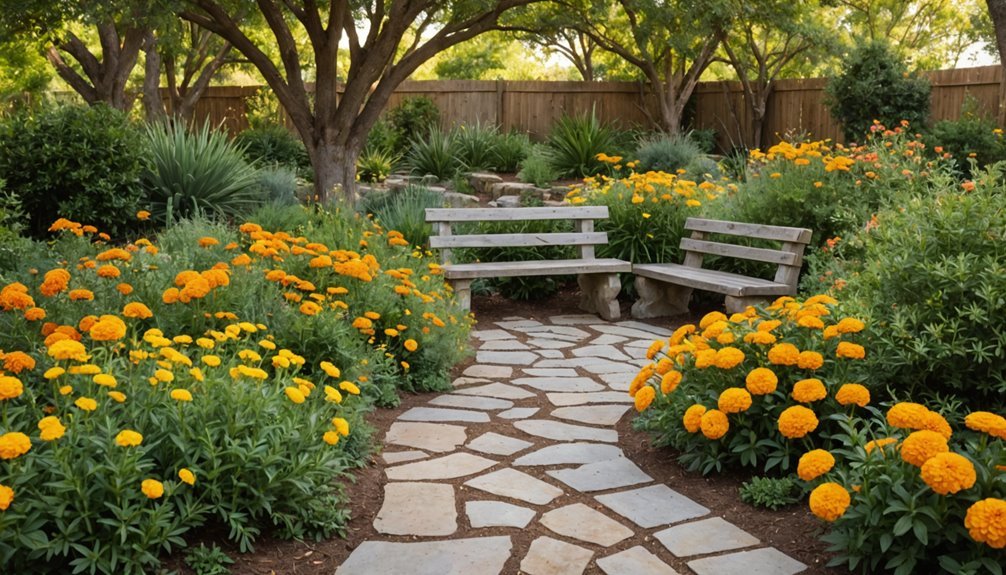
While no plant offers complete termite protection on its own, several species produce oils, compounds, or root secretions that actively deter termites and make your landscape less inviting.
Focus your plant selection on these high-performing options:
- Vetiver grass – Creates a living perimeter barrier using compounds proven to repel Formosan subterranean termites near foundations.
- Catnip – One of few plants with lab-tested evidence showing both repellent and lethal effects on termites at higher concentrations.
- Lemongrass and eucalyptus – Deliver citronella and aromatic oils through strategic clusters, making bordered zones far less attractive to termite activity.
Combine these with marigolds, mint, or thyme as companion plants to reinforce your overall strategy without relying on any single species. Neem is another powerful addition, as its extracts act as a natural insecticide that is toxic to termites while remaining safe for the surrounding environment.
How to Control Moisture Around Your Foundation
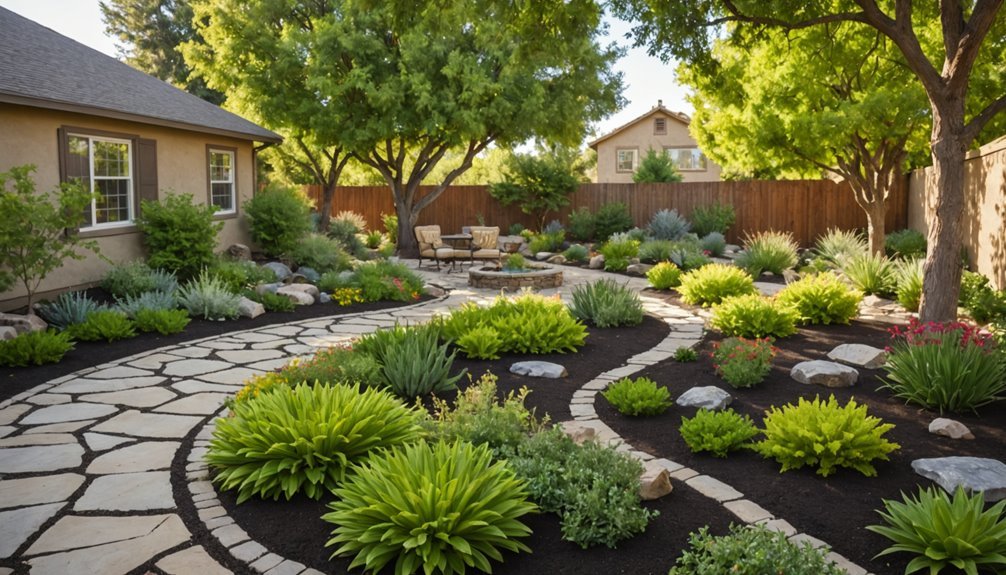
Moisture control around your foundation isn’t just about keeping your basement dry—it’s one of the most effective ways to make your property less hospitable to termites.
| Strategy | Target | Why It Matters |
|---|---|---|
| Slope grading | 6″ drop over 10 ft | Directs runoff away |
| Downspout discharge | 3–5 ft from foundation | Reduces soil saturation |
| Irrigation setback | 5 ft from walls | Limits moisture buildup |
| Backfill compaction | 6–8″ lifts | Prevents settlement gaps |
| Vapor barriers | Below-grade walls | Blocks exterior intrusion |
Keep gutters clean, extend downspouts with splash blocks, and avoid overwatering near the house. Replace expansive clay backfill with stable material, and maintain consistent soil moisture. Dry, well-drained soil discourages the conditions termites need to survive and tunnel toward your home. Vegetation planted too close to the house can worsen moisture problems, so maintain at least a 3–4 foot clearance between plants and your foundation walls.
Mulch and Ground Cover That Won’t Attract Termites
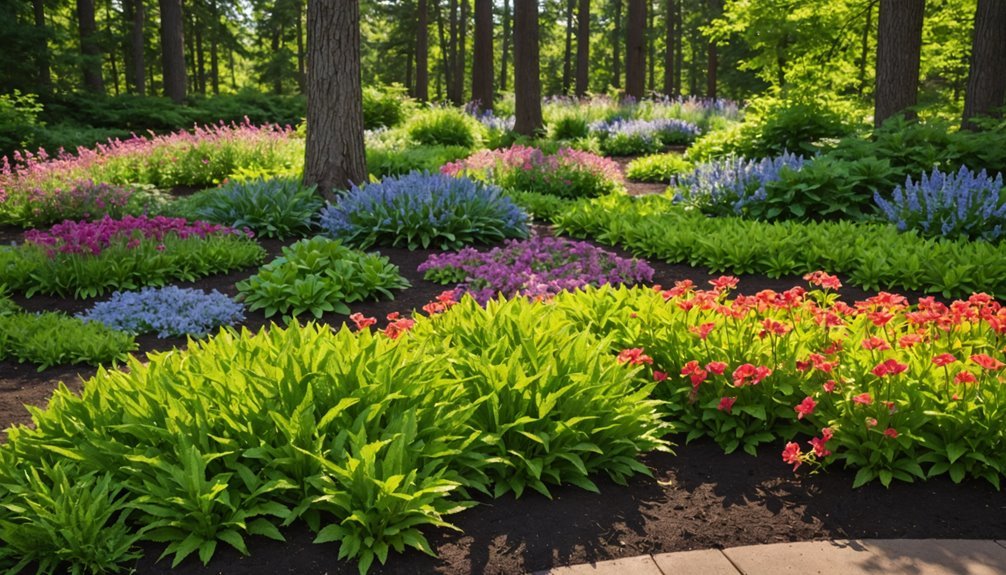
Once you’ve addressed drainage and soil saturation, your next line of defense is what you place against the house. Not all mulch is equal—some actively deter termites while others create ideal tunneling conditions.
After solving drainage issues, what you place against your house becomes your next critical barrier against termites.
Choose materials termites avoid:
- Cedar, cypress heartwood, or melaleuca mulch contain natural compounds that repel termites, with melaleuca outperforming others in University of Florida comparisons.
- Inorganic options like gravel, rubber mulch, or stone eliminate the cellulose termites need and don’t retain moisture the way wood-based mulch does.
- Application depth and placement matter—keep mulch between 1 and 3 inches deep and maintain 6 to 18 inches of clearance from your foundation or siding.
Thin, fast-drying layers near the house reduce the damp conditions subterranean termites seek out. Cocoa bean mulch is another natural deterrent worth considering, though its toxic to pets nature makes it a poor choice for households with animals.
Landscaping Materials That Hold Up Against Termites
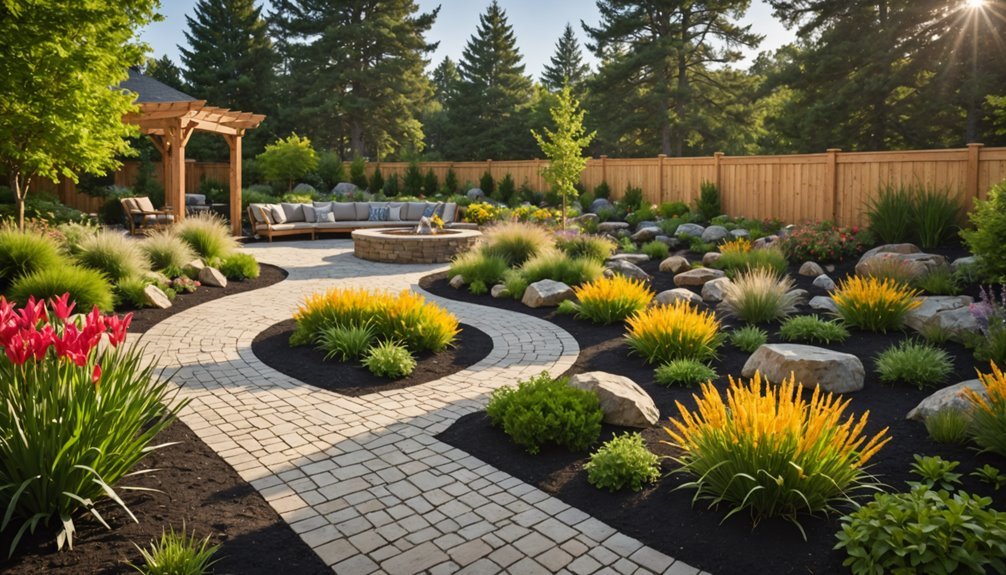
Choosing the right landscaping materials cuts termite risk at the source. For edging and borders, skip wood entirely and use metal, concrete, brick, or recycled plastic instead.
These materials won’t feed a colony or retain the moisture that attracts termites.
For patios and outdoor living surfaces, pavers and concrete eliminate cellulose at ground level.
Composite decking reduces wood-to-soil contact while holding up better over time than traditional lumber.
Where you need ground cover, replace organic mulch with gravel, crushed stone, lava rock, or rubber mulch.
These options don’t offer termites the food or moisture they’re after.
When wood is unavoidable, choose cedar, redwood, teak, or treated lumber, and always keep it separated from direct soil contact. Treated wood contains chemicals that have been specifically designed to deter termites from moving in.
How to Design a Termite-Resistant Landscape From Scratch
Designing a termite-resistant landscape from scratch means you’re solving several problems at once: controlling moisture, eliminating harborage, and keeping the structure inspectable. Start with the site layout before choosing a single plant.
- Grade first. Slope the yard 6 inches downward within the first 10 feet from the foundation so water moves away consistently.
- Set your perimeter band. Replace wood mulch with a 2-foot ring of crushed rock, gravel, or concrete pavers, and maintain a 3-foot planting setback from the foundation.
- Plan for mature size. Choose termite-resistant plants like vetiver grass, marigolds, or lavender, then position them where full-grown branches won’t contact the structure.
Seal foundation cracks and utility penetrations before finalizing any bed or border placement.
Yard Maintenance Habits That Keep Termites Away
Even the best-designed landscape loses its termite resistance without consistent upkeep. Pull mulch 8–12 inches from your foundation, trim shrubs at least 12 inches back, and remove dead branches or decaying stumps promptly. Adjust sprinklers so they don’t wet foundation walls, and inspect crawl spaces periodically for mud tubes or moisture.
| Habit | Key Guideline |
|---|---|
| Firewood storage | 5–20 feet from house, elevated off soil |
| Gutter cleaning | Every three months, more during storm season |
| Downspout extension | Direct water away; add French drains if needed |
Store firewood elevated and far from the house, replace wood edging with stone when possible, and schedule annual professional inspections to catch colonies before damage escalates.
Frequently Asked Questions
Can Termites Spread From a Neighbor’s Yard Into Mine?
Yes, termites can spread from your neighbor’s yard into yours. They’ll travel through soil, mud tubes, shared fences, and by swarming, ignoring property lines to find food, moisture, and shelter near your home.
Do Termite-Resistant Landscapes Cost More to Install Than Traditional Ones?
Yes, you’ll typically pay more upfront for termite-resistant landscaping since it relies on stone, gravel, or composite materials instead of cheaper wood mulch, but you can save money long-term by avoiding costly treatments and repairs.
Are Certain Climates or Regions More Vulnerable to Termite Landscaping Problems?
Yes, you’re most at risk in warm, humid regions like Florida, Texas, and Georgia. Coastal, low-lying areas with poor drainage also face heightened vulnerability, but damp basements and aging structures can elevate risk anywhere.
Can Pets or Children Be Harmed by Termite-Repelling Plants?
Some termite-repelling plants can harm your pets or children. You’ll want to research each species carefully, as garlic and mint can affect pets, and concentrated essential oils carry stronger risks than the plants themselves.
How Soon After Landscaping Changes Will Termite Activity Typically Decrease?
You’ll typically notice termite activity decreasing within 2–6 weeks after landscaping changes. Moisture reduction works fastest, but larger colonies may take longer. If mud tubes keep rebuilding after several weeks, you’ll need a professional inspection.
Conclusion
You’ve got everything you need to make your yard a termite-resistant fortress. By choosing the right plants, managing moisture, swapping out risky mulch, and staying on top of maintenance, you’re cutting off termites before they ever reach your home. Don’t wait until you’ve got an infestation to act. Start implementing these landscaping strategies now, and you’ll protect your property for years to come.