How to Store Firewood to Avoid Termites
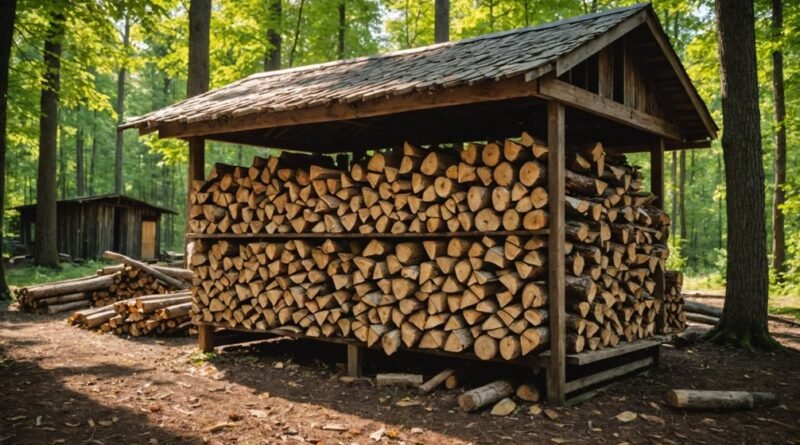
To keep termites out of your firewood, store it at least 20 feet from your home and any other structures. Elevate your stack 8 to 12 inches off the ground using metal or concrete supports. Season your wood until it’s dry, cover only the top with a breathable tarp, and leave the sides open for airflow. Inspect your stack regularly for mud tubes or frass. There’s even more you can do to protect your property.
Key Takeaways
- Store firewood at least 20 to 30 feet away from your home to prevent termites from bridging into your foundation.
- Elevate firewood 8 to 12 inches off the ground using metal racks, concrete blocks, or pallets to block termite access.
- Season firewood thoroughly, aiming for moisture content below 20%, since dry wood is far less attractive to termites.
- Cover only the top of the stack with a breathable tarp to block rain while maintaining airflow and reducing moisture buildup.
- Inspect firewood regularly for mud tubes, frass, or hollow-sounding wood, and isolate any infested logs immediately.
Keep Firewood Away From Your Home and Other Structures
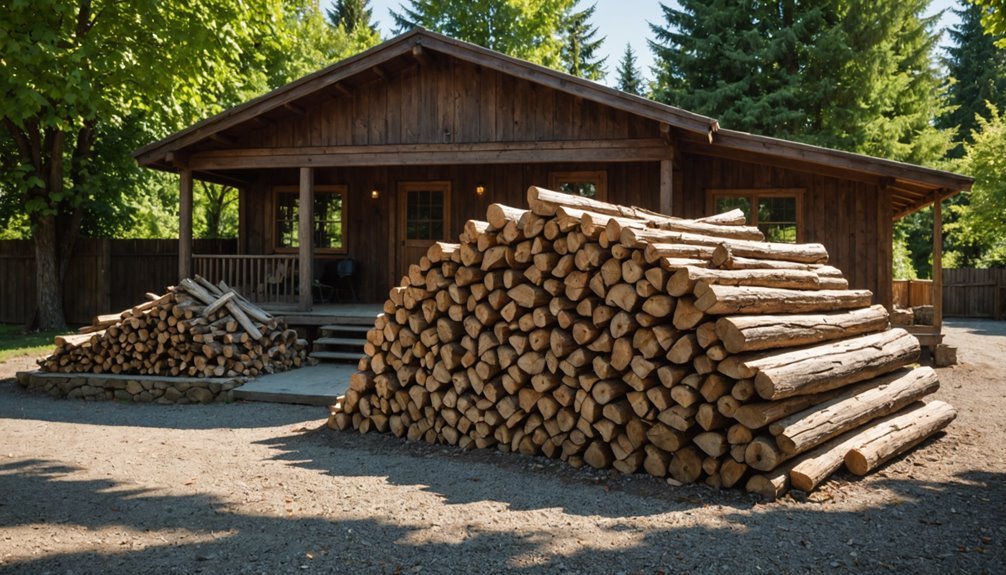
One of the most important rules for storing firewood is keeping it well away from your home and any other structures on your property. Aim for at least 20 feet from your house, though 30 feet or more is better for larger piles.
Never let wood touch exterior walls, fences, sheds, garages, or outbuildings. Direct contact creates a hidden bridge that termites can use to reach your foundation undetected.
Keep the same separation in mind for fences and wooden posts, since termites can travel along any connected wood surface. A detached storage location is always safer than stacking wood beside occupied buildings.
Maintaining open buffer zones between the pile and nearby structures also makes it easier to spot termite activity before it spreads. Choosing a spot with ample sunlight and airflow further reduces the conditions termites need to thrive.
Raise Firewood Off the Ground So Termites Can’t Reach It
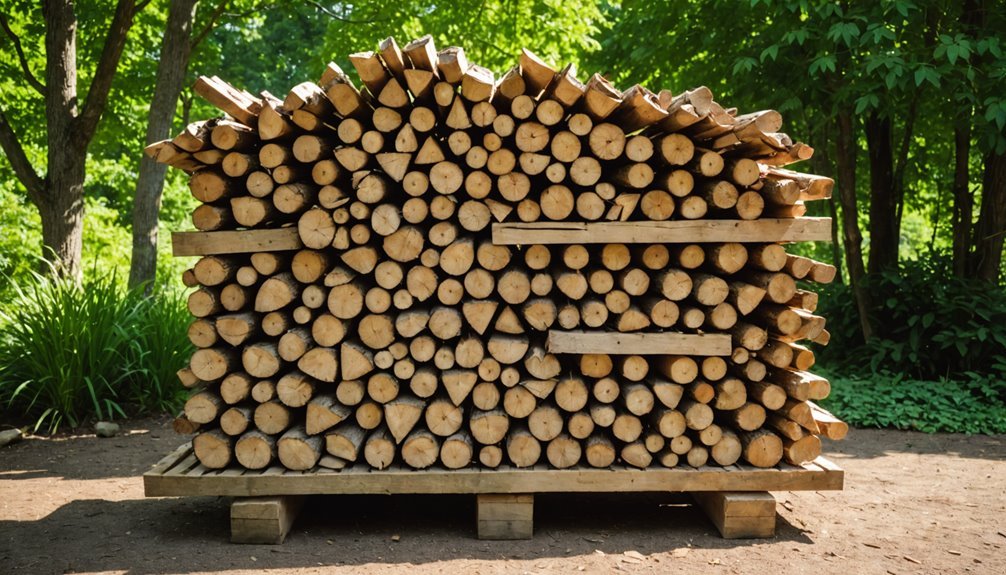
Elevating your firewood off the ground is one of the most effective ways to cut off termite access at the source. Use a firewood rack, pallets, concrete blocks, or a sheet-metal base to lift your stack at least 8 to 12 inches off the soil.
Elevating firewood at least 8 to 12 inches off the ground is one of the most effective ways to cut off termite access.
This gap removes the direct contact point termites rely on to reach your wood. It also improves airflow, helping your wood dry faster and stay drier overall, which makes it far less attractive to moisture-seeking termites.
Choose support materials like concrete, metal, or PVC since termites can’t consume them.
Keep the space beneath your stack open and clear of debris, leaves, and damp soil. A dry, well-ventilated base makes your storage area considerably harder for termites to exploit. Maintain a distance of at least 1-2 feet between your firewood stack and the house to further reduce the risk of termites bridging from the pile to your home’s structure.
Season Firewood Properly to Keep It Dry and Termite-Free
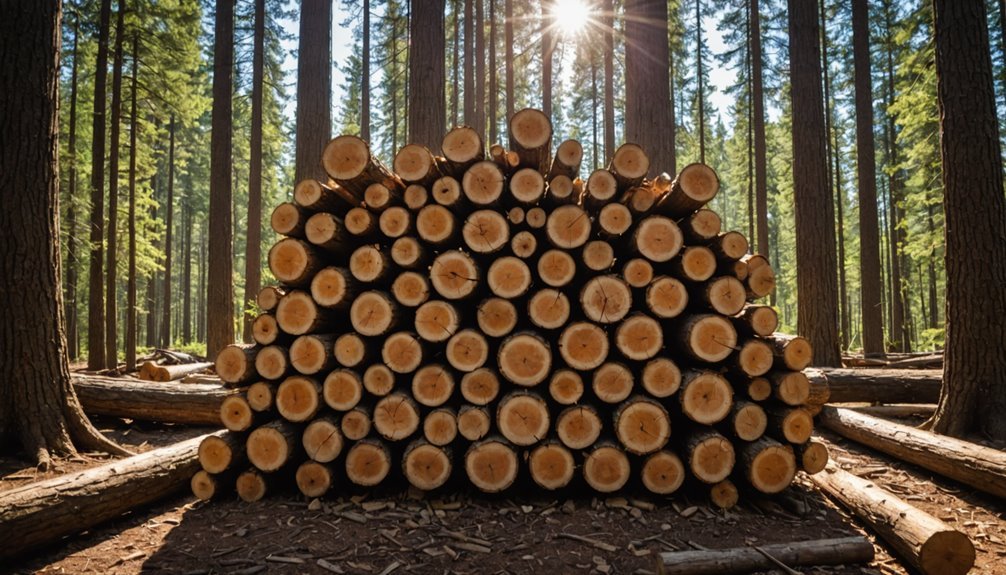
Keeping termites away from your firewood stack doesn’t stop with elevation—the wood itself needs to be dry enough that it stops being worth their attention.
Wet wood attracts insects and burns poorly, so seasoning it correctly matters on both counts.
Split logs before stacking them. Smaller pieces dry faster because moisture escapes through the exposed surface area.
Stack rows with space between logs so air circulates freely, and keep the sides open while covering only the top to block rain and snow.
Softwood needs at least six months; hardwood often needs twelve or more.
Check dryness by knocking two pieces together—dry wood sounds hollow and crisp.
Aim for moisture content below 20% before burning or long-term storage. Burning green wood causes creosote buildup in your chimney and produces far less heat than properly seasoned wood.
Cover the Top but Leave the Sides Open for Airflow
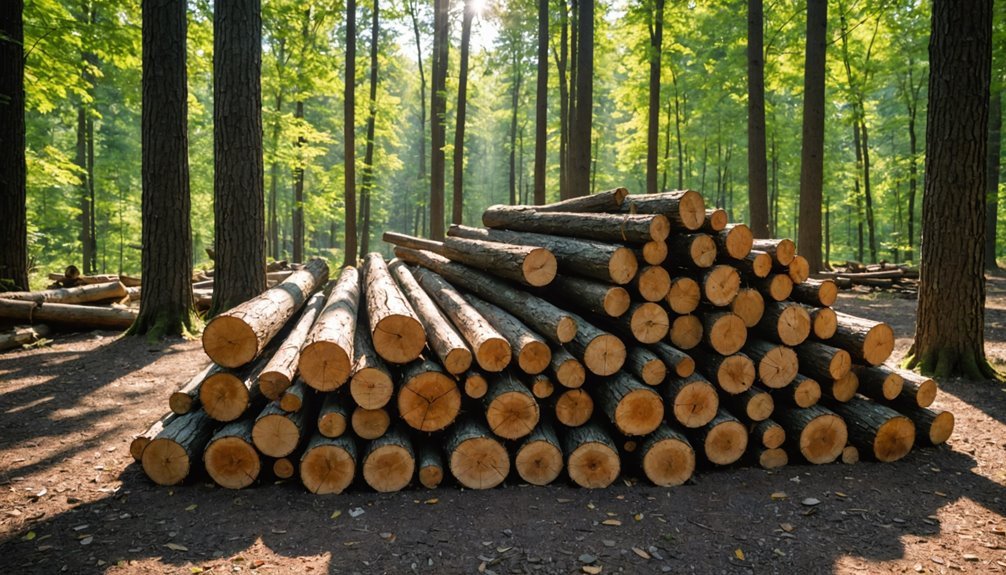
Once you’ve stacked your wood, cover only the top and leave the sides open. A breathable tarp or firewood cover blocks rain and snow while letting air circulate through the pile. Sealing the entire stack traps moisture and promotes mold, so avoid tight plastic wraps.
Here’s what makes this method work:
- Use a sloped cover so water runs off instead of pooling on top of the stack.
- Choose a breathable material like a vented tarp rather than solid plastic that holds humidity against the wood.
- Let the sides stay open so airflow pulls moisture out, reduces condensation, and keeps the damp conditions termites need from building up.
Secure the cover so wind doesn’t repeatedly expose the pile to rain. Keeping your firewood properly dried also reduces its attractiveness to termites looking for moisture-rich wood to infest.
Check Your Firewood Regularly and Act Fast on Any Infestation
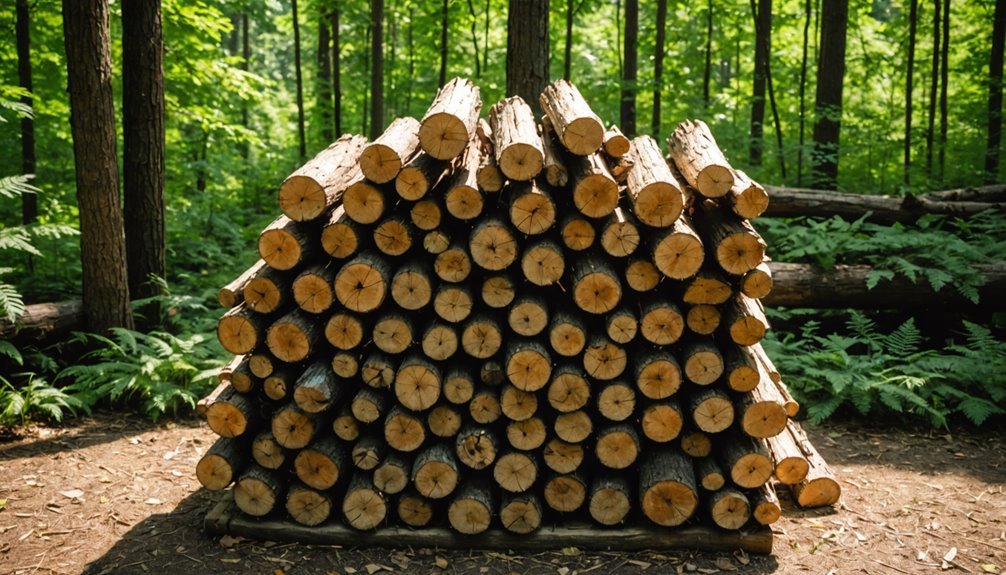
Even with the best storage setup, you’ll want to inspect your firewood regularly so problems don’t go unnoticed until they’ve spread.
Before bringing any logs inside, check for mud tubes, hollow-sounding wood, frass, live termites, or unusual holes. Use a flashlight and a probing tool to examine corners, seams, and ground-level logs closely.
Always inspect logs before bringing them inside — look for mud tubes, frass, hollow wood, or live termites.
If you spot signs of infestation, act immediately. Separate affected logs from the rest of the pile and keep them outside. Burn infested wood if local rules allow, or dispose of it promptly. Don’t leave it stacked near your home or shed.
After removing infested wood, inspect nearby structures and the surrounding soil for tunneling activity.
If the infestation is large, contact a pest control professional before it reaches your foundation. Keeping firewood stored at least 20 feet from your home reduces the risk of termites migrating from the pile to your structure.
Frequently Asked Questions
Can I Treat My Firewood With Pesticides to Kill Termites?
You shouldn’t treat firewood with pesticides. No pesticides are labeled for firewood you’ll burn indoors, as it can release toxic fumes. Instead, store it elevated, dry, and at least 10–20 feet from your home.
Which Type of Wood Is Least Attractive to Termites?
Teak, redwood, cedar, and cypress are your least attractive options for termites. Their dense heartwood and natural oils repel termites effectively. You’ll want to prioritize heartwood sections, as they’re drier, denser, and harder for termites to exploit.
How Long Can Firewood Safely Sit Before Termites Move In?
You shouldn’t let firewood sit for several years. In dry storage, termites’ll perish within weeks. In damp conditions, they can survive up to two years, so keep your wood dry and rotate it regularly.
Should I Rotate My Firewood Pile to Prevent Termite Infestations?
Yes, you should rotate your firewood pile regularly. Work from the sides, not the top, so you’re always using older logs first. This limits undisturbed settling time, which makes your pile far less attractive to termites.
Can Termites Spread to My Home From an Infested Pile?
Yes, termites can spread from an infested pile to your home. If you store wood against your foundation or on bare soil, you’re giving termites a direct pathway into your house’s wooden structures.
Conclusion
Storing firewood the right way doesn’t have to be complicated. By keeping your pile away from your home, elevating it off the ground, letting it dry properly, and checking it regularly, you’re giving termites very few chances to settle in. Stay consistent with these habits, and you’ll protect both your firewood supply and your home from a costly infestation.