How to Keep Termites Out of Your Attic for Good
To prevent termites in your attic, you’ll want to seal gaps around roof vents, eaves, and utility penetrations using caulk or mesh. Fix moisture problems like leaks and poor ventilation, since termites thrive in damp conditions. Keep wood debris and firewood stored well away from your home’s foundation. Inspect regularly for mud tubes, frass, and hollow-sounding wood. Catching an infestation early saves thousands in repairs, and there’s much more you should know.
Key Takeaways
- Inspect and seal roof vents, soffit gaps, and eaves with fine mesh to block drywood termites from accessing attic wood.
- Fix roof leaks and ensure proper attic ventilation to eliminate moisture that attracts termites to wooden structures.
- Watch for frass near rafters, hollow-sounding wood, or discarded wings near light fixtures as early infestation indicators.
- Seal gaps around utility penetrations using caulk or expanding foam to eliminate hidden entry points into the attic.
- Schedule regular professional inspections to detect early warning signs and prevent costly structural damage exceeding $10,000.
How Do Termites Get Into Your Attic?
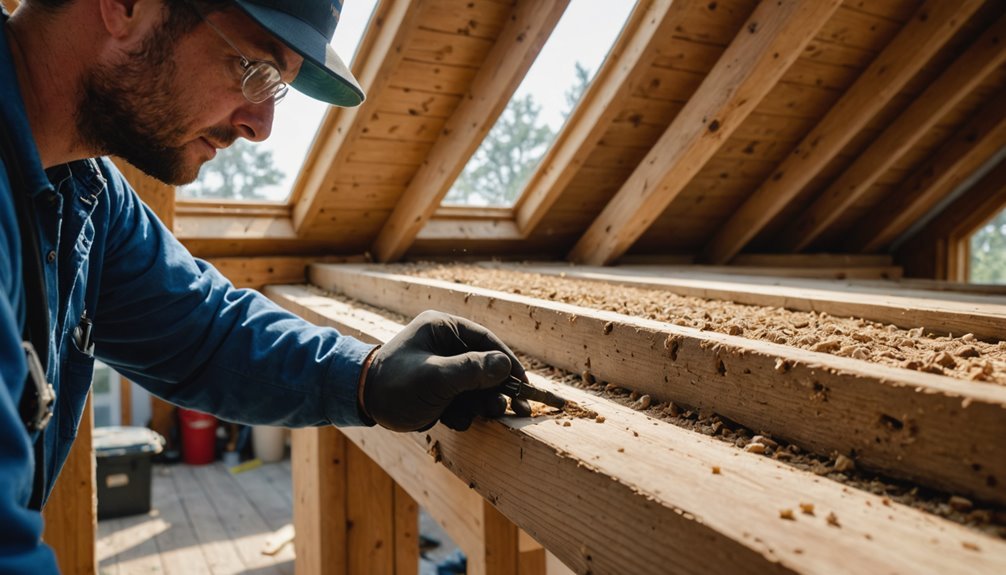
Termites don’t need an obvious entry point to reach your attic — they’re built for hidden, methodical movement through a structure. Subterranean termites typically enter at soil level and travel upward through wall voids, mud tubes, and framing gaps until they reach attic wood.
Termites don’t need an obvious entry point — they move upward through wall voids and framing gaps methodically and out of sight.
You won’t see them moving because they stay inside wood, drywall edges, and narrow structural cavities.
Moisture plays a major role in drawing them higher. Roof leaks, poor ventilation, and clogged gutters create damp conditions that make attic framing an attractive target. Water-damaged rafters and beams are especially vulnerable.
Drywood termites skip soil contact entirely, entering attic wood directly through roof framing or gaps near vents and penetrations.
Overhanging branches and wood-to-ground contact on porches or decks can also give colonies a direct route upward. Formosan termites can even build aboveground carton nests inside walls and attics when chronic moisture goes unresolved.
Annual termite inspections are strongly recommended for homes in active termite areas, as catching an infestation early can prevent colonies from establishing a foothold in attic spaces before significant structural damage occurs.
Seal Entry Points Before Termites Move In
Once you understand how termites reach your attic, the next step is cutting off their access before they get there. Start by inspecting roof vents, open eaves, soffit gaps, and attic access hatches. Cover vents with fine mesh and guarantee hatches close tightly with no perimeter gaps.
Next, seal gaps around utility penetrations where pipes, HVAC components, and exhaust lines enter your walls or roof. Use caulk, expanding foam, or fine metal mesh to close these openings with minimal void space.
Don’t overlook foundation cracks, expansion joints, and slab penetrations. Fill them with appropriate sealants or mortar-compatible repair materials before termites exploit even the smallest opening.
Keep wood elements at least 6 inches above soil, and adjust your landscaping and grading to maintain that separation.
For long-term protection, combine barrier systems, pipe boots, seam tape, and copper mesh with routine inspections to prevent bypass points from developing over time. Gaps around external HVAC units can serve as additional entry points that require sealing with weather-resistant materials to maintain full perimeter security.
Spot the Early Warning Signs of Termites in Your Attic
Even with airtight entry points, termites may already be working through your attic undetected, so knowing what to look for can mean the difference between early intervention and costly structural repairs.
Check wooden beams and surfaces for pencil-width mud tubes made of soil, saliva, and excrement—a hallmark of subterranean termites. Break a small section; if termites appear or the tube repairs within days, your infestation is active.
Look for frass near rafters and joints. These tiny, oval, six-sided pellets roughly 1 mm in size indicate drywood termite activity.
Tap wood surfaces and listen for hollow sounds, signaling hidden galleries inside. Blistered, warped, or buckled wood suggests termites are feeding beneath the surface.
Don’t overlook discarded wings near light fixtures or windows, which confirm swarmers were present. Termites shed these wings after swarming to mate, as fertilized alates shift their focus entirely toward establishing new colonies.
You might also hear faint clicking sounds from within the wood—another clear warning you shouldn’t ignore.
Moisture Control That Keeps Termites Out of Your Attic
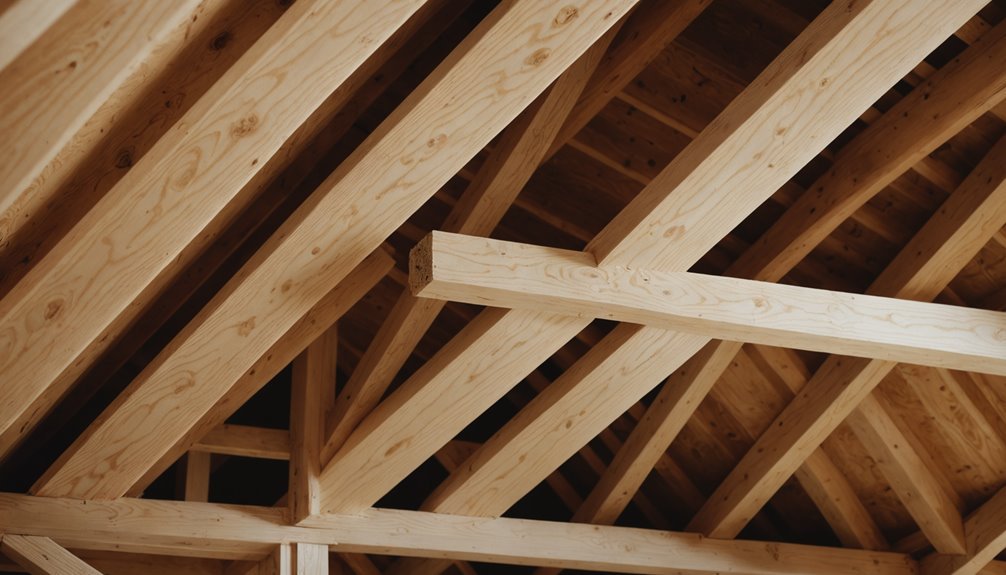
Catching the warning signs early buys you time, but removing the conditions that attract termites in the first place is what keeps them from coming back. Moisture is their primary draw, so controlling it directly reduces your risk.
Moisture is termites’ primary draw — control it, and you remove the reason they keep coming back.
Start by fixing roof leaks, dripping pipes, and condensation problems immediately. Poor attic ventilation traps humid air, so keep vents unobstructed and consider a dehumidifier where airflow is limited.
Check that HVAC drainage lines direct water away from the structure, not toward it.
Outside, clean your gutters and make sure downspouts push water away from the foundation. Grade the soil so surface water drains outward, and adjust irrigation to prevent puddling near walls.
A dry perimeter stops moisture from migrating into wall voids and attic framing. Properties with high moisture levels are 70% more prone to termite infestation, making consistent moisture management one of the most effective long-term prevention strategies available.
Seal cracks around the foundation, utility penetrations, and exterior walls. Keep wood, siding, and mulch from direct soil contact, and maintain a 6-inch clearance between wall coverings and the soil line.
Wood Storage and Debris Habits That Protect Your Attic
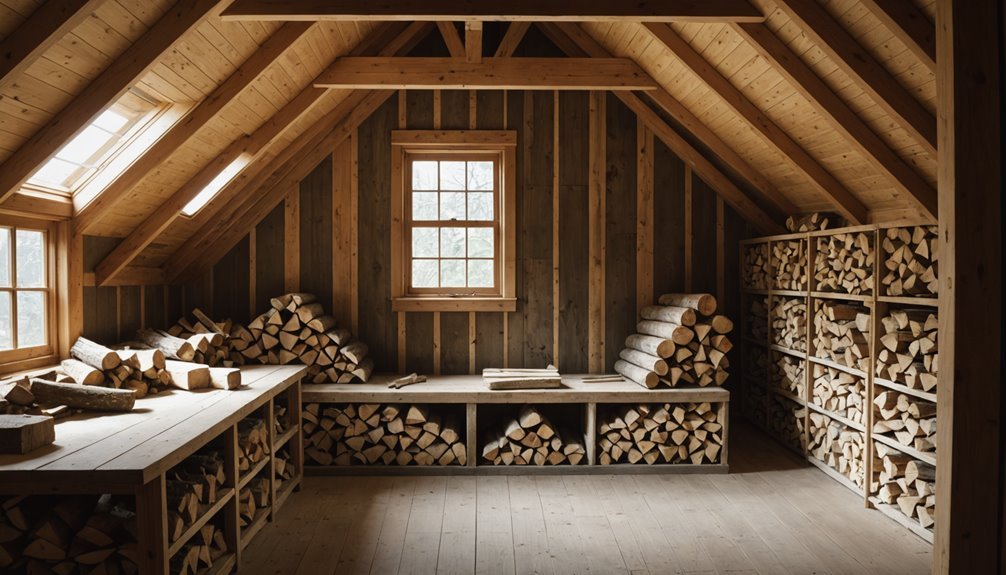
Where you store wood and how you manage debris around your home directly affects your termite risk. Keep firewood at least 1–2 feet from your foundation, and stack larger piles 30 feet away. Never let logs touch the house—that contact bridges termites directly to your structure. Raise wood off the ground, cover it during summer and fall, and always use the oldest logs first.
Remove stumps, dead branches, and buried untreated wood from your property. These debris sources feed colonies that can eventually reach your attic. Termites thrive in moist environments, so eliminating damp wood and debris reduces the conditions that attract and sustain colonies near your home.
| Habit | Correct Practice | Why It Matters |
|---|---|---|
| Storage distance | 1–2 ft minimum; 30 ft for large piles | Reduces termite migration path |
| Wood order | Use oldest logs first | Older wood hides active infestation |
| Debris removal | Clear stumps, roots, rotting wood | Eliminates nearby food sources |
Inspect wood for pin-size holes and mud tubes before bringing any logs indoors.
When Attic Termite Damage Requires a Professional
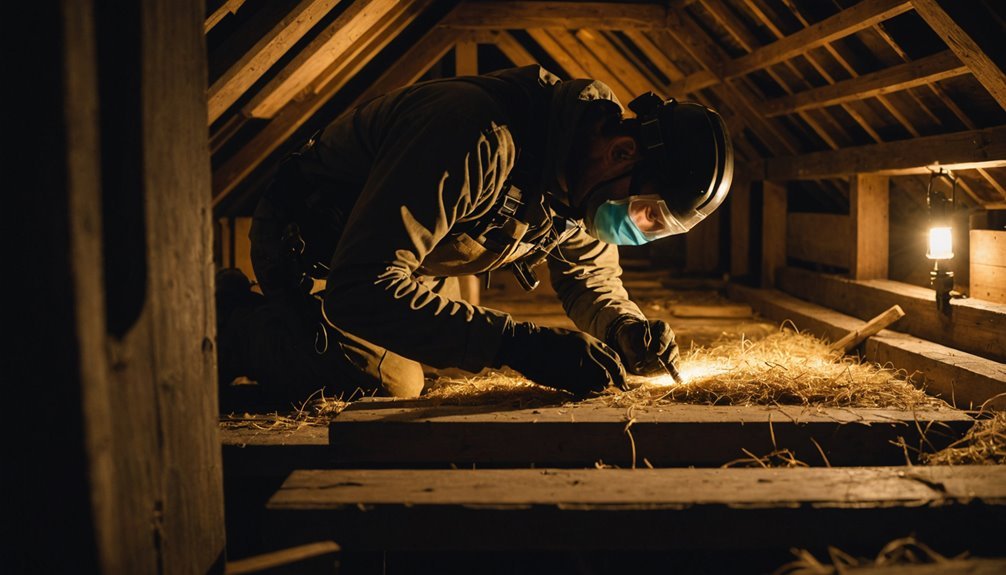
Some attic termite damage is manageable on your own, but certain signs should send you straight to a professional.
Look for these indicators that the job exceeds DIY territory:
1. Structural compromise – Hollow rafters, sagging framing, or soft sheathing suggest internal wood loss.
Damage reaching beams, joists, or load-bearing walls requires a licensed contractor, not patching.
2. Active infestation – Mud tubes, discarded wings, or repeated activity after DIY treatment mean the colony isn’t gone.
Never repair before eradication, or termites will continue destroying repaired areas.
3. Hidden or widespread damage – Surface damage often understates what’s inside.
Professionals probe and tap wood to find hollow sections you can’t see, and they document scope before repairs begin.
Repair costs for structural damage commonly run $3,000 to $10,000+.
Structural termite damage doesn’t come cheap — repairs typically range from $3,000 to over $10,000.
A pest control professional handles eradication first, then a licensed contractor completes the restoration in sequence.
Frequently Asked Questions
Can Termite-Resistant Lumber Replace Treated Wood in Existing Attic Structures?
You can replace treated wood with termite-resistant lumber in your attic, but only for non-critical pieces where code doesn’t require treated wood. Always prioritize dryness, ventilation, and leak repairs to maximize protection.
How Far From the House Should Firewood Be Stored to Prevent Termites?
Store your firewood at least 20 feet from your home to prevent termites. You’ll also want to keep it off the ground on a rack to reduce moisture and limit termites’ access to your house.
Are Physical Sand Barriers Effective for Retrofitting Homes Against Termite Entry?
Yes, physical sand barriers can effectively retrofit your home against termite entry when you install them correctly. Use properly graded particles, guarantee 3–4 inch depths, compact thoroughly, and cover all joints and utility penetrations.
Which Borate Treatments Work Best on Exposed Attic Wood During Renovations?
You’ll get the best results using Bora-Care or Tim-bor on bare, dry attic framing and rafters. Apply them as a spray or brush coat, covering all exposed faces, including cuts and fastener areas.
Do Beneficial Nematodes Reliably Eliminate Drywood Termite Colonies in Attics?
Beneficial nematodes won’t reliably eliminate drywood termite colonies in your attic. They’re suited for soil-dwelling termites, not dry structural wood. You’ll get better results with heat treatment, fumigation, or direct wood-targeted professional intervention.
Conclusion
Your attic doesn’t have to become a termite buffet. By sealing entry points, controlling moisture, and storing wood properly, you’re cutting off the access and resources termites need to thrive. Stay alert to early warning signs so you can act before serious damage sets in. And when things look beyond DIY territory, don’t hesitate to call a professional. A little prevention now saves you from costly repairs later.