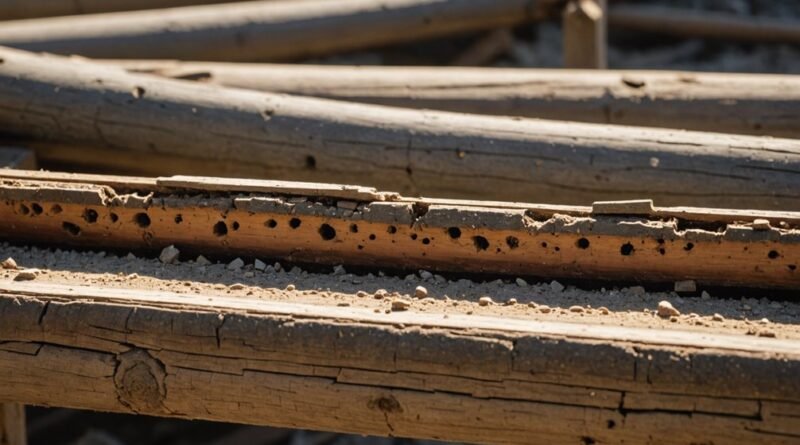
Do Termites Come Back After Treatment
Yes, termites can come back after treatment, and eliminating a colony doesn’t guarantee your home stays protected. New colonies can establish over time, especially if moisture problems or wood-to-soil contact remain unaddressed. No treatment offers permanent protection, and roughly 1 in 5 American homes will experience termite damage. Understanding why they return and what makes your home vulnerable is the key to keeping them gone for good.
Key Takeaways
- Termites can return after treatment; eliminating a colony does not guarantee permanent protection against new colonies establishing over time.
- Moisture issues like leaky pipes and poor drainage create favorable conditions that attract termites back after treatment.
- Incomplete treatment can leave surviving colonies active, increasing the likelihood of reinfestation in previously treated homes.
- Older homes and properties with a history of termite damage face a significantly higher risk of reinfestation.
- Annual professional inspections and sealing entry points help detect and prevent termites from returning after treatment.
Can Termites Come Back After Treatment?
Unfortunately, termites can come back after treatment, and reinfestation remains a real possibility even when an initial treatment is effective. Eliminating an existing colony doesn’t guarantee your home stays termite-free permanently. New colonies can establish themselves over time, leaving your property vulnerable again without proper prevention in place.
Think of termite control as an ongoing process rather than a one-time fix. Even a successful treatment leaves your home exposed to future termite activity if you don’t maintain preventive measures afterward.
The likelihood of reinfestation depends on several factors, including the type of termite involved, the size of the original infestation, the treatment method used, and how consistently you follow up with prevention. Staying proactive is your best defense against termites returning. Addressing moisture issues in your home is one of the most important steps you can take to deter termites from returning after treatment.
Why Termites Return to Treated Homes
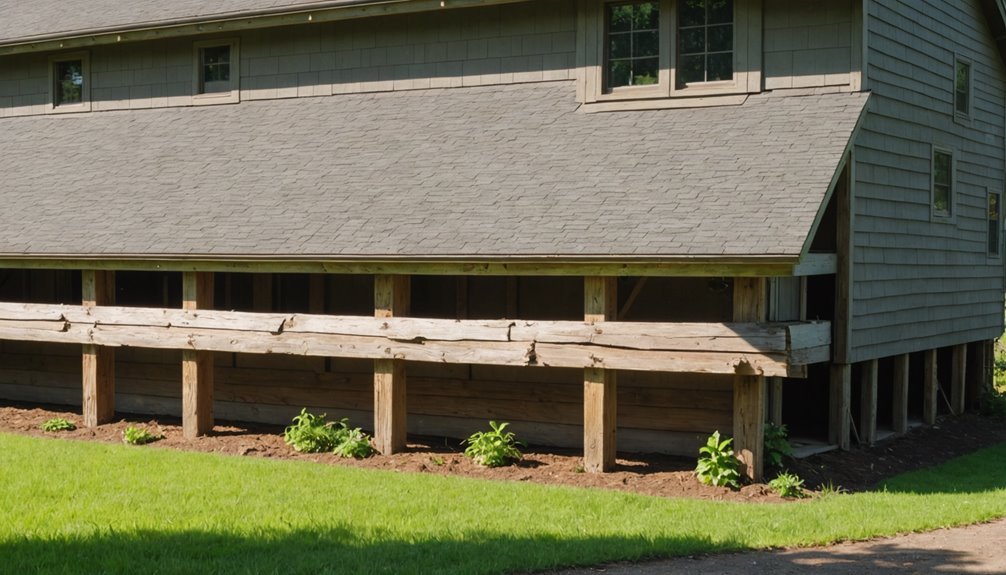
Even after a successful treatment, termites can return if the conditions that originally attracted them haven’t changed.
Moisture problems like roof leaks, poor drainage, or sprinklers wetting your foundation create the damp environment termites seek out, while wood-to-soil contact gives subterranean termites a direct path back into your structure.
If your treatment left gaps in coverage or failed to reach hidden galleries, surviving termites can regroup and re-infest your home over time. Termite colonies can contain hundreds of thousands of members, meaning even a small number of survivors are capable of rebuilding and launching a full reinfestation.
Moisture Attracts Termites Back
Moisture is one of the biggest reasons termites come back after treatment. Termites are moisture-driven insects, and if damp conditions remain in your home, they’ll return regardless of what treatment was applied.
Leaky pipes, roof leaks, poor drainage, and standing water near your foundation all create the wet environment termites need to survive and reproduce.
Damp wood makes the problem worse. Moisture softens wood, making it easier for termites to chew through and digest.
Even treated wood can become attractive again if an underlying leak goes unrepaired.
To keep termites from coming back, fix plumbing and roof leaks, improve ventilation in crawl spaces and basements, clean your gutters, and use dehumidifiers in moisture-prone areas. Termites also rely on moisture to regulate body temperature, making damp environments especially difficult for them to abandon.
Controlling moisture cuts off one of their primary reasons for returning.
Wood-to-Soil Contact Risks
Wood-to-soil contact is another major reason termites come back after treatment. When wood touches the ground, you’re giving subterranean termites a direct, uninterrupted path from their underground colony straight into your home’s structure. Treatment reduces activity, but it doesn’t eliminate the physical access point.
| Contact Zone | Risk Level | Recommended Fix |
|---|---|---|
| Porch posts in soil | High | Use concrete or metal bases |
| Siding near grade | High | Maintain 6-inch clearance |
| Deck support posts | High | Elevate on concrete footings |
| Landscaping timbers | Medium | Replace with gravel or stone |
| Mulch against foundation | Medium | Pull back from structure |
Even treated wood won’t protect you if direct soil contact remains. Pull mulch away from your foundation, raise siding clearance, and inspect these zones regularly. In coastal areas, high moisture levels make these contact points especially dangerous because termites thrive in humid conditions and can move through compromised zones faster than in drier climates.
Incomplete Treatment Coverage
Incomplete treatment coverage is one of the most common reasons termites return after a professional service. When the full foundation zone isn’t treated, gaps in the soil barrier give termites an easy path back into your home.
Drilling errors, spot-only treatments, and skipped areas all reduce effectiveness.
Three coverage failures that lead to recurrence:
- Untreated perimeter sections — treating only visible damage leaves hidden galleries and wall voids untouched.
- Drilling and injection gaps — missed sections during application break the continuity of the barrier.
- Spot treatments — targeting isolated areas instead of the full zone allows colonies to bypass control entirely.
A continuous barrier is the goal, but achieving one requires thorough application across every accessible treatment zone. Professional expertise ensures the full extent of the infestation is identified and treated, reducing the risk of gaps that allow termites to return.
Signs Termites Have Come Back
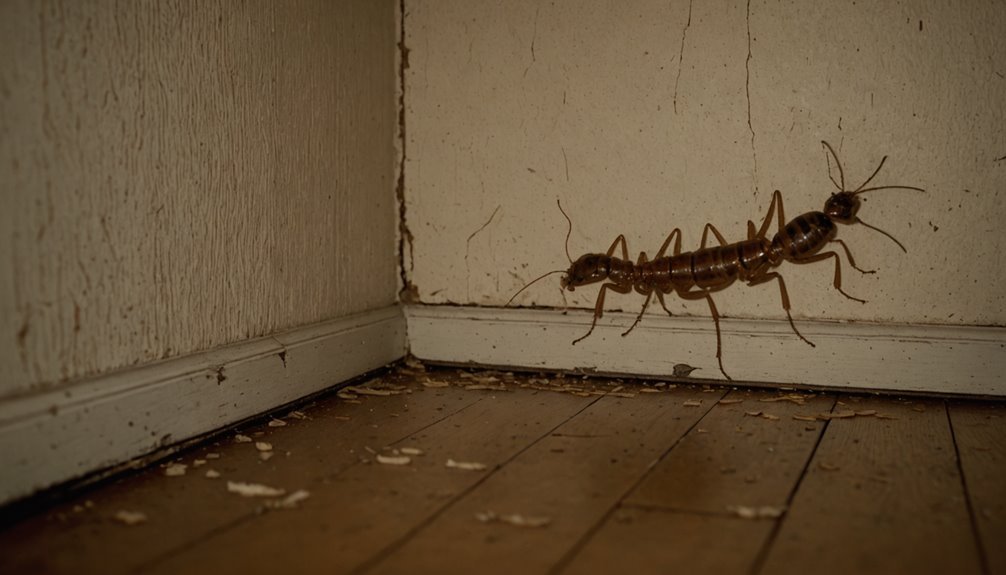
Knowing what to look for can help you catch a termite comeback before it turns into a bigger problem.
Watch for mud tubes on foundation walls or crawl spaces. If you break one open and it’s repaired within a few days, termites are likely still active.
Broken mud tubes that repair themselves within days are a clear sign termites never actually left.
New hollow-sounding wood, holes in drywall, or worsening damage in previously treated areas also signal continued feeding.
Fresh frass near windows, doors, or baseboards points to drywood termite activity, especially if it appears after you’ve already cleaned the area.
Discarded wings near windowsills or light sources are another warning sign, particularly when combined with other fresh evidence.
Monitor the same spots weekly for two to three weeks, and call a professional if activity resurfaces.
Post-Treatment Swarming vs. Active Reinfestation
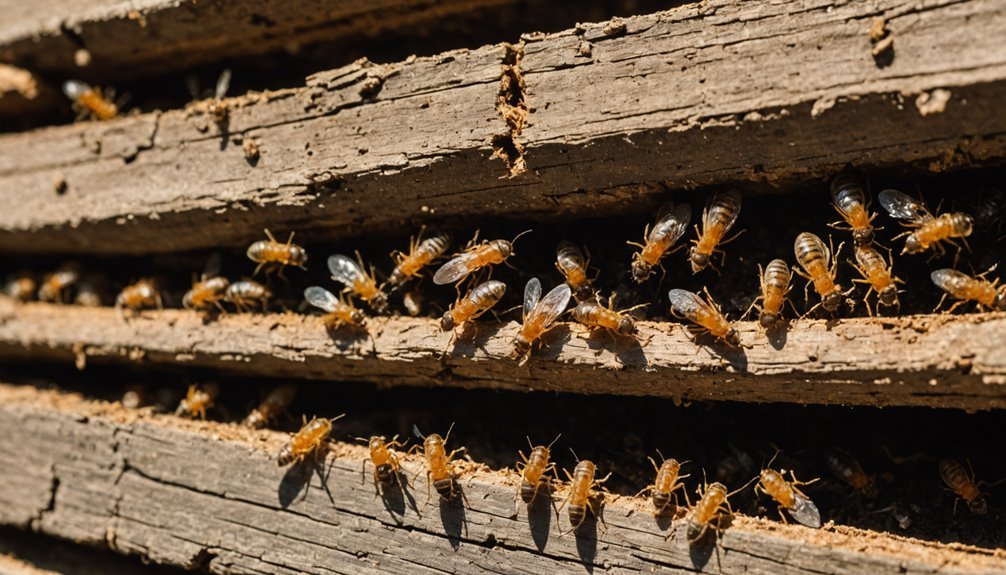
Seeing termites swarm after treatment can send you into a panic, but it doesn’t always mean the job failed. Treatments can irritate colonies and force winged termites, called alates, out of hidden galleries. This exit swarm is a biological reaction, not proof of failure.
However, some swarming signals something more serious.
Watch for these three warning signs that suggest reinfestation rather than a normal post-treatment response:
- New mud tubes appearing after the first month — this is a stronger indicator than any immediate swarm.
- Swarming that continues past 30 days — normal post-treatment activity shouldn’t last this long.
- Swarmers near entry points like windows and doors — combined with ongoing activity, this warrants a follow-up inspection.
How Common Is Termite Reinfestation?
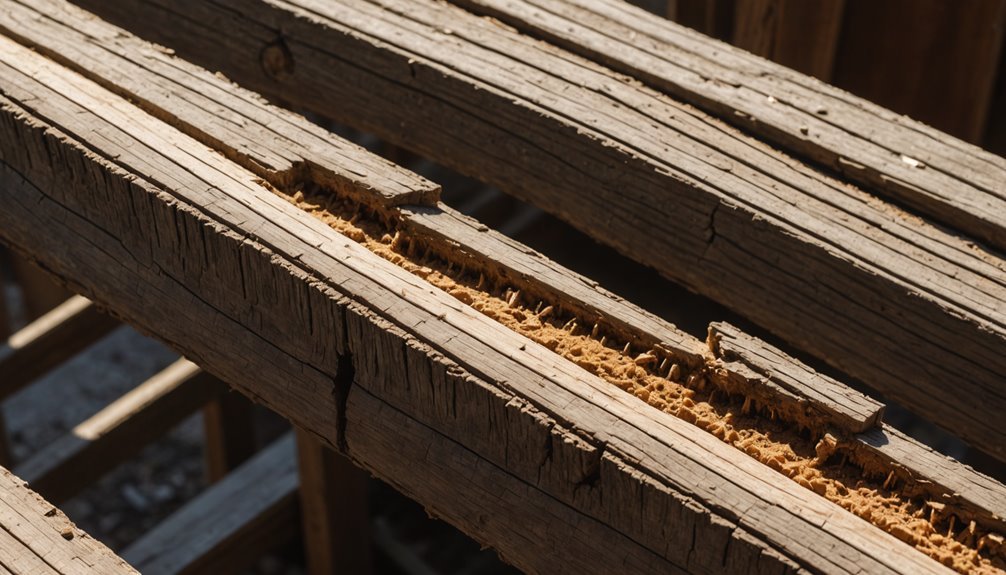
Termite reinfestation is more common than many homeowners expect, though exact rates vary by species, region, and property conditions.
If your home still has moisture problems, wood-to-soil contact, or unsealed foundation gaps after treatment, you’re giving termites a reason to return.
Understanding what conditions drive recurrence puts you in a better position to reduce that risk before it becomes a repeat infestation.
Reinfestation Rates and Statistics
Reinfestation is common enough that the EPA recommends periodic inspections even after a successful treatment. No single universal reinfestation rate exists because recurrence depends on your region, termite species, building conditions, and treatment method.
The scale of the problem in the U.S. makes this risk hard to ignore:
- 600,000 homes are damaged by termites each year, meaning new and repeat cases remain widespread.
- $5 billion is spent annually on termite control and repairs, reflecting the ongoing burden of reinfestation.
- 1 in 5 American homes is expected to experience termite damage over time.
These numbers show that treatment doesn’t guarantee permanent protection. If you live in a high-activity region, your reinfestation risk is even higher.
Conditions That Invite Return
Even after a successful treatment, certain conditions around your home can make reinfestation almost inevitable. Moisture issues, wood-to-soil contact, and yard conditions all create environments where termites thrive.
Leaky pipes, poor drainage, and clogged gutters keep wood damp enough to attract subterranean and dampwood termites. Mulch against your foundation, stacked firewood, and rotting stumps nearby give colonies a foothold before they reach your structure.
| Condition | Why It Matters |
|---|---|
| Wood-to-soil contact | Direct termite entry point |
| Moisture near foundation | Sustains colony activity |
| Gaps around utility lines | Hidden access routes |
| Poor ventilation near vents | Increases wood moisture |
Cracks in foundations and unsealed construction gaps also let termites bypass barriers entirely, making regular inspections essential for catching problems early.
Factors Affecting Recurrence Risk
Whether termites come back after treatment depends on several overlapping factors, and reinfestation is considered possible rather than rare—especially when the original colony isn’t fully eliminated or when conducive conditions remain unchanged.
Three key factors raise your recurrence risk:
- Incomplete treatment – Hidden satellite colonies or untreated soil pathways let surviving termites reestablish activity inside your structure.
- Persistent moisture – Warm, humid environments and damp soil near your foundation continue supporting termite pressure even after treatment ends.
- Structural vulnerabilities – Unsealed cracks, foundation gaps, and wood-to-soil contact restore access points that prior treatment had addressed.
Without ongoing inspections and corrective maintenance, you’re likely leaving the conditions that originally attracted termites in place, making their return considerably more probable.
What Makes Some Homes More Likely to Get Termites Again?
Not every home faces the same risk of termites coming back. Several conditions make your home a more likely target for reinfestation.
Moisture problems — leaky pipes, poor drainage, or humid crawl spaces — keep soil and wood wet enough for termites to thrive.
Leaky pipes and poor drainage don’t just cause water damage — they create the perfect conditions for termites to return.
Wood-to-soil contact, mulch against your siding, or firewood stacked near the house gives them easy access.
Foundation cracks and loose seals around plumbing or conduit create entry points termites can exploit through gaps as small as 1/32 inch.
Older homes, especially those over 70 years old, face higher attack rates than newer construction.
If your home has a history of termite damage, limited inspections, or treatments applied years ago, the termiticide may have degraded enough to leave you vulnerable again.
How to Stop Termites From Coming Back
Stopping termites from coming back starts with eliminating the conditions that attract them in the first place. You’ll want to address moisture, wood contact, and entry points consistently.
- Control moisture – Fix leaks, improve drainage, and keep crawl spaces dry. Termites need moisture to survive, so removing it makes your home far less inviting.
- Eliminate wood-to-soil contact – Keep wood siding, decks, and posts at least 6 inches above ground. Store firewood on a rack away from the house.
- Seal entry points and schedule inspections – Fill foundation cracks, caulk utility penetrations, and screen exterior vents. Annual professional inspections catch new activity before colonies establish.
Since reinfestation hits roughly 37% of treated homes, staying proactive isn’t optional—it’s necessary.
When Should You Call for Retreatment?
Even with preventive measures in place, there’s a point where you need to stop asking whether termites might return and start confirming whether they already have.
Call for retreatment if you find live termites, mud tubes, hollow-sounding wood, or swarmers inside your home after the original service period. These signs suggest the barrier has been breached or colonies have shifted.
You should also consider retreatment when your liquid treatment is approaching the five-to-ten-year mark, especially if soil conditions or moisture may have reduced its effectiveness.
Fumigation offers no lasting protection, so new activity after gassing always warrants a follow-up.
Check your service agreement first. Coverage depends on whether your plan includes retreatment, what it excludes, and when inspections are scheduled.
Annual Inspections, Barrier Treatments, and Long-Term Prevention
Once treatment is complete, annual inspections become your primary tool for catching new activity before it causes serious damage. A licensed inspector can identify mud tubes, swarmers, frass, and wood damage far more reliably than a casual walkthrough.
Even newer buildings aren’t immune, so don’t skip inspections based on age alone.
Pair inspections with these three prevention habits:
- Reduce moisture — fix leaks and redirect gutters away from your foundation to eliminate conditions termites thrive in.
- Eliminate wood-to-soil contact — keep firewood, mulch, and lumber away from your structure.
- Seal entry points — close foundation cracks and gaps around plumbing before termites exploit them.
Treat your renewal contract as ongoing protection, not a one-time fix.
Frequently Asked Questions
Does Homeowner’s Insurance Typically Cover Termite Reinfestation Treatment Costs?
No, homeowner’s insurance typically doesn’t cover termite reinfestation treatment costs. Insurers consider it a preventable maintenance issue, not a sudden loss. You’ll want to check your specific policy for any endorsements that might offer limited coverage.
Can Termites Return Through Shared Walls in Condos or Townhouses?
Yes, termites can return through shared walls in condos or townhouses. They’ll travel through shared framing, foundations, and utility penetrations, moving between units without visible signs until damage or swarmers appear.
How Long Does a Professional Termite Treatment Typically Remain Effective?
Your professional termite treatment typically lasts 5–10 years, depending on the method used. Liquid barriers can protect up to 10 years, while fumigation averages around 5. You’ll want annual inspections to guarantee your protection stays intact.
Are Certain Geographic Regions More Prone to Termite Reinfestation Than Others?
Yes, certain regions are more prone to reinfestation. If you’re in the South, Gulf Coast, or Pacific states, you’ll face higher risks because warm, humid climates create ideal conditions for termites to return after treatment.
Can Termites Develop Resistance to Commonly Used Treatment Chemicals Over Time?
Termites can technically develop resistance, but you’re more likely dealing with missed zones, incomplete coverage, or reinfestation. Treatment failure usually stems from poor application or untreated entry points rather than true chemical resistance.
Conclusion
Termites can absolutely come back after treatment, but you don’t have to let them win. By scheduling annual inspections, fixing moisture problems, and maintaining your home’s barrier treatments, you’ll dramatically reduce your chances of reinfestation. Stay alert for warning signs like mud tubes or discarded wings, and don’t wait to call a professional if something looks suspicious. Your best defense is staying proactive rather than assuming one treatment protects you forever.