Termites Outside Your Home? Warning Signs to Watch
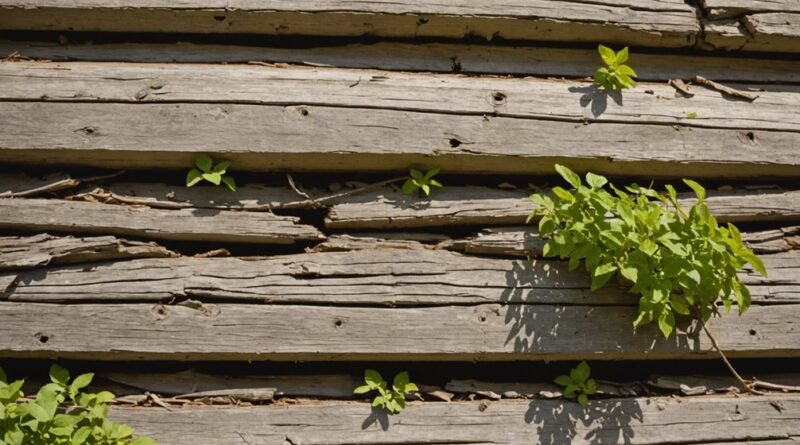
Outdoor termite warning signs include mud tubes along your foundation walls, discarded wings near doors and windows, and hollow-sounding wood on fences or deck posts. You might also spot frass piles resembling sawdust near wooden structures or notice sagging boards and blistering paint. Swarmers typically appear after spring rain, signaling a nearby colony. Catching these signs early can mean the difference between a minor fix and major structural damage, and there’s much more to uncover.
Key Takeaways
- Mud tubes on foundation walls are earthen tunnels built by termites for moisture and protection, indicating active foraging between soil and structure.
- Discarded wings near windowsills, door thresholds, and outdoor lights signal recent swarming and a nearby active termite colony.
- Hollow-sounding wood, sagging fence panels, or buckling deck boards suggest internal termite damage requiring immediate inspection.
- Frass, resembling sawdust near wood surfaces, indicates drywood termite activity; a returning pile after cleaning confirms an active colony.
- Direct wood-to-soil contact, damp foundations, and wood-based mulch near walls create high-risk conditions that attract subterranean termites.
Where to Look for Termite Signs Outside Your Home
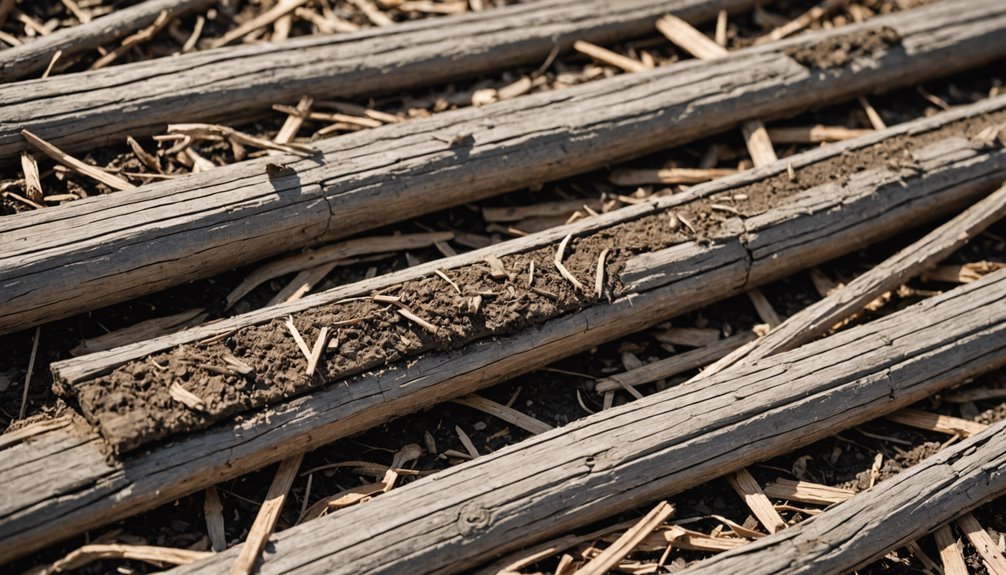
Termites are often active long before they reach your home’s structure, which makes your yard one of the first places you should inspect. Start by checking dead or dying trees, stumps, and fallen logs for hollow-sounding wood, maze-like channels, or live termites inside decayed sections.
Termites often reach your yard long before your home, start inspecting trees, stumps, and logs first.
Move on to fences, deck posts, and wooden structures contacting soil. Look for softness, blistering surfaces, or wood that separates into layers near ground level, where subterranean termites typically enter first.
Inspect firewood stacks and lumber piles for frass, discarded wings, or termites hiding between boards. Keep stored wood off damp ground whenever possible.
In your yard, check mulch beds, pavers, and objects resting on soil for hidden feeding activity or soil-packed tunnels beneath them. Termites construct mud tubes along foundations as a means of maintaining moisture and traveling safely between their nest and food sources.
Finally, watch exterior windows, doors, and porch lights for winged swarmers, especially after spring rain, since their presence often signals a nearby active colony.
Mud Tubes on Foundations and Exterior Walls
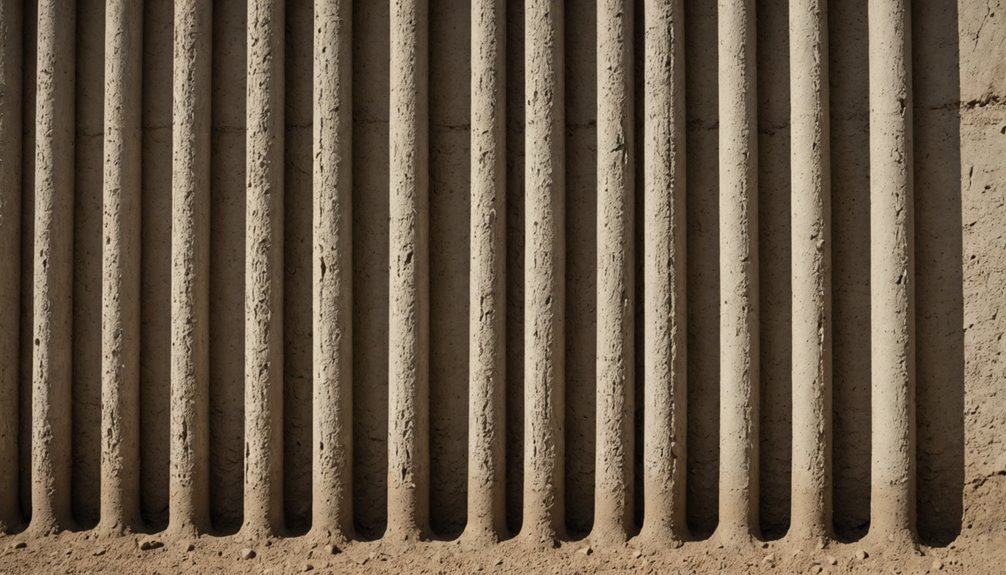
Among the most recognizable warning signs of a subterranean termite infestation, mud tubes are narrow, earthen tunnels that termites construct from soil, wood particles, feces, and saliva to travel safely between their underground colonies and the wood in your home.
These tubes retain moisture and shield termites from predators and open air, making above-ground feeding possible.
You’ll typically spot them climbing your foundation walls or exterior surfaces as thin, pencil-wide brown lines. They often appear near cracks, gaps, and penetrations where termites gain easier access.
Their location can reveal the exact entry point termites are using.
If you find a tube, break a small section and check for live termites or repairs within 24–48 hours, both indicating an active colony.
Even empty tubes warrant a professional inspection, since hidden activity may still exist.
Don’t delay—termites using your structure can cause significant damage before you notice other signs. Certain species, such as Formosan subterranean termites, can harbor colonies exceeding one million individuals and devastate wood far more rapidly than native termite species.
Swarmers and Discarded Wings Near Your Home
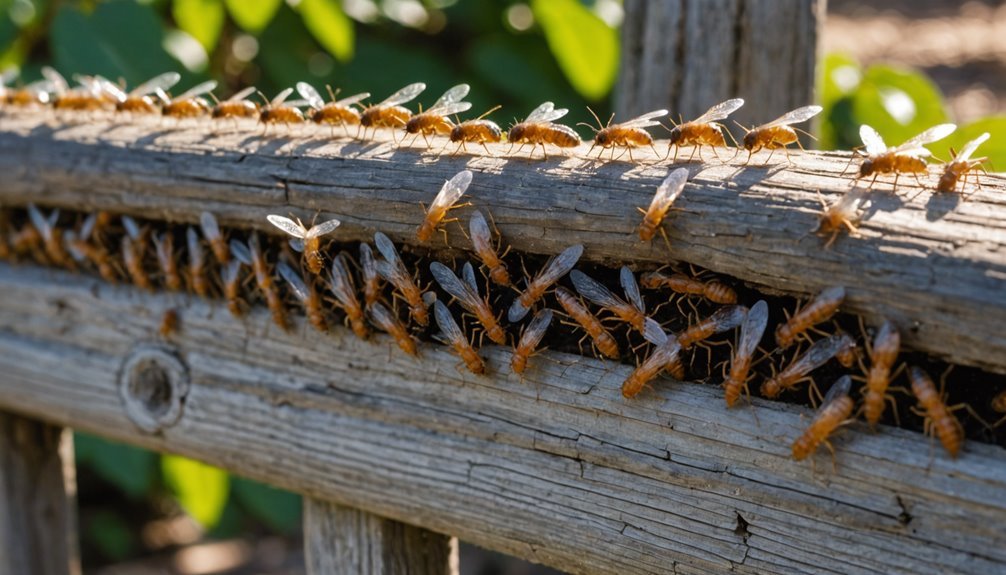
While mud tubes signal active termite movement through your walls and foundation, swarmers and discarded wings are often the first outdoor clues that a colony is nearby. Swarmers are winged reproductive termites that emerge during a colony’s dispersal flight. Spotting even a few outside doesn’t confirm an indoor infestation, but it does mean a colony is close.
Spotting swarmers outside doesn’t confirm an indoor infestation, but it does mean a colony is dangerously close.
After swarming, termites shed their wings quickly, leaving scale-like piles near windowsills, door thresholds, porch edges, and outdoor lights. Check these areas carefully, since wings can appear even when you don’t see live termites.
If you find discarded wings, photograph them before cleaning up. Scattered evidence reduces diagnostic value during a professional inspection.
Also inspect nearby exterior surfaces for shelter tubes or hidden entry points. Repeated wing finds around the same area strongly suggest an active colony, so arrange a professional inspection promptly rather than waiting for more obvious damage to appear. Swarmers typically emerge after rain and warm weather, making post-storm inspections of your exterior especially important.
Wood Damage Signs on Fences, Decks, and Posts
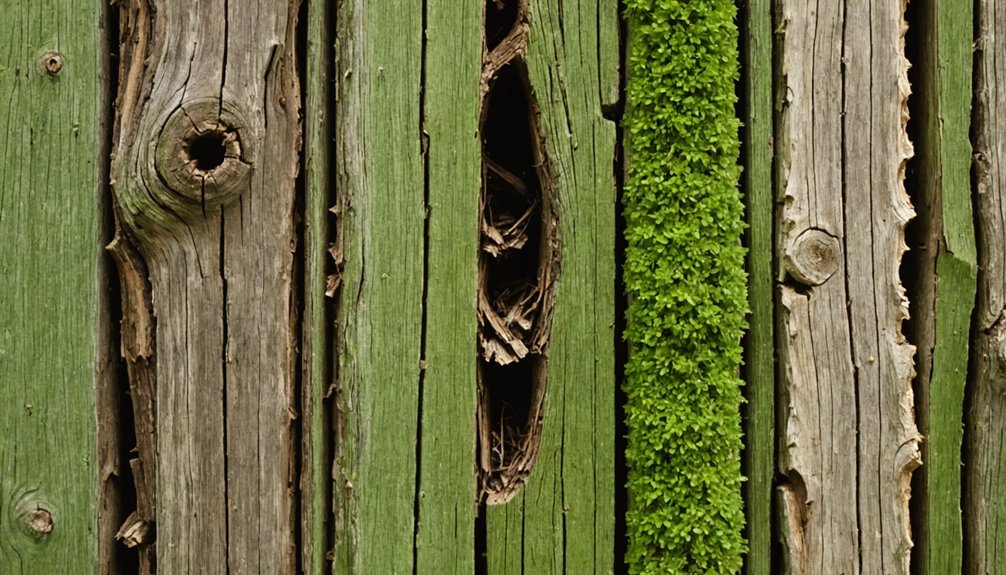
Fences, decks, and posts often show termite damage long before any indoor signs appear. Tap along your fence boards or deck planks and listen closely. A hollow or papery sound means termites have likely eaten the wood from the inside out, leaving only a thin outer layer intact.
Watch for these outdoor warning signs:
- Hollow-sounding wood that feels soft, brittle, or punctures easily under light pressure
- Visible tunnels or galleries inside split or broken lumber running through the grain
- Sagging, leaning, or buckling fence panels and unstable deck boards that flex underfoot
- Moisture-prone areas near soil, mulch, or poor drainage where subterranean termites gain easy access
Pay extra attention to posts at the ground line, since soil contact and moisture make that zone especially vulnerable.
Early damage is easy to miss, so inspect regularly rather than waiting for visible structural problems. Choosing naturally termite-resistant wood like cedar, redwood, or cypress for fences and decks can significantly reduce the risk of infestation from the start.
Outdoor Frass Piles and What They Reveal About Drywood Termites
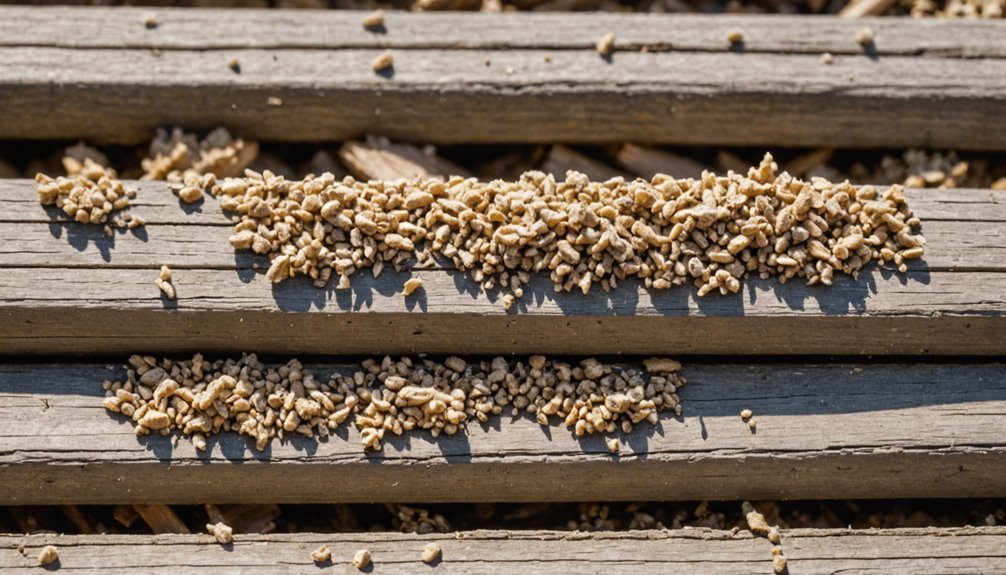
Drywood termites leave behind a different kind of outdoor clue than the structural damage you’ll spot on fences and posts. They push fecal pellets, called frass, out through tiny kick-out holes in infested wood.
These holes measure roughly 1 to 2 mm wide, and the pellets collecting beneath them are six-sided, about 1 mm long, and feel dry and gritty. Piles often resemble sawdust, coffee grounds, or salt and pepper. Color varies from light tan to dark brown depending on the wood being consumed.
A single pile isn’t always cause for alarm, since old holes can still shed pellets after activity has stopped. However, if a pile returns after you’ve cleaned it up, that’s a stronger sign of an active colony.
Pair that with hollow-sounding wood, shed wings, or visible swarmers, and you should arrange a professional inspection promptly. Termites cause over $5 billion in property damage across the United States every year, and most homeowner insurance policies do not cover the cost of repairs.
What Bubbling Paint and Warped Wood Are Telling You
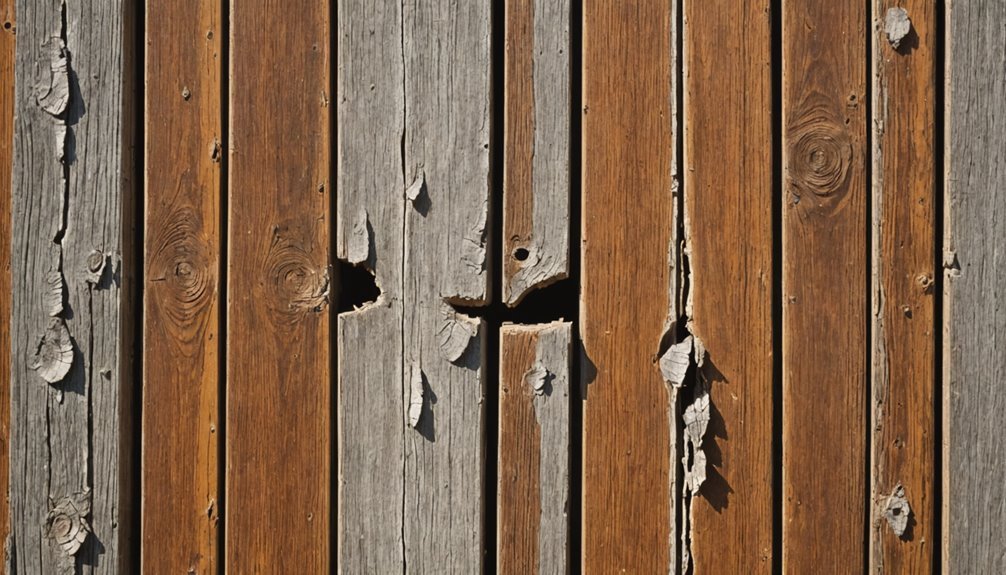
Paint doesn’t bubble or peel without a reason, and when it happens near wood surfaces, termites are one cause worth ruling out. Termites feed from the inside out, leaving paint unsupported and wood compromised before you notice anything visible.
Warped doors and windows that suddenly stick can point to the same hidden damage.
Watch for these warning signs together:
- Bubbling, cracking, or rippling paint near trim, siding, or window frames
- Soft or hollow-feeling wood beneath distorted paint
- Doors or windows that no longer open or close properly
- Paint failure accompanied by tiny pinholes or missing surface material
When these signs appear in the same area, they’re harder to dismiss as weathering or moisture alone.
Press the surface gently—if it gives or feels weak, the wood underneath may already be structurally compromised and needs professional inspection.
Outdoor Conditions That Raise Termite Risk
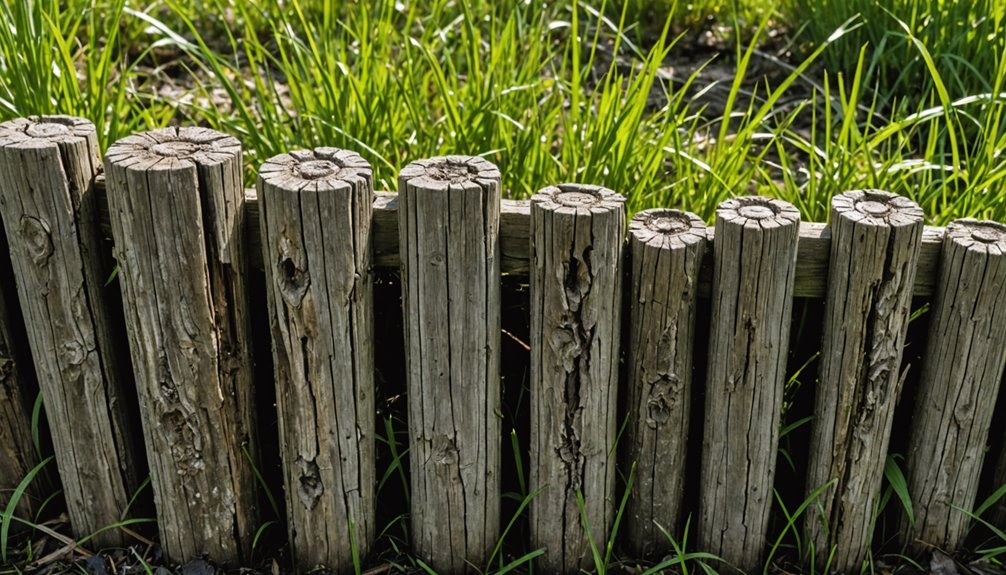
Your yard and the area directly surrounding your home can quietly set the stage for a termite problem before any damage becomes visible inside.
Wood that contacts soil, moisture trapped by mulch or poor drainage, and decaying organic material like stumps and dead trees all give termites exactly what they need to establish and expand a colony.
Once you recognize these outdoor conditions, you can take targeted steps to reduce your exposure before an infestation takes hold.
Soil-to-Wood Contact Risks
When wood makes direct contact with soil, subterranean termites gain an immediate and often hidden pathway into your home’s structure. You won’t always see active termites, but ground-contact wood is a warning sign on its own.
Early damage stays concealed until deterioration becomes serious.
Watch for these specific risk areas:
- Deck or fence posts set directly in soil instead of on concrete bases or metal supports
- Siding, trim, or door frames sitting too close to grade level
- Steps or lattice touching the ground without any separation
- Buried form boards or wood debris left near the foundation
Even a few inches of separation reduces termite access. If you spot any wood-to-soil contact, treat it as a potential infestation site regardless of visible activity.
Moisture and Mulch Hazards
Outdoor moisture is one of the strongest environmental factors driving termite activity near your home. Damp soil near your foundation gives subterranean termites the conditions they need to tunnel, forage, and establish themselves close to your structure.
Leaking pipes, poor drainage, and irrigation overspray all create localized wet zones that support colony activity.
Mulch compounds the problem when it’s mismanaged. Wood-based mulches like pine bark and hardwood hold moisture and provide shelter, especially when piled too thick or pressed directly against your foundation.
Keep mulch to about two or three inches deep and maintain at least a six-inch gap from your foundation walls. That clearance allows soil to dry naturally, improves airflow, and makes it easier to spot early warning signs of termite movement.
Stumps, Logs, and Dead Trees
Beyond moisture and mulch, the dead and decaying wood scattered around your yard carries its own set of risks. Stumps, logs, and dead trees give termites an easy food source and a stable place to establish a colony.
Once they’re settled, spreading toward your home becomes the next step.
Watch for these outdoor warning signs:
- Mud tubes running along stumps or nearby surfaces
- Hollow sounds when you tap a dead trunk or log
- Shed wings near decaying wood, signaling a recent swarm
- Soft, crumbling wood that a screwdriver penetrates without resistance
Stumps close to your home are especially concerning.
The longer decaying wood sits in place, the more likely it attracts and sustains an active colony.
The Most Common Outdoor Termite Signs Homeowners Overlook
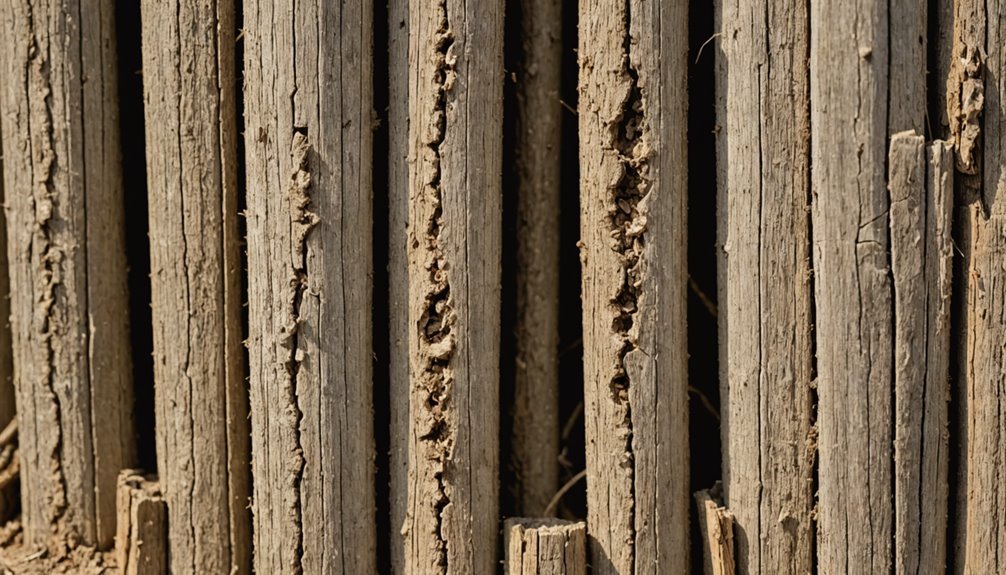
Many of the most telling termite signs appear outside the home, yet they’re easy to miss during a casual walkthrough. Mud tubes along foundation walls are one of the clearest indicators. These pencil-thin to finger-width tunnels run along concrete, block, or brick surfaces and connect soil to the wood above.
Don’t assume an empty tube means the threat has passed.
Discarded wings near entry points are another overlooked clue. Swarmers shed their wings after mating, leaving small piles near doors, vents, and window frames. Finding wings close to the foundation raises more concern than finding them elsewhere on the property.
You should also watch for blistering paint, hollow-sounding wood, or tiny exit holes near siding, porches, and patios.
Monthly checks of foundation-to-soil contact areas help you catch these signs before termites cause serious structural damage.
Why Early Outdoor Detection Matters Before Damage Spreads
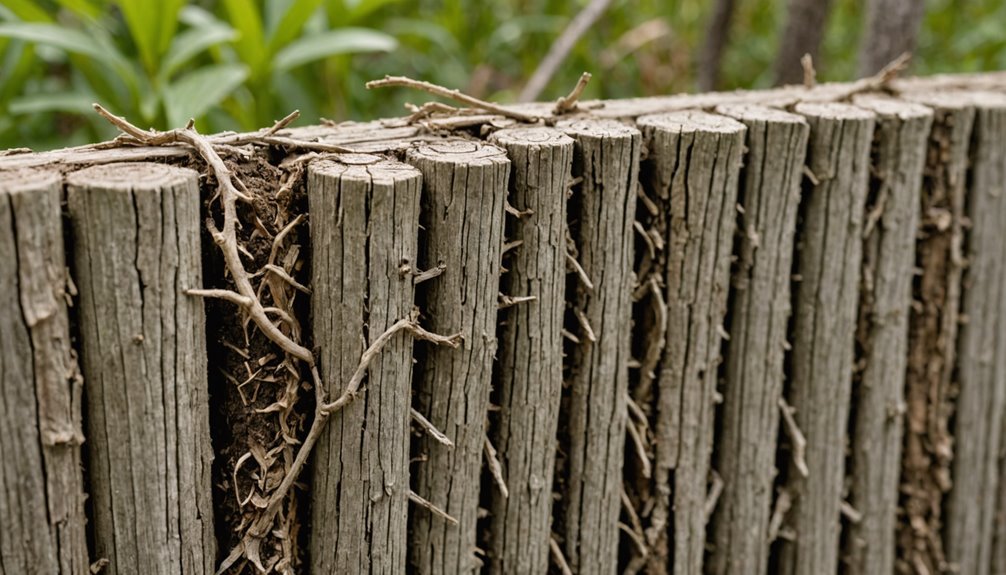
Catching termite activity outside your home early gives you the best chance of stopping a colony before it reaches structural wood. Termites stay hidden in soil, mud tubes, and wood, so damage often progresses before you notice anything.
Outdoor signs near your foundation frequently appear before the colony moves deeper into framing or flooring.
Early detection helps you act on several fronts:
- Seal entry points like foundation cracks and utility openings before repeated access develops
- Address moisture problems such as poor drainage or crawl space humidity that attract termites
- Remove wood debris near the foundation while the threat is still manageable
- Choose treatment faster, since control works best before colonies become well established
Swarms, discarded wings, and mud tubes are signals worth taking seriously immediately.
The longer a colony feeds internally, the more wood becomes hollow and brittle, making repairs far more costly.
Which Outdoor Signs Require Immediate Professional Inspection
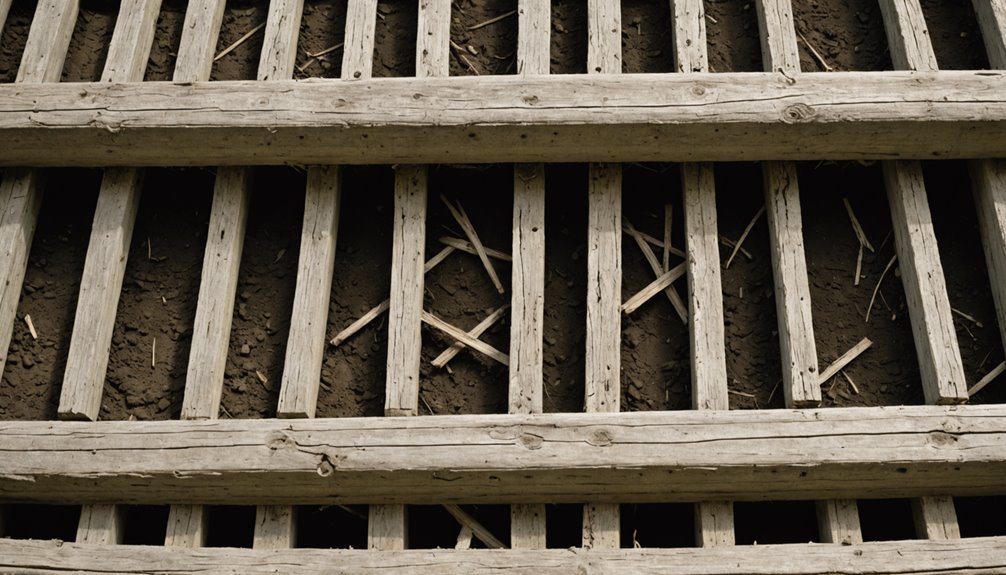
If you spot active mud tubes climbing your foundation or swarming termites near entry points, you shouldn’t wait to call a professional.
Mud tubes signal that subterranean termites are actively foraging between soil and your structure, while swarmers indicate a colony is expanding close enough to threaten your home.
Both signs require immediate professional inspection because the damage occurring beneath the surface is almost always worse than what you can see.
Active Mud Tubes
Mud tubes are one of the most telling outdoor signs that subterranean termites are actively working their way into your home. These pencil-thin tunnels of soil, wood particles, and saliva let termites travel unseen while staying protected from light and dry air.
If you spot tubes that look moist, dark, or repair quickly after breaking, you’re likely dealing with a live colony.
Watch for tubes in these urgent locations:
- Foundation walls connecting soil directly to structural wood
- Cracks, gaps, and plumbing entries termites use as access points
- Exterior siding and beams showing upward travel toward framing
- Crawl spaces and subfloor areas hiding active feeding sites
Don’t wait—call a professional immediately to confirm activity and assess hidden damage.
Swarms Near Foundation
Termite swarms near your foundation are one of the clearest outdoor signals that a mature colony may be threatening your home. Swarmers concentrated along foundation walls, expansion joints, or cracks demand immediate professional review.
If you’re spotting wing piles near siding, vents, or foundation edges, treat those as early indicators of active swarming. Swarmers near exterior lights, crawl-space access points, or mulch beds close to your structure also warrant inspection.
Keep in mind that outdoor swarmers don’t always confirm an infestation inside your home, but proximity to your foundation still raises serious concern.
Swarmers themselves don’t cause structural damage, but they signal that worker termites may already be destroying hidden wood.
Don’t wait — repeated or large swarming events mean a colony is actively expanding.
Frequently Asked Questions
How Much Does a Professional Termite Inspection Typically Cost Homeowners?
You’ll typically pay $75 to $325 for a professional termite inspection, with $100 being the national average. Final costs depend on your home’s size, location, and whether you need extra documentation.
Can Termite Activity Outdoors Spread Inside My Home if Untreated?
Yes, untreated outdoor termite activity can absolutely spread inside your home. Termites travel through mud tubes, cracks, and wood-to-soil contact points, silently damaging your structure from the inside out before you’ll even notice visible signs.
Are Certain Geographic Regions More Vulnerable to Outdoor Termite Infestations?
Yes, you’re at higher risk if you live in warm, humid regions like the Southern States, Gulf Coast, or Pacific Coast. Moisture, soil contact, and accessible wood make these areas especially vulnerable to outdoor termite infestations.
How Long Does a Termite Colony Take to Cause Serious Structural Damage?
You’re typically looking at 3 to 5 years for noticeable structural damage, though Formosan termites can cause serious harm in just 6 months. Colony size, species, and available wood all affect how quickly damage progresses.
Does Homeowners Insurance Generally Cover Termite Damage Repairs Outdoors?
Your homeowners insurance generally won’t cover outdoor termite damage repairs. Insurers treat termites as a preventable maintenance issue, so you’ll typically pay out of pocket for damaged decks, fencing, siding, and other exterior structures.
Conclusion
Spotting termite warning signs outdoors early can save you from costly structural repairs down the road. You’ll want to regularly inspect your foundation, fences, decks, and soil conditions for mud tubes, frass, damaged wood, and discarded wings. Don’t wait until you notice interior damage to take action. If you’re seeing any of these outdoor signs, contact a licensed pest control professional immediately, termites won’t stop spreading on their own.