How Long Does a Termite Infestation Last Untreated
Untreated termite infestations can wreak havoc on your home for years, often staying hidden until significant damage occurs. It might take 3 to 5 years for the initial signs to appear, but by 8 years, the damage could result in structural collapse, costing tens of thousands in repairs. Factors like termite species, colony size, and environmental conditions influence how quickly destruction happens. Discover more about how these invasions progress and ways to protect your home.
Key Takeaways
- Untreated termite infestations may go unnoticed for 3 to 5 years before significant damage becomes apparent.
- Noticeable structural issues typically emerge within 3 to 8 years of untreated infestation.
- Extensive destruction, risking collapse, occurs after more than 8 years without treatment.
- Factors like species, moisture, and colony size influence infestation duration and damage severity.
- Formosan termites can compromise structures rapidly, sometimes in as little as 2 years.
Why You Shouldn’t Wait to Treat Termites
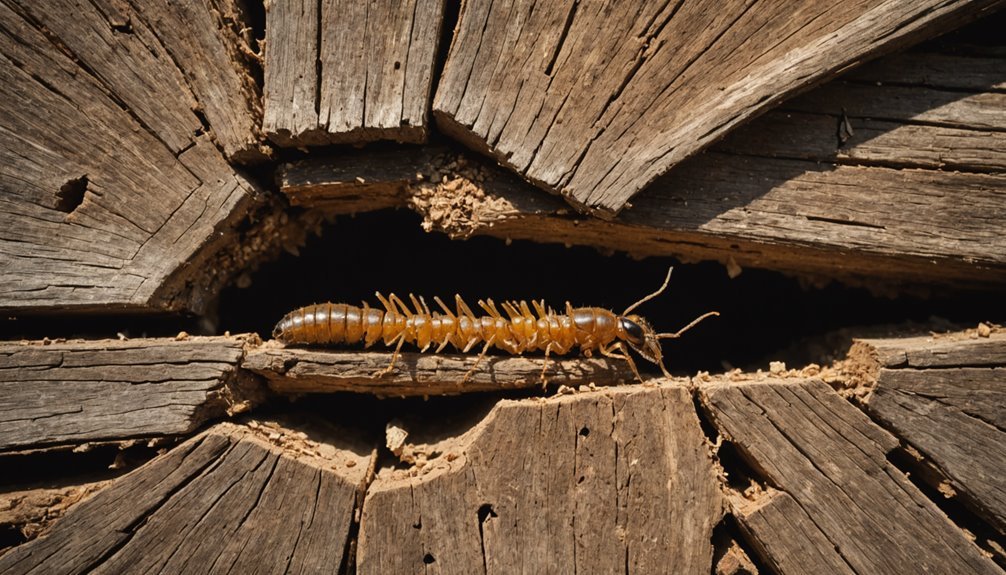
When it comes to dealing with termites, waiting isn’t an option. These relentless pests never stop feeding, and any delay allows them to continue damaging your home. Untreated infestations can lead to serious and costly damage to structural components, furniture, and more. You mightn’t even notice the destruction until it’s too late, as termites often cause hidden damage that remains unseen until it becomes extensive. Ignoring an infestation gives termites more time to expand their colony and worsen the situation. Early detection is crucial for effective treatment, as it can prevent extensive damage that may require costly repairs. Professionals consistently recommend contacting pest control at the first sign of termites. Acting quickly helps limit their spread and keeps repair costs down. Don’t rely on ineffective DIY methods, get expert help to protect your investment.
Early Signs of a Termite Infestation
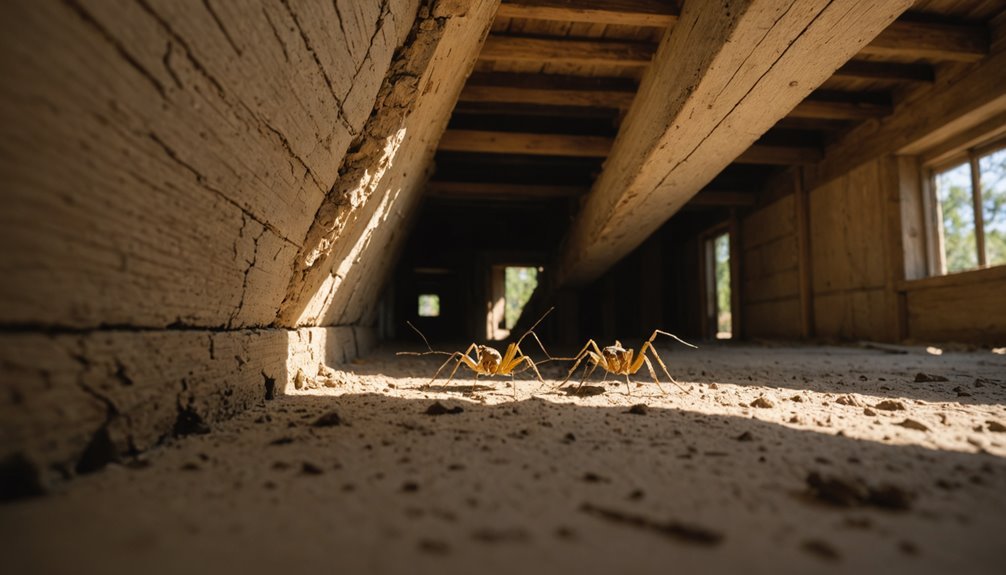
Spotting the early signs of a termite infestation is essential to prevent extensive damage to your home.
Look for pencil-width mud tubes on foundations and crawl spaces, indicating subterranean termite activity. Break a tube; if it’s rebuilt in days, termites are active.
Swarming termites or piles of shed wings around windows and doors suggest a nearby colony. Swarmers Inside the Building can be an indication of a significant termite presence, requiring professional inspection.
Tap wood surfaces for hollow sounds, signaling internal feeding. Notice soft spots or buckling floors, which could mean structural weakening.
Check for frass, appearing as small wood-colored pellets or sawdust-like residue, near wooden areas.
Sticking doors and windows, bubbling paint, or faint noises inside walls can also indicate termites.
Combining these signs provides stronger evidence of infestation.
Termite Infestation Duration Explained
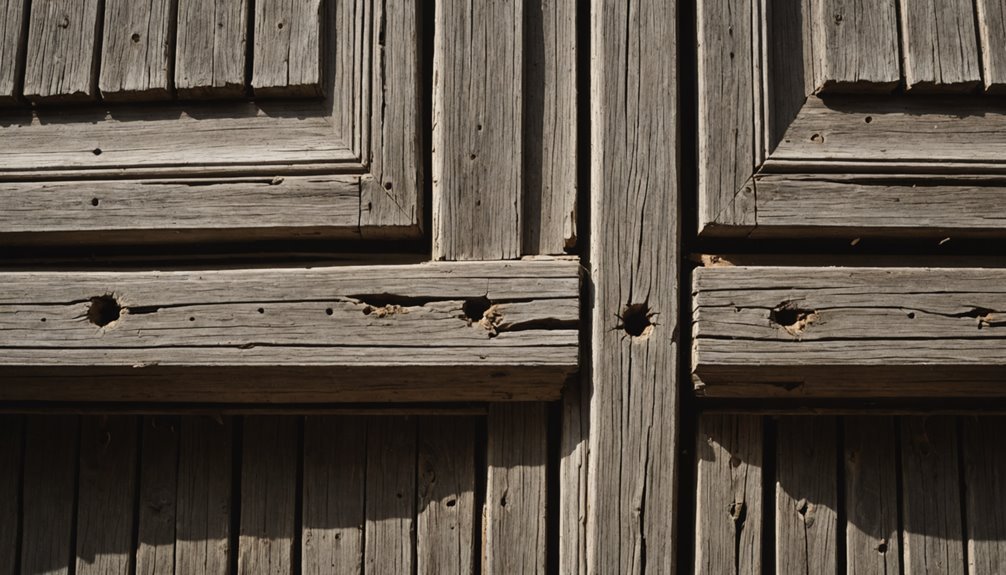
Understanding termite infestation duration is essential because it helps you grasp how quickly damage can escalate. Factors like species, colony size, and moisture access all play a role in how long an untreated infestation can last. Spotting early signs is critical, as even minor damage can rapidly progress, leading to severe structural issues if left unchecked. A single colony can contain 60,000 to over 1 million termites, contributing to the rapid escalation of damage.
Timeline of Termite Damage
Termite damage often goes unnoticed until it’s too late, with most homeowners realizing the issue three to five years after an infestation begins. During this time, termites silently wreak havoc, causing hidden internal damage.
As their colonies mature, visible structural issues emerge, typically within three to eight years. If left untreated, the destruction becomes severe, leading to extensive repairs.
- Three to Five Years: Initial signs of damage appear, often unnoticed until substantial harm is done.
- Three to Eight Years: Noticeable deterioration and structural degradation occur if not addressed.
- Eight Years and Beyond: Extensive destruction, risking collapse and costly repairs, becomes evident.
Understanding this timeline helps you act swiftly to mitigate damage before it becomes catastrophic.
Factors Influencing Infestation Duration
While termite infestations can vary widely in duration, several key factors determine how long they persist. Species type plays a vital role; subterranean termites may take 3 to 5 years to cause noticeable damage, but Formosan termites can wreak havoc in just 6 months under ideal conditions. Environmental factors like moisture and temperature also influence duration, with warm, humid climates accelerating activity. Structural elements, such as wood-to-soil contact and untreated wood, provide easy access and sustenance. Finally, colony characteristics like size and maturity affect how quickly an infestation expands. Understanding these factors is essential for managing termite issues effectively.
| Factor | Influence on Duration | Example |
|---|---|---|
| Species Type | Lifecycle speed varies | Formosan vs. Drywood |
| Environmental Conditions | Accelerates activity | High moisture, warm climate |
| Structural Factors | Provides access and food | Untreated wood, gaps |
| Colony Size | Larger colonies expand faster | Rapid damage timelines |
| Lifecycle Characteristics | Continuous reproduction | Sustained presence |
Early Detection Importance
Detecting termite infestations early is essential to minimizing damage. By catching activity before major structural loss, you can greatly reduce the impact.
Termite damage often starts slowly, with noticeable signs appearing within 6–12 months. Unfortunately, many homeowners don’t spot these pests until 1–2 years later. At this point, termites have likely been feeding unnoticed.
Visible warning signs often indicate ongoing activity:
- Mud tubes: These show active travel between soil and wood.
- Hollow-sounding wood: This suggests internal feeding.
- Discarded wings: Found near windows and doors, indicating swarming.
Professional inspections are vital. Experts can find concealed activity, helping you address the problem before severe damage occurs.
Early detection usually means a shorter untreated duration, preserving your home’s structure.
How Termite Species Affect Infestation Severity
When considering how termite species influence infestation severity, you’ll find that subterranean termites often cause the most rapid structural damage due to their large colonies and concealed soil access.
In contrast, drywood termites can inflict hidden and persistent damage as they live inside wood, often delaying detection.
The size and behavior of each termite colony greatly impact how quickly and severely an infestation spreads, affecting your approach to prevention and treatment.
Subterranean Termite Impact
Subterranean termites can wreak havoc on structures, and the severity of an infestation largely depends on the species involved.
Formosan termites are particularly destructive, often compromising buildings in just two years. In contrast, Eastern subterranean termites might take about 3–8 years to cause severe damage. The timeline varies not only by species but also by factors like colony size and building conditions.
- Eastern Subterranean Termites: Commonly cause significant harm within 3–8 years.
- Formosan Termites: Known for rapid destruction, potentially within 2 years.
- Moisture: Increases risk, as termites thrive in damp conditions.
You mightn’t notice them for 1–2 years after they invade, and they won’t leave on their own.
Regular inspections are vital.
Drywood Termite Damage
Although often unnoticed, drywood termite infestations can silently progress, making them particularly insidious. You mightn’t see any signs for months or even years while these pests tunnel through your home’s dry timber.
Internal feeding creates hidden galleries that weaken structural components like floors and framing. Even after just one year of activity, damage can be significant enough to warrant concern.
Their ability to live entirely within wood without soil contact makes detection challenging. You’ll notice symptoms like a hollow sound when tapping wood, blistering paint, or sagging floors only when damage is advanced.
Frass pellets and swarm evidence can also signal an active infestation. Without intervention, a drywood termite infestation can lead to serious structural damage within 3 to 8 years, potentially destroying your home.
Colony Size Influence
Understanding how colony size influences termite infestation severity is crucial for evaluating potential damage. Different termite species affect how widespread and severe an infestation can become.
Subterranean termites form larger colonies, making them more likely to spread quickly throughout a structure, while drywood termites, with smaller colonies, often cause localized damage but can still be destructive due to their hidden nature.
- Drywood Termites: Infest sound wood, remain hidden, and can cause damage before detection.
- Subterranean Termites: Form large colonies, leading to extensive and rapid damage.
- Multiple Colonies: Even small, localized colonies can collectively cause significant harm.
Recognizing these differences helps you understand the urgency and potential impact of a termite infestation.
Damage Progression and Risks Over Time
When termites strike, the progression of damage over time can be surprisingly swift and severe. Within the first year, you mightn’t notice major structural issues, but termites are busy hollowing out wood from the inside.
Early on, subtle signs like sticking doors and uneven floors might appear. By 6 to 12 months, noticeable structural damage can begin.
In 3 to 5 years, signs like hollow-sounding wood and mud tubes become evident, indicating significant risk. If left unchecked, severe structural failures are possible within 1 to 2 years in extreme cases.
Over 8 years, untreated infestations can lead to extensive and hazardous damage, with repair costs skyrocketing from $10,000 to $30,000 or more.
Best Methods to Control Termites Quickly
Tackling a termite problem swiftly is essential to prevent extensive damage.
Begin with professional soil treatments, which involve applying liquid termiticides around your home’s foundation. This creates a barrier that termites can’t cross.
Spot treatments are effective for addressing visible activity without needing to treat the entire structure. Additionally, bait stations placed around your home can monitor and suppress colonies over time.
Quick Tips:
- Fix leaks immediately: Termites thrive in damp conditions.
- Store firewood away from the house: This prevents attracting termites.
- Seal cracks and gaps: Block entry points to protect your home.
Frequently Asked Questions
Can Termites Affect Indoor Air Quality?
Yes, termites can affect indoor air quality. They create dust, frass, and debris that circulate through your home. These particles can irritate respiratory conditions, especially if you have asthma, allergies, or sensitive lungs.
Do Climate Conditions Influence Termite Activity Duration?
Yes, climate conditions influence termite activity duration. In warm, humid areas, termites thrive year-round, accelerating damage. Milder or drier climates might slow their progress. Always consider local climate when managing potential infestations effectively.
Are There Natural Predators That Control Termite Populations?
Yes, natural predators like ants, birds, spiders, fungi, and nematodes help control termite populations. However, they usually don’t eliminate established colonies. You’ll still need professional treatment for effective and long-term termite management.
How Do Termites Affect Insulation Materials?
Termites tunnel through insulation, reducing its effectiveness considerably. They don’t eat the foam for nutrition but cause damage, decreasing insulation efficiency by up to 27%. This leads to moisture issues and higher energy bills in your home.
Can Termite Infestations Affect Home Resale Value?
Termite infestations can greatly impact your home’s resale value. Buyers often hesitate, request price reductions, or demand repair credits. Proper treatment and documentation can help, but a stigma may still affect negotiations and final pricing.
Conclusion
Don’t wait to tackle a termite infestation. Spot the early signs and understand that different termite species can make the situation worse. Left untreated, termites can cause severe damage over time, compromising your home’s structure and safety. To protect your investment, act quickly. Use effective control methods to eliminate termites and prevent future problems. Taking swift action guarantees your home remains safe and sound. Remember, it’s always better to act now than regret later.