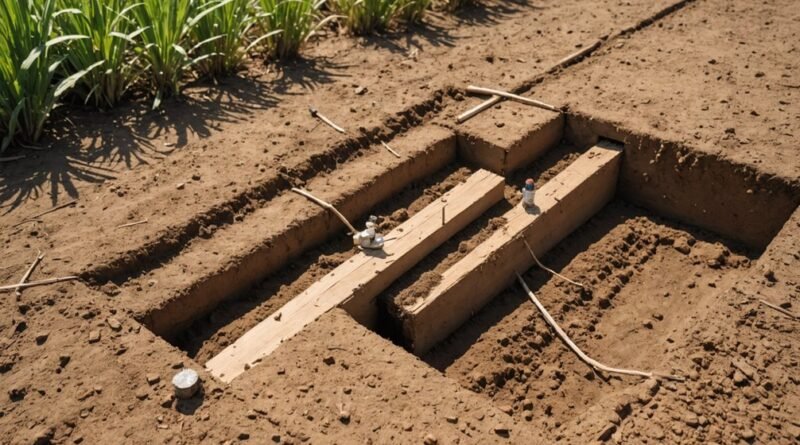
Termite Spot Treatment Vs Full Treatment
When comparing termite spot treatment vs. full treatment, your choice depends on the size and spread of the infestation. Spot treatment works best for small, contained areas under 10 linear feet, costing $300–$900. Full fumigation, ranging from $1,500–$8,000, better handles widespread or hidden colonies. Spot treatment is cheaper upfront but may require repeat visits. If you’re unsure which option fits your situation, there’s more ahead to help you decide.
Key Takeaways
- Spot treatment targets specific infested areas and works best for small, contained infestations under 10 linear feet.
- Full treatment, like fumigation, eliminates hidden termites throughout the entire structure, making it ideal for widespread infestations.
- Spot treatment costs $300–$900 upfront, while fumigation ranges from $1,500–$8,000 depending on the structure’s cubic volume.
- Spot treatment may require repeated applications, potentially making fumigation more cost-effective for larger or recurring infestations.
- Choose spot treatment for isolated, visible activity; choose full treatment when infestation signs appear in multiple areas.
What’s the Difference Between Spot and Full Termite Treatment?
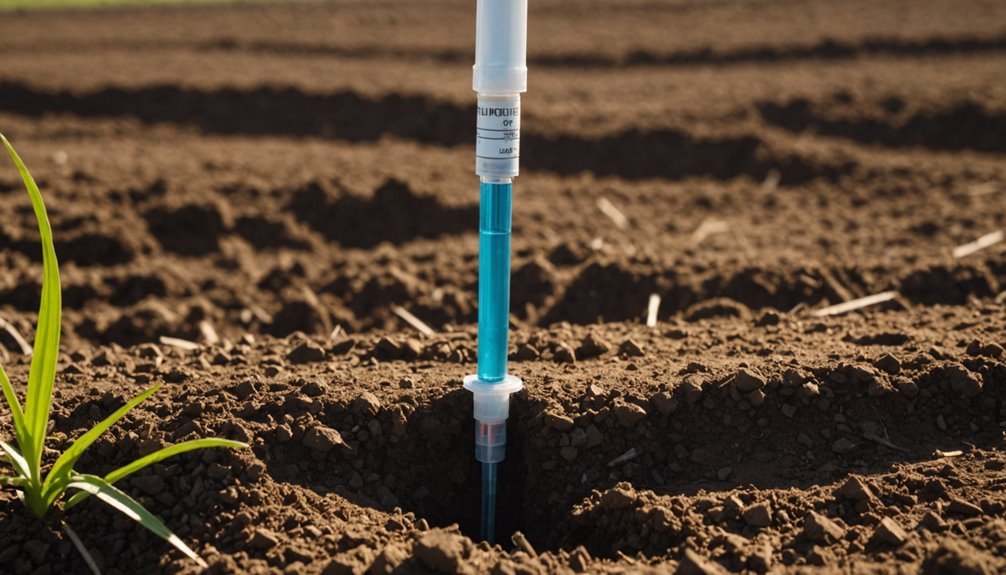
When choosing a termite treatment, the first decision you’ll face is whether to go with spot treatment or full treatment.
These two approaches differ greatly in scope, and understanding that difference helps you make the right call.
Spot treatment targets a specific, identified area of termite activity. Technicians apply it directly to nests, tunnels, or visible infestation sites, making it a localized solution.
Full treatment, by contrast, aims at whole-structure elimination. Methods like fumigation penetrate the entire home, reaching termites hidden inside wood, wall voids, and other concealed structural spaces.
Neither option fits every situation. Spot treatment works well for contained problems, while full treatment addresses infestations that have spread beyond what you can see or access. Termites cause around $5 billion in damage to residential and commercial properties across the United States every year.
Which Infestations Actually Call for Spot Treatment?

Knowing whether spot or full treatment fits your situation comes down to one key factor: how far the infestation has spread.
Spot treatment works when you’re dealing with an early-stage drywood termite problem that’s still confined to a small, identifiable area (typically less than 10 linear feet of wood).
Spot treatment is most effective when the infestation is caught early and confined to a small, identifiable area.
You’re a good candidate for spot treatment if the colony is isolated, the damaged wood is accessible, and you’ve got visible evidence like frass or hollow sections.
It’s most effective before termites reach structural framing, walls, or ceilings.
If activity shows up in multiple areas or keeps coming back, spot treatment likely won’t cover everything.
At that point, a whole-structure approach becomes the more reliable option. Treatment is typically applied directly into termite galleries to reach the colony at its source.
Does Spot Treatment Work as Well as Fumigation?

Spot treatment and fumigation aren’t interchangeable; they’re built for different situations.
If your infestation is early-stage, localized, and accessible, spot treatment can be highly effective. It targets active galleries directly, uses fewer materials, and takes less time. For a small, confirmed infestation, it’s a practical solution.
But fumigation outperforms spot treatment when termites are hidden, widespread, or spread across hard-to-reach structural areas. Unlike spot treatment, fumigation isn’t detection-dependent; it penetrates accessible and inaccessible wood throughout the entire structure.
California pest-control guidance is clear: spot treatment doesn’t guarantee whole-house eradication.
The honest answer is that spot treatment works well within its limits, but those limits matter. If your goal is complete drywood termite elimination, fumigation remains the stronger, more thorough option. Tent fumigation requires residents to vacate the property for up to 72 hours to allow the fumigant gas to fully penetrate the structure.
How Much Does Spot Treatment Cost Compared to Fumigation?

| Treatment Type | Typical Cost Range | Pricing Basis |
|---|---|---|
| Spot Treatment | $300–$900 | Severity / localized area |
| Micro Treatment | $6–$8 per sq. ft. | Square footage |
| Fumigation (Tenting) | $1,500–$8,000 | Cubic volume |
Fumigation costs more upfront but treats the entire structure in one visit. Spot treatment saves money initially, but repeated service calls for hidden infestations can close that gap quickly. If termites are confined to one area, spot treatment wins on price, but widespread infestations often make fumigation the smarter long-term investment. National chains like Terminix and Orkin typically charge 20% to 40% more than local independent operators for the same treatments.
Which Termite Treatment Is Right for Your Home?
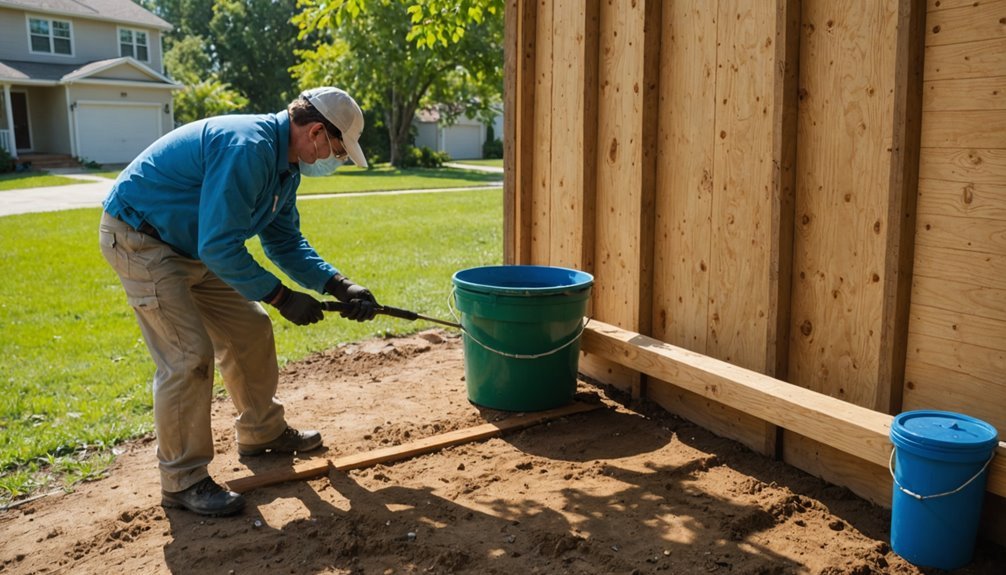
Choosing between spot treatment and full fumigation comes down to one key factor: how far the infestation has spread. If termite activity is small, confined to one board or wall section, and you can physically access it, spot treatment is a practical option. It can eliminate termites in that zone without treating your entire home.
But if activity appears in multiple areas, or you’re unsure how far it’s spread, full treatment is the stronger choice. Fumigation reaches hidden galleries and structural voids that spot methods simply can’t access.
California pest-control guidance is clear: spot treatments aren’t alternatives to fumigation when whole-structure eradication is the goal. When in doubt about the infestation’s scope, full treatment removes the guesswork and reduces the risk of missing concealed damage. After fumigation is complete and aeration has occurred, watch for symptoms like headaches, dizziness, or nausea, as these may signal that unsafe gas levels remain in the structure.
Frequently Asked Questions
How Long Does Spot Treatment Residual Protection Typically Last After Application?
After spot treatment, you’re typically looking at 1 to 5 years of residual protection. Deeper wood injections can extend that to 10 years, but environmental conditions, moisture, and treatment completeness will affect how long it’ll last.
Can Spot Treatment and Fumigation Ever Be Used Together Simultaneously?
You can use both together, but it’s rarely done simultaneously since fumigation already covers your entire structure. It’s more practical to sequence them: using spot treatment before or after fumigation based on inspection findings.
What Specific Products Are Commonly Used During Drywood Termite Spot Treatment?
You’ll commonly use Bora-Care, Timbor, Termidor Foam, FiPro, and Fuse Foam for drywood termite spot treatment. Permethrin- and bifenthrin-based liquids, plus fipronil-based products, are also effective options you can inject directly into galleries.
Does Fumigation Leave Any Residual Protection Once the Structure Is Aerated?
Once your structure’s aerated, fumigation doesn’t leave any residual protection. The gas disperses completely, so new termites can reinfest immediately. It’s a one-time kill event, not a lasting barrier against future infestations.
How Do Technicians Locate Hidden Termite Colonies Before Performing Spot Treatment?
Technicians locate hidden colonies by tapping wood, probing soft areas, and breaking open mud tubes. They’ll also use thermal cameras, moisture meters, borescopes, and acoustic devices to detect movement and activity inside your walls.
Conclusion
When deciding between spot and full termite treatment, you’ve got to weigh the size of your infestation, your budget, and your long-term protection goals. If you’re dealing with a localized problem, spot treatment can save you money. But if termites have spread throughout your home, fumigation’s your best bet. Don’t wait. The longer you hesitate, the more damage termites can do.